
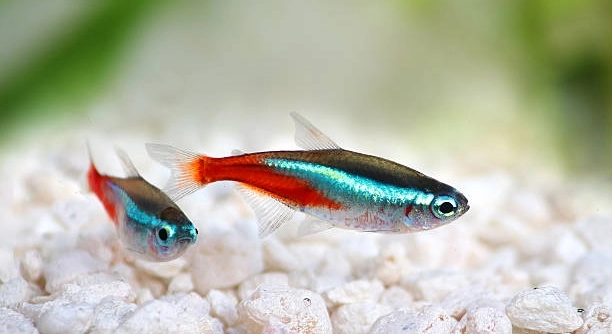
Neon tetras are vibrant and lively fish, often seen swimming throughout the tank. However, sometimes they may hide in the corner, leaving owners concerned. Understanding the potential causes can help ensure their well-being.
Neon tetras hiding in the corner is commonly caused by stress, water quality issues, or compatibility problems with other tank mates. Additionally, factors such as improper lighting, temperature fluctuations, and illness can lead to this behavior.
Knowing the reasons behind this behavior allows for quick adjustments to improve your fish’s environment and health.
Stress from Tank Mates
When neon tetras feel threatened by other fish, they may retreat to the corner of the tank. Aggressive or overly dominant fish can make them anxious, leading to hiding. If there’s a lot of chasing or fin nipping, the tetras may avoid the center of the tank entirely. It’s important to maintain a peaceful environment with compatible species.
Fish like barbs or larger predatory species can cause stress for neon tetras. These fish may appear harmless but can be aggressive in nature. It’s best to house neon tetras with peaceful tank mates such as guppies or corydoras.
Observing fish behavior can help identify issues. If neon tetras frequently hide or display signs of distress, it may be a sign that the tank mates are unsuitable. Stress can weaken their immune system, making them vulnerable to illness. In such cases, removing or isolating aggressive fish could significantly reduce stress levels and restore a calm environment for your tetras.
Poor Water Conditions
Water quality directly impacts the health of neon tetras. High levels of ammonia, nitrites, or nitrates can cause stress, making them hide in corners. Tetras are especially sensitive to poor water quality, so it’s crucial to keep the tank clean and maintain the proper balance.
Testing water regularly and performing routine water changes ensures your neon tetras stay in a safe, healthy environment. If the water parameters are out of balance, it’s best to address these issues promptly to avoid further distress.
Inadequate Tank Size
Neon tetras thrive in groups and need enough space to swim freely. A small tank can cause stress, leading them to seek out quiet, secluded spots. A tank that’s too crowded also increases competition for space and resources, further contributing to their hiding behavior.
For neon tetras, a minimum tank size of 10 gallons is ideal, especially if you’re keeping multiple fish. Providing sufficient space helps reduce territorial disputes and ensures your tetras feel safe. It’s also important to create hiding spots with plants or decorations so they can retreat if they feel overwhelmed.
Smaller tanks can lead to rapid fluctuations in water quality, which adds to stress. Larger tanks allow for better stability, promoting overall health. By upgrading the tank or reducing the number of fish, you’ll create a more suitable environment where your neon tetras can be active and comfortable.
Poor Lighting Conditions
Lighting plays a crucial role in the behavior of neon tetras. Bright or sudden changes in lighting can frighten them, causing them to hide. Tetras are used to a dim, natural light environment and may react negatively to harsh lighting.
To prevent stress, ensure that the lighting is soft and consistent. Use a timer to regulate day and night cycles. Neon tetras do best with around 8-10 hours of light daily, simulating a natural environment. Too much light can cause them to become skittish, while insufficient light can also make them feel insecure.
It’s also worth considering tank placement. Placing the tank in a well-lit area may be overwhelming for your tetras, leading them to retreat into corners. Dim the lights and observe how your tetras react. A slight reduction in brightness may encourage them to swim out more and feel at ease.
Temperature Fluctuations
Neon tetras are sensitive to temperature changes. If the water is too hot or too cold, they may hide to avoid stress. Sudden temperature shifts can be particularly harmful, making them feel unsafe and anxious. Keeping the water at a stable 72-78°F (22-26°C) is ideal.
Investing in a reliable aquarium heater is essential to maintaining a constant temperature. Neon tetras are more likely to thrive when the water conditions remain steady. Rapid changes, especially during water changes, can stress them out and cause them to retreat to the corners of the tank.
If you notice your tetras frequently hiding after a water change, check the temperature first. Any shifts may be enough to disturb their natural behavior, so make gradual adjustments to avoid causing them distress.
Illness or Injury
Illness or injury can make neon tetras feel vulnerable. When they’re unwell, they often retreat to quiet areas to rest and recover. This behavior is a natural response to minimize exposure and conserve energy for healing. Keep an eye out for other signs of illness.
If your tetras are hiding and show symptoms like fading color, lethargy, or abnormal swimming, they may be sick. Common diseases in neon tetras include ich or velvet, both of which require treatment. Isolating sick fish in a quarantine tank can prevent the spread of illness to others.
Always inspect your fish closely. If you notice any irregularities, act quickly to prevent further complications. A sick or injured neon tetra needs proper care and attention to get back to its healthy, active state.
Overfeeding
Overfeeding can lead to poor water quality, making neon tetras uncomfortable and prompting them to hide. Excess food creates waste, which can degrade the tank environment. This can result in stress for your fish. Feed your tetras the right amount of food.
Overfeeding also affects the tetras’ digestion, causing bloating or discomfort. A healthy feeding schedule ensures your neon tetras get the nutrients they need without overloading the tank with excess food. Keep feeding amounts in check, and always remove any uneaten food after a few minutes to maintain a clean environment.
FAQ
Why are my neon tetras hiding?
Neon tetras hide due to stress, poor water conditions, or incompatible tank mates. They may also seek refuge if the water temperature fluctuates or if they are feeling unwell. Inadequate lighting and overfeeding can also cause them to retreat to quiet spots. Always monitor tank conditions and make adjustments when necessary.
How can I reduce stress for my neon tetras?
To reduce stress, ensure your neon tetras are housed with compatible tank mates. Avoid overcrowding and provide plenty of hiding spots with plants and decorations. Keep the water clean by performing regular water changes, and make sure the temperature is stable. A peaceful environment promotes active behavior.
What is the ideal tank size for neon tetras?
Neon tetras do well in a tank size of at least 10 gallons. A larger tank provides enough space for a group of tetras to swim and thrive. Proper tank size prevents overcrowding, which can cause stress and hiding behavior. It also helps maintain stable water parameters.
Can neon tetras live with other fish?
Neon tetras are peaceful and generally do well with other non-aggressive fish. Avoid keeping them with larger, more aggressive species like cichlids or barbs. Good tank mates include peaceful species like guppies, rasboras, or Corydoras catfish. Always consider the behavior and temperament of your other fish.
What temperature is best for neon tetras?
Neon tetras prefer water temperatures between 72°F and 78°F (22°C-26°C). Keeping the water within this range ensures they stay comfortable and healthy. Rapid temperature fluctuations can cause stress, so invest in a reliable heater to maintain a stable environment.
Why are my neon tetras turning pale?
Paleness in neon tetras is often a sign of stress, illness, or poor water conditions. Make sure the water parameters are within the proper range and look for signs of disease. Tetras can also lose their color if they are exposed to sudden temperature changes or inadequate nutrition.
How often should I feed my neon tetras?
Feed neon tetras once or twice a day, offering only what they can consume in a few minutes. Overfeeding can lead to poor water quality and stress. A balanced diet of high-quality flakes or pellets, supplemented with occasional live or frozen foods, helps maintain their health.
Can neon tetras live without a filter?
While neon tetras can technically survive without a filter, it’s not recommended. A filter helps maintain water quality by removing waste and toxins. Without proper filtration, water quality can degrade quickly, leading to stress and illness in your fish. A filter is essential for a healthy tank.
How can I tell if my neon tetras are sick?
Signs of illness in neon tetras include faded color, lethargy, loss of appetite, abnormal swimming, or visible external symptoms like lesions or fins clamped to the body. If you notice these signs, consider isolating the sick fish in a quarantine tank for treatment and closely monitor the rest of the tank.
What water parameters do neon tetras need?
Neon tetras thrive in soft, slightly acidic water with a pH between 6.0 and 7.0. The water hardness should be between 1-5 dGH, and nitrate levels should be kept below 20 ppm. Regular water testing and maintenance are necessary to keep these parameters stable for healthy fish.
Do neon tetras need a lid on their tank?
Yes, it’s a good idea to have a lid on your neon tetra tank. While they aren’t known for jumping, sudden movements or disturbances can startle them, causing them to leap. A lid also helps maintain stable humidity levels and prevents debris from entering the tank.
How can I improve my neon tetras’ health?
To improve the health of your neon tetras, maintain clean, well-filtered water with proper temperature and pH levels. Feed them a varied diet of high-quality foods and avoid overfeeding. Regularly check for signs of illness, and ensure they are housed with peaceful tank mates to reduce stress.
Can I keep male and female neon tetras together?
Yes, male and female neon tetras can live together. They don’t exhibit aggressive behaviors, but male tetras may display territorial tendencies during breeding. Providing plenty of space and hiding spots will reduce potential stress and allow both sexes to coexist peacefully in the tank.
How can I breed neon tetras?
Breeding neon tetras requires specific conditions, including soft, acidic water with a temperature around 75°F (24°C). Set up a separate breeding tank with a gentle filter and dense plants to provide hiding spots. After a successful spawn, remove the parents to prevent them from eating the eggs.
Can I add new neon tetras to an established tank?
Yes, you can add new neon tetras to an established tank, but it’s important to acclimate them slowly. Introduce them gradually to prevent sudden stress. Monitor their behavior closely after introduction to ensure they’re integrating well with the existing fish.
What should I do if my neon tetras are not eating?
If your neon tetras are not eating, check water parameters and ensure they are within the ideal range. Stress, illness, or poor water quality could cause them to lose their appetite. Offering a variety of food and observing their behavior can help identify any underlying issues.
Do neon tetras need to be in schools?
Neon tetras are social fish and should be kept in groups of at least six to eight. A school of tetras feels safer and more secure, reducing stress and encouraging natural behaviors. Keeping them in groups helps them thrive and reduces the likelihood of hiding.
Why do neon tetras swim in circles?
Swiming in circles can be a sign of stress, illness, or poor water quality. If your neon tetras are swimming in circles, check the water parameters immediately. Stress from tank mates or improper tank conditions may also lead to this behavior.
Final Thoughts
Neon tetras are active, vibrant fish that make a great addition to many aquariums. However, when they begin hiding, it can be a sign of underlying issues. Understanding the possible causes of this behavior is essential to addressing the problem. Stress, poor water conditions, and incompatible tank mates are some of the main reasons why these fish might retreat to the corners of the tank. By maintaining stable water parameters, ensuring peaceful cohabitation, and providing plenty of hiding spots, you can create a comfortable environment that encourages your neon tetras to stay active and visible.
It is important to monitor the overall health of your tank to prevent issues before they arise. Regular water testing, temperature control, and proper filtration are key to keeping your fish happy. If you notice any signs of illness, such as faded color or abnormal swimming patterns, prompt action is necessary. Treating your neon tetras for illness early can prevent the spread of disease and help them recover quickly. Additionally, offering a varied, balanced diet will ensure they receive the nutrients they need to stay healthy and active.
Ultimately, creating a suitable environment for your neon tetras requires attention to detail. While occasional hiding is normal for fish, prolonged periods of inactivity or hiding can indicate a problem. By providing proper care, including appropriate tank size, water conditions, and social companions, you can help ensure your neon tetras lead healthy, stress-free lives. Keeping an eye on their behavior will allow you to address any concerns before they escalate. A well-maintained tank with happy fish will provide a beautiful and peaceful aquarium experience.

Hello,
If you enjoy the content that we create, please consider saying a "Thank You!" by leaving a tip.
Every little bit helps us continue crafting quality advice that supports the health, happiness, and well-being of pets around the world, for pets of all shapes, sizes, and species.
We really appreciate the kindness and support that you show us!