
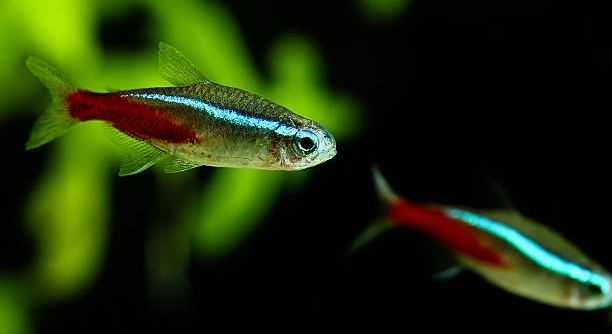
Water hardness can affect the health and wellbeing of your neon tetra. The right water conditions are crucial for their happiness, and knowing how to reduce water hardness can make a big difference in their environment.
To reduce water hardness for neon tetras, you can use water softening products, incorporate reverse osmosis filters, or add peat moss to your tank. These methods effectively lower calcium and magnesium levels, creating a more suitable habitat for your fish.
Understanding the most effective ways to adjust water hardness will help you create a thriving environment for your neon tetras. Keep reading to discover the best techniques to ensure your fish stay healthy and comfortable.
Use Water Softening Products
Water softening products are an easy and effective way to reduce water hardness. These products work by removing or neutralizing the minerals that cause hardness, like calcium and magnesium. You can find them in various forms, such as liquid additives or crystals, and they are often added directly to the aquarium.
The benefit of water softening products is that they offer a quick solution. Once added, the water will become softer, creating a more comfortable environment for neon tetras. These products are typically safe for your fish, but always follow the manufacturer’s instructions to avoid overuse.
While convenient, using water softeners should be done carefully. Some products may change the pH levels of your tank, so it’s essential to monitor water parameters regularly. If you’re unsure about what product to choose, opt for one specifically designed for aquarium use. This helps ensure that the water quality stays balanced and suitable for your fish.
Reverse Osmosis (RO) Filtration
Another great method to lower water hardness is using a reverse osmosis (RO) filter. RO systems are designed to remove minerals from your water, leaving it soft and neutral. These filters are efficient in producing high-quality, purified water with minimal hardness.
RO systems work by forcing water through a semi-permeable membrane that filters out the majority of the dissolved minerals. This results in water that’s more compatible with neon tetras. If you live in an area with very hard water, investing in an RO system is a reliable solution.
While reverse osmosis systems can be costly upfront, they provide consistent results. The water produced by these filters is typically low in minerals, and you can always mix it with tap water to achieve the desired hardness levels. Many fish owners find RO systems to be a long-term investment that benefits not just neon tetras but also other species.
Peat Moss for Softening Water
Peat moss is a natural way to soften water and is a great option for neon tetras. It works by releasing tannins and acids into the water, which help to lower hardness levels. You can add peat moss directly to your filter or use it in a mesh bag.
One of the main benefits of peat moss is that it also slightly acidifies the water, which is ideal for neon tetras. These fish prefer slightly acidic environments, so peat moss can help mimic their natural habitat. However, you should regularly check the pH and hardness levels to avoid any sudden changes.
Peat moss is a simple and low-cost solution for softening water. It’s a gentle method that won’t cause rapid shifts in water parameters, making it a good choice for tank stability. Plus, the addition of tannins gives the water a natural, tea-like color that can make your aquarium look more vibrant.
Water Change Routine
Performing regular water changes is one of the most basic yet effective methods to reduce water hardness. By changing a portion of the water, you dilute the minerals that cause hardness and restore a balance in your tank. A water change schedule helps maintain a stable environment for your neon tetras.
For softening water through changes, aim to replace 20-30% of the tank water weekly. This keeps the mineral content low while avoiding drastic fluctuations. It’s best to use water that is pre-treated to reduce its hardness.
When changing water, ensure the temperature and pH levels match those of the tank to prevent stress on the fish. It’s also helpful to use a dechlorinator, as chlorine can harm both fish and beneficial bacteria in the aquarium. Regular water changes are an easy and effective way to help lower water hardness without complex equipment.
Rainwater for Softening
Rainwater is naturally soft and can be an excellent choice for reducing water hardness in your tank. Collecting and using rainwater is an eco-friendly way to provide your neon tetras with the ideal water conditions. It’s free from the minerals found in tap water.
Before using rainwater, make sure it’s clean and free from contaminants. You can collect rainwater using a clean container, and it’s best to filter it before adding it to the aquarium. Mixing rainwater with tap water can help you achieve the right water hardness levels for neon tetras.
It’s important to test the rainwater before using it. While it’s soft, rainwater can sometimes be slightly acidic. This can affect the pH levels in your aquarium, so always monitor your tank’s parameters to avoid stressing the fish.
Water Softening Filters
Water softening filters are designed to reduce the minerals that cause hardness in tap water. These filters work by exchanging calcium and magnesium ions with sodium ions, making the water softer. Installing a water softener filter on your tap can be a long-term solution.
They come in various types, including whole-house systems or smaller, more affordable versions for individual tanks. Many aquarium filters offer softening features that can help create a more comfortable environment for your neon tetras. These filters also help to purify the water, removing chlorine, chloramines, and other harmful substances.
When choosing a filter, consider the size of your tank and your water hardness levels. For larger tanks, a more powerful filter may be necessary to achieve the desired water softness. Regularly changing the filter media is also essential to maintain the effectiveness of the softening process.
Buffering Agents for pH Control
Buffering agents are helpful for controlling both pH and water hardness. These substances can stabilize the pH levels while softening the water. Many products on the market are specifically designed for freshwater aquariums, including neon tetras.
Buffering agents work by preventing rapid pH swings, which can occur when attempting to reduce water hardness. It’s crucial to select a buffering agent that is safe for fish and won’t cause unwanted spikes in other parameters. Regular testing of pH and hardness levels will ensure a balanced tank environment for your neon tetras.
FAQ
How do I know if my water is too hard for neon tetras?
You can determine if your water is too hard by testing it with an aquarium water testing kit. Neon tetras thrive in soft to moderately soft water, with a hardness level between 3-8 dGH (degrees of general hardness). If your water hardness is higher, it may cause stress or health issues for your tetras. If you notice your fish are acting sluggish, have difficulty swimming, or display abnormal behavior, it might be a sign that the water is too hard.
Can I use regular tap water for neon tetras?
Regular tap water can be used for neon tetras, but it’s important to check the water hardness and pH levels first. Tap water is often harder and may contain chlorine, chloramines, or other chemicals that aren’t ideal for your fish. You can use a water conditioner or dechlorinator to neutralize these chemicals before adding tap water to the tank. If the tap water is too hard, consider softening it through methods like using water softeners or mixing it with rainwater.
Is it safe to mix rainwater with tap water?
Yes, mixing rainwater with tap water can be an effective way to soften water for neon tetras. Rainwater is naturally soft and free from the minerals that cause water hardness. By blending rainwater with your tap water, you can lower the hardness while still maintaining some of the beneficial minerals in the water. However, you should ensure the rainwater is clean and free of contaminants. Also, it’s important to test both water sources regularly to maintain the right balance.
What’s the best way to soften water without using chemicals?
There are several natural methods to soften water without chemicals. Using peat moss in your aquarium filter is one of the most popular options. Peat moss releases tannins and acids into the water, lowering hardness and slightly acidifying the water. You can also collect rainwater, which is naturally soft, or use a reverse osmosis filter to purify the water and reduce hardness. Each method is effective, but it’s important to monitor the water parameters to ensure stability.
Will using peat moss affect the pH of my tank?
Yes, peat moss can lower the pH of the water. This can be beneficial for neon tetras, as they prefer slightly acidic water. However, you must monitor the pH levels closely when using peat moss. Sudden drops in pH can cause stress to the fish, so it’s essential to adjust the amount of peat moss used gradually. If you notice a significant change in pH, consider diluting the peat moss or mixing in some neutral water to prevent any sudden shifts.
How often should I change the water to reduce hardness?
Regular water changes help reduce water hardness by diluting the minerals in your aquarium. For neon tetras, changing about 20-30% of the water every week is ideal. This routine helps maintain balanced water parameters and prevents the build-up of minerals over time. Make sure the water you add to the tank is appropriately treated and matches the temperature and pH of the existing water to avoid shocking your fish.
Can reverse osmosis (RO) water be used for neon tetras?
Yes, reverse osmosis (RO) water is excellent for neon tetras because it removes most of the minerals that contribute to water hardness. However, RO water can be too pure, which means it lacks essential minerals for the fish. It’s a good idea to mix RO water with tap water to achieve a balanced level of hardness and ensure your fish have the minerals they need for health. Always monitor the water’s parameters after using RO water to keep it within the optimal range.
How does water hardness affect the health of neon tetras?
Water hardness directly impacts the health of neon tetras by affecting their ability to regulate osmosis. If the water is too hard, it can cause stress and make it harder for them to maintain proper fluid balance. This can lead to poor immune function, slower growth, and increased susceptibility to disease. By ensuring the water is soft to moderately hard, you can provide a more comfortable and healthy environment for your tetras.
What should I do if my neon tetras show signs of stress due to hard water?
If you notice signs of stress in your neon tetras, such as abnormal swimming patterns, loss of color, or lethargy, the first step is to test the water for hardness and pH. If the hardness is too high, you can reduce it using methods like adding peat moss, mixing rainwater with tap water, or using a reverse osmosis filter. Additionally, perform a partial water change to help lower the hardness. Make sure to monitor the fish’s behavior after making adjustments to ensure they are more comfortable.
Are there any specific water softeners for aquariums?
Yes, there are many water softeners specifically designed for aquarium use. These products typically contain substances that remove or neutralize calcium and magnesium, which cause hardness. When using a water softener, make sure to choose one that is safe for fish and follow the instructions carefully. Some water softeners also adjust the pH, so it’s important to monitor the water parameters closely to avoid any sudden changes that could harm your fish.
How do I know if my water is too soft for neon tetras?
While neon tetras prefer soft water, water that is too soft can also pose risks. Extremely soft water (with very low hardness) can cause problems like fluctuating pH levels, which can be stressful for fish. To determine if your water is too soft, test for both hardness and pH. Neon tetras thrive in water with a hardness between 3-8 dGH and a pH between 6.0 and 7.0. If your water is too soft, consider mixing it with slightly harder water to create a more stable environment.
Can I use water softening tablets in my aquarium?
Water softening tablets can be used to reduce hardness, but they should be chosen carefully. Not all products are designed for aquarium use, and some can affect other water parameters such as pH. If you choose to use softening tablets, make sure they are safe for aquatic life and follow the instructions. It’s always a good idea to monitor the water quality closely after adding any new products to avoid harming your fish.
Should I adjust the water hardness if I have other fish in the tank?
If you have other species in the same tank as neon tetras, you need to consider their needs as well. Different fish species thrive in different water hardness levels. For example, fish like livebearers or cichlids may prefer harder water. It’s important to find a balance that works for all the fish in the tank. Research the specific needs of each species in your aquarium and adjust the water hardness accordingly to ensure the health of all your fish.
Final Thoughts
Reducing water hardness for neon tetras is an important step in creating the right environment for them to thrive. These small fish prefer soft to moderately soft water, and maintaining proper water parameters can help them stay healthy and happy. There are a variety of methods you can use to adjust the hardness of your aquarium water, such as using water softening products, reverse osmosis filters, or even natural solutions like peat moss. Each method has its pros and cons, but it’s important to choose one that fits your setup and lifestyle. Regular water changes and careful monitoring of the water quality will also go a long way in keeping your neon tetras in good health.
While adjusting water hardness is important, it’s also crucial to consider other water parameters like pH, temperature, and the overall cleanliness of the tank. Fish are sensitive to changes in their environment, so making gradual adjustments and monitoring their behavior can help avoid stress. Keeping the water clean through routine maintenance, such as vacuuming the substrate and checking for excess waste, will help maintain a healthy tank for your fish. Additionally, adding live plants or natural filtration methods can improve the water quality, benefiting not only neon tetras but all inhabitants of your aquarium.
Ultimately, the best approach to softening water will depend on your specific needs and the type of tank you maintain. There’s no one-size-fits-all solution, and each method may require a bit of trial and error. The key is to be consistent in monitoring water parameters and adjust gradually, so your neon tetras can enjoy a comfortable and stable habitat. By staying informed and making small, careful adjustments, you’ll be able to create an environment that supports the long-term health and well-being of your fish.

Hello,
If you enjoy the content that we create, please consider saying a "Thank You!" by leaving a tip.
Every little bit helps us continue crafting quality advice that supports the health, happiness, and well-being of pets around the world, for pets of all shapes, sizes, and species.
We really appreciate the kindness and support that you show us!