
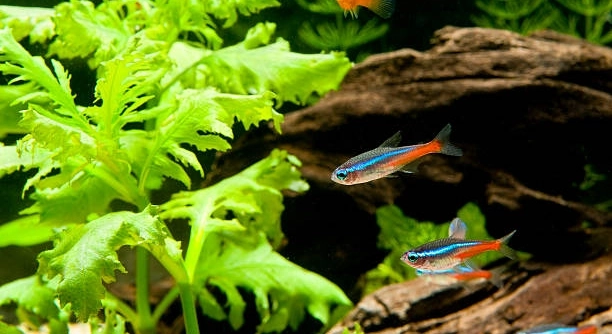
Neon Tetras are popular aquarium fish known for their vibrant colors. If you notice their fins clamped, it’s a sign something might be off. This behavior can often be a sign of stress or illness in the fish.
Clamped fins in Neon Tetras are commonly caused by factors such as water quality issues, poor diet, disease, or environmental stress. Inadequate tank conditions, including improper temperature or overcrowding, can also contribute to this condition.
By identifying the underlying cause, you can help your Neon Tetra regain its health. The following guide will explain possible reasons for clamped fins and how to address each one.
Poor Water Quality
One of the most common reasons for clamped fins in Neon Tetras is poor water quality. Fish are sensitive to changes in their environment, especially the water they live in. Ammonia, nitrites, and nitrates can build up if the tank isn’t properly filtered or cleaned. Even slight changes in water temperature or pH levels can stress the fish and cause this behavior.
If your tank has not been properly maintained, the first step is to check the water parameters. Use a water testing kit to ensure levels of ammonia, nitrites, and nitrates are safe. The ideal temperature for Neon Tetras is around 72°F to 78°F. Consistent water changes and good filtration will help improve the environment for your fish.
Regular water checks and cleaning your aquarium will prevent these issues. Keeping your fish’s habitat stable ensures they stay healthy, which can help prevent clamped fins.
Poor Diet
An improper diet can also cause stress in Neon Tetras, leading to clamped fins. These fish require a balanced diet that includes high-quality flakes, pellets, and occasional live food. If they’re not receiving the proper nutrition, their immune system may weaken, making them more vulnerable to illnesses that can cause clamped fins.
Make sure to feed your fish a varied diet, including live or frozen foods like brine shrimp or daphnia. Overfeeding or underfeeding can also cause health problems. Monitor how much food you’re providing to avoid water quality issues from uneaten food, which can lead to stress and health problems for your fish.
A well-balanced diet is key to keeping your Neon Tetras happy and healthy. When they’re properly nourished, they’ll be better equipped to handle any environmental stresses.
Illness or Infection
Clamped fins are often a sign that your Neon Tetra is sick. Infections such as fungal, bacterial, or parasitic diseases can cause them to exhibit this behavior. You may notice other symptoms, like fading colors or abnormal swimming.
To treat illness, it’s essential to identify the specific disease. Fungal infections are usually accompanied by white patches on the fish’s body, while bacterial infections can cause red spots or ulcers. Parasites, like gill flukes, may make the fish scratch against objects. Once identified, treat the disease with appropriate medications or salt baths.
Act quickly if you see any signs of infection. Quarantine the affected fish to prevent spreading and treat the tank to remove any pathogens. Regularly monitor your fish to catch issues early, keeping the aquarium environment stable to avoid stress and illness.
Environmental Stress
Environmental stress can also cause Neon Tetras to clamp their fins. Factors like sudden changes in water temperature, aggressive tankmates, or bright lights can create a stressful atmosphere for your fish. These stressors may cause them to feel threatened or uncomfortable.
Monitor the tank conditions closely. Make sure the temperature is stable and that your fish aren’t exposed to aggressive species. Neon Tetras prefer to be in peaceful environments with plenty of hiding spots. Bright lighting can also stress them out, so dimming the lights may help.
Minimize disturbances in the tank and give your fish plenty of hiding places. Keeping a calm and stable environment will ensure they feel safe, preventing stress-induced behavior like clamped fins.
Overcrowding
Overcrowding can lead to clamped fins in Neon Tetras. When there are too many fish in a tank, competition for space, food, and oxygen increases stress levels. This can lead to physical signs like clamped fins and erratic behavior.
Make sure your tank is large enough to comfortably house all your fish. For Neon Tetras, the general rule is to have at least 1 inch of fish per gallon of water. If overcrowding is an issue, consider upgrading to a larger tank or reducing the number of fish to create a more peaceful environment.
Poor Tank Conditions
Neon Tetras are sensitive to changes in tank conditions. A tank with improper filtration or fluctuating water levels can easily cause stress, which leads to clamped fins. A clean and well-maintained tank helps prevent these issues.
Ensure that the filter is functioning properly and that water changes are done regularly. Stable water conditions, with the right levels of pH, hardness, and temperature, will keep your Neon Tetras comfortable. Keeping the tank clean and removing debris will also reduce stress factors.
Incompatible Tankmates
Neon Tetras are peaceful and can become stressed when housed with aggressive or territorial fish. This stress may cause them to clamp their fins. Incompatible tankmates, like larger or more aggressive fish, should be avoided.
Choosing the right tankmates is key for a peaceful environment. Opt for calm species that won’t threaten the Neon Tetras. Keeping a stress-free atmosphere will help them thrive and avoid signs of distress like clamped fins.
FAQ
Why are my Neon Tetra’s fins always clamped?
Clamped fins are usually a sign of stress, illness, or poor water quality. If your fish are in an environment with fluctuating water parameters, overcrowded conditions, or poor tank maintenance, they may exhibit this behavior. Additionally, factors like illness, aggression from tankmates, or environmental stress can cause fins to clamp as a defense mechanism. Ensuring stable water conditions, a peaceful tank environment, and proper nutrition can help alleviate the issue.
Can poor water quality cause clamped fins in Neon Tetras?
Yes, poor water quality is one of the most common causes of clamped fins in Neon Tetras. Ammonia, nitrites, and high nitrate levels are all harmful to fish. These substances can cause stress, leading to abnormal behaviors such as clamped fins. Regular water testing and frequent water changes are essential for maintaining a healthy environment. Using a reliable filtration system and avoiding overfeeding can also help keep water quality in check.
How do I improve the water quality for my Neon Tetras?
To improve water quality, regularly test for ammonia, nitrites, and nitrates using a water testing kit. Aim for ammonia and nitrite levels of 0 ppm and nitrate levels below 20 ppm. Perform regular water changes, ideally 20-30% per week, and use a quality filtration system. Ensure the tank is not overcrowded, and remove any uneaten food to prevent it from decomposing in the water.
Can I treat clamped fins with medications?
Medications can help if clamped fins are caused by an infection or disease. However, it’s important first to identify the cause. If your Neon Tetra is suffering from a bacterial, fungal, or parasitic infection, consult a veterinarian or fish expert for proper treatment. For general stress, focus on improving water conditions and minimizing disturbances in the tank. Treating the root cause will be more effective than just using medications for symptoms.
How do I know if my Neon Tetra has an infection?
In addition to clamped fins, other signs of infection may include faded colors, lesions, white spots, or unusual swimming patterns. For example, fungal infections often cause white cotton-like growths on the fish’s body. Bacterial infections may result in red patches or sores. If you notice these symptoms, isolate the affected fish and start treatment based on the type of infection.
Do Neon Tetras need tankmates?
Neon Tetras are peaceful fish and thrive in schools of at least six individuals. While they don’t necessarily need tankmates, having a group helps them feel secure and less stressed. If kept alone, they may exhibit signs of stress, including clamped fins. Make sure any tankmates are compatible in size and temperament to avoid aggression.
How can I reduce stress in my Neon Tetras?
Reducing stress involves providing a stable and peaceful environment. Ensure your tank is large enough for the number of fish and has adequate hiding spots. Keep the water temperature stable (around 72°F to 78°F) and ensure good water quality. Avoid placing aggressive fish in the tank, and try to keep noise and disturbances to a minimum. Lighting should also be kept dim, as bright lights can stress out your Neon Tetras.
Can overcrowding cause clamped fins?
Yes, overcrowding can lead to stress and clamped fins. When there are too many fish in a tank, the competition for resources such as food and oxygen increases, which can result in stress. Overcrowded tanks also make it harder to maintain stable water conditions. Ensure your tank size allows for proper space and circulation. A general rule is one inch of fish per gallon of water, but always consider the specific needs of your fish.
What should I do if my Neon Tetra is swimming erratically?
Erratic swimming behavior can indicate stress, injury, or illness. If your Neon Tetra is swimming abnormally, check the water quality and make sure all parameters are within the safe range. Erratic swimming can also be a sign of a parasite or bacterial infection. If the issue persists, consider quarantining the fish and consulting a veterinarian for treatment. Monitor for any other symptoms like clamped fins, faded color, or lesions.
Can Neon Tetras survive without a filter?
While Neon Tetras can survive without a filter for short periods, it’s not ideal for their long-term health. A filter helps maintain clean, oxygenated water by removing waste and keeping the water free from toxins. Without a filter, water quality will deteriorate quickly, leading to stress, poor health, and potential disease outbreaks. If you must go without a filter, perform frequent water changes and keep a close eye on the tank’s condition.
How often should I feed my Neon Tetras?
Feed your Neon Tetras small amounts of food 2-3 times a day. Overfeeding can lead to poor water quality and increase stress. Provide a balanced diet of high-quality flakes, pellets, and occasional live or frozen food like brine shrimp. Make sure to remove any uneaten food after a few minutes to prevent it from decomposing and polluting the water.
What is the ideal tank size for Neon Tetras?
A 10-gallon tank is the minimum size recommended for a small school of Neon Tetras. Larger tanks provide more space and are easier to maintain, reducing stress and improving water quality. A bigger tank also offers more options for tankmates and decorations. Always make sure the tank is not overcrowded, as this can lead to stress and health problems.
Can Neon Tetras recover from clamped fins?
Yes, Neon Tetras can recover from clamped fins if the underlying cause is addressed. The recovery process involves improving water quality, treating any illnesses, and reducing stress in the tank. If the fish is well cared for and the stressors are removed, it should return to its normal behavior. Be patient, as it may take a few days or weeks for the fins to fully relax.
Final Thoughts
Clamped fins in Neon Tetras are often a sign of stress or discomfort. This behavior can be triggered by a variety of factors, including poor water quality, overcrowded tanks, or incompatible tankmates. Identifying and addressing the cause is the key to resolving the issue. If you notice that your fish’s fins remain clamped for an extended period, it’s important to evaluate the environment and make the necessary adjustments. Sometimes, small changes like improving water conditions or adding more hiding spots can have a big impact on their well-being.
Ensuring that your Neon Tetras are in a peaceful, stable environment is essential for their health. Regular maintenance of the tank, such as water changes and cleaning the filter, will help maintain the water quality. Additionally, keeping the temperature within a safe range and making sure the pH levels are stable will go a long way in keeping your fish happy. Adding appropriate tankmates that won’t stress your Neon Tetras is another simple but effective step in improving their overall health. Remember, they thrive in schools, so providing them with companions will help them feel secure.
Finally, when you spot any signs of clamped fins or other unusual behavior, take action right away. It’s better to address the problem sooner rather than later to prevent more serious health issues. If the condition persists despite changes to the environment, consider consulting an expert or a vet who specializes in fish care. With the right attention, your Neon Tetras should recover and return to their lively, colorful selves. By maintaining a good tank environment and monitoring their health, you can ensure that your fish thrive and enjoy a long, healthy life in your aquarium.

Hello,
If you enjoy the content that we create, please consider saying a "Thank You!" by leaving a tip.
Every little bit helps us continue crafting quality advice that supports the health, happiness, and well-being of pets around the world, for pets of all shapes, sizes, and species.
We really appreciate the kindness and support that you show us!