
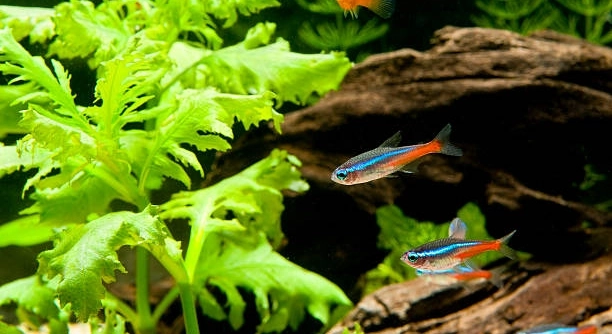
Do you ever find yourself worried about your neon tetra getting sick even when their tank looks clean and well-maintained? These small, colorful fish are popular for a reason, but they do need extra care.
The best way to prevent neon tetra from getting Ich is by maintaining stable water conditions, quarantining new fish, and keeping stress levels low. Proper tank hygiene and a good diet also play a vital role in prevention.
Understanding these basic methods can help you avoid common problems and keep your fish healthy for the long run.
Keep Water Conditions Stable
Maintaining steady water parameters is one of the most effective ways to prevent Ich in neon tetras. These fish are sensitive to sudden changes in temperature, pH, and ammonia levels. Keeping the temperature between 72°F and 78°F helps support their immune system. Perform regular water tests and ensure the pH stays around 6.0 to 7.0. Ammonia and nitrite levels should always be at zero. Nitrate should be below 20 ppm. A good filter and regular water changes—about 25% weekly—can help maintain these levels. Avoid overfeeding, as leftover food breaks down and can affect water quality. Always dechlorinate tap water before adding it to the tank. Stress from unstable water can weaken neon tetras and make them more likely to get Ich. It may seem like a lot at first, but once you have a routine, it becomes a simple part of tank care.
Small changes in water parameters can trigger stress quickly in neon tetras, even if the tank looks clean.
Even a short period of poor water conditions can weaken their immune system. Regular water testing kits are inexpensive and give you a better picture of what’s happening in the tank. Keeping the environment consistent gives your fish a stronger defense against illness.
Quarantine New Fish
New fish can carry Ich even if they look healthy at first.
Quarantining new fish before adding them to your main tank is a simple but powerful method to protect your neon tetras. Keep new arrivals in a separate tank for at least two weeks. During this time, observe them closely for signs of white spots or unusual behavior. A quarantine tank doesn’t need to be large or fancy—just clean, heated, and filtered. This step helps you spot problems early and keeps diseases from spreading to healthy fish. Never rush the process. Avoid using the same nets or equipment between tanks unless they’re cleaned properly. Many fish illnesses don’t show symptoms right away, so giving this extra time can make a big difference. If the new fish stay healthy during quarantine, it’s much safer to add them to your main tank. This habit becomes especially important as your fish collection grows.
Avoid Sudden Temperature Changes
Sudden drops or spikes in water temperature can weaken neon tetras and make them more prone to Ich. Use a reliable heater and thermometer to keep the water temperature stable, ideally between 72°F and 78°F at all times.
Changes in room temperature, open windows, or heater malfunctions can all impact your tank. Try to keep the tank away from vents or direct sunlight. When doing water changes, make sure the new water matches the tank temperature. It helps to let fresh water sit near the tank before adding it in. Sudden shifts of just a few degrees can put stress on your fish, even if everything else looks fine. Neon tetras have small bodies and react quickly to temperature stress, which may not always be easy to notice at first. Preventing swings gives them the stability they need to stay healthy.
Consistency is key when it comes to temperature. Even during power outages or colder nights, use battery-powered equipment or insulation if needed to avoid rapid cooling. A digital thermometer with an alarm can alert you to any changes early. Once the tank reaches the right temperature, avoid adjusting the heater too often. Instead, focus on protecting the tank’s environment from outside changes. This habit helps your fish stay calm and lowers their chances of getting sick.
Reduce Stress Inside the Tank
Too much light, loud noises, or frequent tank changes can raise stress levels in neon tetras. A calm, quiet environment with hiding spots helps them feel more secure and less vulnerable to illness.
Overcrowding the tank or placing aggressive fish with neon tetras also increases stress. Stick to peaceful tank mates and follow the rule of one gallon per inch of fish. Give them plants, caves, or decorations to rest and hide. Avoid tapping on the glass or moving decorations too often. Neon tetras like routine. Feeding them at the same time daily and keeping a regular light schedule can make a big difference. Too much stress doesn’t just affect behavior—it weakens their immune system, which makes them more likely to get Ich. Small changes like dimming lights or lowering noise around the tank may help more than you think.
Clean the Tank Regularly
Waste, uneaten food, and algae buildup can affect water quality and stress your fish. Cleaning the tank weekly helps remove harmful substances and keeps Ich from finding a place to thrive. Use a gravel vacuum and clean filter media as needed.
Avoid cleaning everything at once, as it can remove helpful bacteria. Stagger cleaning tasks—like washing filter parts or scrubbing decorations—to keep the tank balanced. A clean tank not only looks better but also supports healthier fish with fewer risks of illness.
Feed a Balanced Diet
Neon tetras need proper nutrition to stay strong and resist disease. Offer a mix of high-quality flakes, micro pellets, and occasional treats like brine shrimp or daphnia. Avoid overfeeding, as extra food pollutes the water. Feed small portions they can finish in about two minutes. Good nutrition supports immune function, improves color, and keeps them active. Rotate foods every few days to provide variety and prevent deficiencies. A strong, well-fed fish can better handle everyday stress and is much less likely to get sick. Consistent feeding habits support overall tank health.
Keep an Eye on Behavior
Noticing early signs of stress or illness can prevent Ich outbreaks. Look for clamped fins, rubbing against objects, or changes in swimming. Catching problems early gives you more options for treatment and lowers the risk for the rest of your tank.
FAQ
What does Ich look like on neon tetras?
Ich appears as tiny white spots on the body, fins, and gills of neon tetras. It often looks like grains of salt or sugar. You might also notice your fish rubbing against decorations, swimming erratically, or showing signs of stress. In some cases, the fins may become clamped, and the fish could start breathing faster. The spots usually start on one area and spread quickly if untreated. Watching your fish daily helps you catch this early, which is important because Ich spreads fast and can be deadly if ignored.
Can neon tetras recover from Ich?
Yes, neon tetras can recover from Ich if it’s caught early and treated properly. Raise the tank temperature slightly—usually to around 80°F to 82°F—to speed up the parasite’s life cycle. Use a trusted Ich treatment that’s safe for tetras, and remove activated carbon from the filter while medicating. Continue treatment for a few days after symptoms disappear. Make sure to improve tank conditions during and after recovery to prevent it from returning. If treated too late or left untreated, Ich can become fatal, especially in sensitive fish like neon tetras.
Is Ich contagious to other fish?
Yes, Ich is highly contagious and can spread to other fish quickly. Even if only one fish shows symptoms, assume the whole tank is exposed. The parasite moves through the water and infects other fish during its free-swimming stage. This is why it’s important to treat the entire tank, not just the infected fish. If you have a community tank, isolating the sick fish may help, but in most cases, the whole aquarium needs treatment. Quarantining new fish before adding them to your tank helps stop Ich from being introduced in the first place.
How long does Ich stay in a tank?
Ich can stay in a tank for several days to weeks, depending on water temperature. Warmer water speeds up its life cycle, while colder water makes it take longer. The parasite has several stages, and only the free-swimming stage is vulnerable to treatment. This is why treatment usually lasts for a full week or more. Even if the white spots disappear, it doesn’t mean the parasite is gone. Continue treatment for a few days after symptoms are gone to make sure all life stages have been targeted. Skipping this step can lead to a second outbreak.
Can Ich go away on its own without treatment?
It’s very unlikely for Ich to disappear without treatment. Once it starts spreading, it becomes harder to control and more dangerous for the fish. The parasite may seem to go away temporarily but often returns stronger. In a well-maintained tank with strong, healthy fish, the outbreak might slow, but it won’t resolve completely on its own. Without intervention, fish can suffer and die from the stress and damage it causes. Always treat Ich as soon as you notice symptoms and follow through with the full treatment plan to protect all your fish.
Can stress cause Ich in neon tetras?
Stress doesn’t directly cause Ich, but it makes fish more vulnerable to it. A stressed neon tetra has a weaker immune system, which gives parasites like Ich a better chance to infect. Common sources of stress include poor water quality, sudden changes in temperature, overcrowding, or aggressive tank mates. Preventing stress is a key part of preventing Ich. Give your fish a calm space, proper tank conditions, and a balanced diet. Once they feel safe and healthy, they’re much better at fighting off infections, even when exposed.
Do I need to remove my plants or snails during Ich treatment?
Some Ich treatments can harm live plants or invertebrates like snails. It depends on the medication you choose. Always read the label and check if it’s safe for your specific setup. If not, consider moving sensitive plants or snails to another tank temporarily. You can also use a half-dose method if your fish and invertebrates can’t handle full-strength treatment, but this might be less effective. Another option is to raise the tank temperature to speed up the Ich life cycle while using a milder treatment. Always monitor your tank closely during treatment.
Final Thoughts
Preventing Ich in neon tetras doesn’t have to be complicated. It mostly comes down to keeping the tank clean, the water stable, and the fish stress-free. Simple habits like checking water temperature daily, feeding a healthy mix of food, and watching your fish closely go a long way. Taking a few minutes each day to notice changes in behavior or appearance can help you catch problems early before they get worse. It’s also helpful to set a routine for cleaning and feeding. When fish live in a stable, calm environment, they stay healthier and stronger overall.
If you’re adding new fish, taking the time to quarantine them is worth the extra effort. It may feel like a delay, but it protects your main tank from serious problems later on. New fish often carry illnesses that don’t show up right away, and Ich is one of the most common ones. Even healthy-looking fish can bring in the parasite, so having a small separate tank ready can save you stress. Quarantine also gives you a chance to observe new fish and make sure they’re eating well and adjusting before introducing them to your neon tetras.
Staying consistent is one of the best things you can do for your tank. Keep up with water changes, avoid sudden changes to the environment, and make sure your equipment is working properly. Ich can spread quickly, but it’s also easy to prevent with a little attention. Healthy neon tetras are active, colorful, and fun to watch. When you focus on their basic needs—clean water, a balanced diet, and a calm home—they’re less likely to get sick. Preventing Ich isn’t just about avoiding disease—it’s also about creating a space where your fish can live well. Small efforts really do add up over time.

Hello,
If you enjoy the content that we create, please consider saying a "Thank You!" by leaving a tip.
Every little bit helps us continue crafting quality advice that supports the health, happiness, and well-being of pets around the world, for pets of all shapes, sizes, and species.
We really appreciate the kindness and support that you show us!