
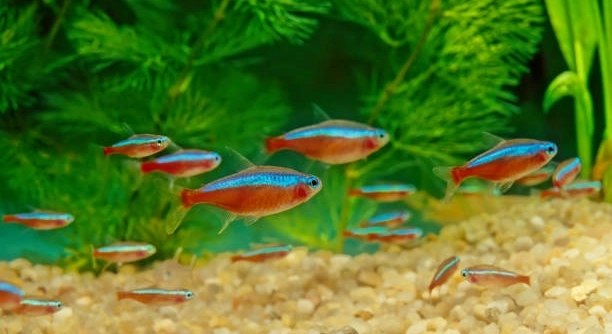
Do you ever find yourself wondering if live plants are really worth adding to your neon tetra aquarium setup? They may seem like extra work, but they bring more than just a decorative touch to your tank.
Live plants offer essential benefits in a neon tetra aquarium, including improved water quality, natural hiding spaces, oxygenation, algae control, and reduced stress for the fish. These factors contribute to a healthier and more balanced aquatic environment.
Adding plants to your aquarium is more than just a design choice—it supports the well-being of your fish in meaningful ways.
Improves Water Quality Naturally
Live plants help create a stable and healthy environment in a neon tetra tank. They absorb harmful substances like ammonia, nitrates, and nitrites produced from fish waste and leftover food. This natural filtration reduces the load on your aquarium’s filter system and helps keep the water cleaner for longer. Plants also provide surface area for beneficial bacteria to grow, which aids in breaking down waste. By incorporating live plants, you support a self-sustaining ecosystem that balances itself more easily. This reduces how often you need to perform water changes, especially in smaller tanks where chemical levels can rise quickly.
Keeping the water clean is one of the best ways to protect the health of your neon tetras.
Over time, stable water conditions lead to fewer health problems and lower stress levels for your fish. You’ll also notice fewer algae blooms since plants compete for nutrients. Clearer water and fewer maintenance tasks are great reasons to consider planting live vegetation in your tank. Even basic plants like Java moss or Amazon sword can make a noticeable difference. Your fish will thrive in a cleaner, calmer space. When water is balanced, neon tetras can show brighter colors, better activity levels, and healthier behavior overall.
Reduces Stress in Neon Tetras
Live plants help create safe hiding places, which are essential for lowering stress in neon tetras.
These fish are naturally timid and often swim in schools for safety. In a tank with no cover, sudden movement or light changes can cause them to panic. When live plants are added, they give tetras somewhere to retreat and feel secure. This results in less skittish behavior and smoother social interactions. Plants also help reduce reflections on the glass, which sometimes confuse or startle the fish. In a well-planted aquarium, tetras tend to be more active, eat better, and stay healthier. Even beginner-friendly plants like Anubias or hornwort can give them a much-needed sense of comfort and security. Having plants is a simple way to make their environment more natural and less stressful. A relaxed fish is a healthy fish, and adding some greenery goes a long way in making your tank a peaceful place.
Adds Oxygen to the Water
Live plants release oxygen during the day through photosynthesis, which helps maintain a more stable oxygen level in the tank. This makes it easier for neon tetras to breathe and stay active, especially in tanks with limited surface movement.
Oxygen is essential for all aquatic life, and plants play a key role in providing it. During the day, they absorb carbon dioxide and produce oxygen, which gets dissolved into the water. This process supports not just the fish but also the beneficial bacteria in your filter and substrate. When oxygen levels are steady, neon tetras can swim more freely and display more natural behaviors. Their immune systems also stay stronger. While water movement from a filter does help with oxygen, live plants provide an additional layer of support, especially in smaller tanks or setups without air stones. Choosing the right balance of light and plant types will maximize this benefit.
At night, plants do absorb some oxygen, but it’s usually not enough to affect healthy tanks with moderate stocking. The benefits they offer during the day more than make up for the slight change overnight. To maintain balance, try using a timer for your lights and avoid overcrowding the tank. A few fast-growing plants can improve oxygen levels without overwhelming the space.
Helps Control Algae Growth
Algae often grow when there’s an excess of light and nutrients in the tank. Live plants help control this by competing with algae for those same nutrients, keeping the water cleaner and more balanced over time.
When plants absorb nutrients like nitrates and phosphates, they leave less behind for algae to use. This slows algae growth without relying on chemicals or scrubbing. Even low-maintenance plants such as floating types or stem plants can block some of the light that fuels algae blooms. If you’ve ever had a tank overrun with algae, adding live plants can make a real difference. In tanks with fish like neon tetras that don’t eat algae, this is especially helpful. Algae can still appear, but with enough plant coverage and stable lighting, it becomes much easier to manage. Consistency in plant care, feeding schedules, and lighting time also plays a big role in keeping algae under control.
Creates a More Natural Habitat
Live plants make the aquarium feel more like the fish’s native environment. Neon tetras come from areas with dense plant life, so adding real plants can help them feel more at home and behave more naturally.
Natural plants also help define different zones in the tank. This gives fish room to explore, rest, and interact without feeling crowded. It also helps prevent aggressive behavior and keeps their movements relaxed. When the setup feels closer to what they are used to, tetras tend to display better color and more consistent activity throughout the day.
Encourages Breeding Behavior
When neon tetras feel safe and comfortable, they’re more likely to show breeding behavior. Live plants offer ideal hiding places for eggs, giving them a chance to survive without being eaten right away. Fine-leaved plants like Java moss or Cabomba are especially useful because they protect eggs and fry from curious tank mates. Even if breeding isn’t your goal, these behaviors are a sign of healthy, well-adjusted fish. It also adds a rewarding dynamic to the tank. A peaceful, planted setup makes the fish feel secure enough to act on their instincts and thrive in their surroundings.
Reduces Noise and Vibration
Plants absorb vibrations and sound coming from filters, pumps, or even outside the tank. This helps create a more stable and calm setting, which can reduce startle responses and nervous swimming in neon tetras.
FAQ
Do live plants require a lot of maintenance?
Live plants are relatively low-maintenance, especially when you choose hardy varieties. Regular water changes, moderate lighting, and occasional trimming are usually all that’s needed. Some plants, like Java fern or Anubias, grow slowly and don’t require much care. As long as you maintain a stable tank environment, plants should thrive without demanding too much attention.
Can neon tetras survive in a tank without plants?
While neon tetras can live without plants, they thrive better in tanks with live plants. Plants offer hiding spots, help keep the water clean, and create a more natural habitat, which reduces stress. Without plants, your tank may feel barren, which could lead to anxious behavior or less active fish.
Are there specific types of plants that work best in a neon tetra tank?
Yes, some plants are particularly well-suited for neon tetra tanks. Low-light plants such as Java moss, Anubias, or Amazon sword are great choices. These plants are easy to care for, don’t require high-intensity lighting, and provide necessary cover for the fish. Additionally, floating plants like frogbit can offer the tetras more hiding spots and shade.
How much light do live plants need in a neon tetra tank?
Most live plants in a neon tetra tank do well with moderate lighting. Too much light can encourage algae growth, while too little can stunt plant growth. A timer for your aquarium light is ideal to ensure the plants get consistent exposure, typically 8-10 hours a day. Keeping the lighting moderate helps plants grow without overwhelming the tank with excess algae.
Can live plants help with algae control?
Yes, live plants help control algae naturally by competing for nutrients. Algae thrive in tanks with excess nitrates and phosphates, which can come from fish waste or uneaten food. By absorbing these nutrients, plants limit the resources available for algae. Having a variety of plants that grow at different rates can help maintain balance and prevent algae overgrowth.
Should I use a substrate for my live plants?
Yes, using a substrate can benefit many types of plants. Nutrient-rich substrates, such as aquarium soil or fine gravel, support root development and provide essential minerals. For plants like Anubias or Java fern, attaching them to driftwood or rocks is a good option as they don’t rely heavily on the substrate for nutrients. A well-balanced substrate is crucial for promoting healthy plant growth.
Do live plants help with oxygen levels in the tank?
Live plants release oxygen through photosynthesis, particularly during daylight hours. This helps maintain a healthier environment for neon tetras, as oxygen is necessary for their survival. While plants won’t replace an air pump or filter, they do contribute to improving oxygen levels and water quality, especially in smaller tanks.
Will live plants compete with neon tetras for food?
Live plants generally do not compete with neon tetras for food. Plants absorb nutrients from the water, while neon tetras feed on particles in the water and on the substrate. As long as you maintain a healthy feeding schedule, plants and fish can coexist without interfering with each other’s needs.
Can I have too many plants in my tank?
It’s possible to over-plant a tank, especially if the plants are too large or densely packed. A tank that’s too crowded with plants can restrict water circulation and reduce the swimming space for your fish. To avoid this, focus on a balanced amount of plants for your tank size and regularly trim any overgrown vegetation.
Are floating plants necessary for neon tetras?
Floating plants are not strictly necessary, but they can enhance the environment for neon tetras. They provide additional hiding spots, reduce light intensity, and help simulate the natural environment of the fish. Plants like frogbit or duckweed are great floating options that can add diversity to the tank while benefiting the fish’s well-being.
How can I prevent plants from dying in my aquarium?
To keep plants healthy, provide them with proper lighting, regular water changes, and nutrients. Some plants require additional supplements like liquid fertilizers or CO2 injection, depending on the species. It’s important to know the specific needs of each plant and adjust your tank’s conditions accordingly. Regular trimming and removing dead leaves will also help maintain a clean and thriving plant environment.
Can I use fertilizers for my live plants?
Fertilizers can be beneficial, especially for fast-growing plants that deplete nutrients quickly. Liquid fertilizers or root tabs can provide essential minerals like iron, potassium, and trace elements. However, it’s important not to over-fertilize, as excess nutrients can lead to algae blooms. Follow the manufacturer’s instructions for the best results.
Do live plants provide enough cover for neon tetras?
Live plants do provide excellent cover for neon tetras, especially if you choose plants with dense foliage or fine leaves. This offers fish plenty of hiding spots, reducing stress and encouraging natural behaviors. If you’re trying to mimic a more natural environment, a mix of tall plants, ground cover, and floating plants will give the tetras a variety of hiding options.
Will live plants help my neon tetras breed?
Live plants can encourage breeding by providing hiding spots for eggs and baby fish. Neon tetras tend to scatter their eggs in dense plant material, where they are less likely to be eaten by other fish. Plants like Java moss and Hornwort are particularly helpful as they offer the perfect environment for breeding tetras to safely deposit their eggs.
Are live plants safe for neon tetras?
Yes, most live plants are safe for neon tetras. However, it’s important to choose non-toxic varieties and avoid plants that may have sharp edges or other features that could harm the fish. Additionally, some plants may require specific water conditions, so it’s important to select species that match the needs of your aquarium setup.
Can I use artificial plants instead of live plants?
Artificial plants can still provide decoration and hiding spaces, but they don’t offer the same water quality benefits as live plants. They don’t help with oxygen production, algae control, or nutrient absorption. Live plants provide more natural benefits that contribute to the overall health of your aquarium and its inhabitants.
Final Thoughts
Incorporating live plants into a neon tetra aquarium brings multiple benefits. These plants not only create a more natural environment but also help improve water quality, reduce stress in fish, and promote healthier behaviors. Neon tetras thrive in well-planted tanks because it mimics their natural habitat, providing hiding spots and areas for them to explore. With the right care, live plants can enhance the overall health and appearance of your aquarium, making it more visually appealing and balanced.
Maintaining live plants doesn’t require excessive effort, especially when you choose low-maintenance species. Plants like Java moss, Anubias, and Amazon swords are easy to care for and can grow well in low-light environments. These plants also help in the filtration process by absorbing excess nutrients in the water, which is crucial for keeping the tank clean and reducing the risk of algae growth. Regular water changes, moderate lighting, and occasional trimming are enough to keep the plants thriving, allowing you to enjoy both the plants and the fish without much hassle.
The addition of live plants ultimately improves the well-being of your neon tetras. They offer comfort by providing shelter, reduce the stress of being in an empty tank, and contribute to a healthier aquatic environment. As the plants grow and establish themselves, the tank will evolve into a more dynamic and visually pleasing space. Choosing the right plants and ensuring proper care will lead to a more vibrant, stable, and natural environment that benefits both the fish and the overall tank ecosystem.

Hello,
If you enjoy the content that we create, please consider saying a "Thank You!" by leaving a tip.
Every little bit helps us continue crafting quality advice that supports the health, happiness, and well-being of pets around the world, for pets of all shapes, sizes, and species.
We really appreciate the kindness and support that you show us!