
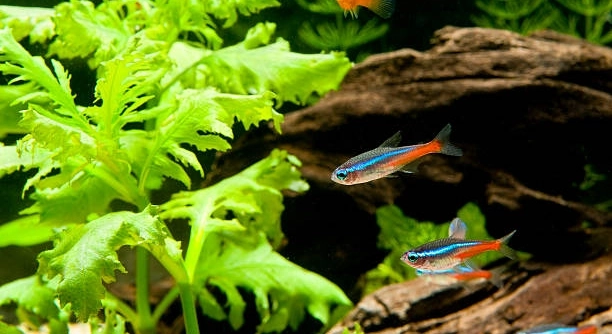
Neon Tetras are beloved for their vibrant, glowing colors. However, sometimes these stunning fish lose their brightness, leaving them looking dull. This can be concerning for fish keepers who want to maintain the health and beauty of their aquarium.
The fading of your Neon Tetra’s colors can often be caused by stress, poor diet, improper water conditions, or inadequate lighting. These factors affect their overall well-being, leading to dullness in their otherwise bright colors.
Several factors could be contributing to this fading, but understanding the reasons behind it will help you restore your fish’s health and color. Addressing these issues ensures a more vibrant and happier environment for your Tetras.
Stress from Overcrowding or Aggression
Neon Tetras are peaceful fish, but they can become stressed in overcrowded tanks or if they are exposed to aggression from other fish. Stress can lead to a weakened immune system, making them more vulnerable to diseases and causing their colors to fade. When fish are kept in too small of a space, it prevents them from swimming freely and finding hiding spots, which increases their stress levels. This can result in noticeable changes to their appearance, including duller colors. Additionally, tank mates that display aggressive behavior can further contribute to stress.
If you notice your Neon Tetras are losing their color, consider evaluating their living conditions. A peaceful community with ample space can go a long way in keeping your fish healthy and vibrant. Ensure your tank is appropriately sized for the number of fish you have, and separate any aggressive fish that may be causing unnecessary stress.
Overcrowding isn’t just about the number of fish; it’s also about the space available for them. Larger tanks with proper filtration systems can reduce stress. Make sure there are enough hiding spots and territories for your Tetras to feel safe. Stress is a leading cause of color loss, and addressing overcrowding can lead to a healthier, more vibrant aquarium. Proper tank management is key to preventing further color fading and promoting overall well-being for your fish.
Poor Diet and Lack of Nutrition
A poor diet can lead to fading colors in your Neon Tetra. These fish require a well-balanced diet that includes high-quality flakes, pellets, or live foods. When they are not provided with the proper nutrition, their immune system weakens, and their bright colors fade. Feeding them low-quality food, or not varying their diet, can make a significant impact on their health.
Providing a variety of food options is essential. High-protein foods, such as brine shrimp, bloodworms, or daphnia, help maintain your fish’s vibrant colors. Balanced nutrition ensures your fish have the necessary vitamins and minerals to thrive.
Poor Water Quality
Dirty water is one of the main reasons for faded colors in Neon Tetras. These fish are sensitive to changes in water parameters, including pH, ammonia, nitrites, and nitrates. High levels of these substances can stress the fish and cause their colors to dull. Regular water changes and proper filtration help keep the water clean and within the right parameters.
If your water quality is poor, your Tetras will likely show signs of stress. It’s important to test your water frequently to ensure it stays at the ideal levels for Neon Tetras. Ammonia and nitrites should be at 0 ppm, and nitrates should not exceed 20-40 ppm. A good filtration system helps maintain water quality, but it’s still necessary to perform routine water changes to keep things in balance. Without clean water, your fish can experience fading colors, lethargy, and other health issues.
Make sure to also monitor the temperature of your tank. Neon Tetras prefer water temperatures between 70°F and 81°F. Too cold or too warm water can lead to stress and color fading. Keep a thermometer in the tank and check the temperature regularly to ensure it stays within the optimal range. Keeping the water clean and stable is key to maintaining the vibrant colors of your Neon Tetras.
Inadequate Lighting
Lighting plays a big role in how your Neon Tetra’s colors appear. Insufficient lighting can cause their colors to look dull and lifeless. Neon Tetras naturally thrive in dim or low light environments, but they still need some level of light to bring out their full vibrancy. Too little light can make them appear washed out.
Try to keep a consistent lighting schedule. Overexposure to bright light, however, can cause stress, leading to color loss. A good rule is to provide around 8-10 hours of light per day and ensure that the intensity is not too harsh. You can also experiment with different lighting colors to bring out their best hues. Blue or white LED lights tend to show off their natural colors more effectively than yellow or red lighting.
You can also create a more natural lighting environment by using plants and decorations to block direct light. Neon Tetras enjoy spaces with subtle shadows, as this mimics their natural habitat. Having areas in your tank that alternate between light and shadow can help your fish feel more comfortable and maintain their bright, beautiful colors.
Genetics
Genetics can affect the coloration of your Neon Tetras. Some Tetras are naturally more vibrant than others, and certain genetic variations can result in duller colors. If your fish was bred poorly or lacks strong genetic traits, its color may fade over time.
Breeding plays a huge role in the color intensity of fish. If your Tetras were bred in less-than-ideal conditions, they may not have inherited the brightest colors. While genetics cannot be changed, choosing healthy, well-bred fish when purchasing can help avoid this issue in the future. Always buy from reputable breeders to ensure better quality.
Disease or Illness
Illnesses like parasites, fungal infections, or bacterial diseases can cause a Neon Tetra’s colors to fade. These conditions affect their overall health, often leading to a loss of brightness. If your fish are sick, their immune system is weakened, and they may not have the energy to maintain vibrant colors.
If you suspect illness, closely monitor your Tetras for any signs such as faded colors, lethargy, or abnormal behavior. Quick treatment is essential to prevent the disease from worsening. Make sure to quarantine sick fish to protect the rest of your tank and to administer treatment as needed.
FAQ
What is the ideal water temperature for Neon Tetras?
Neon Tetras thrive in water temperatures between 70°F and 81°F. Staying within this range helps to prevent stress and promotes healthy color vibrancy. If the water is too cold, their metabolism slows down, and if it’s too warm, they become more susceptible to disease. Ensure your tank is equipped with a heater and thermometer to maintain the proper temperature range. Consistent temperature levels are crucial for maintaining their vibrant appearance and overall health.
How often should I change the water in my aquarium?
Water changes are essential for maintaining the health of your Neon Tetras. It’s recommended to change 25-30% of the water every 1-2 weeks. Regular water changes help remove toxins like ammonia and nitrates that build up over time, which can lead to stress and color fading. If your tank is heavily stocked or has poor filtration, you may need to change the water more frequently. Always treat tap water with a water conditioner before adding it to your tank to remove chlorine and chloramine.
Can I keep Neon Tetras with other fish?
Yes, Neon Tetras are peaceful and can be kept with other non-aggressive fish. However, avoid aggressive species that may harass them, as this can cause stress and lead to color fading. Good tankmates include small, peaceful species like Corydoras catfish, guppies, or small livebearers. Always research potential tankmates before adding them to ensure compatibility.
What kind of food should I feed my Neon Tetras?
Neon Tetras are omnivores and require a balanced diet for optimal health. High-quality flake food or pellets designed for small tropical fish are great staples. You should also supplement their diet with live or frozen foods like brine shrimp, bloodworms, or daphnia. Variety is key to providing the nutrients needed for bright colors. Avoid overfeeding, as excess food can deteriorate water quality, leading to stress and health problems for your fish.
How can I tell if my Neon Tetra is stressed?
Stressed Neon Tetras may exhibit behaviors like hiding, swimming erratically, or spending time near the surface of the tank. You may also notice that their colors appear faded or dull. Other signs of stress can include lethargy, loss of appetite, or increased hiding behavior. Stress can result from various factors, such as poor water quality, overcrowding, aggression from tankmates, or sudden changes in their environment. Addressing the source of stress quickly is vital to restoring their health and color.
What should I do if my Neon Tetra gets sick?
If your Neon Tetra shows signs of illness, such as faded colors, clamped fins, or abnormal swimming behavior, you should quarantine the fish in a separate tank to prevent the spread of disease. Then, identify the symptoms and research possible treatments. You may need to treat the fish with medication specific to the disease. Always ensure the water quality is optimal and try to maintain a stress-free environment. Timely intervention is key to helping your fish recover and preventing color loss due to illness.
Are Neon Tetras suitable for beginners?
Yes, Neon Tetras are generally considered good fish for beginners. They are hardy, peaceful, and relatively easy to care for, as long as their basic needs—such as clean water, proper temperature, and a good diet—are met. However, like all fish, they require attention to water quality and proper tank conditions to stay healthy and colorful. Make sure you avoid overstocking and ensure that your tank is properly cycled before adding them.
How long do Neon Tetras live?
Neon Tetras typically live for 5-10 years when provided with optimal care. Their lifespan can be affected by factors such as water quality, diet, and overall tank conditions. Keeping the tank environment stable and free of stress is essential for them to live a long and healthy life. Regularly monitoring water quality and maintaining the right temperature will also contribute to their overall well-being.
Why is my Neon Tetra losing its bright colors?
Several factors can cause your Neon Tetra to lose its vibrant colors. Stress from overcrowding, aggressive tankmates, or poor water quality is a common cause. Poor diet, lack of proper lighting, or health issues like illness can also contribute to color fading. Assessing and improving water conditions, providing a balanced diet, and addressing potential stressors in the tank are essential steps to help restore their color. Regular maintenance and a peaceful environment will go a long way in keeping your Tetras healthy and vibrant.
Can lighting affect the colors of Neon Tetras?
Yes, lighting plays a significant role in how vibrant your Neon Tetra appears. Neon Tetras are more comfortable in dim light, but they still need some lighting to show off their full potential. If the light is too bright, it can stress them, leading to faded colors. Providing 8-10 hours of light each day with appropriate lighting intensity is best for their well-being. Additionally, using LED lights with a blue or white hue can help bring out the neon colors in your Tetras.
How do I know if my Neon Tetra is healthy?
A healthy Neon Tetra should be active, swimming gracefully, and eating regularly. Their colors should be bright and vibrant, and they should not show signs of physical abnormalities such as lesions or white spots. Healthy Tetras will also display social behavior, swimming together in a group. If any of these signs are lacking, it could indicate health issues that need immediate attention. Regular observation and maintaining good water quality are crucial to keeping your Tetras healthy.
Final Thoughts
Neon Tetras are beautiful, vibrant fish that bring life to any aquarium. However, their bright colors can fade if certain conditions in their environment are not met. Stress from overcrowding, poor water quality, and inadequate lighting can all contribute to dullness in their colors. It’s essential to monitor the conditions of your tank and ensure they are within the ideal range for your fish. Small changes, such as improving water quality, adjusting the temperature, or providing a balanced diet, can have a big impact on your Neon Tetra’s health and appearance.
Taking the time to address potential stressors is key to preventing color fading in Neon Tetras. Overcrowding and aggressive tankmates are two common factors that can lead to stress, which in turn affects their overall well-being. Providing them with enough space and peace within the tank is crucial. Additionally, keeping the water clean by performing regular water changes and monitoring water parameters like ammonia, nitrites, and nitrates can make a significant difference in the health of your fish. Proper filtration and maintaining stable water conditions also help reduce stress, keeping your Tetras looking their best.
In the end, maintaining vibrant colors in your Neon Tetras isn’t difficult if you pay attention to their environment. Offering a well-balanced diet, ensuring appropriate lighting, and managing water quality will go a long way. While some factors, like genetics, can’t be changed, taking care of the aspects that you can control will keep your Tetras healthy and colorful. With a little attention to their needs, you can enjoy these beautiful fish for years to come, with their stunning colors brightening up your aquarium.

Hello,
If you enjoy the content that we create, please consider saying a "Thank You!" by leaving a tip.
Every little bit helps us continue crafting quality advice that supports the health, happiness, and well-being of pets around the world, for pets of all shapes, sizes, and species.
We really appreciate the kindness and support that you show us!