
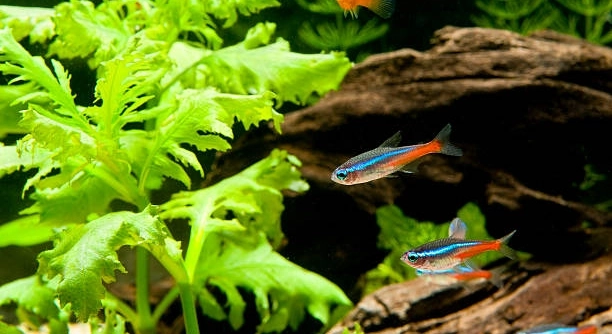
Neon Tetras are vibrant and delicate fish that make great additions to any aquarium. However, keeping them healthy can sometimes be tricky. Understanding the common causes of poor health can help you provide the best care possible for them.
Several factors could be affecting your Neon Tetra’s health. Poor water quality, improper tank conditions, stress, diet issues, overpopulation, incompatible tank mates, or disease can all contribute to their decline. Identifying these causes will help improve their well-being.
By keeping these key factors in mind, you’ll be better equipped to maintain a healthy environment for your Neon Tetras. Let’s explore the main things that could be impacting their health and what you can do about it.
Poor Water Quality
Water quality plays a significant role in the health of Neon Tetras. These fish are very sensitive to changes in water conditions. High levels of ammonia, nitrites, or nitrates can stress them out and lead to disease. Keeping your water clean is key. Regular water changes, proper filtration, and water testing are essential to maintaining a healthy environment for your fish.
Even slight changes in pH or temperature can cause stress to these delicate fish. Make sure to monitor these regularly and adjust when needed. The ideal water temperature for Neon Tetras ranges from 70 to 81°F, and the pH should be between 6.0 and 7.0.
It’s easy to overlook water quality, but it’s crucial for your Neon Tetra’s health. By maintaining the right parameters and using quality equipment, you can create a stable and safe environment for them to thrive. Regularly checking your water will help you avoid problems and prevent any health issues that may arise due to poor water quality.
Stress from Tank Mates
Stress can be a big issue for Neon Tetras, especially when they live with the wrong tank mates. Aggressive or overly large fish can intimidate or even harm them, leading to stress and weakened immune systems.
Neon Tetras do best when kept with peaceful, small fish. They are very social, so having a group of at least six can reduce stress. Avoid keeping them with aggressive species, as this can cause them to hide and become lethargic.
Choosing compatible tank mates is crucial. By creating a calm, peaceful tank environment, your Neon Tetras will be less stressed and more likely to stay healthy. It’s important to research any fish you plan to add to the tank to ensure they get along well with each other.
Poor Diet
Neon Tetras need a balanced diet to stay healthy. If they’re not getting the right nutrients, they can become weak and more prone to diseases. Make sure you feed them a variety of foods, including flakes, pellets, and live or frozen options like brine shrimp or daphnia.
Overfeeding can be just as harmful as underfeeding. Uneaten food can pollute the water, affecting its quality. Stick to feeding small portions once or twice a day and remove any leftovers to keep the water clean. A proper diet, combined with a clean environment, will ensure your Tetras stay strong and vibrant.
Neon Tetras are omnivores and will eat a mix of plant-based and protein-rich foods. A well-rounded diet will help them grow properly, maintain their color, and strengthen their immune system. Be sure to vary their meals to provide all the essential nutrients. Consider supplementing their diet with algae-based food to mimic their natural diet and keep them healthy.
Overpopulation in the Tank
Overpopulation can quickly lead to poor health for your Neon Tetras. When there are too many fish in the tank, it increases the risk of stress, poor water quality, and aggression. It’s important to avoid overcrowding to ensure that all the fish have enough space to swim and thrive.
A general guideline is to have one inch of fish per gallon of water. This helps keep the water clean and provides each fish with sufficient room to move. Overcrowding can also lead to competition for food, which means some fish may not get the nutrition they need.
Additionally, a crowded tank can make it harder to maintain a proper balance of chemicals in the water. When too many fish are added, waste levels increase, leading to spikes in ammonia and other harmful substances. By keeping the tank population at a manageable level, you can maintain a healthier environment for your Neon Tetras.
Incompatible Tank Mates
Not all fish get along well with Neon Tetras. Aggressive or larger fish can stress them out or even harm them. Neon Tetras thrive in peaceful communities. They are best kept with other small, non-aggressive species that won’t chase or bully them.
Tank mates like bettas, cichlids, or goldfish should be avoided. Their temperament and size may lead to conflict. Choosing peaceful, small fish ensures a calmer environment. A harmonious tank not only keeps your Tetras safe but also reduces stress, allowing them to remain healthy and active.
Disease and Illness
Neon Tetras are prone to various diseases. Poor water conditions, stress, or poor diet can weaken their immune system, making them more vulnerable. Keeping an eye on your fish for signs of illness is essential for quick treatment.
Common diseases that affect Neon Tetras include Ich and Velvet Disease. If you notice white spots, faded colors, or unusual swimming patterns, it’s time to check the water and take action. A quarantine tank can help prevent the spread of illness to healthy fish. Regular monitoring and prompt treatment will keep your Neon Tetras in top shape.
Temperature Fluctuations
Sudden changes in temperature can stress Neon Tetras and impact their health. These fish prefer stable environments, with temperatures between 70°F and 81°F. Fluctuating temperatures can weaken their immune systems, making them susceptible to illness.
A heater is necessary to maintain a consistent temperature. Avoid placing the tank in areas where the temperature might change frequently, like near windows or air conditioners. Regularly check the water temperature to ensure it stays within the ideal range. Stable conditions are key to keeping your Neon Tetras happy and healthy.
FAQ
What are the signs of poor health in Neon Tetras?
Neon Tetras can show a few signs when they are not feeling well. These may include loss of color, erratic swimming, lethargy, or hiding more than usual. If your Neon Tetra is not eating or has visible sores or lesions, it could indicate a health problem. Keep an eye out for these warning signs and address any water quality or tank issues quickly to prevent further decline. A healthy Neon Tetra should be active, social, and vibrant in color.
How often should I change the water in my tank?
Water changes are crucial to keeping your Neon Tetras healthy. A good rule of thumb is to change about 25% to 30% of the water once a week. This helps remove toxins and ensures the water remains clean. If your tank is heavily stocked, you might need to change the water more frequently. Make sure to use a water conditioner to neutralize chlorine and chloramine before adding fresh water.
Can I keep Neon Tetras with other types of fish?
Yes, Neon Tetras are peaceful fish and can be kept with many other species. However, you should avoid aggressive fish like bettas or large predatory species. Small, calm fish like guppies, Corydoras catfish, or other peaceful community species work well with Neon Tetras. It’s important to create a peaceful tank environment to minimize stress and ensure your fish are healthy.
What is the best water temperature for Neon Tetras?
Neon Tetras prefer warm water temperatures, typically between 70°F and 81°F (21°C to 27°C). The water temperature should be consistent, as sudden temperature fluctuations can stress them out and cause illness. A reliable aquarium heater is essential to maintain a stable environment. Regularly check the temperature to ensure it stays within this ideal range.
How do I maintain a healthy diet for my Neon Tetras?
Neon Tetras are omnivores, so they need a balanced diet that includes both protein and plant matter. Feed them a mix of high-quality flake food, pellets, and occasional live or frozen food like brine shrimp or daphnia. Be sure to remove any uneaten food to prevent water contamination. Feed small portions once or twice a day, and try to vary their diet for optimal health.
Are Neon Tetras hard to care for?
Neon Tetras are relatively easy to care for, making them a great choice for beginner aquarium owners. However, they are sensitive to water quality and temperature changes, so regular maintenance and proper tank conditions are necessary. If you can maintain stable water parameters and feed them properly, your Neon Tetras should thrive.
Why are my Neon Tetras losing color?
There are several reasons why your Neon Tetras might be losing color. Stress from poor water quality, aggressive tank mates, or improper temperature can cause them to lose their vibrancy. Illness, poor diet, and old age can also affect their color. Make sure your tank is in good condition, and address any issues with water quality or tank mates. If the color loss continues, it may be a sign of a more serious health problem that requires attention.
How many Neon Tetras should I keep together?
Neon Tetras are social fish, and it’s best to keep them in groups. A minimum of six Neon Tetras is recommended to ensure they feel safe and secure. Keeping them in a group helps reduce stress and encourages natural behaviors. If kept alone, they may become stressed and inactive.
Can I keep Neon Tetras with live plants in the tank?
Yes, Neon Tetras thrive in tanks with live plants. Plants help mimic their natural habitat and provide hiding spots that make them feel more secure. Live plants also help improve water quality by absorbing excess nutrients. Some good options for plants in a Neon Tetra tank include Java Fern, Anubias, and Moss Balls.
How do I prevent disease in my Neon Tetras?
Preventing disease in your Neon Tetras starts with maintaining good water quality. Perform regular water changes, use a reliable filtration system, and monitor water parameters closely. Avoid overcrowding, as this increases stress and can lead to illness. Quarantine new fish before introducing them to your tank to prevent the spread of disease. Regularly observe your fish for any signs of illness and act quickly if any problems arise.
Can Neon Tetras live with other small fish?
Yes, Neon Tetras are peaceful and do well with other small, non-aggressive fish. Some good companions include guppies, rasboras, and Corydoras catfish. It’s important to avoid keeping them with large or aggressive fish that may intimidate or harm them. A peaceful community tank will ensure your Neon Tetras feel safe and thrive.
What should I do if my Neon Tetra is swimming erratically?
Erratic swimming could indicate several issues, such as poor water quality, stress, or illness. First, check your water parameters, including ammonia, nitrite, nitrate, and pH levels. Make sure the water temperature is within the ideal range. If the water quality is fine, look for signs of disease, such as white spots or lesions. If necessary, quarantine the sick fish and treat them with the appropriate medication.
How can I improve the health of my Neon Tetras?
To improve the health of your Neon Tetras, focus on maintaining excellent water quality, a proper diet, and a stress-free environment. Regular water changes, proper filtration, and temperature control are crucial. Ensure they are fed a balanced diet and kept in a peaceful tank with compatible fish. Regular observation will help you spot any health issues early and address them quickly.
Final Thoughts
Taking care of Neon Tetras can be a rewarding experience if you pay attention to their needs. They may be small and delicate, but with the right conditions, they can thrive in your aquarium for years. The key is to maintain good water quality, a stable temperature, and a well-balanced diet. Keeping their environment clean and peaceful will prevent many common health issues and help your fish stay vibrant and active. Regular water changes, monitoring of water parameters, and keeping an eye on the behavior of your fish will go a long way in ensuring they remain healthy.
It’s also important to remember that Neon Tetras are social fish. They prefer to be in groups, so having a minimum of six in your tank will reduce stress and make them feel more secure. If you choose the right tank mates, those that are small and non-aggressive, your Neon Tetras will likely thrive in a community setting. Avoid overcrowding the tank, as this can quickly lead to poor water quality and increased stress. By carefully selecting compatible fish and keeping the right number of them, you can create a peaceful environment where your Neon Tetras can live happily.
Finally, while caring for your Neon Tetras may require some attention and regular maintenance, it’s a manageable task. By staying consistent with tank maintenance, providing a proper diet, and monitoring your fish’s health, you’ll help them live long, healthy lives. Whether you’re new to fishkeeping or have experience, keeping your Neon Tetras healthy doesn’t have to be difficult. With a little care and effort, these beautiful fish will add a vibrant touch to your aquarium, and you’ll enjoy watching them grow and thrive.

Hello,
If you enjoy the content that we create, please consider saying a "Thank You!" by leaving a tip.
Every little bit helps us continue crafting quality advice that supports the health, happiness, and well-being of pets around the world, for pets of all shapes, sizes, and species.
We really appreciate the kindness and support that you show us!