
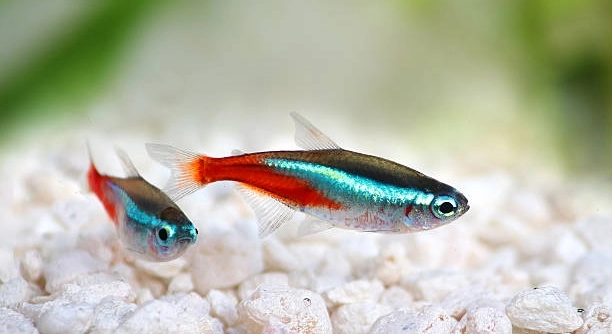
Neon Tetras are popular aquarium fish known for their vibrant colors and peaceful nature. However, it’s not uncommon for them to appear bloated, which can be a cause for concern for any aquarium owner.
Neon Tetras may appear bloated due to a variety of factors, including overfeeding, constipation, or a bacterial infection. Overfeeding is one of the most common reasons, as excess food can cause digestive issues leading to bloating.
By understanding the potential causes of bloating, you can take the right steps to keep your fish healthy. This article will explore the reasons behind your Neon Tetra’s bloating and how to address them.
Overfeeding Your Neon Tetra
Overfeeding is one of the most common reasons your Neon Tetra might appear bloated. If you’re giving your fish too much food, it can overwhelm their digestive system, leading to problems such as constipation and discomfort. Neon Tetras have small stomachs, so it’s important to feed them in moderation. Offering too much food, especially if it isn’t eaten quickly, can cause it to settle in the tank, leading to water quality issues as well.
If you’re unsure about how much to feed your fish, aim for a portion they can finish in about two to three minutes. It’s always better to underfeed slightly than overfeed, as they can be fed again if they seem hungry later.
In addition to the overfeeding issue, uneaten food can pollute the tank, affecting both the health of your fish and the overall aquarium environment. Regularly remove any uneaten food to maintain clean water. A bloated fish might seem harmless, but it could lead to more serious health concerns down the road if overfeeding continues.
Constipation in Neon Tetras
Constipation can also cause bloating in your Neon Tetra. A lack of fiber or variety in their diet can make it harder for them to digest food properly.
A healthy diet is key to preventing constipation. Providing your fish with a mix of high-quality flakes, pellets, and occasional treats like frozen brine shrimp can help keep their digestive system working efficiently. If your fish appears bloated and isn’t eating, it’s possible they’re having trouble passing food. In these cases, you may want to try fasting your fish for a couple of days and offering a more easily digestible food afterward, such as daphnia or bloodworms.
These changes can help reset your Neon Tetra’s digestive system. Consistently offering a well-rounded diet will ensure your fish stays healthy and active.
Bacterial Infections
Bacterial infections can cause bloating in your Neon Tetra. These infections can lead to fluid buildup in the fish’s abdomen, making it look swollen. The bacteria may affect the digestive tract or other organs, resulting in symptoms like bloating, lethargy, and poor appetite.
If you suspect a bacterial infection, it’s important to quarantine the affected fish immediately to prevent spreading to others. You may also need to treat the aquarium with an appropriate antibacterial medication. Keep the water clean, as poor water quality can worsen infections. Adding aquarium salt can sometimes help alleviate the swelling, but make sure to follow dosage instructions.
For effective treatment, ensure your fish receives proper care, including warm, clean water and medication as needed. Monitor the rest of your aquarium for any signs of illness. Bacterial infections can worsen quickly, so early intervention is key to preventing serious harm to your fish.
Swim Bladder Disorder
Swim bladder disorder is a condition that can cause bloating in your Neon Tetra. This disorder affects the fish’s ability to regulate buoyancy, which can cause them to float or sink in the tank. This imbalance may make the fish appear bloated, as they struggle to maintain normal body posture.
The disorder can be caused by a variety of factors, including overfeeding, infection, or physical injury. Symptoms of swim bladder disorder include erratic swimming, floating upside down, or staying at the bottom of the tank. While it’s not always treatable, a simple fast may help if the disorder is caused by overfeeding.
Adjusting your fish’s diet can sometimes prevent further problems with swim bladder disorder. Avoid offering too many high-fat foods, as they can lead to digestive issues. In severe cases, it may be necessary to consult with a vet or aquatic specialist for specific treatments.
Poor Water Quality
Poor water quality is a major factor in causing bloating in Neon Tetras. High levels of ammonia, nitrites, or nitrates can stress the fish, leading to health issues such as bloating. Regular water changes are essential to maintain a healthy environment for your fish.
Make sure the water parameters are within the appropriate range. Test the water for ammonia, nitrites, and nitrates frequently. Keeping the water clean and maintaining the proper pH, hardness, and temperature can prevent bloating and other health problems. Regular tank maintenance ensures your fish stay healthy and active.
In addition to frequent water changes, consider using a high-quality filter to keep the water clean. Overcrowded tanks are also a risk factor for poor water quality, as they produce more waste. Maintaining a balance in your aquarium environment is essential for keeping your fish healthy.
Parasites
Parasites can infect Neon Tetras, causing bloating and other symptoms. These tiny organisms often affect the digestive system, leading to swelling or discomfort in the fish. Parasites can enter the tank through new fish or contaminated water.
To treat parasitic infections, you’ll need to quarantine any affected fish. There are medications available specifically designed to treat parasites, but it’s important to ensure the water is kept clean during treatment. Proper hygiene, along with regular water changes and quarantine practices, can help prevent parasites from affecting your Neon Tetras.
Stress
Stress is another common cause of bloating in Neon Tetras. Stress can come from several sources, including poor water conditions, overcrowding, or incompatible tank mates. Constant stress weakens the immune system, making the fish more susceptible to infections and digestive issues.
To reduce stress, ensure your Neon Tetras have a peaceful environment. Avoid sudden changes in the tank, such as temperature fluctuations or loud noises. Keeping the tank clean, providing hiding spots, and maintaining a consistent feeding schedule can help your fish feel secure.
FAQ
Why does my Neon Tetra look bloated after eating?
If your Neon Tetra looks bloated after eating, it’s likely due to overfeeding. Neon Tetras have small stomachs, and offering too much food can cause digestive problems, leading to bloating. To avoid this, feed small amounts of food they can finish in a couple of minutes. You may want to cut back on their daily portion or try a more easily digestible food, such as daphnia or bloodworms.
How do I know if my Neon Tetra is sick?
Signs of illness in Neon Tetras include abnormal swimming behavior, bloating, loss of appetite, and faded color. You may also notice lethargy or difficulty swimming. If any of these symptoms appear, it’s important to check the water quality first. Poor water quality can stress fish and lead to illness. If water conditions are fine, further investigation may be needed to identify whether the fish has an infection or other health issue.
Can a bloated Neon Tetra recover on its own?
In some cases, a bloated Neon Tetra may recover with time and proper care, especially if the bloating is caused by overfeeding or constipation. However, if the bloating persists for more than a couple of days, or if the fish shows other symptoms like lethargy, it’s best to intervene. Fasting the fish for a couple of days and offering easily digestible food afterward can help. In more severe cases, a bacterial infection or other issue may be at play, requiring treatment.
How often should I change the water to avoid bloating in my Neon Tetra?
Changing the water regularly is important to avoid bloating and other health issues. Aim for a 25-30% water change every week. Regular water changes ensure that the tank stays clean, which helps maintain good water quality. Poor water quality can stress your fish, weaken their immune systems, and contribute to bloating. Ensure the water is properly conditioned, and test it frequently to maintain optimal conditions.
What are the signs of overfeeding in Neon Tetras?
Signs of overfeeding in Neon Tetras include uneaten food at the bottom of the tank, cloudy water, and bloating. Overfeeding can also lead to water pollution, which worsens the tank’s overall health and may stress your fish. To avoid overfeeding, offer only as much food as your Neon Tetras can eat in a couple of minutes. Removing any leftover food promptly can also help prevent these issues.
Is it safe to add salt to the tank for bloated Neon Tetras?
In small amounts, aquarium salt can help alleviate bloating caused by certain health issues like bacterial infections. However, it’s important to follow dosage instructions carefully, as too much salt can harm your fish. Always dissolve the salt in water before adding it to the tank and monitor your fish closely for any signs of improvement or distress. Salt should not be used as a long-term solution but may be helpful in the short term if you are treating certain infections or stress.
How long should I fast a bloated Neon Tetra?
Fasting a bloated Neon Tetra for up to 2-3 days can help clear up mild cases of constipation. After the fasting period, you can start offering easily digestible foods such as daphnia or bloodworms to help the fish digest food more efficiently. If the bloating persists, it may indicate a more serious issue like a bacterial infection, and you should consider consulting an aquatic specialist for further advice.
Can I treat a bloated Neon Tetra with antibiotics?
Antibiotics are only necessary if a bacterial infection is suspected as the cause of bloating. If your Neon Tetra shows signs of infection, such as swelling along with lethargy, loss of appetite, or discolored patches, antibiotics may help. Always consult with a veterinarian or fish health expert before using antibiotics to ensure you’re using the correct type for the specific infection and that it is safe for your aquarium.
What is the best diet to prevent bloating in Neon Tetras?
A varied diet is the key to preventing bloating in Neon Tetras. Offer them high-quality flakes or pellets that are specially formulated for small fish. You can also supplement their diet with occasional live or frozen foods, such as brine shrimp, daphnia, or bloodworms. Avoid overfeeding, and make sure the fish consume all the food you offer within a few minutes. A healthy diet will support their digestion and overall well-being.
Can stress cause bloating in Neon Tetras?
Yes, stress can contribute to bloating in Neon Tetras. When fish are stressed, their immune system becomes weaker, making them more susceptible to infections and digestive issues. Stress can be caused by poor water quality, overcrowding, aggressive tank mates, or sudden changes in the tank environment. To reduce stress, maintain stable water conditions, avoid overcrowding, and provide plenty of hiding spaces for your fish. Keeping the aquarium peaceful will help prevent bloating and other stress-related problems.
Final Thoughts
Bloating in Neon Tetras can be concerning, but it’s often manageable once you identify the cause. Whether it’s from overfeeding, poor water quality, or an underlying health issue like a bacterial infection, addressing the root problem is key to helping your fish recover. Regularly checking water parameters, feeding in moderation, and observing your fish closely can make a big difference in preventing bloating. A little care and attention to their needs can go a long way in keeping your Neon Tetras healthy and vibrant.
One of the best things you can do for your fish is to create a stable environment. Consistent water changes, proper filtration, and maintaining the right temperature and pH will go a long way in reducing stress. Neon Tetras are sensitive to changes, so avoiding sudden shifts in their environment is crucial. Keep in mind that bloating is often a symptom of a larger issue, and paying attention to how your fish behave can give you clues about their overall health. If you see other signs of illness, like lethargy or loss of appetite, don’t hesitate to take action.
While some cases of bloating may resolve on their own with simple adjustments like fasting or adjusting their diet, more severe issues may require medication or special treatment. If your Neon Tetra’s condition doesn’t improve or worsens, consulting with a veterinarian who specializes in fish health can provide peace of mind. By staying proactive, you can help your Neon Tetras thrive and avoid many common health issues, ensuring they live long, healthy lives in your aquarium.

Hello,
If you enjoy the content that we create, please consider saying a "Thank You!" by leaving a tip.
Every little bit helps us continue crafting quality advice that supports the health, happiness, and well-being of pets around the world, for pets of all shapes, sizes, and species.
We really appreciate the kindness and support that you show us!