
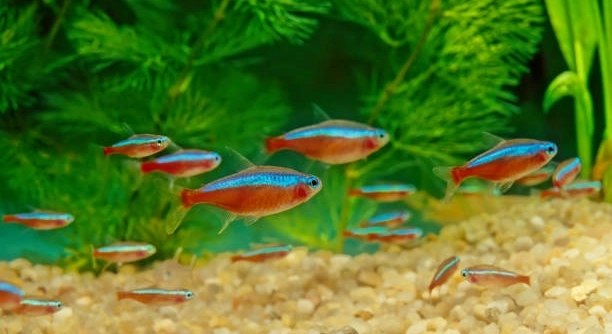
Keeping a neon tetra tank vibrant and healthy is a rewarding experience, but it can also be energy-intensive. Many aquarists wonder how to reduce their energy consumption without compromising the well-being of their fish.
To make your neon tetra tank more energy-efficient, focus on adjusting the lighting, filtration, and heating systems. Efficient equipment, such as LED lights, energy-saving heaters, and low-power filters, can significantly reduce your tank’s energy consumption.
By making small changes, you can keep your tank running smoothly while lowering your energy costs. Let’s explore practical and simple solutions that can help make your tank more efficient.
1. Choose Energy-Efficient Lighting
One of the simplest ways to reduce energy usage in your neon tetra tank is by switching to energy-efficient lighting. Standard aquarium lights can consume a lot of electricity, but LED lights are a great alternative. They use less power and last longer. Moreover, LEDs provide sufficient lighting for the plants and fish without overheating the tank. It’s essential to select a light that matches the needs of your tank’s environment, as bright lighting can stress out the fish. LED lights come in various wattages, so finding one that provides the right balance is key.
If you’re uncertain about how much light your neon tetras need, aim for about 8 to 10 hours of light each day. This will ensure your fish stay healthy without unnecessary energy usage. Keeping lighting to a minimum during the night and using a timer can further optimize energy consumption.
Switching to LED lighting doesn’t just save energy, but it also helps maintain a comfortable environment for your neon tetras. Over time, you’ll see a reduction in your electricity bill while still providing your fish with the ideal lighting conditions.
2. Optimize Heating Systems
Heating the tank is essential to maintaining the proper temperature for neon tetras, but it can also consume a lot of power. Instead of constantly running the heater, invest in a high-quality, energy-efficient heater. A good heater will automatically adjust to the tank’s needs, preventing unnecessary power usage.
Temperature fluctuations can lead to stress for your fish, so it’s important to keep the tank consistently warm. Make sure your heater is sized correctly for your tank to avoid excess energy usage. Consider using a heater with a thermostat feature that will only turn on when needed.
By carefully managing the heater’s use, you can create a stable environment for your neon tetras without constantly draining energy. Additionally, check the temperature regularly to ensure it stays within the ideal range for your fish.
3. Use a Low-Wattage Filter
Choosing a low-wattage filter can make a significant difference in reducing energy consumption. Many filters have energy-efficient models that use less power while still keeping your tank clean. These filters provide the necessary water circulation and oxygenation without overusing electricity.
It’s important to select the right filter size for your tank. A filter that’s too powerful can waste energy, while one that’s too weak might not be effective at cleaning. You’ll want a filter that matches your tank’s size and water conditions.
Low-wattage filters also help maintain a quieter tank, which can create a more peaceful environment for both you and your fish. By using one of these filters, you’re not only reducing power usage but also ensuring your neon tetras have a stable and clean environment.
4. Reduce Water Changes Frequency
Changing the water too often can lead to unnecessary energy use, as it requires extra work for your filter and heating system. You can reduce the frequency of water changes by ensuring the tank is well-maintained with appropriate filtration.
Investing in a good water testing kit will allow you to monitor the water’s quality. By doing this, you can make informed decisions about when and how much water to change. Less frequent water changes will reduce the load on your filtration system and minimize the energy required to maintain the proper temperature.
With careful monitoring and maintenance, you can extend the time between water changes, reducing the stress on your equipment and cutting down on energy costs. This practice can lead to healthier fish and a more sustainable tank environment.
5. Use a Tank Cover
A tank cover helps reduce the need for extra heating. By trapping heat inside the tank, it prevents temperature fluctuations and minimizes the energy your heater needs to use. It also keeps your aquarium water from evaporating too quickly.
A tight-fitting lid or cover will help maintain a consistent environment for your neon tetras. Plus, it reduces the likelihood of dust or debris entering the tank, keeping the water cleaner.
Using a cover provides a stable and energy-efficient setup by cutting down on heating costs while keeping your fish comfortable.
6. Control the Tank’s Location
Where you place your aquarium can impact its energy efficiency. Keep the tank away from direct sunlight and heat sources. Sunlight can cause the water temperature to rise, forcing your heater to work harder.
In contrast, placing the tank near air conditioners or drafty windows can cause cooling problems. The location affects the temperature stability of the tank, which in turn impacts energy use.
By positioning the tank in a more temperature-controlled area, you’ll reduce the strain on both the heater and the filter. This simple adjustment saves energy while keeping your tank environment more stable.
7. Maintain a Healthy Balance of Plants
Adding live plants to your tank can help improve energy efficiency. Plants naturally filter the water and provide oxygen, which reduces the burden on your filter. They also help stabilize the temperature by shading the water, preventing excess heating.
Healthy plants provide an extra layer of filtration, absorbing some of the waste produced by the fish. This reduces the need for extensive filtration and frequent water changes. Healthy plants also create a more balanced and natural environment for your neon tetras, reducing stress.
By growing plants that thrive in your tank, you’ll create a more self-sustaining ecosystem while minimizing the energy required to maintain it.
FAQ
1. How can I save energy without harming my neon tetras?
To save energy without harming your neon tetras, focus on using energy-efficient equipment like LED lights, low-wattage filters, and thermostats that adjust temperature automatically. Avoid drastic changes in the tank environment, as sudden shifts can stress your fish. Gradually reduce energy consumption by making adjustments to equipment while maintaining stable conditions for your fish.
2. Can I use a smaller filter to save energy?
Using a smaller filter to save energy can work, but it must still provide adequate filtration for your tank size. A filter that’s too small will not clean the water properly, leading to poor water quality and stress for your neon tetras. Choose a filter based on your tank size and ensure it’s designed for energy efficiency.
3. How often should I clean the tank to save energy?
You don’t need to clean your tank excessively to save energy. Over-cleaning can lead to overuse of your filtration system and heater, increasing energy consumption. Instead, focus on maintaining water quality through regular monitoring and cleaning only when necessary. Reducing the frequency of water changes and cleaning helps your system run more efficiently.
4. Can I turn off the filter at night to save energy?
It is not recommended to turn off the filter at night, as it helps maintain oxygen levels and keeps the water circulating. Neon tetras require consistent oxygenation, and shutting off the filter could lead to poor water quality. Instead of turning off the filter, opt for a more energy-efficient model or use a timer to regulate the filter’s use.
5. Does the tank size affect energy consumption?
Yes, the size of the tank can affect energy consumption. Larger tanks generally require more energy to maintain temperature and filtration. However, larger tanks also provide better stability, reducing the need for frequent adjustments. To save energy, focus on keeping your equipment appropriately sized for your tank and invest in energy-efficient devices.
6. How can live plants help with energy efficiency?
Live plants help with energy efficiency by naturally filtering the water and absorbing some of the fish waste. This reduces the load on your filter and heater. Additionally, plants provide shade and help stabilize the temperature by blocking out excess light, lowering the need for additional lighting and heating. Healthy plants also contribute to the overall balance of the tank, creating a more stable environment.
7. Is it necessary to run the heater 24/7?
A heater should run continuously only if the temperature in your home fluctuates significantly. However, if you use an energy-efficient heater with a thermostat, it will automatically adjust the temperature when needed. Ensure that your heater is appropriate for your tank size and only runs as often as necessary to maintain a stable temperature for your neon tetras.
8. Should I use a timer for the lights?
Yes, using a timer for your aquarium lights is a great way to save energy. Neon tetras only need 8 to 10 hours of light per day. A timer ensures that your tank doesn’t have unnecessary lighting hours, reducing energy consumption. It also helps maintain a consistent light schedule, which is healthier for your fish and plants.
9. Can I reduce the number of fish to save energy?
Reducing the number of fish can help reduce the load on your filtration system, but it’s not the most direct way to save energy. A well-maintained tank with the right equipment is the most energy-efficient setup. If you’re aiming to lower energy usage, focus more on equipment upgrades, like energy-efficient filters, heaters, and lights, rather than reducing the number of fish.
10. How does water temperature impact energy use?
Water temperature directly impacts energy use because maintaining a consistent temperature requires the heater to work more or less depending on the environment. Keeping your tank in a temperature-stable room helps reduce the heater’s workload. A well-maintained tank cover can also trap heat, helping you save on energy while keeping your fish comfortable.
11. Is it possible to go too energy-efficient for my neon tetras?
It is possible to go overboard with energy-saving measures if they compromise the health of your neon tetras. For example, reducing filtration too much can lead to poor water quality, and cutting lighting too drastically can harm plant growth or affect fish behavior. It’s important to find a balance between energy efficiency and maintaining the proper environment for your fish.
12. How can I tell if my tank is energy-efficient enough?
You can tell if your tank is energy-efficient enough by monitoring your electricity bills and the condition of your fish and plants. If your energy bills are significantly lower and your neon tetras are healthy and active, your energy-saving efforts are working. Regularly check that your heater, filter, and lights are functioning properly and not using excessive energy.
13. Can I use an energy-efficient filter in a planted tank?
Yes, you can use an energy-efficient filter in a planted tank. In fact, it’s recommended, as it will provide sufficient water circulation without consuming too much power. Just ensure that the filter you choose is appropriate for the tank size and doesn’t disturb the plants or create too strong of a current that could harm your fish.
14. Will a tank cover keep my neon tetras warmer?
A tank cover can help keep your neon tetras warmer by trapping heat inside the tank. This reduces the need for constant heating, saving energy. Additionally, it helps maintain a stable environment by reducing temperature fluctuations caused by room conditions. A cover also helps prevent evaporation, which can cool the tank and require extra energy to compensate.
15. How can I keep my tank warm during winter?
To keep your tank warm during winter, position it in a stable area away from cold drafts and direct heat sources. Using an energy-efficient heater with a thermostat ensures that the temperature remains steady without excessive energy use. Adding a tank cover can also help retain heat and prevent cold air from affecting the water temperature.
Final Thoughts
Making your neon tetra tank more energy-efficient doesn’t have to be complicated. By making a few small adjustments, you can significantly reduce energy use while still providing a healthy environment for your fish. Choosing energy-efficient equipment, such as LED lights, low-wattage filters, and energy-saving heaters, can lower your electricity bill while maintaining the right conditions for your neon tetras. Simple actions, like using a timer for lights and a good tank cover, also help conserve energy and ensure a stable environment for your aquatic pets.
Additionally, maintaining a balance in your tank, including healthy plants and carefully managing water changes, can reduce the strain on your filtration and heating systems. This helps minimize the need for excessive energy use while keeping the water clean and the temperature stable. Keeping your tank in an area with a steady temperature and away from direct sunlight or cold drafts can also cut down on energy costs. These small but effective steps add up over time, making your tank not only more energy-efficient but also more cost-effective.
By focusing on a sustainable setup, you are creating a more stable and harmonious environment for your neon tetras. These adjustments not only benefit your energy bills but also ensure that your fish stay healthy and comfortable. With a few mindful changes, you’ll be able to enjoy your tank without worrying about excessive energy consumption. The goal is to maintain a balance between the energy needs of your aquarium equipment and the well-being of your fish, ensuring both thrive in a low-impact, efficient setup.

Hello,
If you enjoy the content that we create, please consider saying a "Thank You!" by leaving a tip.
Every little bit helps us continue crafting quality advice that supports the health, happiness, and well-being of pets around the world, for pets of all shapes, sizes, and species.
We really appreciate the kindness and support that you show us!