
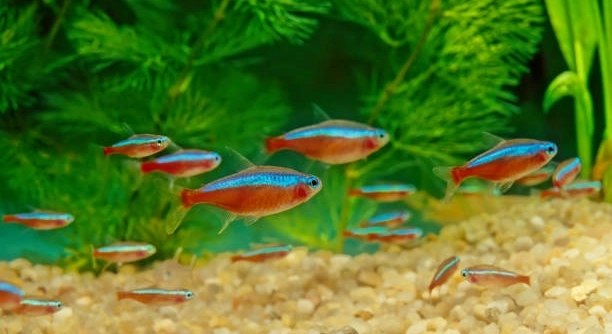
Neon Tetras are a popular fish known for their vibrant colors and peaceful nature. However, aquarium noise can become a concern for these delicate creatures. This article will explore methods to reduce tank noise for your Neon Tetra.
To reduce tank noise for Neon Tetra, consider adjusting filter placement, using quieter equipment, and incorporating sound-dampening materials. Additionally, regular maintenance of the tank and monitoring water flow can minimize unwanted disturbances, promoting a calm environment for your fish.
There are many ways to improve the noise level in your aquarium. These simple steps can make a difference in creating a quieter and more comfortable space for your Neon Tetra to thrive.
Use a Quieter Filter
One of the main sources of noise in an aquarium is the filter. Filters work to keep the water clean, but their motor and water flow can create unwanted sound. To minimize this, consider switching to a quieter filter. There are many models available that are designed to run silently, or at least quieter than traditional filters. Look for filters that have noise-reducing features, like vibration-dampening pads or soundproof casing.
A quieter filter ensures your fish experience minimal disturbance. This change can significantly improve the overall environment of your tank.
When selecting a new filter, think about the type of tank you have. For small tanks with Neon Tetras, smaller filters that provide adequate filtration with low noise levels are ideal. It’s important to balance efficiency and noise reduction to keep the tank healthy while maintaining peace for your fish.
Reduce Water Flow
The water flow in your tank affects both noise and the comfort of your fish. If the water is moving too quickly, it can create loud gurgling sounds. To quiet your tank, try adjusting the flow rate of the filter or adding flow regulators. This helps reduce both the sound and stress on your fish.
Neon Tetras prefer calm waters, so adjusting the flow will not only reduce noise but also create a better environment for them. Reducing the speed of the current also allows the fish to swim more comfortably.
You can use an adjustable flow filter or add a sponge filter to lower the current. Both options help maintain the cleanliness of the water while making sure the noise stays minimal. Additionally, directing the flow towards decorations or plants can break up the current and reduce sound. Keep in mind, balancing water quality and flow is key to ensuring your fish thrive in a quieter setting.
Add Sound-Dampening Materials
Adding sound-dampening materials around your tank can help absorb unwanted noise. Materials like foam or rubber can be placed under the tank or along the sides to reduce vibrations. This helps create a quieter environment by lessening the sound transmitted through the surfaces.
These materials work by absorbing the vibrations caused by equipment like filters and pumps. When placed strategically, they prevent the tank from amplifying noise. This also protects surfaces from wear and tear caused by constant vibrations.
You can use inexpensive foam sheets or rubber mats that are easy to find at most home improvement stores. Simply cut them to size and place them under the tank or along the sides of the stand. The materials should be thick enough to block sound but not interfere with the tank’s stability. Over time, you’ll notice a quieter, more peaceful tank environment, which is better for both your Neon Tetras and your household.
Regular Tank Maintenance
Regular maintenance ensures your tank stays quiet and efficient. Over time, equipment like filters can collect debris, which can increase noise levels. Cleaning your tank and equipment regularly helps prevent this build-up and keeps everything running smoothly.
Routine maintenance also includes checking for any worn-out parts in the filter or pump. Replacing old parts like impellers or O-rings can significantly reduce noise. This also extends the life of your equipment, saving you money in the long run. Keeping the tank clean and free of debris also reduces the strain on your filter, preventing excessive noise.
Don’t forget to check for any algae growth around your filter or pump. Algae buildup can create vibrations that make the filter louder than usual. Regular maintenance and cleaning ensure that your tank remains as quiet and peaceful as possible.
Use a Sponge Filter
A sponge filter is an excellent alternative to traditional filters, especially for smaller tanks. It operates quietly by using air bubbles to draw water through the sponge, creating minimal sound. Sponge filters also provide gentle filtration, which is ideal for sensitive species like Neon Tetras.
Sponge filters are inexpensive, easy to maintain, and effective in reducing tank noise. Their soft, air-driven operation is much quieter than motor-driven filters. By using a sponge filter, you not only reduce noise but also help create a peaceful environment for your fish.
They are perfect for tanks where noise is a priority, and they provide both filtration and aeration. Their gentle movement keeps the water clean without disturbing your fish.
Use Aquascaping to Reduce Noise
Strategic aquascaping can help reduce noise levels by blocking the sound created by water flow. By adding plants, rocks, or decorations, you can break up the water current, causing less splashing and noise. These elements help dampen vibrations, making the tank quieter overall.
Proper placement of plants and decor can direct the flow away from the tank’s surface. Additionally, taller plants or larger rocks placed near the filter can absorb sound from water movement. Creating a natural-looking environment also makes the aquarium more pleasing while keeping the noise to a minimum.
Add a Tank Lid
A tank lid can help reduce noise by covering the top of the aquarium. It works by minimizing splashing from the water surface and trapping sound within the tank. This simple addition keeps the environment quieter and more serene.
FAQ
Why does my tank make so much noise?
The noise in your tank generally comes from the equipment, such as the filter, pump, or air stones. Filters can be particularly loud due to the motor, water flow, or vibrations. If the water is moving too fast, it can also cause splashing sounds. Even the tank itself can amplify these noises through the surface or the stand. Regular maintenance of your equipment and adjusting water flow can reduce these sounds.
How do I know if my filter is too loud?
A filter that is too loud may have parts that are loose, dirty, or malfunctioning. Listen for a constant hum or a rattling noise, which can indicate an issue with the motor or impeller. If the filter is making a noise that’s louder than usual, it may be time for cleaning or replacing parts. Check for any debris or blockages that could be affecting its operation.
Is a sponge filter really quieter than a regular filter?
Yes, a sponge filter is much quieter than most motor-driven filters. It works by using air bubbles to draw water through a sponge, which causes little to no noise. Sponge filters are particularly effective in smaller tanks and for quieter environments like those with Neon Tetras. They also provide gentle filtration, which is beneficial for delicate fish.
What materials can I use to reduce tank noise?
To reduce tank noise, you can use materials like foam, rubber mats, or vibration-dampening pads. These materials absorb vibrations from the tank and its equipment, reducing the amount of sound transmitted to the surfaces. Placing a rubber mat under your tank or along the sides of the stand can help dampen noise effectively. You can also use foam around the filter or pump to absorb vibrations.
Can adjusting the water flow really help with tank noise?
Yes, adjusting the water flow can significantly reduce tank noise. If the current is too fast, it can cause gurgling and splashing sounds. Slowing down the flow can minimize these sounds and create a quieter atmosphere. You can adjust the flow rate using a filter with a variable flow setting or by adding flow regulators to the tank.
Does the type of water pump matter for reducing noise?
Yes, the type of water pump can influence the noise level. Some pumps are designed to be quieter, with noise-dampening features like vibration-reducing pads or insulated covers. Opting for a pump that is specifically designed for quiet operation can make a big difference. Check the specifications for noise levels before purchasing to ensure you are getting the quietest option.
How often should I clean my tank to reduce noise?
Cleaning your tank regularly is key to reducing noise. Over time, dirt, debris, and algae can build up in your filter or pump, which can increase noise. A good rule of thumb is to clean your filter every 2 to 4 weeks, depending on the size of your tank and the load of waste produced. Additionally, perform a full tank cleaning every 6 to 8 weeks to keep everything running smoothly and quietly.
Can plants help with tank noise?
Yes, plants can help reduce tank noise. By strategically placing plants or decorations around the filter or pump, you can break up the water flow and absorb sound. Tall plants or larger rocks can direct the flow in a way that reduces splashing, and they also prevent the noise from reaching the surface. This method not only reduces noise but also enhances the aesthetic of the aquarium.
Is it worth adding a tank lid to reduce noise?
Adding a tank lid can help reduce noise by preventing splashes and trapping sound within the tank. A lid can block the sound caused by water movement, especially if you have a high flow rate or bubbling system. It also keeps fish from jumping out and adds an extra layer of safety. However, be mindful that a lid may reduce airflow and oxygen exchange, so ensure your tank remains well-ventilated.
How does the tank’s placement affect noise levels?
The placement of your tank can impact the noise level. If the tank is on a hard surface, like a wooden table or tile floor, vibrations from the equipment can be amplified, making the tank louder. To minimize noise, place the tank on a surface that absorbs vibrations, such as a rubber mat or foam pad. Additionally, avoid placing the tank near walls or other surfaces that could bounce sound back into the room.
Can adding a background or wall reduce tank noise?
Adding a background or a wall behind your tank can help reduce noise by blocking sound from traveling outside the tank. This creates a barrier that absorbs some of the vibrations, reducing the overall noise in the room. You can use materials like foam boards, plastic backgrounds, or even decorative elements that help dampen sound.
What’s the best way to reduce tank noise in a small apartment?
In a small apartment, reducing tank noise can be more challenging due to limited space. Consider using a sponge filter or a quiet power filter with a flow regulator. Place rubber mats under the tank or use foam pads to absorb vibrations. Make sure to keep up with regular tank maintenance, and use soft materials around noisy equipment. Adding plants or decor to reduce water flow noise can also be beneficial in such close quarters.
Do water changes help with tank noise?
Water changes themselves don’t directly reduce tank noise, but maintaining proper water quality can help prevent excessive noise. Clean water ensures that the filter and pump work efficiently without additional strain, which can lead to unwanted noise. Regular water changes help keep the equipment from becoming clogged or overworked, leading to quieter operation.
Final Thoughts
Reducing tank noise for Neon Tetras is important not just for your own peace but also for the well-being of your fish. These small, delicate fish prefer calm environments, and excessive noise can cause stress, affecting their health. By implementing simple steps such as using quieter filters, adjusting water flow, and adding sound-dampening materials, you can create a much quieter and more comfortable space for your Neon Tetras to thrive. Taking the time to understand the source of the noise and finding the right solutions can make a significant difference in the overall experience of maintaining your aquarium.
Regular maintenance is crucial in keeping both your equipment and your tank in optimal condition. Cleaning filters, checking for worn parts, and ensuring the water flow is not too intense are all necessary tasks that not only help reduce noise but also maintain a healthy tank environment. Even small adjustments, such as replacing a noisy pump or adding a sponge filter, can have a big impact on the sound level in your aquarium. By staying on top of these routine tasks, you prevent buildup and ensure your equipment runs quietly and efficiently.
Ultimately, the goal is to create a peaceful environment for your Neon Tetras while maintaining a functional and aesthetically pleasing aquarium. Sound reduction techniques like adjusting water flow, aquascaping, and using materials that absorb vibrations all contribute to achieving this goal. Each small change adds up, creating a more serene and healthy space for your fish to live in. While it might take a bit of effort to implement these strategies, the result will be a quieter and more enjoyable aquarium experience for both you and your fish.

Hello,
If you enjoy the content that we create, please consider saying a "Thank You!" by leaving a tip.
Every little bit helps us continue crafting quality advice that supports the health, happiness, and well-being of pets around the world, for pets of all shapes, sizes, and species.
We really appreciate the kindness and support that you show us!