
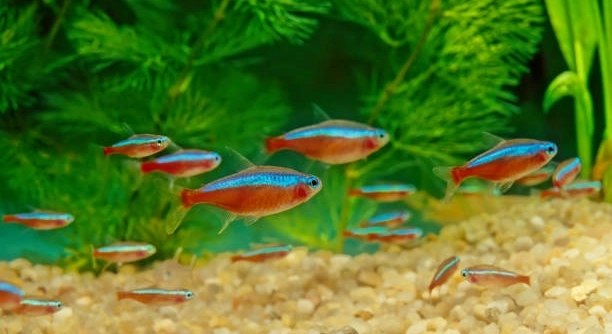
Is your neon tetra acting out and causing tension in your tank? Aggressive behavior in these small fish can be surprising. Knowing what’s going on and how to respond can help create a calmer aquarium environment.
The most effective way to handle an aggressive neon tetra is by identifying stressors and addressing tank conditions. Factors like overcrowding, poor water quality, or incompatible tank mates can trigger aggression. Adjusting these elements often improves their behavior.
By following a few practical steps, you can help your neon tetra become less aggressive and restore peace in your aquarium.
Identify the Cause of Aggression
Aggression in neon tetras can usually be traced to something specific in their tank environment. Overcrowding is a common problem. When too many fish share a small space, stress levels go up and tempers flare. Another cause could be an imbalanced school. Neon tetras are schooling fish and thrive best when kept in groups of six or more. If the group is too small, one fish might try to dominate the others. Poor water quality is another factor. High ammonia levels, fluctuating pH, or low oxygen can all lead to agitation. Lastly, tank mates that are too aggressive or too different in behavior might create tension. When neon tetras feel threatened or cornered, they may react defensively. Observing tank dynamics and checking water parameters can help you spot where the problem lies. Fixing that root issue makes a noticeable difference in how your neon tetra behaves.
Watch their behavior during feeding or after the lights turn off. These times often reveal hidden stress.
If the tank is calm most of the time but suddenly chaotic during certain moments, that’s a good hint. Keep track of when aggression happens. Knowing the timing and pattern can help you focus your attention on specific causes and fix them sooner.
Rearrange or Adjust the Tank
Sometimes, a simple tank adjustment can reduce aggressive behavior. Adding more plants, hiding spots, or decorations helps break up sight lines and reduce stress. It also gives the fish a better sense of territory and privacy.
When neon tetras can’t find shelter or safe zones, they may become anxious. Adding bushy plants like java moss or using rock caves and driftwood gives them better places to hide or escape. A well-decorated tank also gives them the chance to spread out and claim their own space. Rearranging décor every now and then can reset territory lines and help with disputes. If one fish is bullying the others, changing the setup disrupts its routine and can make it less dominant. It’s also worth checking the filter output. A strong current might create tension, especially in tanks that are too small or poorly organized. Every adjustment should be small and observed over a few days. Watch how the fish respond before making more changes. Keep your tank peaceful by making thoughtful and measured updates based on your fish’s behavior.
Monitor Group Size and Behavior
Neon tetras feel more secure in a properly sized group. A school of at least six helps balance behavior and reduce stress. Too few fish can make one feel dominant or isolated, leading to aggression toward tank mates.
Watch for signs that the group isn’t balanced. If one fish constantly chases others, it may be trying to control the group. Adding more neon tetras can help redirect that energy into healthy schooling behavior. Be sure your tank is large enough to support the group comfortably—10 gallons is the minimum, but more space is always better. The goal is to keep them occupied with each other and not fixated on dominating the tank. A peaceful school will often swim together calmly and respond to each other instead of lashing out. Maintaining the right group size can shift the dynamic toward a more relaxed environment and reduce unnecessary aggression.
If a neon tetra continues to act out even in a balanced group, observe how the others respond. Are they hiding or swimming in tight corners? That may mean the aggressive fish is still disrupting the school. In this case, consider isolating the aggressive tetra temporarily to reset its behavior. A few days in a separate tank or breeder box can calm it down. Reintroduce it slowly after the group is settled. In some situations, replacing the fish may be necessary if its behavior doesn’t improve. Always act based on consistent patterns, not just a one-time flare-up. Trust what you see over time.
Check Water Quality Regularly
Poor water conditions can quickly lead to stress and aggression in neon tetras. Dirty tanks, inconsistent temperatures, or low oxygen all play a role. Regular maintenance helps your fish stay calm and behave more naturally.
Start by testing your water once a week for ammonia, nitrite, nitrate, and pH. Ammonia and nitrite should always be at zero. Nitrate levels should stay under 20 ppm. If any levels are off, do a partial water change—around 25%—and clean the filter if needed. Use a thermometer to ensure the temperature stays between 72–78°F, and avoid sudden changes. An air stone or sponge filter can improve oxygen levels and circulation without strong currents. Clean debris from the substrate and decorations weekly. Don’t skip these steps—even a small imbalance can cause tension. Staying on top of tank health creates a better space where your neon tetras can interact peacefully, without acting out.
Remove or Isolate the Aggressive Fish
If one neon tetra continues to harass others, remove it from the tank. Use a separate container or breeder box within the same water system to avoid shock. This can help calm it down over time.
Isolation should last for a few days to a week. During that time, observe how the rest of the fish behave. If their stress levels drop and they swim more freely, the aggressive one may need a longer break or even permanent removal.
Try a Distraction Method
Adding floating plants or placing a mirror on the outside of the tank for short periods can redirect aggression. The mirror gives the aggressive fish a different focus, which may help reduce bullying behavior. Use this only for a few minutes at a time, and never as a long-term solution.
Feed at Separate Spots
During feeding time, aggressive fish can get pushy. Try placing food in two or more areas of the tank. This spreads out the group and helps reduce tension. Everyone gets a fair share without fighting.
FAQ
Why is my neon tetra acting aggressively?
Neon tetras may act aggressively due to stress, overcrowding, or poor water conditions. If they feel cramped or threatened, they may become territorial and defensive. Incompatible tank mates or a lack of proper schooling can also lead to aggressive behavior. Keep an eye on their environment to spot any potential causes of stress.
How can I calm down an aggressive neon tetra?
Calming an aggressive neon tetra requires addressing the root cause. Begin by ensuring that the water quality is optimal. Clean the tank and make sure the pH, ammonia, nitrite, and nitrate levels are all in check. Adjust the tank’s size to fit your fish’s needs, especially the number of neon tetras in the group. Also, providing hiding spots, plants, and rearranging the décor can reduce territorial behavior. If necessary, isolate the aggressive fish temporarily.
Is it normal for neon tetras to fight?
It’s not typical for neon tetras to fight unless there’s a problem in their environment. These fish are peaceful and tend to school together. Aggression is usually a sign of stress, overcrowding, or territorial disputes. A dominant fish in a small school or a tank with incompatible species can cause fights.
Can neon tetras live with other fish?
Yes, neon tetras can live with other fish, but it’s important to choose compatible tank mates. They do well with peaceful fish that won’t threaten their schooling behavior. Avoid aggressive or fin-nipping species that could stress them out. Ideal companions include guppies, corydoras, and other small peaceful fish.
How many neon tetras should I keep together?
To prevent aggression, neon tetras should be kept in groups of at least six. A small school can lead to stress, with one fish becoming overly dominant. A larger group creates a more natural, calm environment, as they feel safer in numbers. The more space they have, the better they’ll behave.
What size tank do neon tetras need?
Neon tetras require a tank of at least 10 gallons. While they’re small, a larger tank helps maintain stable water parameters, reduces stress, and provides plenty of swimming space. A 20-gallon tank is even better if you’re keeping multiple species or a larger group of tetras.
Can aggressive neon tetras be reintroduced to the tank?
Yes, aggressive neon tetras can be reintroduced to the tank after they’ve been isolated for a while. Make sure that the tank environment is stable and that the other fish are calm. Reintroduce the aggressive tetra slowly, allowing it to adjust to the group. If the behavior persists, it may be necessary to find a new home for the fish.
Why is my neon tetra swimming in circles?
Swimming in circles can be a sign of stress or illness. If your neon tetra is constantly swimming in circles, check for water quality issues such as high ammonia or nitrite levels. Poor water conditions can make fish disoriented and lead to erratic swimming. It’s also worth checking for signs of disease or parasites.
How can I prevent neon tetras from getting stressed?
To prevent stress, keep neon tetras in a peaceful environment with the right tank mates. Ensure the water is clean and the temperature is stable between 72°F and 78°F. Avoid overcrowding and provide plenty of hiding spots with plants and decorations. Keeping the lights dim or providing areas of shade can also reduce stress levels.
What should I do if the aggressive behavior continues?
If aggressive behavior continues, consider removing the aggressive tetra from the tank and either isolate it or find it a new home. If the aggression is a result of poor tank conditions, address the underlying problem—adjust the water parameters, tank size, or stocking levels. Sometimes, it’s necessary to replace the fish if it doesn’t respond to changes.
How often should I check the water quality in my tank?
It’s best to check the water quality at least once a week. Regular testing for ammonia, nitrite, nitrate, and pH levels helps ensure your neon tetras live in a healthy environment. Performing small water changes every week or two also helps maintain water quality and reduce stress for all fish in the tank.
What are the signs that my neon tetra is stressed?
Signs of stress in neon tetras include erratic swimming, hiding, or staying near the bottom of the tank. They may also show faded colors or appear to be breathing rapidly. Stressed fish may stop eating or display aggressive behavior toward other fish. Identifying and correcting the cause of stress can improve their health and behavior.
Can neon tetras live with bettas?
Neon tetras can live with bettas, but you must watch for aggressive interactions. Betta fish are known for being territorial and may chase or nip at the neon tetras. It’s best to observe their interactions closely and ensure the tank has plenty of hiding spots to minimize stress.
Should I add more plants to reduce aggression?
Yes, adding more plants can help reduce aggression. Plants provide hiding spots and create a more natural environment, which allows the fish to feel secure. Neon tetras are more likely to get along when they have areas to retreat to, and plants also improve the overall water quality.
Is it okay to keep just one neon tetra?
No, it’s not ideal to keep just one neon tetra. These fish are social creatures that thrive in schools. Keeping a single neon tetra can lead to stress and isolation, which may cause aggressive behavior. It’s always better to keep them in a group of at least six.
What should I feed neon tetras to reduce aggression?
A varied diet can help keep neon tetras healthy and reduce aggression. Feed them a balanced mix of high-quality flakes, pellets, and live or frozen foods like brine shrimp or daphnia. Feeding them regularly and in small amounts can also help keep them calm and prevent competition for food.
Can neon tetras get along with shrimp?
Yes, neon tetras can get along with shrimp, such as ghost or cherry shrimp, as long as they’re not too large. However, there’s a chance that tetras may nibble on the shrimp, especially if they feel threatened or hungry. Ensure the shrimp have plenty of hiding spaces to feel safe.
Final Thoughts
Dealing with an aggressive neon tetra can be a challenge, but it’s important to address the issue promptly. Stress, overcrowding, and poor water quality are common causes of aggression. By ensuring a suitable environment with clean water and enough space, you can often prevent or reduce these behaviors. Monitoring tank conditions regularly, such as checking for proper temperature, pH, and filtration, can make a big difference in your fish’s well-being.
If you find that your neon tetra is consistently aggressive despite these efforts, isolating the fish temporarily might help. This gives the other fish a chance to recover and prevents the aggressive one from causing further stress. It’s important to evaluate what’s causing the behavior, whether it’s territorial disputes, incompatible tank mates, or other environmental factors. Removing the stressors and allowing the aggressive fish to calm down can help restore harmony in your tank.
Lastly, remember that each fish is unique, and sometimes despite all efforts, some neon tetras may simply not get along. If aggression continues, it might be necessary to find a new home for the aggressive fish. It’s also crucial to maintain a peaceful and balanced tank overall by choosing compatible fish species and maintaining a healthy, clean environment. By taking these steps, you can ensure your neon tetras live happy and stress-free lives in a safe and harmonious aquarium.

Hello,
If you enjoy the content that we create, please consider saying a "Thank You!" by leaving a tip.
Every little bit helps us continue crafting quality advice that supports the health, happiness, and well-being of pets around the world, for pets of all shapes, sizes, and species.
We really appreciate the kindness and support that you show us!