
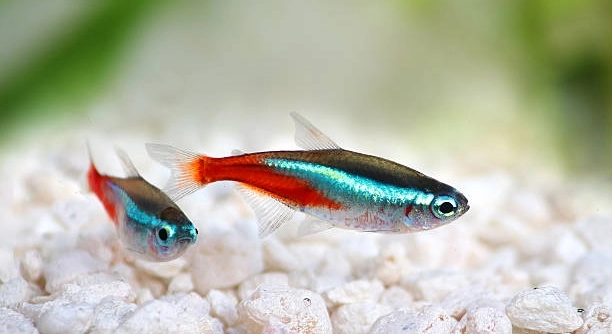
Are your Neon Tetras feeling a bit anxious in their tank? Creating a secure environment for these tiny fish is essential for their well-being. Understanding what makes them feel safe can enhance their overall happiness and health in your aquarium.
To help your Neon Tetra feel more secure, focus on providing plenty of hiding spots, appropriate water conditions, and minimal tank stress. This will encourage natural behaviors and reduce anxiety, leading to a healthier, more content fish.
Understanding these easy steps will make a big difference in your Neon Tetra’s comfort. Keep reading to learn simple tricks that will help create a peaceful home for your fish.
Create Plenty of Hiding Spaces
Neon Tetras feel safest when they can retreat to a secure spot when they’re stressed or scared. Adding plants, rocks, or small decorations to the aquarium will give them plenty of hiding places. This allows your fish to feel protected and reduces the likelihood of them swimming frantically. If they’re constantly exposed, they may become anxious or stressed, which can affect their health.
You don’t need to overcrowd the tank with decorations, just a few well-placed pieces will do the trick. The goal is to allow them to have options for retreating when needed.
Some plants, like Java Fern or Anubias, are ideal for creating natural hideaways. These plants also help maintain a healthy environment by absorbing excess nutrients in the tank. Choosing the right plants ensures both safety and water quality for your fish.
Maintain Stable Water Conditions
Stable water conditions are critical to a Neon Tetra’s comfort. These fish thrive in slightly acidic to neutral water with temperatures between 70°F to 81°F.
Sudden changes in water temperature or pH levels can stress your fish and make them feel insecure. Invest in a good-quality thermometer and pH test kit to keep track of the conditions. A water filter will also help keep the water clean and reduce the chances of harmful fluctuations.
Regular water changes are important for maintaining consistency. A 25% water change every two weeks can make a noticeable difference in keeping the tank’s environment stable and safe.
Minimize Tank Stress
Neon Tetras are sensitive to stress. Anything that disturbs their environment, such as loud noises or aggressive tankmates, can make them uneasy. Keeping the tank quiet and calm is essential for their security.
Avoid sudden movements around the aquarium, and make sure the tank is placed in a peaceful spot in your home. Neon Tetras are small and can easily feel threatened by rapid changes in their environment. If there are any overly active fish, consider separating them to reduce the stress on your Neon Tetras.
If you notice signs of stress, such as erratic swimming or faded colors, try lowering the noise levels and creating a peaceful, calm atmosphere. Even a few small changes can make a significant difference in how your fish feel in their home.
Provide Proper Tank Size
The size of your tank plays a big role in your Neon Tetra’s sense of security. Overcrowded tanks can lead to stress, while a spacious environment allows them to swim freely and reduces tension.
A tank with a minimum of 10 gallons is ideal for a small school of Neon Tetras. They need space to move around and should not feel confined. A larger tank also provides more hiding spots and room for plants, both of which are important for their well-being.
When selecting tankmates, be sure to choose non-aggressive species that won’t compete with your Neon Tetras for space. This way, your fish can live peacefully without feeling overcrowded or threatened. The right tank size gives them room to thrive and feel secure in their environment.
Avoid Aggressive Tankmates
Aggressive fish can make your Neon Tetras feel threatened and insecure. It’s best to avoid housing them with species that are known for being territorial or nippy.
Choose peaceful, calm tankmates that won’t harass your Neon Tetras. Good options include small, non-aggressive fish that swim at different levels of the tank.
Fish like guppies or Corydoras catfish are perfect companions for Neon Tetras. They won’t compete for food or space and allow your Tetras to swim without fear. When selecting tankmates, research their behavior to ensure compatibility.
Ensure Proper Feeding
Feeding your Neon Tetras properly will help them feel secure by preventing hunger and aggression over food. Offer small, high-quality fish food that sinks easily to the bottom.
Feed them once or twice a day, making sure that any food uneaten within a few minutes is removed. Overfeeding can cause water quality issues, which, in turn, can affect your fish’s health. A balanced diet supports both physical and mental well-being, making them feel more secure in their environment.
Provide Dim Lighting
Neon Tetras are sensitive to bright lights, which can make them feel exposed and anxious. Dim lighting helps them feel more comfortable and safe.
Soft lighting also mimics their natural habitat, which is often shaded by plants or rocks. Consider using low-wattage bulbs or placing plants to naturally filter the light in your aquarium. This will create a more peaceful environment and encourage your Tetras to swim freely without feeling constantly on edge.
FAQ
Can Neon Tetras live in cold water?
No, Neon Tetras cannot live in cold water. They require a warm environment to thrive, with temperatures between 70°F and 81°F. Cold water can stress them out, slow down their metabolism, and increase the risk of disease. Always keep the water in the recommended temperature range to ensure their health.
Are Neon Tetras easy to care for?
Neon Tetras are relatively easy to care for as long as their basic needs are met. They require stable water conditions, a suitable tank size, and compatible tankmates. While they are not high-maintenance, they are sensitive to water changes and stress, so providing a stable environment is key to keeping them healthy.
Do Neon Tetras need a heater?
Yes, Neon Tetras need a heater to maintain a consistent water temperature. Because they are tropical fish, they require warm water, and a heater ensures that the temperature stays within the ideal range. Choose a reliable heater with an adjustable thermostat to keep their environment stable.
Can Neon Tetras be kept with shrimp?
Neon Tetras can generally live peacefully with shrimp, especially smaller species like Amano or Cherry Shrimp. However, it’s important to monitor their interactions, as Neon Tetras might nibble on very small or juvenile shrimp. Larger shrimp species are less likely to be bothered, as long as there are plenty of hiding spots for the shrimp.
Do Neon Tetras need a light cycle?
Yes, Neon Tetras benefit from a regular light cycle. It’s important to provide them with a day and night cycle, which mimics their natural habitat. A timer on your aquarium light can help maintain a consistent light cycle. Aim for about 10 to 12 hours of light per day, followed by a period of darkness to help them rest.
What size tank is best for Neon Tetras?
A tank of at least 10 gallons is ideal for a small school of Neon Tetras. They feel more secure when kept in groups of six or more, and a larger tank provides ample space for swimming and hiding. A 20-gallon tank is even better if you plan on keeping multiple species or a larger school of Tetras.
How can I tell if my Neon Tetras are stressed?
Stressed Neon Tetras may exhibit signs such as erratic swimming, hiding more often, or losing their color. They might also stop eating or appear more lethargic than usual. Stress can be caused by poor water conditions, unsuitable tankmates, or sudden changes in the environment. Addressing the cause of the stress promptly can help improve their well-being.
Why are my Neon Tetras not eating?
If your Neon Tetras are not eating, it could be due to water quality issues, stress, or a lack of proper food. Check your tank’s water parameters and make sure they’re within the optimal range. If everything is in order, try offering a variety of foods to stimulate their appetite. Sometimes, they may also be intimidated by more aggressive tankmates during feeding time.
Can I keep Neon Tetras with goldfish?
It’s not advisable to keep Neon Tetras with goldfish. Goldfish are cold-water fish, and their size and swimming habits can intimidate the smaller Neon Tetras. Goldfish can also eat or bully smaller fish, which would cause unnecessary stress. It’s best to house Neon Tetras with other peaceful, warm-water species.
Do Neon Tetras breed in captivity?
Neon Tetras can breed in captivity, but it can be challenging. They require specific water conditions and a separate breeding tank with fine-leaved plants for the eggs to attach to. You’ll also need to ensure that they’re in a school of at least six to eight fish, as they feel more comfortable in a group. Breeding in a community tank is rare, as other fish may eat the eggs.
What are the best plants for a Neon Tetra tank?
Neon Tetras enjoy a well-planted tank that mimics their natural habitat. Plants like Java Fern, Anubias, and Amazon Sword are great choices. These plants provide hiding spots and help maintain water quality. Floating plants can also be added to create shaded areas, making the Tetras feel more secure.
Why are my Neon Tetras swimming at the top of the tank?
If your Neon Tetras are constantly swimming at the top of the tank, it could be a sign of poor water quality, low oxygen levels, or stress. Check your filtration system to ensure it’s working properly. Adding a surface skimmer or increasing water circulation can also help improve oxygen levels and reduce this behavior.
Can Neon Tetras live with guppies?
Yes, Neon Tetras can live with guppies, as both species are peaceful and share similar water requirements. They have compatible temperaments and swim at different levels of the tank, which reduces the risk of competition. Just be sure not to overcrowd the tank, as both species need adequate space to thrive.
What should I do if my Neon Tetra has a white spot?
White spots on your Neon Tetra could indicate a parasitic infection called “Ich” or white spot disease. This common disease causes small, white cysts to appear on the fish’s body and fins. If you notice this, increase the water temperature slightly and treat the tank with an anti-Ich medication. Early treatment is crucial for preventing further spread.
Are Neon Tetras prone to any diseases?
Neon Tetras are susceptible to several diseases, including Ich, fin rot, and neon tetra disease. Keeping their environment clean and stable, maintaining good water quality, and ensuring they’re not stressed will help reduce the risk of disease. Always quarantine new fish before adding them to the tank to prevent the introduction of diseases.
Can Neon Tetras live with corydoras catfish?
Yes, Neon Tetras can live with Corydoras catfish. Both species are peaceful, bottom-dwelling fish that won’t compete for the same space or food. Corydoras help keep the bottom of the tank clean by scavenging for uneaten food, which benefits your Tetras. Make sure the tank is large enough to accommodate both species comfortably.
Why is my Neon Tetra staying at the bottom of the tank?
If your Neon Tetra is staying at the bottom of the tank, it could be a sign of illness or poor water conditions. Check the water parameters, such as temperature, pH, and ammonia levels, and perform a water change if needed. A lethargic fish can also indicate a lack of food or a potential injury.
Final Thoughts
Taking care of your Neon Tetras doesn’t need to be complicated, but it does require some attention to detail. These small, colorful fish thrive in environments that mimic their natural habitat. Providing them with a stable tank, proper water conditions, and a peaceful community will help keep them happy and healthy. The most important aspects are creating a secure environment with plenty of hiding spots, keeping the water quality high, and reducing stress from aggressive tankmates. When you focus on these areas, your Neon Tetras will flourish and show off their beautiful colors.
Remember, Neon Tetras are schooling fish, and they feel safest when they are in groups. Keeping at least six to eight Tetras will encourage natural behavior, which leads to a more secure and relaxed atmosphere. In addition to providing them with plenty of space, choosing the right tankmates is crucial. Avoid housing them with large, aggressive species that could make them feel threatened. Peaceful fish that share similar water requirements make for the best companions.
By following these simple tips, you can create a tank environment where your Neon Tetras feel comfortable and secure. Regular maintenance, such as checking water parameters, feeding properly, and performing water changes, is key to keeping them in good health. Over time, you’ll get to know your Tetras’ behavior and needs, making it easier to spot any potential issues. In the end, a little effort goes a long way in ensuring your Neon Tetras lead a long and happy life in their aquarium.

Hello,
If you enjoy the content that we create, please consider saying a "Thank You!" by leaving a tip.
Every little bit helps us continue crafting quality advice that supports the health, happiness, and well-being of pets around the world, for pets of all shapes, sizes, and species.
We really appreciate the kindness and support that you show us!