
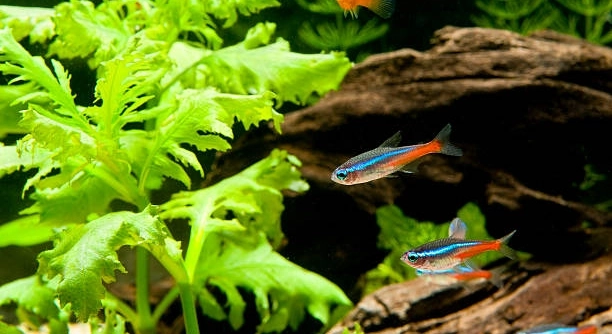
Transporting neon tetras can be tricky, especially since they are small and delicate. Ensuring their safety during the journey is crucial for their health and well-being. These steps will guide you on how to do it properly.
The best way to transport neon tetras safely involves preparing the right container, maintaining proper water conditions, and ensuring the fish are securely packed for the trip. Keeping stress levels low is essential for their survival.
Taking a few simple steps to prepare will make the journey much smoother for your fish and ensure their well-being.
Prepare the Right Container
When transporting neon tetras, using the proper container is key to their safety. A clean, plastic bag or small portable tank is a good choice. Avoid using glass as it can easily break, especially if you need to move the fish quickly. The container should be large enough for the tetras to swim comfortably but not too large, as the excess water can make it harder to maintain proper temperature and oxygen levels. Make sure the container is sealed securely to prevent leaks.
For short trips, a simple plastic bag with some water will suffice. However, for longer trips, a small portable tank with a lid is a safer option. The lid ensures the fish won’t escape, and the tank keeps the water stable.
Additionally, ensure the container has enough oxygen, especially if it’s a long trip. Consider using an oxygenator or a battery-operated pump if you’re traveling for an extended period. This will prevent the water from becoming too stagnant, keeping the fish healthy during transport.
Maintain Proper Water Conditions
The temperature and water quality are vital when transporting neon tetras. Aim for water that is the same temperature as their tank, as sudden changes can cause stress. If the trip is short, room temperature water is often fine, but for longer trips, invest in a portable water heater to maintain stability. Make sure the water is clean, as poor water quality can harm the tetras.
Test the water before transport to ensure it is safe, using a water testing kit to check for pH, ammonia, and nitrate levels.
Secure the Fish
When placing neon tetras in the container, it’s essential to handle them gently. Place them in slowly, avoiding sudden movements that could cause stress. Use a small net or your hands to transfer the fish, ensuring they remain in the water during the process.
Be sure not to overcrowd the container, as this will increase the stress on the fish and make it difficult for them to get enough oxygen. If you’re using a plastic bag, you can tie the bag loosely to create extra air space. This allows the fish to swim around comfortably and breathe freely.
Once the tetras are in the container, make sure the water is calm. Excessive water movement can frighten the fish and cause them to panic. A gentle, steady flow of water is ideal. If necessary, add a small aerator to maintain a stable environment.
Minimize Stress During the Transport
Stress is one of the biggest threats to neon tetras while being transported. The less movement and noise, the better. Keep the container in a quiet, dark place during the trip to reduce stress. Covering the container with a cloth can help keep the fish calm and prevent them from becoming disoriented.
Avoid shaking or jostling the container, and make sure it is placed securely in the car or transport area. Neon tetras are very sensitive to sudden movements, and rough handling can lead to injury or death. Keep the container stable to maintain steady water conditions.
Before moving the container, check that it is fully sealed to avoid any spills or leaks. If you’re traveling for a long period, check the water temperature every so often to ensure the conditions remain safe for the fish.
Monitor Oxygen Levels
Make sure the container has enough oxygen for the fish, especially on longer trips. A lack of oxygen can stress the neon tetras, leading to health problems. If you’re using a plastic bag, leave plenty of air space above the water.
An aerator or battery-operated oxygen pump can help maintain oxygen levels during extended travel. This ensures the water stays fresh and the fish remain active. Without proper oxygen, the fish could suffocate or become stressed.
It’s important to check that the pump is functioning properly before the trip. You don’t want it to stop working halfway through, which could lead to complications for the fish.
Keep Temperature Stable
Maintaining the proper temperature is crucial for the neon tetras. The water should be kept at a stable temperature similar to their tank, typically between 72°F and 78°F. Sudden changes can shock the fish, causing harm.
If traveling in cooler weather, consider using a portable heater or heat packs. Place the heat source outside the container to avoid direct contact with the water. Always check the temperature regularly to ensure it stays within the safe range.
Avoid exposing the fish to direct sunlight or cold drafts. These temperature fluctuations can negatively impact their health.
Avoid Overfeeding
Overfeeding your fish before transport can cause water quality issues. Neon tetras are small and don’t need much food during travel. In fact, it’s often better to avoid feeding them right before the trip.
Feeding them too much can cause waste buildup in the water, which leads to poor water quality. This increases the risk of stress or illness for the fish. If you must feed them, do so lightly a few hours before transport.
FAQ
How long can neon tetras stay in transport?
Neon tetras can typically survive for a few hours in transport if the water conditions are maintained properly. For trips lasting longer than a few hours, it’s important to have an aerator or oxygen supply to ensure the fish have enough oxygen. Without it, they may become stressed or suffocate. To be on the safe side, limit transport time to a maximum of 6-8 hours. If the trip is longer, consider making stops to check on the fish’s well-being or bringing them into a more stable environment.
Can I transport neon tetras without water?
It’s not advisable to transport neon tetras without water. These fish need water to breathe and remain hydrated. If you transport them in dry conditions, they will not survive. Always use a water-filled container that keeps the fish submerged. The water should be clean and at the same temperature as the fish’s home tank. A small plastic bag with air can work for shorter trips, but make sure the fish are not exposed to air for too long.
What temperature should the water be for transporting neon tetras?
The water temperature for neon tetras should be kept between 72°F and 78°F (22°C to 26°C). This is their ideal range, and drastic temperature changes can cause stress or even death. Use a thermometer to monitor the water temperature before and during transport. If the temperature drops too low, you can use a portable aquarium heater or heat packs to maintain a stable temperature. In hot weather, try to keep the water cool by placing the container in a shaded area.
How do I prevent my neon tetras from getting stressed during transport?
Minimizing stress is crucial for the well-being of your neon tetras. Keep the transport container in a quiet, dark place to reduce stimuli that may stress the fish. Avoid shaking or jostling the container, as sudden movements can startle the fish. If you’re using a plastic bag, make sure it’s not too tight or too loose. Ensure there’s enough air space for the fish to breathe. Also, avoid feeding the tetras just before transport to reduce waste in the water, which could lower water quality and increase stress.
Can I transport neon tetras with other fish?
It’s not recommended to transport neon tetras with other species unless they are of similar size and temperament. Neon tetras are peaceful, small fish and may become stressed or even injured if placed with larger or more aggressive fish. If you do transport them with other fish, make sure the container is large enough for all fish to swim comfortably, and ensure that there is no overcrowding, which can lead to water quality issues. Always monitor the fish for signs of stress during transport.
How should I pack the container for transport?
The container should be packed securely to avoid spilling or damage during the transport. If you are traveling by car, make sure the container is placed in a stable position where it won’t move around. Use a towel or cloth around the container to help keep it steady and insulated. If you’re using a plastic bag, ensure it is tightly sealed, but leave enough space for air. For longer trips, consider using a portable aquarium or cooler box to maintain stable conditions.
How often should I check on the neon tetras during transport?
It’s important to check on the neon tetras periodically during transport, especially for longer trips. Check that the water temperature is stable and that there is enough oxygen in the container. Look for signs of stress, such as excessive swimming, erratic movements, or an inability to swim normally. If any issues arise, try to address them quickly to avoid harm to the fish. For short trips, you can check every 30 minutes to ensure everything is going smoothly.
What should I do if my neon tetras become stressed during transport?
If you notice your neon tetras becoming stressed, first ensure the water temperature is stable and the oxygen levels are adequate. If the container is too crowded, consider moving the fish to a larger one with more space. Reducing external stimuli can also help; cover the container with a cloth to block out light and noise. Keep the container in a quiet place away from vibrations or sudden movements. Stress can be reduced by keeping the fish calm and maintaining stable water conditions.
Is it necessary to acclimate neon tetras after transport?
Yes, acclimating neon tetras after transport is essential. Once you arrive at the destination, don’t immediately release them into their new tank or environment. Float the transport container in the aquarium for 15 to 20 minutes to allow the water temperature to equalize. After that, slowly add small amounts of the tank water into the transport container to help them adjust to the water chemistry. This gradual process reduces the risk of shock from changes in pH or other water parameters.
Final Thoughts
Transporting neon tetras can seem like a tricky task, but with the right preparation, it doesn’t have to be stressful for you or the fish. Ensuring that the water conditions are stable, the temperature is controlled, and the fish have enough oxygen are some of the key steps to make the process smoother. A little care and attention go a long way in protecting their health during transit. By keeping these factors in mind, you can avoid potential problems and provide a comfortable journey for your neon tetras.
Handling neon tetras during transport requires more than just putting them in a container and moving them. It’s important to keep the container secure and stable to prevent any unwanted shaking or spills. Ensuring that the fish are kept in a calm environment with minimal movement can significantly reduce stress. The use of a small aerator or battery-operated oxygen pump is highly recommended for longer trips to keep the water oxygenated. Additionally, covering the container can help create a dark, quiet space that helps keep your tetras calm during transport.
While the task may seem straightforward, keeping your neon tetras healthy while traveling requires attention to detail. Transporting them for long distances can be challenging, but following the necessary steps can ensure that they arrive safely at their destination. By monitoring factors such as oxygen, temperature, and water quality, you help reduce stress and give your neon tetras the best chance for a smooth transition. Ultimately, with patience and preparation, transporting your neon tetras can be a simple and worry-free process.

Hello,
If you enjoy the content that we create, please consider saying a "Thank You!" by leaving a tip.
Every little bit helps us continue crafting quality advice that supports the health, happiness, and well-being of pets around the world, for pets of all shapes, sizes, and species.
We really appreciate the kindness and support that you show us!