
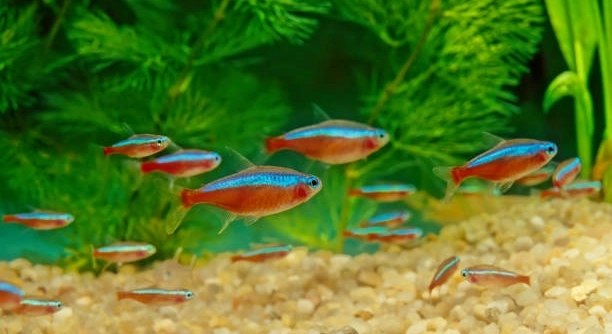
Neon Tetras are captivating and active fish that thrive in well-maintained aquariums. Encouraging their natural behavior can make your tank more vibrant. Understanding their needs will help them feel comfortable and display their most energetic traits.
Creating an environment that mimics their natural habitat is key to promoting healthy Neon Tetra behavior. Proper water conditions, tank mates, and food sources are essential factors to encourage their instinctive activities and social behaviors.
By implementing the right strategies, you can enhance the overall experience for both the fish and the observer.
Creating the Right Environment
To encourage Neon Tetra behavior, you must first focus on creating a suitable environment. These fish thrive in aquariums that replicate their natural habitat. Soft, slightly acidic water with temperatures ranging between 72-78°F works best. A well-planted tank with plenty of hiding spaces offers them a sense of security. Neon Tetras are naturally social, so having them in groups of six or more will allow them to feel comfortable and exhibit their natural behaviors. Keep the lighting low to moderate to simulate the dim conditions they would typically experience in the wild.
They are sensitive to sudden changes, so maintaining stable water parameters is crucial. An aquarium with gentle filtration will prevent water flow from becoming too strong. Choose tankmates that are peaceful and similar in size to avoid stress and aggression. This will ensure that your Neon Tetras have a stress-free environment to thrive in.
The use of live plants such as Java Moss or Anubias can help mimic the feel of their natural surroundings. They will appreciate the extra space to explore, forage, and school together. Keeping the environment consistent will promote healthy, active behavior.
Provide a Balanced Diet
Feeding is another factor in encouraging natural behavior. Neon Tetras are omnivores and need a variety of foods to stay healthy. Offer high-quality flake or pellet food that includes both plant-based and protein-rich ingredients. Supplementing their diet with live or frozen foods like brine shrimp, bloodworms, and daphnia is essential for their well-being.
This diverse diet helps maintain their energy levels, so they feel active and curious. Offering foods that resemble what they would encounter in the wild helps stimulate their natural foraging instincts. If you provide a variety of foods, your Neon Tetras will be more engaged and exhibit more natural social behaviors like schooling.
Tank Size and Space
Neon Tetras are small fish, but they still need adequate space to display natural behaviors. A tank that is too small will cause them stress and limit their movement. Aim for a tank size of at least 10 gallons for a small group. This will provide the room they need to swim and interact comfortably.
Providing a larger tank allows the fish to explore and form schools, which is an important part of their behavior. A crowded tank can make them feel threatened, reducing their natural tendencies to swim together. The extra space also allows for proper filtration and better water quality, which is crucial for their health. Make sure there is enough room for plants, hiding spots, and other decorations without overcrowding.
Keeping the water volume stable ensures the tank’s ecosystem stays balanced, preventing any disruptions that might stress the fish. A spacious tank also helps create a more visually appealing environment, allowing you to enjoy the behavior of your Neon Tetras.
Appropriate Tank Mates
Choosing the right tank mates is vital in promoting natural behavior. Neon Tetras are peaceful fish that prefer to live with other non-aggressive species. Avoid large, predatory fish that may intimidate or eat them. Peaceful species like Corydoras catfish or small, docile rasboras work well.
Having compatible tank mates encourages Neon Tetras to swim in schools, as they feel more secure in the presence of other calm fish. Aggressive species can disrupt their natural behavior and cause stress, leading to poor health. Select tank mates that have similar water and temperature requirements, as this reduces the risk of disease or incompatibility.
Fish with similar temperaments and sizes encourage Neon Tetras to display natural school behavior. They feel comfortable in groups, so avoid placing them with overly dominant fish. Keeping a peaceful tank environment will allow them to express themselves in their most natural form.
Lighting Conditions
Neon Tetras prefer dim lighting that mimics their natural environment. Bright lights can stress them out, causing them to hide more frequently. Use low or moderate lighting to allow them to feel safe while still being active and engaged in their surroundings.
A dimly lit aquarium also helps bring out the vibrant colors of Neon Tetras. It creates a more natural and calming atmosphere, encouraging them to swim and interact with their tank mates. Consider using aquarium lights with adjustable settings, so you can tailor the light to suit their needs.
Avoid placing the tank in direct sunlight, as it can cause temperature fluctuations and algae growth. Consistent, gentle lighting will promote active and natural behavior in your Neon Tetras, keeping them healthy and content.
Water Quality
Maintaining clean, well-filtered water is essential for encouraging Neon Tetra behavior. Poor water conditions can lead to stress, disease, and inactivity. Regular water changes and proper filtration are necessary to keep the water in optimal condition.
Neon Tetras are sensitive to poor water quality, especially when ammonia, nitrates, or nitrites build up. Test the water regularly to ensure it stays within the correct range, and clean the tank equipment to avoid debris buildup. A good filtration system ensures that the water stays clean and clear, promoting healthy behavior and activity.
Neon Tetras need stable water conditions to feel comfortable and active. Keep the pH levels between 6.0 and 7.0, and ensure that the water temperature remains steady between 72-78°F. This will help your fish feel safe and exhibit natural behaviors.
Tank Maintenance
Proper maintenance is crucial for keeping your Neon Tetras healthy. Regular cleaning, water testing, and equipment upkeep will help maintain a stress-free environment. A clean tank allows your fish to move around freely without the burden of poor water quality or debris buildup.
Perform routine checks on the tank’s filtration system to ensure it’s running efficiently. Clean the substrate, trim any overgrown plants, and remove any uneaten food to prevent water contamination. Staying on top of tank maintenance helps keep the water pristine, which is essential for the well-being of your Neon Tetras.
Regular maintenance also reduces the chances of algae buildup, which can affect the aesthetic and health of the tank. Maintaining a clean and balanced environment keeps your Neon Tetras active and natural in their behaviors.
FAQ
How many Neon Tetras should I keep together?
Neon Tetras are schooling fish, meaning they feel safest in groups. Ideally, you should keep at least six Neon Tetras together in your tank. A group of six or more will help them feel secure and display their natural schooling behavior. A smaller group can cause stress as they may feel vulnerable. Keeping them in larger numbers encourages their instinct to swim together, which is both natural and beneficial for their well-being. Larger groups are more active, which makes for a healthier, happier tank environment.
What size tank is best for Neon Tetras?
A minimum of a 10-gallon tank is recommended for a small group of Neon Tetras. While they are small fish, they need enough space to swim comfortably and exhibit their natural behaviors. A larger tank with more space will allow the fish to feel less stressed, have better water quality, and form schools more naturally. Overcrowding can lead to competition for space, food, and oxygen, which can result in unhealthy behaviors and stress. A 10-gallon tank provides enough room for a small group, but larger tanks are always better for long-term health.
Can I keep Neon Tetras with other species of fish?
Yes, Neon Tetras can live with other peaceful fish species. They are not aggressive and do well with smaller, non-aggressive fish like Corydoras, Rasboras, or Guppies. However, avoid keeping them with large, predatory fish that might view them as food. The ideal tank mates should be similar in size and temperament to prevent stress. It’s also important to ensure that all species in the tank have similar water temperature and pH requirements to maintain a balanced and harmonious environment.
How can I tell if my Neon Tetra is stressed?
Stress in Neon Tetras can show in several ways. If your fish are hiding more than usual, swimming erratically, or showing signs of aggression toward each other, these could be indicators of stress. Neon Tetras should swim in a school, and if they are isolated or not engaging with other fish, it’s a sign something is wrong. Additionally, if they start losing color, this can be a sign of stress. Poor water quality, inappropriate tank mates, or drastic changes in water conditions are common causes of stress. Regular water changes and maintaining a peaceful environment will help prevent these issues.
What should I feed my Neon Tetras?
Neon Tetras are omnivores, so a varied diet is important. High-quality flake or pellet food designed for small fish works well, but it should be supplemented with live or frozen foods like brine shrimp, daphnia, or bloodworms. Offering a mix of plant-based and protein-rich foods helps keep your fish healthy and active. Feeding your Neon Tetras several times a day in small portions is better than giving them one large feeding. This ensures they remain active, engage in natural foraging behavior, and are always eager to swim and interact with their surroundings.
How do I prevent Neon Tetras from getting sick?
Keeping Neon Tetras healthy starts with providing a stable environment. Ensure the water quality is always optimal, with the right pH, temperature, and filtration system in place. Regular water changes are essential to remove toxins and maintain a clean environment. Also, avoid overfeeding, as uneaten food can pollute the water and lead to health issues. Lastly, monitor your fish closely for signs of disease, such as changes in behavior, color, or appearance. If you notice any unusual symptoms, it’s important to address the issue quickly to prevent the spread of illness.
How often should I perform water changes for my Neon Tetras?
Water changes should be performed regularly to ensure good water quality. For a tank with Neon Tetras, a 20-25% water change every week is a good starting point. This helps to remove waste, excess nutrients, and prevent the buildup of harmful toxins like ammonia, nitrites, and nitrates. If you have a heavily stocked tank or notice water quality issues, you may need to do more frequent water changes. Always make sure to treat tap water with a water conditioner before adding it to the tank to remove chlorine or chloramine that can harm your fish.
Why are my Neon Tetras swimming at the top of the tank?
Neon Tetras are typically mid-water swimmers, but if you notice them swimming at the top of the tank, it could indicate a problem with water quality or oxygen levels. They may be trying to get more oxygen if the water is poorly oxygenated or if there’s a problem with the filtration system. Check the water parameters and the condition of your filtration system to ensure that the water is clean and properly oxygenated. It’s also important to check for any signs of stress, as Neon Tetras will seek the surface if they are uncomfortable or unwell.
Can Neon Tetras live in cold water?
Neon Tetras are tropical fish and require warm water to thrive. The ideal temperature range for them is between 72-78°F (22-25°C). Cold water can stress them and make them more susceptible to illness. If the water temperature drops too low, Neon Tetras may stop eating, become lethargic, or even die. It’s important to maintain a stable temperature within this range to ensure your fish stay healthy and active. A reliable aquarium heater will help maintain the correct temperature in your tank.
How do I encourage Neon Tetras to breed?
Breeding Neon Tetras in captivity can be challenging but possible with the right conditions. First, you’ll need to maintain excellent water quality and the correct temperature range (around 75°F or 24°C). A separate breeding tank is ideal to reduce stress from other fish. Provide plants like Java Moss or fine-leaved plants where the female can lay her eggs. You’ll also need to ensure a varied and nutritious diet for both the male and female to encourage spawning. Neon Tetras typically spawn in the morning, and after the eggs are laid, the parents should be removed to prevent them from eating the eggs. Keep the water slightly acidic and perform regular water changes to simulate their natural environment.
Are Neon Tetras easy to take care of?
Yes, Neon Tetras are relatively easy to care for, provided their basic needs are met. This includes proper water quality, temperature, and suitable tank mates. They are hardy fish but can be sensitive to poor water conditions, so regular maintenance is necessary. Once the environment is set up correctly, Neon Tetras are low-maintenance fish that will thrive with minimal attention. Keep their tank clean, provide a varied diet, and monitor their health, and they should do well in your aquarium for years.
Final Thoughts
Neon Tetras are beautiful and low-maintenance fish that can bring vibrant colors to any aquarium. Their peaceful nature and small size make them ideal for community tanks, as long as the environment is right. By ensuring the water is clean, the temperature is stable, and the tank mates are compatible, you can create a space where these fish will thrive. Neon Tetras, with their active schooling behavior, are not only fun to watch but also relatively easy to care for when you follow simple guidelines. Whether you’re a beginner or experienced aquarist, they make a wonderful addition to any tank.
Understanding their natural behavior, such as their preference for schooling and their sensitivity to water conditions, is essential for their well-being. Providing a group of at least six Neon Tetras and ensuring they have enough space to swim will encourage them to display their natural social behaviors. This can prevent stress and help them live longer, healthier lives. Regular water changes, a balanced diet, and a stable tank environment are key to keeping these fish happy and active. Additionally, ensuring that tank mates are peaceful and share similar environmental requirements will contribute to the overall harmony of the tank.
If you’re considering breeding Neon Tetras, it’s important to replicate their natural conditions as much as possible. A separate breeding tank, correct water parameters, and a nutritious diet are necessary to encourage spawning. With the right setup, Neon Tetras can breed successfully in captivity, adding another level of enjoyment to caring for them. Overall, Neon Tetras are a great choice for any aquarium, and with proper care, they will continue to thrive and brighten your underwater world for years to come.

Hello,
If you enjoy the content that we create, please consider saying a "Thank You!" by leaving a tip.
Every little bit helps us continue crafting quality advice that supports the health, happiness, and well-being of pets around the world, for pets of all shapes, sizes, and species.
We really appreciate the kindness and support that you show us!