
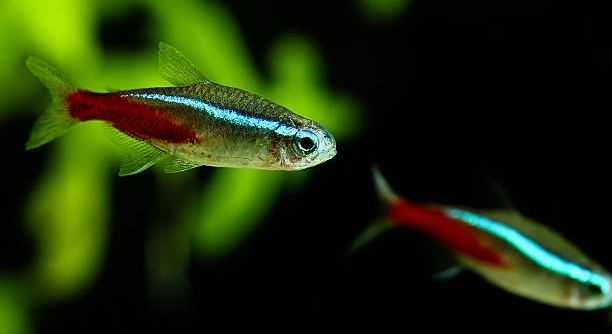
Introducing neon tetras to a new tank can be a delicate process. These tiny fish are sensitive to their environment, so it’s important to handle the transition carefully. With a few simple steps, your neon tetras can settle into their new home smoothly.
To successfully introduce neon tetras to a new tank, ensure the water conditions are stable, acclimate them slowly, and avoid sudden changes in temperature or water chemistry. Properly introducing them reduces stress and promotes long-term health.
By following these simple steps, you can help your neon tetras adjust quickly and thrive in their new environment. Keep reading to learn how to ensure a smooth transition for your fish.
Step 1: Prepare the Tank Beforehand
Before introducing neon tetras to their new home, make sure the tank is ready. Check that the water temperature is between 72°F and 80°F, and the pH level is between 6.0 and 7.0. Ensure that the filtration system is running smoothly, and the tank has been properly cycled for at least a week. This is essential to maintain water quality and avoid introducing harmful toxins to the fish. Proper tank preparation also includes having a stable environment with no sharp objects or strong water currents that could harm the delicate tetras. Make sure there are plenty of hiding spots, like plants or decorations, so they can feel safe once introduced.
Once the tank is set up, it’s important to test the water for ammonia and nitrate levels, ensuring they are at safe levels. A water testing kit can help you avoid any surprises, ensuring the water is clean and safe for the fish. Checking these things before introducing neon tetras will prevent unnecessary stress for the fish.
The right environment can make a huge difference. A well-prepared tank ensures a smoother transition for your neon tetras.
Step 2: Acclimate the Neon Tetras Slowly
When it’s time to introduce the neon tetras, don’t rush the process. Gradually acclimating them helps them adjust without sudden stress. Floating the sealed bag with the fish in the tank for 15 to 20 minutes helps them adjust to the temperature of the water. After this, slowly add small amounts of tank water into the bag over a period of about 30 minutes. This process will help them adjust to the tank’s water conditions, such as pH and hardness.
Adding them too quickly can shock their system and lead to illness or even death. Once the fish have been acclimated properly, release them gently into the tank. It’s best not to add them all at once; instead, introduce a few at a time to avoid overwhelming the environment. The slower, the better when it comes to acclimation.
Introducing them too quickly can cause stress. Make sure to acclimate them properly for a safer transition.
Step 3: Monitor the Water Quality
Keep a close eye on the water quality after introducing the neon tetras. Regularly check the pH, ammonia, nitrate, and nitrite levels to make sure they stay within safe ranges. Poor water quality can lead to stress, sickness, and even death for your fish. Keeping the water clean and stable is key to helping your tetras settle in smoothly.
Water testing should be done at least once a week. If the levels are off, perform a water change to bring the parameters back to safe levels. Make sure to use a good filtration system to help maintain the water’s cleanliness. Over time, the tank will stabilize, and water changes can be reduced, but initially, you may need to adjust more frequently.
Keeping the water clean is essential. Regular tests and maintenance will ensure a healthy environment for your neon tetras to thrive.
Step 4: Avoid Overfeeding
Feeding neon tetras properly is important to avoid overfeeding. They have small stomachs, and giving them too much food can lead to uneaten bits sinking to the bottom, causing poor water quality. Stick to feeding them small amounts once or twice a day, and only give them as much as they can consume in about 2-3 minutes.
Excess food can cause excess waste, which harms the tank environment and puts stress on the fish. Remove any leftover food promptly to avoid it decaying and affecting water quality. Feed a balanced diet of high-quality flakes or small pellets designed for neon tetras.
Avoiding overfeeding is key to keeping the tank clean. Stick to proper portion sizes and feed at regular intervals.
Step 5: Keep the Lighting Soft
Neon tetras prefer soft, subdued lighting. Bright lights can cause stress and make them hide more often. Keep the light levels low to mimic their natural habitat. You can use a dimmer light or place some plants to naturally diffuse the light and create shaded areas.
Using a gentle light source also helps keep the tank environment more peaceful. Neon tetras are sensitive to sudden changes, so maintaining a consistent lighting schedule is essential for their well-being. Try to limit light exposure to 10-12 hours a day to mimic natural day-night cycles.
A calming, low-light environment helps neon tetras feel secure and comfortable in their new tank.
Step 6: Watch for Signs of Stress
Keep an eye out for any signs of stress in your neon tetras. If they are hiding frequently, swimming erratically, or showing faded colors, it could mean they are stressed. Stress may be caused by poor water quality, aggressive tankmates, or sudden changes in their environment.
If you notice any of these signs, try to identify the source of the problem. Make sure the water conditions are ideal and check for any potential sources of aggression from other fish. Taking action quickly will help prevent long-term health issues.
Address stress signs early to ensure your neon tetras remain happy and healthy.
Step 7: Ensure Proper Tankmates
Neon tetras are peaceful fish and do best with other non-aggressive species. Avoid keeping them with larger or more aggressive fish, as they may become stressed or even injured. Ideal tankmates include other small fish that share similar water requirements.
When choosing companions, look for peaceful fish that won’t compete for space or food. Adding too many fish too quickly can also cause stress, so add tankmates gradually and observe how everyone gets along.
Properly chosen tankmates will help maintain harmony in the tank.
FAQ
How many neon tetras should I keep together?
Neon tetras are social fish and thrive in groups. Ideally, you should keep at least six to eight neon tetras together. This helps them feel secure and reduces stress, as they are naturally schooling fish. Keeping them in small numbers may cause them to feel isolated, which can lead to poor health. The more neon tetras you have, the happier and healthier they are likely to be.
What size tank do neon tetras need?
Neon tetras are small fish, but they still need space to swim. A minimum of a 10-gallon tank is recommended for a small school of neon tetras. The tank size should be large enough to provide them with plenty of swimming room and places to hide. A larger tank can help maintain stable water conditions, which is especially important when keeping multiple fish.
Can neon tetras live with other fish?
Yes, neon tetras are peaceful and do well with many other fish species, as long as those fish are not aggressive. They work well with other small, non-aggressive species like guppies, mollies, or other tetras. Avoid keeping them with larger fish or fish that might see them as food. The key is ensuring that tankmates share similar water conditions and temperaments.
Do neon tetras need a heater in their tank?
Neon tetras prefer warm water, so a heater is often necessary, especially if you live in a cooler climate. Maintaining a temperature between 72°F and 80°F is ideal. This helps mimic their natural tropical environment, keeping them comfortable and active. Always monitor the water temperature to prevent fluctuations, which can cause stress and health issues.
What do neon tetras eat?
Neon tetras are omnivores, and their diet should consist of a mix of high-quality flakes, pellets, and occasional live or frozen foods like brine shrimp, daphnia, or bloodworms. Feeding them small amounts of food two to three times a day ensures they get enough nutrients without overfeeding. Be sure to remove any uneaten food to avoid polluting the water.
Can neon tetras survive in cold water?
Neon tetras are not suited for cold water. They require temperatures between 72°F and 80°F to thrive. In cold water, they can become stressed, weaken, and be more susceptible to disease. If you live in a colder climate, it’s crucial to use a heater to keep the tank at the proper temperature year-round.
Why are my neon tetras hiding?
If your neon tetras are hiding frequently, it may be due to stress. Stress can be caused by poor water quality, aggressive tankmates, or sudden changes in the environment. Make sure the water parameters are stable and that the tank is not overcrowded. Adding hiding spots like plants or decorations can also help them feel more secure.
Do neon tetras need a filter?
Yes, a filter is essential for maintaining a healthy environment for neon tetras. A good filter helps keep the water clean by removing toxins and waste. However, make sure the filter’s current is not too strong, as neon tetras prefer calm water. A sponge filter or a low-flow filter works best for these small fish.
Can neon tetras breed in a tank?
Breeding neon tetras in a tank is possible, but it can be challenging. They need very specific conditions to breed, including a separate breeding tank, slightly acidic water, and low light. The female will lay eggs, which the male fertilizes, but the eggs must be removed quickly as the adults may eat them. If you’re interested in breeding neon tetras, research the process carefully to ensure success.
How can I tell if my neon tetras are healthy?
Healthy neon tetras will have vibrant colors, swim actively, and display no signs of injury or illness. Watch for any changes in their behavior, such as lethargy, faded colors, or loss of appetite. These can be signs of stress or disease. Additionally, check the water quality regularly, as poor water conditions can lead to health problems for your fish.
Final Thoughts
Taking care of neon tetras can be a rewarding experience when you provide them with the right environment. These small, colorful fish are easy to care for if their needs are met. A well-prepared tank, stable water conditions, and proper tankmates are key to ensuring their happiness and health. Whether you’re new to fishkeeping or experienced, neon tetras can be a beautiful addition to your tank with a little attention and care.
Maintaining good water quality is essential for neon tetras. Since they are sensitive to changes in their environment, it’s important to regularly test the water for ammonia, nitrate, and pH levels. Make sure the tank is properly cycled before introducing them, and remember that neon tetras prefer a peaceful, low-light environment. Overfeeding should also be avoided, as it can lead to water pollution and stress for the fish. Feeding them small, balanced meals will help keep them healthy and your tank clean.
Overall, neon tetras are not difficult to care for, but they do require a stable and stress-free environment. By following the right steps—such as proper acclimation, keeping the water clean, and monitoring their behavior—you can enjoy watching these tiny fish thrive in your aquarium. If you follow the guidelines and pay attention to their needs, your neon tetras will add beauty and life to your tank for a long time.

Hello,
If you enjoy the content that we create, please consider saying a "Thank You!" by leaving a tip.
Every little bit helps us continue crafting quality advice that supports the health, happiness, and well-being of pets around the world, for pets of all shapes, sizes, and species.
We really appreciate the kindness and support that you show us!