
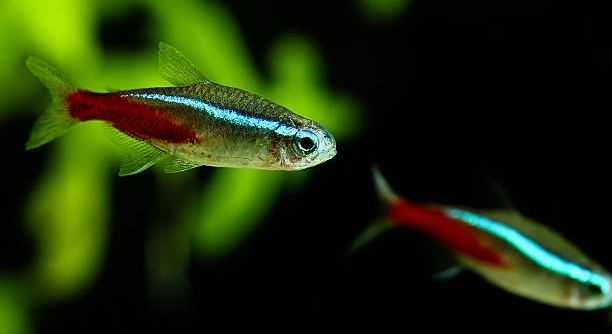
Neon Tetras are small, vibrant fish commonly kept in aquariums. However, if you notice them hovering in one spot, it could indicate an underlying issue. Understanding why they act this way can help improve their health and your aquarium’s environment.
Neon Tetras typically hover in one spot due to stress, poor water conditions, or health issues. This behavior can be triggered by inadequate filtration, improper water temperature, or aggressive tank mates. Monitoring water quality and fish behavior can prevent long-term problems.
By recognizing the signs early, you can address the root causes of their behavior. Ensuring proper care will keep your Neon Tetras healthy and active, promoting a happier aquarium environment for all.
Stress from Tank Mates
Neon Tetras can feel stressed due to the behavior of other fish in the tank. Aggressive or overly territorial fish may intimidate them, causing them to hover in one spot. Fish like larger cichlids or fin-nipping species can disrupt the calm nature of Neon Tetras. It’s essential to ensure compatible tank mates that won’t cause stress.
Stress is a major factor in your Neon Tetra’s behavior. If they feel threatened, they may remain still as a way to avoid confrontation. Introducing peaceful tank mates or rearranging your tank could reduce this issue.
To address this, consider selecting other peaceful species like other small schooling fish. Ensuring a calm, non-aggressive environment will help your Neon Tetras feel more secure and reduce stress. Additionally, making sure they have enough space to swim freely can alleviate pressure. Stress-induced behaviors may take time to correct, but with the right tank mates and environment, your Neon Tetras will thrive.
Poor Water Quality
Water quality is crucial to the health of any aquarium fish. Poor water conditions, such as high levels of ammonia or nitrites, can make your Neon Tetras uncomfortable and lead them to hover. They may struggle to breathe or feel trapped in unhealthy water. Regular testing of water parameters is essential to maintain a healthy environment.
Maintaining clean water helps ensure that your Neon Tetras are not experiencing discomfort. A proper filtration system, along with water changes, will prevent harmful toxins from building up in the tank. Keep an eye on the water’s pH, temperature, and oxygen levels.
Water quality also affects fish behavior. When water parameters are off, fish will often display signs of distress. Poor water conditions lead to a weakened immune system, making your fish more susceptible to illness. Regularly testing and maintaining proper water quality can help prevent health issues and improve the overall quality of life for your fish. Keeping the tank well-filtered and performing routine water changes will keep your Neon Tetras active and healthy.
Improper Tank Temperature
Neon Tetras are sensitive to changes in water temperature. If the temperature fluctuates or is outside their preferred range, they may hover in one spot. Ideally, the water should be between 72°F and 80°F. Consistent temperature helps keep your fish healthy and active.
If the water temperature is too low, Neon Tetras may become lethargic and hover near warmer spots in the tank. If it’s too high, they may stress and show erratic behavior. A reliable aquarium heater will maintain the appropriate temperature. Ensure the heater is working correctly and placed in a spot that evenly distributes heat.
A sudden temperature change can be just as harmful. Gradual adjustments are key to keeping the fish comfortable. Use a thermometer to monitor the temperature consistently and avoid rapid shifts. Maintaining a stable temperature will prevent Neon Tetras from retreating to one spot in the tank. Keeping the water temperature in their preferred range ensures a healthier environment.
Illness or Disease
When Neon Tetras are unwell, they often hover in one place. Fish diseases like fin rot, ich, or internal parasites can cause them to act strangely. It’s important to check for signs of illness like faded color, lesions, or clamped fins.
If you notice any of these symptoms, it’s crucial to isolate the affected fish and treat them promptly. Quarantining sick fish prevents the spread of disease to other tank members. You may need to adjust the water quality or temperature to promote recovery, depending on the illness.
If your Neon Tetra doesn’t improve, consulting an aquarium vet may be necessary. Early detection of disease will ensure proper treatment and prevent long-term issues. Be sure to maintain the cleanliness of your tank to prevent future outbreaks and keep your fish healthy. Keeping your fish in optimal conditions helps reduce the likelihood of illness affecting their behavior.
Overcrowding in the Tank
When too many fish are in one tank, Neon Tetras can feel cramped and stressed. This can cause them to hover in one spot, avoiding interaction with others. Overcrowding leads to poor water circulation and higher waste levels, making the environment less comfortable.
To reduce stress and prevent hovering, it’s important to maintain a proper fish-to-water ratio. If your tank is too small for the number of fish, consider upgrading to a larger tank or reducing the number of fish. Giving your Neon Tetras enough space allows them to swim freely and reduces anxiety.
Water Chemistry Imbalances
Neon Tetras are very sensitive to changes in water chemistry. pH levels that are too high or low can make your fish uncomfortable and lead to unusual behavior like hovering in one spot. Maintaining proper water chemistry is key to keeping them healthy.
Regular water tests are essential to ensure the pH, hardness, and alkalinity are balanced. pH levels between 6.0 and 7.5 are ideal for Neon Tetras. If the water’s chemistry is off, it may take time for the fish to adjust, causing stress and abnormal behavior.
Lack of Food
If your Neon Tetras aren’t getting enough food, they may hover in one spot while waiting for something to eat. Insufficient or poor-quality food can cause them to lose energy, leading to lethargy. Ensure they receive a balanced diet suitable for small fish.
Feeding small portions multiple times a day helps maintain their energy levels and prevents starvation. Additionally, offering a variety of foods, such as flakes and live or frozen food, can encourage more natural behavior and prevent hovering due to hunger.
FAQ
Why is my Neon Tetra swimming in circles?
Neon Tetras swimming in circles may be an indication of stress or disorientation. It can happen if the water quality is poor or if they are being harassed by other fish. Check the water parameters, including pH, ammonia levels, and temperature. If the water is within the ideal range, it may be helpful to observe the behavior of other tank mates. Sometimes, changes in the environment or introducing new fish can cause this behavior.
What does it mean if my Neon Tetra is swimming at the top of the tank?
Neon Tetras swimming at the top of the tank can signal several issues. It could be a sign that the fish is trying to find more oxygen if the tank’s water is low in oxygen. It may also indicate that the fish is stressed due to poor water conditions, like high ammonia levels. Another possibility is that they are not finding enough food at lower levels in the tank. Check the oxygen levels, water quality, and ensure that your Neon Tetras have access to food at all levels of the tank.
Can Neon Tetras survive without a filter?
Neon Tetras require clean, well-oxygenated water to thrive. Without a filter, it’s much harder to maintain the water quality. While they can survive for short periods without a filter, it’s not ideal in the long term. Without filtration, harmful toxins like ammonia and nitrites can build up quickly, leading to stress and illness. Regular water changes can help in the absence of a filter, but it’s best to provide one to keep the water clean and stable.
How often should I change the water for my Neon Tetras?
Water changes are vital for maintaining the health of your Neon Tetras. It’s recommended to change 25-30% of the water every two weeks. However, if you have a heavily stocked tank or poor filtration, you may need to do it more often. Regular water changes help keep harmful toxins in check and provide a more stable environment for your fish.
Why is my Neon Tetra staying near the bottom of the tank?
If your Neon Tetra is staying near the bottom of the tank, it could be a sign of stress, illness, or poor water quality. Neon Tetras are active swimmers and should be moving around the tank, so a bottom-dwelling behavior is often a red flag. Check the water parameters and ensure the tank conditions are appropriate. If the fish is showing other signs of illness, such as faded color or clamped fins, it may need medical treatment.
Can Neon Tetras live with bettas?
Neon Tetras can generally live with bettas if the tank is large enough and there are plenty of hiding spots. Betta fish can be aggressive, especially towards other males and fin-nipping species. However, because Neon Tetras are small and tend to stay in the mid to lower regions of the tank, they may avoid conflicts with bettas. Ensure there’s enough space, and monitor their interactions to ensure peaceful coexistence.
Do Neon Tetras need a heater?
Yes, Neon Tetras require a heater to maintain a stable water temperature between 72°F and 80°F. Fluctuations in temperature can cause stress and illness. Neon Tetras are tropical fish and need warm water to stay healthy. A reliable heater helps maintain a consistent environment, ensuring the fish thrive and reducing the risk of diseases.
How can I tell if my Neon Tetra is pregnant?
Neon Tetras are not livebearers, so they do not get pregnant. Instead, they lay eggs that are fertilized externally. If your female Neon Tetra is carrying eggs, you might notice her belly becoming slightly rounder and fuller. However, it’s difficult to tell if a female is carrying eggs unless she has been paired with a male. If you want to breed them, make sure you have a separate breeding tank to prevent the parents from eating the eggs.
How do I treat a sick Neon Tetra?
If your Neon Tetra shows signs of illness, such as faded color, clamped fins, or loss of appetite, it’s crucial to act quickly. First, isolate the sick fish in a quarantine tank to prevent the spread of disease. Depending on the symptoms, you may need to treat with medication for common fish diseases like ich or fin rot. Ensure that the water quality is optimal and provide the correct temperature for recovery. Consult an aquarium professional if symptoms persist.
Can I keep Neon Tetras with shrimp?
Neon Tetras can generally coexist with shrimp in a well-planted tank. They tend to ignore shrimp, especially if the shrimp are small and can hide in plants or decorations. However, there’s always a slight risk that the Tetras may nip at baby shrimp or small species. Be sure to provide hiding places for the shrimp and avoid overly aggressive fish in the tank.
How do I breed Neon Tetras?
Breeding Neon Tetras requires specific conditions. First, set up a separate breeding tank with soft, slightly acidic water and a temperature around 78°F. Provide dense plants or spawning mops for the fish to lay their eggs. A pair of mature fish, one male and one female, should be introduced into the tank. Once the eggs are laid, remove the parents, as they may eat the eggs. The eggs will hatch in 24-36 hours, and the fry should be fed with infusoria or liquid fry food until they are large enough to eat finely crushed flakes.
What can I feed my Neon Tetras?
Neon Tetras are omnivores and require a varied diet for optimal health. High-quality flake food or pellets designed for small fish are a good staple. Supplement their diet with occasional live or frozen foods such as brine shrimp, daphnia, or bloodworms. Make sure the food is small enough for them to consume. It’s also important to feed them in small portions several times a day to prevent overfeeding and ensure a balanced diet.
Final Thoughts
Neon Tetras are small, peaceful fish that make a great addition to many aquariums. However, like any pet, they require careful attention to their environment and care. If you notice your Neon Tetras hovering in one spot, it’s important to understand the potential causes. This behavior can be a sign of stress, poor water quality, overcrowding, or other environmental factors. Identifying the issue early is key to keeping your fish healthy and happy.
Maintaining a stable tank environment is essential. Regular water changes, proper filtration, and monitoring the water’s pH, temperature, and hardness are crucial to ensuring your fish are comfortable. Additionally, be mindful of how many fish are in the tank and the presence of other tank mates. Overcrowding or aggressive tank mates can cause stress and lead to abnormal behavior, including hovering. Keeping your tank clean, offering a balanced diet, and giving your Neon Tetras enough space will help reduce stress and promote active, natural behavior.
If you are unsure about the cause of your fish’s behavior, it’s always a good idea to consult an aquarium expert or veterinarian. While hovering in one spot is often linked to stress or poor water conditions, other health issues could also be at play. Regularly observing your fish and maintaining a healthy aquarium environment will ensure that your Neon Tetras thrive and bring joy to your aquarium for years to come.

Hello,
If you enjoy the content that we create, please consider saying a "Thank You!" by leaving a tip.
Every little bit helps us continue crafting quality advice that supports the health, happiness, and well-being of pets around the world, for pets of all shapes, sizes, and species.
We really appreciate the kindness and support that you show us!