
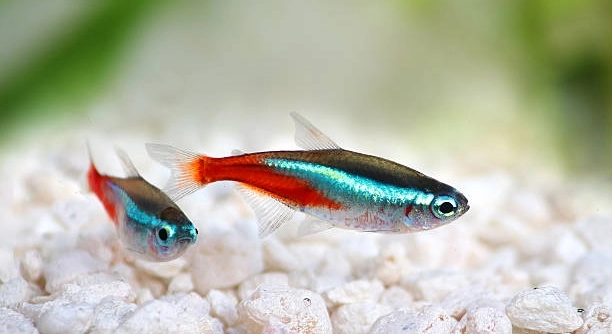
Neon Tetras are popular aquarium fish known for their bright colors and peaceful nature. However, like all fish, they can face health issues, including fin rot. Recognizing early signs can help you address the problem quickly.
Fin rot is a common bacterial infection that affects fish, including Neon Tetras. It causes the fins to fray, decay, or become discolored. Poor water quality, stress, or injuries are frequent causes of this condition. Early treatment can prevent further damage.
By understanding the symptoms of fin rot, you can take steps to improve your fish’s health and prevent the disease from spreading to others in your tank.
Signs of Fin Rot in Neon Tetras
Fin rot can be tricky to spot in the early stages, but there are a few key signs to watch for. If your Neon Tetra’s fins start to look ragged, frayed, or have black edges, it could indicate fin rot. The infection often begins at the fin tips and spreads inward, so it’s essential to check the fins regularly. Another sign is a change in behavior. If your fish becomes lethargic, hides more often, or avoids swimming, it may be struggling with an infection. Early detection is crucial, as untreated fin rot can lead to further health issues or even death.
Watch for changes in your fish’s swimming patterns or appearance. If there are any noticeable changes, such as fin deterioration or abnormal movement, take action immediately. These are the most common indicators that something is wrong.
When fin rot progresses, it can affect the body of the fish. In severe cases, Neon Tetras can lose part of their fins or tail. The tissue may appear ragged, and a white or cloudy film could cover the affected area. The fish’s overall health will decline quickly, making early intervention essential. If you notice any of these signs, it’s important to quarantine the affected fish and start treatment right away.
Causes of Fin Rot
Fin rot is most often caused by poor water quality, which provides the perfect environment for harmful bacteria to thrive. When water conditions aren’t ideal, fish become stressed, weakening their immune systems. Stress from overcrowding, fluctuating temperatures, or dirty water makes the fish more susceptible to infections, including fin rot.
To prevent fin rot, always keep your aquarium clean, with proper filtration and regular water changes. This will help maintain a stable environment, reducing the chances of bacteria growth. Proper water parameters, such as temperature and pH, are also important.
Improper care, including lack of routine tank maintenance, can quickly lead to issues like fin rot. If you neglect cleaning the tank, uneaten food, waste, and dead plant matter will accumulate, causing the water to become polluted. Poor water conditions will lead to increased bacteria levels, which can trigger infections like fin rot. Keeping your aquarium clean and ensuring the water is well-filtered are essential steps in protecting your fish from this and other diseases. Regular water testing is also important to ensure the water remains in safe parameters.
Identifying Early Signs of Fin Rot
One of the first signs of fin rot is the appearance of frayed or ragged fins. If your Neon Tetra’s fins begin to look unhealthy, this is often a clear indication that something is wrong. Early signs can be subtle, but paying attention to small changes will help prevent the disease from progressing.
The edges of the fins may appear torn or have a slight discoloration, typically turning black or brown. As fin rot progresses, the tissue will begin to deteriorate, leading to an overall loss of fin structure. These early signs are usually noticeable, but they can sometimes be mistaken for minor nicks. Checking your fish regularly for any changes will help you identify issues before they worsen. If you see these signs, take action by improving water quality and treating the tank to prevent further damage.
If left untreated, fin rot can spread and cause severe damage. The fins may begin to fray completely, making it difficult for the fish to swim. In advanced stages, pieces of the fin may fall off, leaving a jagged, uneven appearance. At this point, the fish will likely experience difficulty moving or eating. The infection can also spread to other fish in the tank, causing a larger problem. Quick action is essential for preventing irreversible damage to your fish’s fins.
Causes of Fin Rot in Neon Tetras
The most common cause of fin rot is poor water quality. If your tank has high levels of ammonia, nitrites, or nitrates, your fish are more susceptible to bacterial infections. Maintaining a clean tank is essential to reduce these harmful substances, which stress fish and lower their immune defenses.
Bacteria thrive in dirty environments, and when the water conditions are poor, they begin to attack the fins of your fish. Stress from overcrowding, fluctuating water temperatures, or inadequate filtration can also weaken your fish’s immune system, making them more vulnerable to diseases. Consistent water changes, using a good filtration system, and avoiding overfeeding can help maintain a healthy environment and prevent fin rot. Regular water testing is also necessary to ensure the levels of ammonia, nitrites, and nitrates are kept in check.
Improper tank maintenance, such as neglecting to clean the filter or removing excess waste from the tank, can contribute to poor water quality. Additionally, an unbalanced tank environment with inappropriate temperature or pH levels can further stress your fish. When Neon Tetras are stressed, their ability to fight off bacteria weakens, leaving them vulnerable to infections like fin rot. Addressing water quality issues and keeping the tank clean are crucial for preventing the development of fin rot and maintaining the overall health of your fish.
Treatment Options for Fin Rot
When treating fin rot, improving water quality is the first step. Regular water changes help remove harmful toxins and bacteria. Using a good filtration system also ensures that your tank stays clean, making it harder for infections to thrive. Keeping the water parameters stable is key to recovery.
After improving water quality, adding a broad-spectrum antibiotic or antifungal treatment to the tank can help address the infection. These treatments are available at most pet stores and should be used as directed. It’s important to quarantine the infected fish if possible to prevent the spread of the disease to other fish in the tank.
If the infection doesn’t improve after several days of treatment, consider adjusting the water temperature to help boost the fish’s immune response. Warmer water speeds up the healing process, but be cautious not to increase the temperature too much, as this can stress the fish. Make sure to closely monitor your fish’s condition, and if necessary, consult a vet or experienced aquarist for further guidance.
Preventing Fin Rot in the Future
Prevention is always better than treatment, and keeping your tank clean is the best way to avoid fin rot. Regular water changes, maintaining stable water temperature, and ensuring proper filtration are all necessary steps. Keeping the tank well-maintained reduces the chances of harmful bacteria thriving.
In addition to tank cleanliness, avoid overcrowding, which can stress your fish and make them more prone to illness. Each fish needs enough space to swim and feel comfortable. You should also limit the amount of food you give them to avoid uneaten food accumulating in the tank, which contributes to poor water quality.
When to Seek Professional Help
If you notice that your Neon Tetra’s condition continues to worsen despite treatment, it may be time to seek professional help. A vet specializing in fish can diagnose the problem more accurately and provide more advanced treatment options. Sometimes, fin rot can be caused by more than just water quality issues.
FAQ
What is fin rot in Neon Tetras?
Fin rot is a bacterial infection that affects the fins and tail of Neon Tetras. It typically begins as fraying or discoloration of the fins and can spread to the body if left untreated. Poor water quality and stress are common causes, making early detection and treatment crucial.
How do I know if my Neon Tetra has fin rot?
Signs of fin rot include frayed, discolored, or blackened fins. The fish may also appear lethargic or have trouble swimming. If the fins start to deteriorate further, they may become ragged, or parts of the fins may fall off. If you notice these signs, it’s important to act quickly.
What causes fin rot in Neon Tetras?
Fin rot is typically caused by poor water quality, including high levels of ammonia, nitrites, or nitrates. Overcrowding, improper temperature, and weak filtration can also stress your fish, making them more susceptible to infection. Regular tank maintenance and proper care help reduce the risk of fin rot.
How can I treat fin rot in my Neon Tetra?
The first step in treating fin rot is improving water quality. Regular water changes and using a good filtration system help remove toxins and bacteria. You can also use antibacterial or antifungal medications, which are available in most pet stores. Follow the instructions carefully for best results.
Can fin rot be spread to other fish in the tank?
Yes, fin rot is contagious and can spread to other fish in the tank. If one fish shows signs of fin rot, it’s a good idea to quarantine the infected fish to prevent the disease from spreading. Clean the tank thoroughly and monitor all fish closely for signs of infection.
Can I treat fin rot without isolating the infected fish?
While isolating the infected fish is the best option to prevent spreading the disease, treatment can still be effective without quarantine. However, if you choose not to isolate the fish, make sure to treat the entire tank with medication. Keep a close eye on the other fish for signs of illness.
What medications are effective for treating fin rot?
Broad-spectrum antibiotics and antifungal medications are commonly used to treat fin rot. These treatments are available at pet stores or online. Medications like copper-based treatments or formalin are also effective, but always follow the dosage instructions to avoid harming the fish or altering the water too much.
How often should I change the water when treating fin rot?
You should aim to change about 25-30% of the water every 3-4 days while treating fin rot. This helps maintain clean water and remove any excess medication that might harm the fish. Regular water changes also help ensure that the water parameters stay in the ideal range for healing.
How long does it take for fin rot to heal?
Healing time depends on the severity of the infection and how quickly you address the issue. In mild cases, you may see improvement in just a few days. For more severe cases, it can take up to a week or longer. Be patient and continue treatment until you see full recovery.
Can fin rot affect the rest of the body?
In severe cases, fin rot can spread from the fins to the body of the fish. The infection can cause lesions, skin damage, or internal infections. Early treatment is critical to prevent the infection from spreading beyond the fins and affecting the overall health of your Neon Tetra.
How can I prevent fin rot in my Neon Tetra?
Preventing fin rot starts with maintaining a clean, well-maintained tank. Perform regular water changes, use proper filtration, and test the water frequently to ensure it’s free from harmful toxins. Avoid overcrowding and make sure your fish have enough space to swim. Keeping your Neon Tetra stress-free helps prevent illness.
Is fin rot fatal for Neon Tetras?
If untreated, fin rot can be fatal for Neon Tetras. The infection can lead to severe tissue damage, making it difficult for the fish to swim or feed. However, if caught early and treated properly, most fish can recover fully. It’s essential to monitor your fish regularly for signs of illness.
What should I do if my fish doesn’t recover from fin rot?
If your Neon Tetra doesn’t show signs of improvement after several days of treatment, it may be time to consult a vet or experienced aquarist. Sometimes fin rot is a symptom of a more serious underlying issue, such as a viral infection or poor water conditions that need further addressing.
Final Thoughts
Taking care of a Neon Tetra requires attention to water quality and their overall environment. Fin rot is a common issue, but it can often be prevented with proper care. By regularly maintaining your tank and monitoring the water parameters, you can create a healthier habitat for your fish. Preventing stress, ensuring your fish have enough space, and avoiding overcrowding are all essential factors in keeping your Neon Tetras healthy. Once you notice any early signs of fin rot, quick action can help avoid more severe damage.
If your Neon Tetra does develop fin rot, remember that early intervention is key. Treating the fish with appropriate medications and improving the water conditions can lead to a full recovery. In some cases, the infection may take a few days to weeks to heal, depending on the severity. Patience is important during this time, as stressing the fish further may delay recovery. During the treatment process, be mindful of any changes in your fish’s behavior or appearance, and act quickly if conditions worsen.
In the long run, maintaining a stable and clean environment for your fish is the best way to prevent fin rot from reoccurring. Regular water changes, proper filtration, and monitoring water parameters will keep harmful bacteria at bay. By understanding the causes and treatments for fin rot, you can ensure the well-being of your Neon Tetras and enjoy their vibrant colors for years to come. Healthy, well-maintained fish contribute to a thriving aquarium, making it a more enjoyable experience for both you and your fish.

Hello,
If you enjoy the content that we create, please consider saying a "Thank You!" by leaving a tip.
Every little bit helps us continue crafting quality advice that supports the health, happiness, and well-being of pets around the world, for pets of all shapes, sizes, and species.
We really appreciate the kindness and support that you show us!