
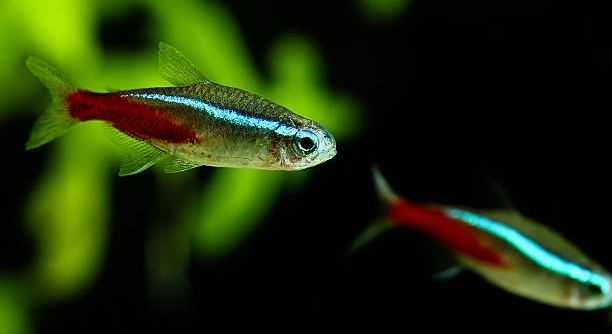
Neon Tetras are small, colorful fish that are a popular choice for many aquarium enthusiasts. While they are relatively hardy, keeping them healthy requires some attention to their care and environment.
To prevent your Neon Tetra from getting sick, ensure they are kept in a stable tank environment with appropriate water conditions, a balanced diet, and minimal stress. Regular maintenance and monitoring can help avoid common health issues.
Taking a few simple steps will help ensure your Neon Tetra thrives in its aquatic home. Understanding their needs is key to preventing illness and keeping them happy.
Maintain Stable Water Conditions
Neon Tetras are sensitive to changes in water quality, so maintaining a stable environment is crucial. Keep the water temperature between 72–80°F (22–27°C) and monitor the pH level, aiming for a range of 6.0–7.0. Ammonia, nitrites, and nitrates should all be kept at low levels. Regular water changes help maintain cleanliness and reduce the build-up of harmful substances.
The water’s hardness can also impact their health, so it’s essential to test regularly. When introducing new water to the tank, use a water conditioner to remove chlorine and other harmful chemicals.
Monitoring these factors and adjusting when needed will help prevent stress and illness in your fish. Regular water testing can also identify potential problems before they become serious. Keeping the environment clean and stable ensures that your Neon Tetras stay healthy and active.
Offer a Balanced Diet
A well-balanced diet is key for your Neon Tetra’s health. Feed them a variety of foods, including high-quality flakes, pellets, and occasional live or frozen foods like brine shrimp. This helps meet all their nutritional needs.
A varied diet supports their immune system and keeps them strong. Avoid overfeeding, as this can lead to water contamination and health problems.
Minimize Stress
Neon Tetras are sensitive to stress, which can make them more susceptible to illness. Stress can result from overcrowding, poor tank mates, or sudden changes in the tank environment. Always keep the tank population at a manageable level and avoid introducing aggressive fish.
To keep your Neon Tetra stress-free, provide hiding spots like plants and decorations. These help them feel secure. Keep the tank lighting gentle and maintain a consistent schedule for feeding and cleaning to avoid disturbing them too often.
Keeping the aquarium peaceful will allow your Neon Tetra to thrive. Their health will improve significantly when they feel safe and are not overwhelmed by environmental factors. Stress is often a hidden factor behind many health issues, so ensuring their well-being requires thoughtful tank management.
Prevent Overfeeding
Overfeeding can lead to several health problems for your Neon Tetra. Excess food left in the tank will decompose and cause ammonia spikes, which can harm your fish. Feed them only what they can consume in a few minutes.
To prevent overfeeding, develop a feeding routine and stick to it. You can also observe your Neon Tetras to see if they leave food behind after eating. Reducing the amount of food they receive can also prevent water quality issues, which indirectly protects their health.
An overfed fish may also become obese, which can cause long-term health problems. It’s essential to balance their diet and ensure they get enough but not too much. This simple change can make a big difference in their overall health.
Regular Tank Maintenance
Regular tank maintenance is crucial for keeping your Neon Tetras healthy. Perform partial water changes weekly to maintain water quality. Clean the substrate and remove debris to prevent harmful bacteria from building up.
Check your filtration system regularly to ensure it’s working properly. Clean filters and replace them when needed. Maintaining equipment will keep the water conditions stable for your fish.
A clean tank reduces the risk of diseases, parasites, and poor water quality. Your Neon Tetras will be more vibrant and active when their environment is properly cared for.
Choose Compatible Tank Mates
Tank mates can have a significant impact on your Neon Tetras’ health. Avoid aggressive species that may stress or harm them. Choose peaceful fish that share similar water requirements.
When selecting tank mates, research each species’ needs and temperament. Consider the size of the fish and whether they will compete for food or space. Peaceful fish will reduce stress, leading to healthier, happier Neon Tetras.
Monitor for Signs of Illness
Pay attention to your Neon Tetras’ behavior and appearance. Changes like faded colors, unusual swimming patterns, or loss of appetite can indicate illness. Early detection allows for quick treatment and can prevent more severe problems.
If you notice any signs, isolate the affected fish to avoid spreading any potential disease. Quick action can make a huge difference in their recovery.
FAQ
What should I do if my Neon Tetra is swimming upside down?
If your Neon Tetra is swimming upside down, this could be a sign of swim bladder disorder. It often results from overfeeding or a sudden change in water temperature. To help, ensure your tank’s water temperature is stable and feed your fish a balanced diet. Avoid overfeeding and consider fasting your fish for a day or two to allow the swim bladder to reset. If the condition persists, check the water parameters and make sure they are within the proper range for Neon Tetras.
How can I prevent Neon Tetras from getting ich?
Ich is a common parasitic infection that affects fish. To prevent it, maintain excellent water quality and ensure the tank is not overcrowded. Quarantine new fish before introducing them into your tank, as they could bring in parasites. Keeping the water temperature stable and at an appropriate level also helps reduce the risk. If an outbreak occurs, raise the water temperature gradually (within safe limits) and use an ich treatment specifically designed for aquariums.
Why are my Neon Tetras losing their color?
If your Neon Tetras are losing their vibrant colors, it could be due to stress, poor water quality, or improper diet. Stress from aggressive tank mates, too much light, or irregular water changes can cause this. Ensure that the water conditions, such as pH, temperature, and hardness, are in the ideal range. Additionally, feed your fish a varied and balanced diet, as a lack of proper nutrition can also lead to color fading. Make sure to check for any signs of disease or parasites.
How do I know if my Neon Tetra is stressed?
Signs of stress in Neon Tetras include unusual swimming patterns, hiding, or a lack of appetite. Stress can be caused by poor water conditions, incompatible tank mates, or overcrowding. Make sure your tank is large enough for the number of fish you have, and that your Neon Tetras are not being bullied by more aggressive species. Regular water changes, hiding spots, and a stable environment can help reduce stress levels. Monitor their behavior closely, and adjust the tank conditions if necessary.
What’s the ideal tank size for Neon Tetras?
The ideal tank size for Neon Tetras depends on how many fish you plan to keep. A minimum of a 10-gallon tank is recommended for a small school of Neon Tetras, with an additional 2-3 gallons per extra fish. A larger tank allows for better water quality control, reduces stress, and provides more space for swimming. Make sure the tank has proper filtration and enough plants or hiding spots for them to feel secure. The larger the tank, the better the environment for your fish to thrive.
Can Neon Tetras live with shrimp?
Yes, Neon Tetras can live with shrimp, such as ghost shrimp or cherry shrimp. However, it’s important to be cautious with the size of the shrimp, as some larger or more aggressive fish may target smaller shrimp. Neon Tetras are generally peaceful and won’t harm shrimp, but always ensure there are plenty of hiding places for the shrimp to stay safe. Keep an eye on both the shrimp and fish to ensure they are not competing for food or space.
What is the lifespan of a Neon Tetra?
The average lifespan of a Neon Tetra is around 5 years, though some may live longer with proper care. The key to a long, healthy life for your Neon Tetra is maintaining stable water conditions, feeding them a balanced diet, and keeping the tank environment stress-free. Regular monitoring of their health and water quality will help you catch any issues early, increasing their chances of living a full life.
Are Neon Tetras hardy fish?
Neon Tetras are relatively hardy when kept in proper conditions. They can adapt to a range of environments, but they are still sensitive to changes in water parameters and require stable, clean water. While they are not as fragile as other species, neglecting their care can lead to stress, disease, or premature death. Keeping their environment consistent and providing a healthy diet will help your Neon Tetras thrive.
Can Neon Tetras live with bettas?
Neon Tetras can live with bettas, but there are some precautions. Bettas are territorial and may become aggressive, especially towards fish with long, flowing fins or brightly colored bodies. Since Neon Tetras are small and peaceful, they typically don’t provoke bettas. However, it’s important to monitor the tank closely for any signs of aggression, particularly from the betta. If aggression occurs, consider separating them or adding more hiding spots to reduce stress.
Why is my Neon Tetra hiding all the time?
Hiding can be a sign that your Neon Tetra is stressed or feeling unwell. Check the water quality to make sure the pH, temperature, and hardness are within the appropriate range. Aggressive tank mates can also cause stress, so ensure your fish are in a peaceful environment. If hiding continues, observe for any physical signs of illness such as faded color, torn fins, or unusual swimming behavior. Ensure the tank has plenty of hiding spots and plants to help your fish feel secure.
Do Neon Tetras need a filter?
Yes, Neon Tetras require a filter to maintain clean, oxygenated water. A filter helps remove waste, uneaten food, and debris from the tank, keeping the water quality high and reducing the risk of disease. Choose a filter with a gentle flow, as strong currents can stress out your Neon Tetras. Make sure to clean the filter regularly and replace the filter media as needed to keep it working effectively.
How do I treat a Neon Tetra with fin rot?
Fin rot is a common disease in fish that can be caused by poor water quality or bacterial infections. To treat fin rot, begin by improving the water quality by performing a water change and adjusting the pH and temperature if needed. Use an aquarium-safe antibacterial treatment and isolate the affected fish to prevent the spread of infection. Ensure the fish has a clean, stress-free environment and avoid overfeeding. If the infection doesn’t improve, consult a veterinarian specializing in fish.
Final Thoughts
Taking care of Neon Tetras requires attention to their environment, diet, and overall well-being. These small fish are sensitive to changes in water conditions, which means it’s important to regularly test the water and make sure it stays within the ideal range. Keeping their tank clean, providing a balanced diet, and avoiding overcrowding can go a long way in preventing illnesses and promoting a healthy, vibrant fish population. Stress is a common factor that contributes to many health problems, so ensuring they have plenty of hiding spaces and peaceful tank mates is essential.
It’s also important to understand that while Neon Tetras are generally hardy, they still need care and attention. Regular water changes and proper filtration help keep their habitat clean, preventing the build-up of harmful substances. They do well in a well-maintained tank, but issues like improper feeding or unstable water conditions can quickly affect their health. A stable environment, with the right temperature, pH, and hardness, allows them to thrive and remain energetic.
In the end, preventing illness in Neon Tetras is about being proactive with their care. Early detection of any potential issues, maintaining water quality, and offering a proper diet can help your fish stay healthy. By following these steps and observing their behavior closely, you can ensure that your Neon Tetras live long, happy lives. The effort you put into their care will be reflected in the health and beauty of your aquarium.

Hello,
If you enjoy the content that we create, please consider saying a "Thank You!" by leaving a tip.
Every little bit helps us continue crafting quality advice that supports the health, happiness, and well-being of pets around the world, for pets of all shapes, sizes, and species.
We really appreciate the kindness and support that you show us!