
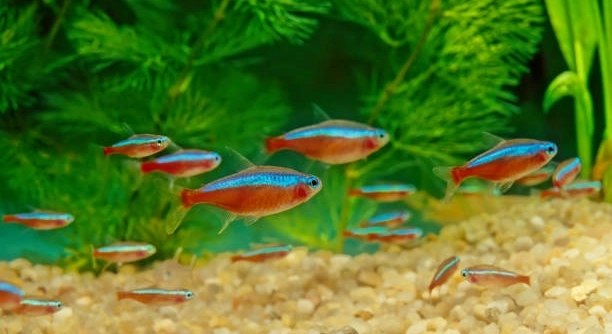
Neon Tetras are popular aquarium fish known for their vibrant colors and peaceful nature. If you’re a proud owner of these tiny swimmers, you may be wondering about their lifespan and how you can help them live longer.
Neon Tetras typically live between 5 to 10 years, depending on water quality, diet, and care. They are hardy fish, but their lifespan can be affected by various environmental factors, including tank maintenance and stress levels.
Proper care, including maintaining the right water conditions and feeding them nutritious food, is key to ensuring they thrive for as long as possible. Understanding these aspects will help you make informed decisions and improve their well-being.
What Affects the Lifespan of Neon Tetras?
The lifespan of your Neon Tetra depends on a few key factors. Water quality is one of the most important elements. If the water is clean and properly filtered, your fish will be less stressed and healthier, which can lead to a longer life. Proper water temperature and pH levels should also be maintained, as sudden changes can negatively affect their health. Overcrowding in the tank can also shorten their lifespan. Too many fish in a small space increases stress, disease, and competition for resources, all of which can impact the well-being of your Neon Tetras. Additionally, poor diet and lack of variety in their food can affect their overall health.
Neon Tetras are small fish, and they can easily get stressed when their environment is not suitable. This stress affects their immune system, making them more vulnerable to diseases. Their sensitivity to changes in water conditions is one of the main reasons that regular maintenance is essential.
The lifespan of your Neon Tetra can be significantly impacted by how often the tank is cleaned and how well it is maintained. Regular water changes and ensuring the water is free from harmful toxins can keep your fish thriving for years. Additionally, a proper feeding schedule with the right types of food will also promote a longer, healthier life for your Tetras.
How to Keep Your Neon Tetra Healthy
The right tank setup can make all the difference for your Neon Tetra.
A well-maintained tank with the correct water conditions will create a healthy environment for your fish. Invest in a quality filtration system to ensure the water remains clear, free from toxins, and rich in oxygen. Regular water changes will also help maintain the quality of the tank, reducing the buildup of harmful substances.
Temperature is another crucial factor. Neon Tetras prefer water that’s slightly warm, around 72°F to 78°F. If the temperature fluctuates too much, it could stress your fish, leading to a shorter lifespan. It’s also essential to maintain proper pH levels, which should range from 6.0 to 7.0. Any significant changes in these conditions can cause your Neon Tetra to become sick or stressed, reducing their life expectancy. A well-balanced, stable tank is vital for the health of your fish.
Proper Diet for Neon Tetras
Neon Tetras need a balanced diet to stay healthy and live longer. Their food should include high-quality flake food, as well as occasional treats like brine shrimp or daphnia. Offering a variety of food helps ensure they get all the necessary nutrients. It’s important not to overfeed them, as this can cause water pollution and health issues. Feed them small amounts twice a day, and remove any leftover food after a few minutes.
A varied diet supports their immune system and keeps them active. While flake food is a staple, supplementing with live or frozen food will provide more nutrients. Be cautious of overfeeding, as this can lead to health problems, such as bloating and poor water quality. Tetras are small fish with a delicate digestive system, so feeding them the right amount is key. Additionally, avoid feeding them food that is too large for their mouths, as they can’t digest it properly, which may affect their overall health.
Adding live or frozen food to their diet, like brine shrimp or bloodworms, can make them more active and vibrant. This also mimics their natural diet, improving their overall condition. However, ensure you’re providing enough variety to avoid nutritional deficiencies, as feeding them the same thing daily won’t cover all their needs.
Tank Maintenance for Healthy Neon Tetras
Keeping your tank clean is essential for the health of your Neon Tetras.
Regular water changes should be part of your routine to ensure good water quality. Aim for at least a 25% water change every 2 weeks, or more frequently if needed. Check the water’s parameters, such as ammonia, nitrate, and nitrite levels, to ensure they’re within safe ranges. This will help avoid toxic buildups that can harm your fish. Clean the substrate and remove any debris during water changes.
Besides cleaning, keep an eye on the filter. It should run efficiently to keep the water clear and well-oxygenated. A good filtration system prevents the buildup of waste and maintains a stable environment for your fish. Regular filter maintenance is necessary to avoid clogging and ensure it continues to function properly.
Signs of Stress in Neon Tetras
Stress can shorten the lifespan of your Neon Tetras. If you notice abnormal behavior, like hiding or staying near the surface, it may indicate stress. Other signs include faded colors or erratic swimming patterns. Stress is often caused by poor water conditions, overcrowding, or incompatible tank mates.
Watching your fish closely can help you spot these signs early. If your Tetra’s fins are clamped or they’re not schooling like usual, it’s a red flag. Stress can weaken their immune system, making them more prone to diseases. Reducing stress factors is crucial for maintaining their health and longevity.
If your Neon Tetra is showing these signs, assess the tank’s water quality and the environment. Look for any changes in their behavior and try to identify what might be causing them distress. Fixing the stressor quickly will help avoid any long-term harm.
Suitable Tank Mates for Neon Tetras
Neon Tetras are peaceful fish and do best with other calm species.
Avoid adding aggressive or overly large fish, as they can stress or even harm your Tetras. Other small, peaceful fish like Corydoras catfish or Guppies are ideal tank mates. Be mindful of the size and temperament of other fish in the tank.
The right tank mates help maintain a peaceful environment, reducing stress for your Neon Tetras. When choosing tank mates, consider the swimming habits and behavior of the species you want to add. A harmonious tank will lead to a healthier, longer life for your Tetras.
Water Parameters for Neon Tetras
Maintaining stable water conditions is essential for Neon Tetras.
The ideal water temperature should range from 72°F to 78°F. pH levels should be between 6.0 and 7.0, and hardness should be soft to moderately hard. Test the water regularly to ensure these parameters are consistent. Stability in water conditions is key.
FAQ
How long can Neon Tetras live in a tank?
Neon Tetras typically live for about 5 to 10 years in a well-maintained tank. The lifespan of these fish depends largely on water quality, diet, and overall care. Proper tank maintenance, a balanced diet, and a stress-free environment can help ensure they live to the upper end of their lifespan range.
What is the best temperature for Neon Tetras?
Neon Tetras thrive in temperatures between 72°F and 78°F. If the water temperature falls too low or gets too high, it can lead to stress and other health issues. Consistent temperature control is essential for their well-being. Use a reliable aquarium heater to maintain a stable environment.
Can Neon Tetras live with other fish?
Yes, Neon Tetras are peaceful fish and can live with other calm, non-aggressive species. They generally do well with small community fish like Corydoras catfish, Guppies, or small peaceful livebearers. Avoid larger or aggressive fish that could stress or prey on your Tetras.
Do Neon Tetras need a lot of space in a tank?
Neon Tetras don’t require a lot of space but they do best in schools of at least six or more. A 10-gallon tank is usually enough for a small school of Neon Tetras. The more space you provide, the less stressed they’ll be, and they’ll be more active and happier.
What do Neon Tetras eat?
Neon Tetras are omnivores and will eat a variety of foods. They can be fed high-quality flake food, pellets, and occasional live or frozen treats such as brine shrimp or daphnia. It’s important to feed them small amounts throughout the day to avoid overfeeding and water contamination.
How do I know if my Neon Tetra is stressed?
Signs of stress in Neon Tetras include faded colors, erratic swimming, hiding, or staying near the surface. If they’re not schooling or their fins are clamped, it’s another indicator that they may be stressed. Stress can be caused by poor water conditions, overcrowding, or incompatible tank mates.
Can I keep Neon Tetras in a cold water tank?
Neon Tetras are tropical fish and require warm water to thrive. Cold water conditions are not suitable for them. If kept in water temperatures that are too low, they may become sluggish and more susceptible to diseases. They prefer a temperature range of 72°F to 78°F, which mimics their natural habitat.
How often should I feed my Neon Tetras?
Neon Tetras should be fed small amounts two to three times a day. Overfeeding can lead to water quality issues and health problems, so be careful not to give them more than they can eat in a few minutes. Remove any leftover food promptly to prevent waste from building up.
What is the best water pH for Neon Tetras?
Neon Tetras prefer slightly acidic to neutral water with a pH between 6.0 and 7.0. If the water is too alkaline or too acidic, it can cause stress and health problems. Test the water regularly and adjust the pH if necessary, using products specifically designed for aquarium use.
How can I improve the water quality for my Neon Tetras?
To keep the water quality high for your Neon Tetras, perform regular water changes—about 25% every 2 weeks. Use a good filtration system to keep the water clean and free from toxins. Test the water parameters regularly for ammonia, nitrite, and nitrate levels to ensure they are within safe ranges.
Can Neon Tetras live in tap water?
Neon Tetras can live in tap water, but it depends on the water quality in your area. Some tap water may contain high levels of chlorine, chloramine, or other chemicals that can be harmful to your fish. Always treat tap water with a water conditioner before adding it to your tank. Test the water parameters to ensure they are safe for your Tetras.
Do Neon Tetras need a filter?
Yes, a filter is essential for maintaining clean water in your aquarium. It helps remove waste, excess food, and toxins, keeping the water clear and oxygenated. A reliable filtration system ensures that your Neon Tetras live in a healthy, stable environment, which can prolong their lifespan.
Are Neon Tetras difficult to care for?
Neon Tetras are generally considered low-maintenance fish, making them a good choice for beginners. They are hardy and adapt well to stable environments. However, they do require regular tank maintenance, water changes, and a proper diet to stay healthy. As long as their needs are met, they thrive in home aquariums.
Why are my Neon Tetras losing their color?
If your Neon Tetras are losing their color, it could be a sign of stress, poor water quality, or an inadequate diet. Stress from overcrowding, incompatible tank mates, or sudden changes in water conditions can cause their colors to fade. Ensure they are in a peaceful environment with stable water conditions and feed them a nutritious diet.
How many Neon Tetras should I keep together?
Neon Tetras are schooling fish and should be kept in groups of at least six. A small group helps reduce stress, as they feel safer and more comfortable when swimming together. The more Tetras in the tank, the better they’ll behave and interact with each other.
Can Neon Tetras live without a filter?
While Neon Tetras technically could survive without a filter, it’s not recommended. A filter helps maintain clean water by removing waste and toxins, which reduces the chances of disease and keeps the tank environment stable. Without a filter, you would need to perform more frequent water changes to keep the tank healthy.
Do Neon Tetras need a light in their tank?
Neon Tetras do not require a specific light source, but it’s essential to have some lighting to simulate a day/night cycle. A gentle aquarium light is ideal, as too much light can stress them. Ensure they have a dark period during the night to rest.
Final Thoughts
Taking care of Neon Tetras can be a rewarding experience. These small, colorful fish are relatively easy to care for, making them a great choice for both beginner and experienced aquarium owners. However, their longevity and overall health depend on providing the right environment. With the proper water conditions, diet, and tank mates, you can enjoy watching your Neon Tetras thrive for many years. Regular maintenance, such as cleaning the tank and monitoring water quality, is essential in ensuring they live a long and healthy life.
While Neon Tetras are not particularly demanding, it’s important to stay on top of their needs. This includes maintaining the right water temperature, pH levels, and ensuring they have a balanced diet. Regular feeding and careful attention to their behavior can also help you spot any potential issues early on. For example, if you notice signs of stress, such as faded colors or erratic swimming, it’s a good idea to check the water parameters and remove any stressors. Stress can have a major impact on their health, so addressing the cause quickly can help prevent serious problems.
Finally, understanding that Neon Tetras thrive in a peaceful tank with compatible tank mates is key. These fish are peaceful by nature and are best kept with other non-aggressive species. Overcrowding or having aggressive fish in the same tank can lead to stress and even injury, which will shorten their lifespan. By providing a stable and stress-free environment, you can maximize your Neon Tetras’ potential lifespan and enjoy their bright colors and graceful swimming for years to come.

Hello,
If you enjoy the content that we create, please consider saying a "Thank You!" by leaving a tip.
Every little bit helps us continue crafting quality advice that supports the health, happiness, and well-being of pets around the world, for pets of all shapes, sizes, and species.
We really appreciate the kindness and support that you show us!