
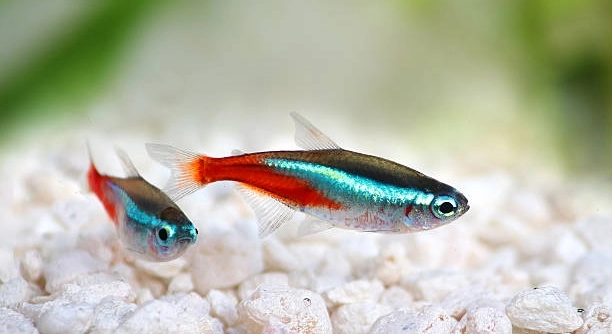
Neon Tetras are a popular choice for aquariums due to their vibrant colors and small size. However, maintaining a stable tank environment is crucial to their health and longevity. Without proper care, crashes can occur unexpectedly.
Preventing a neon tetra tank crash involves maintaining stable water conditions, avoiding overfeeding, and managing tank overcrowding. Regular water changes, monitoring temperature, and controlling pH levels are key to providing a healthy environment for these fish.
Taking simple steps to prevent crashes can help maintain a thriving tank. Ensuring proper care will keep your neon tetras healthy and your aquarium environment stable for the long term.
Keep Water Quality Stable
Water quality is essential for the health of neon tetras. Poor water conditions can lead to stress, disease, and, eventually, a tank crash. Regular water changes and consistent water testing are vital to maintaining a balanced environment. Ensure that ammonia, nitrite, and nitrate levels stay within safe limits. High levels of these chemicals can be toxic to fish, causing illness and even death. The pH level should also be closely monitored. Neon tetras thrive in slightly acidic to neutral water (pH 6.0-7.0). Without proper water care, these delicate fish can suffer.
Performing water changes once a week is important to prevent the buildup of harmful substances. Testing water parameters regularly helps catch issues before they become serious. Keeping track of your tank’s water quality should be part of routine maintenance.
Filtration plays a major role in maintaining a clean tank environment. A quality filter helps remove debris and toxins while circulating water to ensure proper oxygen levels. Proper filtration is a key element in preventing sudden tank crashes and maintaining a healthy aquatic environment.
Avoid Overfeeding
Overfeeding can quickly lead to water quality issues, as leftover food can decompose and pollute the tank.
Feeding your neon tetras small amounts of food that they can consume in 2-3 minutes is enough. Any excess food will break down and cause an increase in ammonia levels, leading to potential problems in the tank.
Control Tank Overcrowding
Overcrowding is one of the main causes of stress in neon tetras. Too many fish in a tank can lead to poor water quality and make it harder for the fish to find enough space to swim.
Limit the number of fish in your tank according to its size. Neon tetras are small, but they still require room to swim freely. Keeping too many fish can lead to aggression and a lack of oxygen. A tank that is too crowded will be harder to clean, leading to a buildup of harmful substances.
Be sure to research the proper stocking density for your tank size. Maintaining a balanced fish population will reduce stress, lower the chances of disease, and make water management much easier. Giving your tetras enough space to thrive will ensure a healthier and happier tank environment.
Maintain Consistent Temperature
Temperature swings can be very stressful for neon tetras, affecting their health and immune system. Keep the tank at a stable temperature between 72°F and 80°F.
Using a reliable aquarium heater will help prevent temperature fluctuations. Sudden changes in temperature can cause the fish to become lethargic and more susceptible to illness. Installing a thermometer to monitor the temperature is an easy way to ensure your tank remains stable.
Regularly Test Water Parameters
Testing water parameters regularly is crucial to maintaining a healthy tank. Ammonia, nitrites, and nitrates should be checked weekly to avoid dangerous levels.
Using water test kits is an easy way to monitor these parameters. Keep track of your readings and take action if levels are too high. Regular testing ensures any issues are caught early before they affect your neon tetras.
Clean Tank and Equipment Regularly
Keeping the tank clean and maintaining your equipment is essential for preventing tank crashes. Regular cleaning helps avoid excess debris and bacteria buildup.
Clean the filter, substrate, and decorations as part of your regular maintenance. This prevents dirt and organic matter from accumulating, which can negatively impact the water quality and your fish’s health.
FAQ
What should the water temperature be for neon tetras?
Neon tetras prefer a water temperature between 72°F and 80°F. Keeping the temperature stable within this range helps prevent stress and promotes their overall health. Temperature fluctuations can cause shock, making the fish more vulnerable to diseases. Use an aquarium heater with a built-in thermometer to maintain a consistent temperature.
How often should I do water changes in a neon tetra tank?
Water changes should be done once a week to keep the water quality in check. Change about 20-30% of the water during each change. This helps remove waste, excess nutrients, and toxins. Regular water changes prevent harmful chemical buildup and reduce the chances of a tank crash.
Can neon tetras live with other fish?
Yes, neon tetras can live with other peaceful fish. They are small, calm, and non-aggressive, making them compatible with similar species like guppies or Corydoras. However, avoid keeping them with aggressive or larger fish, as they may stress out or even prey on the tetras.
What are the signs of stress in neon tetras?
Signs of stress in neon tetras include fading colors, erratic swimming, or hiding. Stress can be caused by poor water quality, overcrowding, or incompatible tankmates. Pay attention to their behavior and address any environmental issues as soon as possible. Consistent care is essential for their well-being.
How can I prevent disease in my neon tetra tank?
To prevent disease, maintain stable water conditions and avoid overcrowding. Keep the tank clean and perform regular water tests. Quarantine new fish before introducing them to the tank to prevent introducing pathogens. Providing a varied diet also helps strengthen their immune system.
Do neon tetras need a filter?
Yes, neon tetras need a filter to keep the water clean and oxygenated. A filter helps remove waste and debris, maintaining the tank’s water quality. Be sure to clean the filter regularly to prevent clogging. A good filtration system is crucial for the health of your fish.
What size tank do neon tetras need?
Neon tetras require a minimum of a 10-gallon tank. While they are small, they do better in groups, so a larger tank provides more space for swimming and helps maintain stable water conditions. A tank that is too small can cause overcrowding and stress.
How many neon tetras should I keep together?
Neon tetras are schooling fish, and it’s important to keep them in groups. A minimum of six to eight neon tetras should be kept together to ensure they feel secure. A larger group will also help reduce stress and display more natural, social behaviors.
What should I feed neon tetras?
Neon tetras are omnivores and can be fed a variety of foods. A balanced diet of high-quality flakes, pellets, and occasional live or frozen foods like daphnia or brine shrimp is ideal. Make sure to feed them small portions once or twice a day, and avoid overfeeding.
Why are my neon tetras hiding?
Neon tetras may hide if they are stressed, sick, or feel unsafe in the tank. Check for any environmental issues, such as poor water quality, aggression from other fish, or sudden changes in temperature. If they continue hiding, consider adjusting the tank conditions or seeking advice from an aquarium professional.
Can I keep neon tetras with shrimp or snails?
Yes, neon tetras can live peacefully with shrimp and snails. They are not aggressive toward these creatures, and their small size allows them to coexist without issue. However, ensure that your shrimp or snails are large enough not to be seen as food by the tetras.
How long do neon tetras live?
Neon tetras typically live for 5 to 10 years when kept in optimal conditions. Proper care, including regular water changes, feeding a balanced diet, and maintaining a stable tank environment, will help them live a long, healthy life. Poor water quality and stress can shorten their lifespan.
Why are my neon tetras losing color?
Loss of color in neon tetras can be a sign of stress, poor water conditions, or illness. Check for signs of poor water quality, such as high ammonia or nitrate levels. Also, ensure that they aren’t being bullied by other fish, as this can cause stress and affect their color.
How can I improve the color of my neon tetras?
To enhance the color of neon tetras, provide a varied and nutritious diet, including high-quality flakes and occasional live foods. Proper lighting can also help bring out their vibrant colors. Ensure the tank’s water quality is optimal, as poor conditions can dull their appearance.
What tankmates are best for neon tetras?
Ideal tankmates for neon tetras include peaceful species like Corydoras catfish, guppies, and other small, non-aggressive fish. Avoid keeping them with larger, more aggressive fish that may stress or harm them. A well-matched tank environment will allow your neon tetras to thrive.
Can neon tetras breed in a home aquarium?
Yes, neon tetras can breed in a home aquarium under the right conditions. To encourage breeding, maintain soft, slightly acidic water, and provide plenty of plants or hiding spaces for the eggs. Neon tetras are egg scatterers, so you may need to separate the adults from the eggs to prevent them from eating them.
Final Thoughts
Maintaining a healthy environment for neon tetras requires consistent attention to water quality, temperature, and tank conditions. By following the basic care guidelines, such as performing regular water changes, testing the water parameters, and keeping the tank at a stable temperature, you can ensure that your neon tetras remain healthy and vibrant. They thrive in well-maintained tanks with appropriate companions, and their peaceful nature makes them a great choice for a community tank.
In addition to these basic care routines, it’s essential to monitor your neon tetras for signs of stress or illness. Keeping an eye on their behavior, such as any changes in swimming patterns or fading colors, can help you catch issues early. Stress from overcrowding, poor water quality, or incompatible tankmates can lead to health problems, so it’s important to address these factors quickly. Creating a calm and stable environment will go a long way in keeping your neon tetras happy.
Neon tetras are beautiful, resilient fish that can thrive in a properly cared-for tank. Their bright colors and peaceful demeanor make them a joy to watch and a favorite among aquarium enthusiasts. By understanding their needs and maintaining a consistent care routine, you’ll enjoy the beauty of your neon tetras for years to come.

Hello,
If you enjoy the content that we create, please consider saying a "Thank You!" by leaving a tip.
Every little bit helps us continue crafting quality advice that supports the health, happiness, and well-being of pets around the world, for pets of all shapes, sizes, and species.
We really appreciate the kindness and support that you show us!