
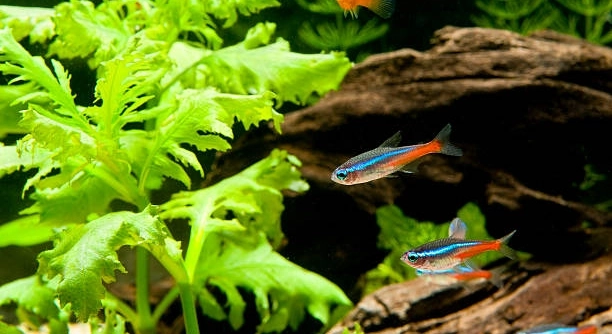
Neon Tetras are small, colorful fish that thrive in schools, making them a favorite in aquariums. They require specific care to maintain their health and happiness. Keeping a neon tetra school happy can be a rewarding experience.
To ensure a healthy and thriving neon tetra school, focus on providing a stable environment with clean water, proper tank mates, and balanced nutrition. Regular water changes, appropriate tank size, and a peaceful setting are essential for their well-being.
By following these tips, you can create a vibrant and thriving home for your neon tetra school. Keep reading for more essential advice on how to keep them happy and healthy!
1. Maintain Clean and Stable Water Conditions
Neon Tetras are sensitive to water quality, so keeping the water clean and stable is essential. Regular water changes of 20-30% every week will help maintain the right balance of minerals and remove waste. Invest in a quality filtration system to ensure constant circulation and avoid harmful buildups. Keep the water temperature between 72°F and 78°F, and monitor the pH levels to maintain a neutral to slightly acidic environment (pH 6.0 to 7.0). Avoid sudden temperature changes, as they can stress the fish. Use a thermometer and water test kits regularly to check for fluctuations.
The consistency of water conditions is vital to your neon tetras’ health. Regular water testing and adjustments are necessary to ensure optimal living conditions. Over time, you’ll learn to spot the signs of water imbalance early, ensuring your fish stay healthy.
Monitoring water parameters closely can prevent many issues, leading to a more stable and thriving school of neon tetras. Regular testing and proper care will keep your fish happy.
2. Provide the Right Tank Size
Neon Tetras are small, but they need space to swim freely. A tank of at least 10 gallons is recommended for a small school of six or more tetras. While a smaller tank can work, it may not provide the necessary space for them to thrive. A larger tank will help to maintain stable water conditions and reduce the risk of overcrowding. Keep in mind that these fish are active and enjoy swimming in groups, so the more space, the better.
A spacious tank provides room for your tetras to interact naturally, making them feel more comfortable. The extra space also helps maintain water quality by reducing waste buildup, ensuring a healthier environment. When selecting a tank, consider adding live plants and decorations that offer hiding spots, which contribute to their overall well-being.
Providing ample space is essential for a healthy neon tetra school. This simple adjustment can help reduce stress and encourage natural behaviors, leading to a happier aquarium.
3. Choose the Right Tank Mates
Neon Tetras are peaceful fish, so choosing the right tank mates is crucial. Avoid large, aggressive fish that might view your tetras as food. Instead, opt for smaller, non-aggressive species that won’t compete for resources or bully the tetras. Suitable tank mates include Corydoras catfish, small rasboras, or peaceful shrimp. Neon tetras also do well in a species-only tank, where they can feel secure without the threat of predation.
Tank mates should be chosen with care. Neon Tetras tend to stay near the middle to upper part of the tank, so avoid placing bottom-dwelling fish that may disrupt their space. Additionally, make sure the tank mates prefer similar water conditions and temperatures to ensure compatibility.
Incompatible tank mates can cause unnecessary stress and disrupt the peaceful nature of your neon tetra school. Carefully selecting companions is key to creating a stress-free and balanced aquarium.
4. Feed a Balanced Diet
Neon Tetras are small and require a varied diet to stay healthy. Offer them high-quality flake food, supplemented with frozen or live foods like brine shrimp and daphnia. Avoid overfeeding, as leftover food can pollute the water, which may lead to health problems. Feed them in small amounts twice a day.
A balanced diet helps neon tetras maintain vibrant colors and strong immune systems. Make sure to rotate their food, so they receive a wide range of nutrients. Live foods are especially beneficial as they encourage natural hunting behaviors and provide extra protein. However, make sure not to overfeed, as it can lead to digestive issues.
Feeding neon tetras a variety of food ensures they get the right nutrients to stay active and healthy. Keep their feeding routine consistent, and always remove any uneaten food after a few minutes to avoid water contamination.
5. Create a Peaceful and Stimulating Environment
Neon Tetras thrive in calm, peaceful settings. Provide a tank with gentle filtration, as strong currents can stress them out. Soft, diffused light is ideal, as bright lighting can cause discomfort. Incorporate live plants, rocks, and driftwood to mimic their natural habitat.
Creating a stimulating environment also helps reduce stress by offering hiding spots. Neon tetras prefer to feel secure, so having plants and decorations where they can retreat to when needed will make them feel safe. Consider using soft, natural-colored substrates to further replicate their environment, which can help them feel more at home.
A well-designed tank creates a peaceful, natural environment that encourages healthy and happy behavior. By offering hiding spots, you reduce their stress and help them feel secure. The right setup promotes natural behaviors and keeps them content.
6. Maintain Proper Lighting
Neon Tetras prefer dim to moderate lighting. Intense lighting can stress them out and affect their natural behavior. Use LED lights with a timer to mimic a natural day-night cycle. Keep the lighting schedule consistent, aiming for 10-12 hours of light per day.
A proper lighting setup helps reduce stress and maintain a peaceful environment for your tetras. Overexposure to light can lead to algae growth, which can negatively impact water quality. Choose low-intensity lighting and set a timer to ensure your tetras have a consistent day and night cycle.
Moderate lighting creates a calm environment that allows your neon tetras to feel safe. A regular light cycle also supports their health by mimicking their natural habitat, where day and night are predictable.
7. Keep the Tank Free from Overcrowding
Overcrowding can stress neon tetras, affecting their health and well-being. Aim for at least six tetras in a 10-gallon tank to create a stable social environment. A crowded tank leads to competition for resources, increasing stress and the likelihood of disease.
A properly stocked tank with enough space for each fish ensures they feel secure. Overcrowding can result in aggression, poor water quality, and heightened stress. Always monitor fish numbers to maintain a balance that prevents overpopulation, allowing each tetra enough space to thrive.
8. Monitor Their Health Regularly
Routine health checks are vital for preventing disease in neon tetras. Look for signs of stress, such as faded colors, lethargy, or abnormal swimming behavior. Regular water testing can help you spot potential issues before they become severe.
Ensuring that your neon tetras are healthy requires regular observation. If you notice any unusual behavior, it’s crucial to take action quickly to address potential problems. Regular maintenance of their tank and environment can prevent common issues like fin rot, dropsy, or fungal infections.
FAQ
What size tank do Neon Tetras need?
Neon Tetras should be kept in a tank that holds at least 10 gallons of water. A larger tank allows for better water quality, more space for swimming, and provides room for a healthy school of tetras. A 10-gallon tank is ideal for a small school of six or more tetras. If you plan to add other fish, consider a tank that is 20 gallons or more. Overcrowding can stress out the fish and lead to poor water conditions.
How many Neon Tetras should I keep together?
Neon Tetras are social creatures and should always be kept in schools of at least six fish. Keeping them in a school mimics their natural behavior and helps them feel secure. A small group allows them to interact with one another, reducing stress and boosting their natural colors. If you add more tetras, ensure that your tank size can accommodate them without overcrowding.
Can Neon Tetras live with other fish?
Yes, Neon Tetras can live peacefully with other fish, but it’s important to choose non-aggressive tank mates. They do well with smaller, peaceful species such as Corydoras catfish, rasboras, or peaceful shrimp. Avoid large, aggressive fish that may view the tetras as food. It’s important to ensure all tank mates prefer similar water parameters, including temperature and pH.
What should I feed my Neon Tetras?
Neon Tetras need a balanced diet to thrive. Provide high-quality flake food that is designed for small tropical fish. Supplement their diet with frozen or live foods such as brine shrimp, daphnia, or microworms. Feed them small amounts twice a day, as overfeeding can cause water quality issues. A varied diet will ensure they stay healthy and vibrant.
How often should I feed my Neon Tetras?
Feed your Neon Tetras small amounts of food two to three times per day. Ensure that they can consume all the food within 2-3 minutes to avoid overfeeding. Uneaten food can lead to poor water quality and stress. Regular feeding times help maintain a healthy feeding schedule and encourage the tetras to stay active.
What water temperature is best for Neon Tetras?
Neon Tetras thrive in temperatures ranging from 72°F to 78°F (22°C to 26°C). Keeping the water within this temperature range ensures that they remain healthy and active. Too high or too low a temperature can stress the fish and make them more vulnerable to disease. Use a reliable heater to maintain a consistent temperature in your tank.
How do I keep the water quality stable for Neon Tetras?
Regular water changes are essential to maintaining good water quality for Neon Tetras. Change 20-30% of the water every week and monitor the water parameters using a test kit. Proper filtration helps keep the water clean by removing waste and toxins. Avoid overfeeding, as uneaten food can pollute the water. Make sure the tank is not overcrowded, as this can cause the water quality to deteriorate quickly.
Do Neon Tetras need a filter?
Yes, Neon Tetras need a filter to maintain clean water. A good filter helps to remove waste and debris, keeping the water clear and free from harmful toxins. Ensure the filter’s flow is gentle, as tetras are small fish and do not thrive in strong currents. A sponge filter or a small, adjustable filter is ideal for their size.
What is the lifespan of Neon Tetras?
Neon Tetras typically live for 3-5 years, although some can live longer with proper care. Maintaining a stable environment, providing a healthy diet, and monitoring their health regularly can help extend their lifespan. Reducing stress and avoiding overcrowding are also important factors in ensuring your tetras live a long, healthy life.
How do I breed Neon Tetras?
Breeding Neon Tetras in captivity can be challenging, as they require very specific conditions. To breed them, provide a separate breeding tank with soft, acidic water (pH 5.5-6.5) and a temperature of around 75°F (24°C). Use a fine mesh for the bottom to prevent the eggs from being eaten by the parents. Once the eggs hatch, feed the fry with microscopic food like infusoria until they are large enough for regular fish food.
Are Neon Tetras susceptible to any diseases?
Neon Tetras can be prone to certain diseases, particularly if water quality is poor or if they are stressed. Common diseases include ich (white spot disease), fin rot, and fungal infections. Regular water changes, maintaining good tank hygiene, and preventing overcrowding can help reduce the risk of disease. Always monitor your tetras for signs of illness, such as faded colors or abnormal behavior, and treat them promptly if needed.
How do I know if my Neon Tetras are stressed?
Signs of stress in Neon Tetras include faded colors, abnormal swimming patterns, excessive hiding, or rubbing against tank surfaces. Stress can be caused by poor water quality, overcrowding, aggressive tank mates, or improper temperature. If you notice these signs, check the water parameters and make adjustments to create a more comfortable environment for your tetras.
Final Thoughts
Neon Tetras are beautiful, peaceful fish that can thrive in a well-maintained aquarium. They are ideal for both beginner and experienced aquarium owners because of their small size and ease of care. With the right tank size, water parameters, and social environment, your Neon Tetras can live a long and healthy life. It’s important to focus on creating a stable environment with the proper temperature, filtration, and regular water changes to ensure their well-being.
Their vibrant colors and schooling behavior make them a joy to watch, but they require attention to detail to stay healthy. Proper care, including feeding them the right food and ensuring they have enough space to swim, will help prevent stress and diseases. By keeping a balanced tank, avoiding overcrowding, and monitoring their health, you can help your Neon Tetras thrive in a peaceful community setup. Keeping an eye on their water quality and tank conditions will also help prevent common issues that might affect their health.
In conclusion, the key to keeping happy Neon Tetras is maintaining a stable, clean, and stress-free environment. By providing them with the proper care, they will not only survive but flourish, adding beauty and life to your aquarium. Whether you keep them as a solo species or as part of a community tank, following the basic guidelines for their care will ensure they live a healthy and vibrant life. Enjoy the process of caring for these beautiful fish, and they will reward you with their bright colors and active presence.

Hello,
If you enjoy the content that we create, please consider saying a "Thank You!" by leaving a tip.
Every little bit helps us continue crafting quality advice that supports the health, happiness, and well-being of pets around the world, for pets of all shapes, sizes, and species.
We really appreciate the kindness and support that you show us!