
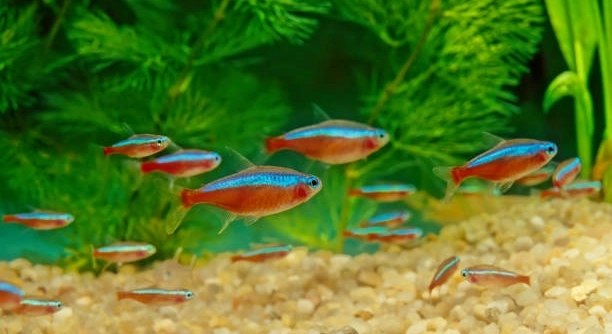
Creating the perfect environment for your Neon Tetras requires careful attention to every aspect of the tank, including substrate. The right substrate can support healthy fish and promote a balanced ecosystem.
Choosing the best substrate for your Neon Tetra tank is essential for their health and well-being. Consider options that offer both functional benefits and aesthetic appeal. Substrates such as sand, gravel, or planted substrates can provide ideal conditions for these small, vibrant fish.
The right substrate plays a key role in maintaining water quality and promoting natural behaviors. Understanding the variety of options available will help you create a thriving, beautiful tank for your Neon Tetras.
Best Substrates for a Neon Tetra Tank
When choosing a substrate for a Neon Tetra tank, you should focus on its texture, size, and how it influences water quality. Neon Tetras thrive in a clean environment, so the substrate must not only be aesthetically pleasing but also functional. A good substrate helps promote healthy bacteria growth, aids in filtering the water, and provides a stable foundation for plants. Sand, fine gravel, and specially designed planted substrates are popular choices for this type of tank. A smooth substrate helps prevent damage to your Neon Tetra’s delicate fins, while the right type can create a natural environment that mimics their native habitat.
The substrate you choose also impacts how easy it is to maintain the tank. Larger pebbles can trap debris and waste, requiring more frequent cleaning. For easier care, opt for fine gravel or sand that allows water to flow freely while reducing debris buildup.
For a balanced setup, choose a combination of substrate layers, with a nutrient-rich base for plants and a clean, fine top layer. This promotes both plant health and water stability, essential for keeping your Neon Tetras happy and healthy.
Sand Substrate
Sand is a popular choice for many fish tanks, including those with Neon Tetras. It’s fine enough to prevent injury to their fins but still offers a solid foundation for plants. Many types of sand are available, such as aquarium-grade silica or mineral sands. These substrates don’t compact too tightly, allowing water to flow through and prevent the growth of harmful bacteria. A well-maintained sand substrate also encourages natural behaviors, like burrowing, that can help your Neon Tetras feel more at home in their tank.
The downside of sand is that it may require more frequent cleaning compared to gravel. Sand can be harder to vacuum, and uneaten food or waste may settle on top. However, with proper maintenance and regular water changes, sand can offer a visually appealing and practical solution.
Gravel Substrate
Gravel is another common substrate choice for Neon Tetra tanks. It’s easy to work with, offers a wide range of textures, and comes in different colors to enhance the tank’s appearance. The size of the gravel is key—medium to fine gravel is ideal for Neon Tetras.
The benefits of gravel are clear. It allows water to flow freely, ensuring proper filtration and helping maintain water quality. Gravel also provides a good surface for beneficial bacteria to grow, which is essential for breaking down waste and maintaining a stable ecosystem. However, larger gravel may trap uneaten food and waste, which requires regular cleaning.
One drawback of gravel is that it doesn’t hold nutrients as well as specialized planted substrates. If you plan to keep live plants, you may need to supplement with root tabs to provide adequate nutrients for growth. With the right care, gravel can be a great choice for a clean, functional tank.
Planted Substrates
Planted substrates are designed specifically for aquariums that include live plants. They’re often rich in nutrients that help support plant growth and provide a natural habitat for fish like Neon Tetras. These substrates can be a bit pricier, but they’re worth it if you plan to incorporate plants in your tank.
The main benefit of planted substrates is their ability to support plant roots while providing a safe, stable environment for fish. They contain essential minerals and nutrients that plants need to thrive. In turn, healthy plants improve water quality by absorbing excess nutrients and providing shelter and hiding spots for your Neon Tetras. These types of substrates also encourage natural behavior, which makes for a more comfortable environment for your fish.
Planted substrates can sometimes require a bit more upkeep. They may need to be replenished over time to keep the plants healthy. If you don’t have live plants in your tank, this substrate may not be necessary. However, for those looking to create a lush, vibrant tank, it can be a great investment.
Eco-Complete Substrate
Eco-Complete is a popular choice for those with planted tanks. It’s an all-in-one substrate that’s packed with nutrients, ideal for supporting plant roots and promoting healthy growth. This substrate also helps maintain water quality, making it a good option for Neon Tetras.
Eco-Complete has the advantage of being ready to use right out of the bag, which simplifies setup. It contains a mixture of minerals, trace elements, and organic matter, providing a nutrient-rich environment for plants. For Neon Tetras, it helps create a stable ecosystem where both plants and fish thrive.
While Eco-Complete is great for planted tanks, it’s not always necessary if you don’t plan on adding live plants. It may also be more expensive than basic gravel or sand. Still, for planted tank setups, it offers excellent long-term benefits.
Fluorite Substrate
Fluorite is a clay-based substrate that’s rich in iron, perfect for promoting plant growth in a planted tank. It’s a slightly heavier substrate than gravel or sand and is known for its ability to retain nutrients, making it ideal for aquatic plants.
Fluorite can help plants absorb the necessary nutrients from the substrate, which means they can thrive without additional fertilizers. It’s particularly beneficial for plants with roots that need access to iron, like red plants. Fluorite’s dark color also enhances the vibrant colors of your Neon Tetras.
Fluorite is an excellent substrate for aquariums that focus on plant health. It requires no special preparation before use and works well with other substrates to create a balanced setup. The only downside is that it can be a bit heavy, so it may not be the best choice for tanks with a delicate filtration system.
Lava Rock Substrate
Lava rock substrate is an excellent choice for those looking to add a natural look to their tank. Its porous texture provides a great surface area for beneficial bacteria to colonize, helping to maintain water quality. Neon Tetras benefit from its ability to promote a balanced ecosystem.
FAQ
What is the best substrate for Neon Tetras?
The best substrate for Neon Tetras depends on your tank setup. For a tank with live plants, a nutrient-rich substrate like Eco-Complete or Fluorite is ideal. These substrates provide essential nutrients that promote plant health while supporting water quality. If you prefer a low-maintenance setup, fine gravel or sand are good alternatives. They create a natural environment for Neon Tetras and allow for easy maintenance. Keep in mind, smooth textures are better to avoid harming your fish’s delicate fins.
Can I use sand in my Neon Tetra tank?
Yes, sand can be used in a Neon Tetra tank. It’s soft and smooth, so it won’t harm the fish. Sand is also easy to maintain as it allows water to flow freely through it, reducing waste buildup. However, it can be difficult to vacuum, and uneaten food may sit on top, requiring more frequent cleaning. You can use fine sand to ensure the tank looks clean and natural while providing a comfortable environment for your fish.
Do Neon Tetras need a planted tank?
Neon Tetras don’t necessarily need a planted tank, but they thrive in one. Live plants help improve water quality by absorbing excess nutrients and creating a more natural environment. Plants also offer hiding spots for Neon Tetras, which can help reduce stress and mimic their natural habitat. While live plants are not a must, they certainly contribute to a healthier and more visually appealing tank.
Can I mix different types of substrates in one tank?
Yes, you can mix different types of substrates in your tank. Many hobbyists choose to combine nutrient-rich substrates with a layer of gravel or sand on top. This approach allows you to enjoy the benefits of both. The nutrient substrate supports plant growth, while the top layer makes the tank easier to maintain. Just ensure the mix doesn’t create sharp edges or disrupt water flow.
How often should I clean my substrate?
Cleaning your substrate depends on the type you choose and the tank’s needs. Generally, sand requires more frequent maintenance because debris tends to sit on top. Gravel and other porous substrates may require less frequent cleaning, but you should still vacuum the substrate during regular water changes to remove any trapped waste. A good rule of thumb is to clean the substrate every 2-3 weeks, but more or less frequent cleaning may be needed depending on your tank’s setup.
Can I use gravel for a planted tank?
Gravel can be used in a planted tank, but it may not be as effective as other substrates like Eco-Complete or Fluorite, which are specially designed for plant growth. Gravel can support some plant species if you use root tabs to provide extra nutrients. However, for more demanding plants, a planted substrate would be a better choice since it provides the nutrients necessary for strong, healthy root development.
What is the difference between sand and gravel for a Neon Tetra tank?
The main difference between sand and gravel is texture. Sand is much finer and softer, which reduces the risk of damaging your fish’s fins. It also promotes water flow and creates a more natural look for your tank. However, it’s more prone to trapping debris, requiring more frequent cleaning. Gravel, on the other hand, provides a solid surface for beneficial bacteria to grow and allows for better filtration, but it may have sharp edges that could harm your fish. It’s also easier to clean than sand.
Can I use clay substrates in my Neon Tetra tank?
Clay substrates, like Fluorite, can be a great option for Neon Tetras, especially if you have live plants. Clay substrates are nutrient-dense, promoting plant health and supporting a balanced ecosystem. The iron content in clay substrates is especially beneficial for plants, helping them thrive. While clay substrates are beneficial for plants, they can be a bit heavier and more challenging to clean compared to sand or gravel. If you have a delicate filtration system, consider how the substrate might affect water flow.
Should I use a substrate heater for my Neon Tetra tank?
Substrate heaters can be useful if you have live plants in your tank, as they help keep the roots warm and promote better nutrient uptake. Neon Tetras don’t require a substrate heater, but if you’re aiming for lush plant growth, a heater can support that. However, if your tank has delicate plants or a lot of decorations, be careful when using a substrate heater, as it can alter the water temperature too much. Always monitor your tank’s temperature to avoid stressing your fish.
What is the best way to add nutrients to my substrate?
If you have a nutrient-poor substrate like gravel or sand, adding root tabs is the most efficient way to supply nutrients to your plants. These tabs are placed directly into the substrate, providing a steady source of nutrients. If you’re using a planted substrate, it should already contain the necessary nutrients. Regular water changes also help keep the nutrient levels in check, so your plants and fish remain healthy.
How can I prevent debris from building up in my tank substrate?
To prevent debris from building up in your substrate, consider using a fine mesh net during feedings to catch any uneaten food. You can also vacuum the substrate regularly to remove waste and debris. Adding live plants can help reduce excess nutrients in the water, which also minimizes the amount of debris. Ensure your filter is running effectively, as it will help with debris removal as well.
Is it safe to use colorful substrates in a Neon Tetra tank?
Colorful substrates can be safe for your Neon Tetra tank as long as they are non-toxic and aquarium-safe. Some brightly colored substrates are made from synthetic materials, while others are natural stones. Just ensure that the substrate you choose doesn’t affect water quality or pose a risk to your fish. Neon Tetras are known for their vibrant colors, and a more natural, subdued substrate may help make them stand out. However, colorful substrates can add a unique touch to your tank’s aesthetic.
Do I need to cycle the tank after adding new substrate?
Yes, it’s a good idea to cycle the tank again after adding new substrate. The introduction of fresh substrate can disturb the existing biological filter, potentially affecting the tank’s nitrogen cycle. Cycling the tank will allow beneficial bacteria to establish and help avoid spikes in ammonia or nitrite. This ensures a safe environment for your Neon Tetras. You may also need to monitor water parameters closely after adding new substrate, especially if it’s a nutrient-rich type like Eco-Complete.
Final Thoughts
Choosing the right substrate for your Neon Tetra tank is an important decision that can impact both the health of your fish and the overall aesthetics of your tank. While there are many options available, the ideal substrate depends on several factors, such as whether you have live plants, the ease of maintenance you prefer, and the needs of your Neon Tetras. Sand, gravel, and nutrient-rich substrates like Eco-Complete all offer different benefits. It’s essential to understand these differences to make the best choice for your aquarium setup.
If you’re looking for a low-maintenance setup, fine gravel or sand is a simple solution. These substrates don’t require much upkeep and help maintain a clean tank environment. However, they may not provide the same benefits as a nutrient-rich substrate for plant growth. If you have live plants, you might want to consider a substrate specifically designed to support plant roots, such as Fluorite or Aqua Soil. These will help plants thrive while also contributing to the overall health of your tank. A planted tank creates a natural environment for your Neon Tetras, offering hiding spots and promoting a healthy ecosystem.
In the end, it’s about balancing the needs of your Neon Tetras, plants, and the overall aesthetic you want to achieve. There’s no one-size-fits-all solution, but by understanding the different types of substrates available, you can make an informed decision that benefits your tank in the long run. Regular maintenance, such as vacuuming the substrate and monitoring water quality, will also help ensure that your aquarium stays healthy. Consider your priorities, whether it’s supporting plant growth, ease of cleaning, or creating a natural look, and choose a substrate that works best for your Neon Tetra tank.

Hello,
If you enjoy the content that we create, please consider saying a "Thank You!" by leaving a tip.
Every little bit helps us continue crafting quality advice that supports the health, happiness, and well-being of pets around the world, for pets of all shapes, sizes, and species.
We really appreciate the kindness and support that you show us!