
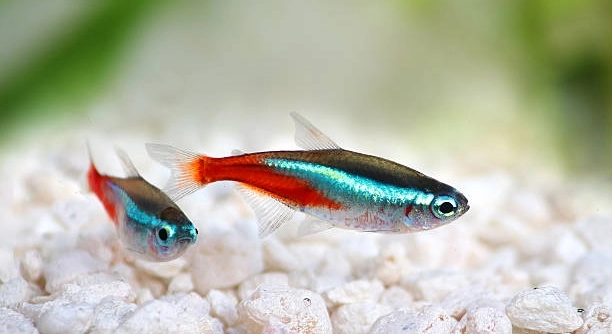
Neon Tetras are popular aquarium fish known for their vibrant colors and active behavior. However, sometimes they don’t form the tight schools we expect. Understanding the reasons behind this behavior can help you create a healthier environment for them.
There are several factors that may cause your Neon Tetras to avoid forming tight schools. These include stress, water quality issues, improper tank size, and even their social dynamics. Identifying the root cause can improve their schooling behavior.
By examining these factors, you’ll be able to make adjustments that promote a healthier and more natural schooling behavior for your Neon Tetras. Let’s explore the reasons behind this behavior and how you can encourage a stronger school.
Stress and Anxiety Can Affect Schooling Behavior
Stress is one of the most common reasons Neon Tetras don’t form tight schools. Fish can get stressed by several factors, such as aggressive tank mates, sudden changes in water temperature, or loud noises around the aquarium. When stressed, Neon Tetras may feel insecure, causing them to separate and hide rather than swim together.
Fish are sensitive to environmental changes, so it’s important to keep their surroundings as stable and calm as possible. Stress also weakens their immune system, making them more susceptible to illness. It’s key to reduce stressors and monitor their behavior closely.
If the water temperature fluctuates, or if the lighting in the room changes drastically, your Tetras may be reacting to that. A consistent environment, both in terms of water parameters and peace in the tank, can make a noticeable difference in how well your Tetras school. Keeping their space stress-free will encourage them to form a closer-knit group.
Poor Water Quality Can Discourage Tight Schooling
The water quality in your tank plays a big role in your Neon Tetras’ behavior. Dirty water or improper levels of pH, ammonia, or nitrates can lead to discomfort. Poor water conditions make Tetras more likely to scatter.
Neon Tetras thrive in clean, well-maintained water. When the water is not right, they may feel unsafe and reluctant to stay close to each other. Regular water changes and checking for any harmful chemicals will keep your Tetras happy. Good filtration systems can help maintain water quality. Clean water promotes their natural schooling behavior, so make sure the tank environment is always healthy.
Tank Size and Space Limitations
If your tank is too small, it can prevent your Neon Tetras from feeling comfortable enough to school. A cramped space makes it difficult for them to swim freely, leading them to scatter instead of sticking together.
Neon Tetras require plenty of room to swim and move around. A crowded tank with limited space can result in stressed fish, causing them to swim erratically and avoid forming a tight school. For a group of Neon Tetras, a 20-gallon tank is often the minimum recommended size. Larger tanks allow them to feel safe and engage in more natural behavior.
In a larger tank, Neon Tetras have more room to swim in a group without feeling restricted. They will likely form tighter schools as they feel more comfortable in the environment. Making sure your tank is spacious enough is crucial for promoting schooling behavior. Providing them with enough space will encourage your Tetras to stay together and act more naturally.
Social Dynamics and Fish Behavior
Just like humans, fish have their own personalities, and some may not feel the need to stay in a tight school. Neon Tetras may form looser groups if their social dynamics aren’t ideal. Sometimes, individual Tetras simply prefer to explore on their own.
In a school of Neon Tetras, there are dominant and submissive fish. If there are too many dominant ones, the group might split up, with each fish claiming its own space in the tank. This can cause the tight school to break apart. To prevent this, it’s important to have a balanced group of Tetras, where no single fish feels the need to take charge and separate itself.
Fish behavior can change over time as they grow or become more comfortable in the tank. Over time, your Tetras may begin to form stronger bonds with one another, especially if they are kept in an ideal environment. Observing their behavior can give you insight into how their social dynamics are evolving.
Inconsistent Feeding
Feeding habits can affect the behavior of your Neon Tetras. If they are not fed consistently, they may become more scattered and less likely to school together.
Neon Tetras are small fish and rely on regular feeding to maintain energy and health. When feeding times are irregular or food is scarce, they may become more anxious and less inclined to stay in a tight group. Establishing a reliable feeding schedule can help them feel more secure and encourage tighter schools.
Lighting and Tank Setup
The lighting in your tank can influence how your Neon Tetras behave. Bright, intense lights might cause them to scatter rather than swim together.
Neon Tetras prefer softer, dimmer lighting as it mimics their natural habitat. Bright lights can cause stress and discomfort, leading them to spread out or hide in darker areas of the tank. Consider adjusting the lighting to create a more relaxed atmosphere. You can also add plants or decorations for hiding spots, which help them feel more secure while still encouraging school formation.
Water Temperature Variations
Temperature changes can be unsettling for your Neon Tetras. If the water fluctuates too much, it can cause them to scatter.
Neon Tetras thrive in stable water temperatures between 72°F and 78°F. Drastic temperature shifts can make them uncomfortable, and they may avoid schooling. Using a reliable heater and thermometer ensures that the water stays within this ideal range, promoting better group behavior.
FAQ
Why do my Neon Tetras swim in pairs instead of a school?
Neon Tetras are social fish, but their behavior can be influenced by a variety of factors. If you notice your Tetras swimming in pairs, it could be due to the social dynamics in your tank. Some Tetras may form bonds with specific tank mates, which can lead them to swim in pairs. Another reason could be stress or environmental factors that make them feel more secure with a companion. A stable tank environment with consistent water quality, space, and proper lighting can help encourage them to form a tighter school.
Can Neon Tetras school if there are too few of them?
Neon Tetras naturally school in groups, and they feel safer and more confident in larger numbers. If you only have a small group, such as two or three, they may not feel comfortable enough to school tightly. It’s recommended to have at least six to eight Neon Tetras to encourage natural schooling behavior. With a larger group, they are more likely to stick together, creating the tight school you’re looking for.
Do male and female Neon Tetras school differently?
There is no significant difference between how male and female Neon Tetras school. Both sexes will typically school together as long as they feel comfortable. However, sometimes, males may appear more active or dominant, leading to some separation within the school. In a well-balanced tank with a mix of males and females, you should still see them forming a tight school.
How long does it take for Neon Tetras to form a tight school?
The time it takes for Neon Tetras to form a tight school can vary depending on several factors, including their age, tank size, water quality, and social dynamics. In ideal conditions, it could take anywhere from a few days to a couple of weeks for them to start schooling tightly. Ensuring that your tank is set up correctly and that the Tetras are comfortable will help speed up this process.
Can Neon Tetras school with other fish species?
While Neon Tetras are known for schooling with their own kind, they can sometimes school with other peaceful fish species. However, the group may not be as tightly-knit as a school of only Neon Tetras. In a community tank, you can have Neon Tetras schooling alongside other small, peaceful fish, such as other types of tetras or Rasboras, but it’s important that all fish are similar in size and temperament to avoid aggression that could disrupt schooling behavior.
What should I do if my Neon Tetras aren’t schooling?
If your Neon Tetras aren’t schooling, it’s important to address the potential causes. Check the water quality, tank size, and whether there are any sources of stress, like aggressive tank mates or improper lighting. Also, consider whether there are enough Neon Tetras in the tank to promote natural schooling. Ensuring that these conditions are ideal should encourage them to form a tighter school.
Can poor water quality cause my Neon Tetras to scatter?
Yes, poor water quality is one of the main reasons why your Neon Tetras may not school properly. When water conditions are not ideal, Tetras may feel unsafe and avoid swimming close together. High levels of ammonia, nitrites, or nitrates can cause them to scatter, as can fluctuations in water temperature. Regular water changes, proper filtration, and monitoring water parameters are essential to maintain a healthy tank that encourages schooling behavior.
Is it normal for Neon Tetras to break up into small groups?
It’s normal for Neon Tetras to break up into small groups, especially if they’re feeling stressed or uncomfortable in their environment. They tend to break into smaller groups or even scatter when they are unsure of their surroundings or if they feel threatened. This behavior should subside as long as the tank conditions are favorable and they are in a sufficiently large group.
How can I reduce stress for my Neon Tetras?
To reduce stress for your Neon Tetras, ensure they have a calm and stable environment. Keep the water temperature consistent, avoid sudden changes in lighting, and provide hiding spots or plants where they can seek refuge. Minimize tank disturbances, such as loud noises or sudden movements. Also, avoid overcrowding and ensure that all tank mates are peaceful and compatible. A stress-free environment encourages Tetras to school more tightly.
Will Neon Tetras school better if the tank is heavily planted?
Yes, a heavily planted tank can encourage Neon Tetras to school better. Plants provide hiding spots and a more natural environment, which helps Tetras feel safe. They tend to stay closer together when they have places to hide and feel secure. Just make sure the plants don’t overcrowd the tank too much, as this could limit swimming space and cause stress. The key is to strike a balance between open swimming areas and enough plant cover.
Final Thoughts
Neon Tetras are beautiful, social fish that thrive in groups, often displaying vibrant colors when they feel secure. However, if you notice that your Tetras aren’t schooling tightly, it could be due to a variety of reasons. Stress from aggressive tank mates, poor water quality, or an overcrowded tank can all contribute to their scattered behavior. Creating a peaceful, stable environment is key to encouraging them to school. When their surroundings are calm and the water conditions are right, they are more likely to swim in a tight, coordinated group.
It’s also important to consider the social dynamics of your Tetras. Just like other fish, they have individual personalities, and some might naturally prefer to swim alone or form smaller groups. Introducing more Tetras into the tank can help, as they feel safer and more confident in larger numbers. When the right conditions are met, you’ll likely see them form a tight school. Keep in mind that these fish need plenty of space, and the more room they have to swim freely, the better they’ll behave. A 20-gallon tank is often the minimum recommended for a small school of Neon Tetras, and larger tanks can make a noticeable difference.
Lastly, remember that the health of your Tetras should always be a priority. Stress, poor water quality, and inappropriate tank conditions can impact their behavior, but they can also affect their health. Regular water changes, proper filtration, and maintaining stable water parameters will ensure your Tetras stay happy and healthy. When your Tetras are in the right environment, they will be more likely to exhibit natural behavior, such as forming a close-knit school. By paying attention to their needs and making necessary adjustments, you can enjoy watching your Neon Tetras thrive in your aquarium.

Hello,
If you enjoy the content that we create, please consider saying a "Thank You!" by leaving a tip.
Every little bit helps us continue crafting quality advice that supports the health, happiness, and well-being of pets around the world, for pets of all shapes, sizes, and species.
We really appreciate the kindness and support that you show us!