
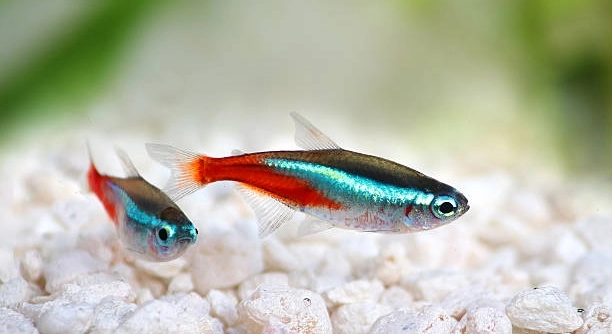
Neon Tetras are vibrant and popular fish among aquarium enthusiasts. Identifying whether your Neon Tetra is male or female can be tricky. Understanding these differences can help with breeding or simply learning more about your fish.
The primary method for distinguishing between male and female Neon Tetras is by observing their body shape and behavior. Males are typically slimmer with brighter colors, while females are rounder and often have a fuller belly, especially when carrying eggs.
Understanding the differences in appearance and behavior can help you better care for your Neon Tetras and create an environment suited to their needs.
Male and Female Neon Tetra: Key Differences in Appearance
One of the easiest ways to tell if your Neon Tetra is male or female is by looking at its body shape and coloration. Males are generally slimmer and more vibrant in color, displaying the characteristic neon blue and red bands. Females tend to have a more rounded shape, especially noticeable when they are carrying eggs. The roundness is a sign that they are mature and ready to breed. As they carry eggs, their belly becomes visibly fuller, which is a clear indicator of their gender.
Males, on the other hand, tend to stay lean and their color tends to be brighter throughout. If you observe your fish for a while, you will likely see these visual cues.
It’s important to note that the differences in shape and color might not always be obvious, especially in younger fish. Juvenile Neon Tetras may look similar in shape and size until they mature. Pay attention to how the fish behaves, as males will often display more active, aggressive behavior when near a female.
Neon Tetra Behavior and Gender Identification
Behavior can also help you determine if your fish is male or female. Males tend to be more active and will often swim around the female to attract her attention. During breeding season, males may display even more prominent behaviors such as chasing and flashing their brighter colors.
Understanding their behavior can help you differentiate between males and females, especially if the physical traits aren’t immediately clear. The males are generally quicker swimmers and more assertive when interacting with the females. It’s common to see them perform a sort of courtship dance or display in front of females to show off their best colors.
In contrast, females are typically more passive and less likely to engage in such behavior. They may swim in the middle or lower parts of the aquarium, while males are more likely to swim near the surface, actively searching for a mate. These distinctions in behavior are especially helpful when trying to identify their gender in a tank with multiple Tetras.
Observing Neon Tetra Color Patterns
The color patterns of male and female Neon Tetras are an important indicator. Males display more intense, vibrant blue and red hues, especially when they are healthy and mature. Their colors are a sign of their vitality and readiness to attract mates. Females, on the other hand, may not exhibit the same brightness. Their coloration is often less saturated and more subdued.
Males use their bright colors to attract females. These vibrant hues are noticeable during courtship displays when males try to stand out and show their strength. On the other hand, females tend to be less colorful as they focus more on breeding rather than attracting mates. The color differences become more noticeable during the breeding season. If you notice your Neon Tetra’s colors dimming or becoming more vibrant, it may be a clue to their gender or health.
In addition, the blue streak along the body of both males and females is a distinguishing characteristic. However, males usually have a sharper and more pronounced blue line, while females often appear duller. If you closely observe the differences in their blue stripes, it will help you identify the gender more clearly. Keep an eye out for these variations, especially during periods when your Tetras are active.
How to Spot a Pregnant Female Neon Tetra
Female Neon Tetras that are carrying eggs will show distinct signs. Their belly becomes noticeably rounder, especially when they are near spawning. The fuller belly indicates that the female is ready to lay eggs. This bulge is one of the clearest signs of pregnancy in Tetras. It’s important to monitor her behavior during this time.
When a female Neon Tetra is pregnant, she will become more sedentary. Pregnant females often spend more time swimming near the bottom of the tank, avoiding the males. Males, on the other hand, tend to chase after her, hoping to get her attention. The female’s increased size makes her an easy target for males looking to mate. The pregnancy period can last for several days, and the female may even stop eating during this time, as the eggs are developing.
The physical changes are most noticeable when she is near spawning time. The eggs inside her body cause her belly to become larger. At the same time, her behavior will change, and you may notice her becoming more solitary. If you observe these changes, there’s a good chance she’s preparing to lay eggs.
Neon Tetra Size Differences
Male and female Neon Tetras differ slightly in size. Males are generally smaller and leaner compared to females. Their bodies are streamlined and slender, making them appear more agile in the water. Females, being rounder, are slightly larger, particularly when they are carrying eggs.
The difference in size between males and females is subtle, but it becomes more apparent when comparing adult fish. Females, with their fuller bodies, are better suited for egg production and laying. Males remain smaller, which allows them to be more active and quick when competing for the female’s attention during courtship.
Gender Identification Based on Behavior
Male Neon Tetras are often seen performing courtship displays when they are near females. They will swim in tight circles or chase the female to show off their bright colors. The behavior is meant to attract her attention and demonstrate their readiness to mate. During this time, males may become more energetic.
Females tend to remain passive and less active during the breeding process. Their behavior is more relaxed, and they often swim slowly near the tank’s lower areas. While males dart around the tank, females are usually more focused on avoiding the males and conserving energy.
Male Neon Tetra Courtship Behavior
Male Neon Tetras exhibit a unique courtship behavior. They will chase the female, perform display dances, and swim in circles. This action is meant to grab her attention and show their suitability as mates. Males often display their brightest colors during this time, highlighting their neon blue and red streaks.
When males are courting, they may also show more aggression toward other males. This behavior is natural, as males try to assert their dominance and secure a mate. Observing these behaviors can provide clear signs that a Neon Tetra is male. These actions are most visible during the breeding season.
FAQ
How can I tell if my Neon Tetra is male or female?
The simplest way to tell if your Neon Tetra is male or female is by observing their size and body shape. Males are generally smaller and slimmer, with brighter colors. Females are rounder, especially when carrying eggs, and tend to be slightly larger. Their colors are often less vibrant than the males, making it easier to distinguish between the two.
Do male and female Neon Tetras look exactly the same?
No, there are clear differences in appearance. Males are typically more vibrant, with brighter blue and red colors. Females, while still colorful, often appear less vibrant and have a rounder body shape due to carrying eggs. These physical differences become more evident as the fish mature.
What behavior can help identify if a Neon Tetra is male or female?
Males are more active, especially during breeding season. They will often chase the female and perform colorful courtship displays to attract her attention. Females are generally more passive and spend less time swimming actively. They are also more likely to stay near the bottom of the tank when pregnant.
Do female Neon Tetras carry eggs all the time?
No, females do not carry eggs constantly. They will only carry eggs when they are ready to breed. When not carrying eggs, their belly will appear slimmer, and they will not exhibit the same fullness that is visible when they are gravid.
How can I tell if my Neon Tetra is pregnant?
A pregnant female Neon Tetra will have a noticeably swollen belly, especially if she is carrying eggs. The roundness of the belly will be most apparent when she is near spawning time. The female will also exhibit changes in behavior, becoming more solitary and less active as she prepares to lay her eggs.
Do male Neon Tetras display different colors during courtship?
Yes, males will display brighter colors when courting a female. This is part of their courtship behavior to attract the female’s attention. The neon blue and red streaks on their bodies become more vivid as they try to impress the female. This is a clear sign of male behavior during mating attempts.
Can male and female Neon Tetras live together?
Yes, male and female Neon Tetras can live together in the same aquarium. However, during breeding season, males may become more aggressive as they try to attract the females. This behavior is natural and should not cause any significant issues unless there are too many males or not enough space for them to establish territories.
How long does the breeding process take for Neon Tetras?
The breeding process for Neon Tetras can take a few hours to a day, depending on the conditions. After the courtship display, the female will lay her eggs, usually on plants or other surfaces in the aquarium. The male will then fertilize the eggs. The whole process from courtship to egg laying can happen relatively quickly.
Do Neon Tetras need special care when breeding?
Neon Tetras do not require much special care when breeding, but it is important to provide an environment where they feel comfortable. A separate breeding tank with plants and hiding spaces is ideal. Keeping the water clean and maintaining the right temperature helps ensure successful breeding.
What should I do if I see my Neon Tetra acting aggressively?
If you see male Neon Tetras acting aggressively toward each other, this is normal behavior, especially during breeding season. Males often compete for the attention of females, and this can lead to occasional chasing or nipping. However, if the aggression becomes too extreme, it may be necessary to provide more space or remove one of the males.
Can I tell the gender of a Neon Tetra when they are very young?
It is difficult to tell the gender of a Neon Tetra when they are young. At this stage, both males and females look very similar. Gender differences in size and shape become more evident as the fish mature, typically around 6 months of age. Observing behavior, such as courtship, can also help identify their gender once they are older.
Is it safe to keep multiple males and females together in the same tank?
Yes, it is generally safe to keep both male and female Neon Tetras together in the same tank. However, as mentioned, male Tetras can become more aggressive during the breeding season. Ensuring that your tank has enough space and hiding places will help minimize stress and prevent excessive aggression between males.
Final Thoughts
Identifying the gender of your Neon Tetra may take a little attention, but once you know what to look for, the process becomes much easier. Male and female Tetras have distinct physical and behavioral traits. Males tend to be smaller, slimmer, and more vibrant in color. Females, on the other hand, are generally rounder, especially when they are carrying eggs, and have a less intense color. These differences are noticeable over time, particularly as the fish mature and begin to display courtship behaviors.
The behavior of your Neon Tetra is also an important factor in determining gender. Males will often display more active and energetic behavior, especially during breeding. They will chase after females, perform courtship rituals, and show off their bright colors in an attempt to attract a mate. Females, in contrast, are less active and tend to focus more on their surroundings, especially when they are carrying eggs. These behavioral cues are significant when trying to identify the gender, particularly during the breeding season when males show off their most vibrant colors.
In the end, understanding the differences between male and female Neon Tetras can improve your experience as an aquarium keeper. It can help with breeding efforts and managing a balanced tank. Observing their behavior and physical traits will not only help you identify gender but also give you insight into their health and well-being. By creating a comfortable environment with enough space and hiding spots, you can help both males and females thrive, ensuring your Tetras stay happy and healthy.

Hello,
If you enjoy the content that we create, please consider saying a "Thank You!" by leaving a tip.
Every little bit helps us continue crafting quality advice that supports the health, happiness, and well-being of pets around the world, for pets of all shapes, sizes, and species.
We really appreciate the kindness and support that you show us!