
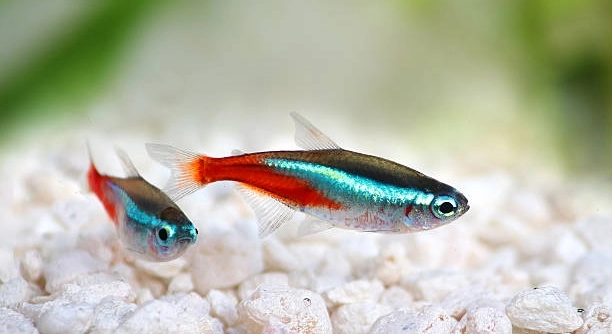
Neon Tetras are popular aquarium fish, known for their vibrant colors. However, they can be prone to stress, affecting their health and behavior. Understanding how to prevent stress in these small fish is essential for their well-being.
To prevent stress in Neon Tetras, maintaining a stable environment is key. Factors such as water quality, tank mates, temperature, and hiding spots all contribute to their stress levels. Providing proper care ensures your Neon Tetras remain happy and healthy.
Simple steps can help you maintain a calm environment for your Neon Tetras, ensuring their happiness and longevity in your tank.
Tank Setup for Neon Tetras
Proper tank setup is essential for preventing stress in Neon Tetras. They thrive in a well-maintained environment that mimics their natural habitat. A tank with ample swimming space and hiding areas is ideal. Neon Tetras prefer environments with dim lighting and plants that create a sense of security. They should be kept in groups of at least six, as solitary Tetras are more susceptible to stress. A well-planted tank offers places for the fish to hide, reducing anxiety. The water should be kept clean and filtered, as dirty water can quickly increase stress levels.
Regular maintenance is key to ensuring your tank is stress-free. Remove any debris, clean the filter, and check water parameters regularly. Use a reliable water testing kit to monitor levels of ammonia, nitrites, and nitrates. Also, pay attention to the water temperature—Neon Tetras thrive in temperatures ranging from 72°F to 80°F. Keeping the tank environment stable can greatly improve their quality of life.
It’s important to keep their tank in a quiet area, away from loud noises or disturbances. Constant vibrations or tapping on the glass can add stress. A peaceful environment encourages healthy behavior.
Water Quality and Parameters
Water quality plays a crucial role in maintaining healthy Neon Tetras. They are sensitive to poor water conditions, which can quickly lead to stress. Ammonia and nitrite levels should always be at zero, and nitrate levels should be kept below 20 ppm. Regular water changes help maintain these levels.
Neon Tetras require soft, slightly acidic water with a pH level between 6.0 and 7.0. High pH levels can be stressful and harmful. Water hardness should be on the lower side, around 2-8 dGH, to keep these fish comfortable. Consistently monitor your water parameters to ensure they stay within the optimal range for your Tetras’ well-being.
Proper filtration is equally important. A good filtration system removes harmful toxins and keeps the water clean. Make sure the filtration is not too strong, as fast-moving currents can stress out your fish.
Tank Mates for Neon Tetras
When selecting tank mates, it’s important to choose peaceful species. Neon Tetras are small and can easily become stressed by aggressive fish. They do well with other non-aggressive fish like Corydoras catfish, Guppies, and other small, calm species. Avoid large or territorial fish that might intimidate them.
Overcrowding is another factor to avoid. Neon Tetras need space to swim and explore. Overcrowded tanks can lead to constant stress, lower oxygen levels, and increased waste, all of which can negatively impact the fish’s health. A general rule is to keep one inch of fish per gallon of water. This ensures enough space for the Tetras and their tank mates.
Consider adding peaceful shrimp or snails as tank mates. These creatures help with algae control and will not cause stress. Ensure that any new tank mates are introduced gradually to avoid shocking the Tetras. Watch for signs of stress as you add new inhabitants to the tank.
Temperature Regulation
Temperature regulation is crucial for maintaining the health of Neon Tetras. These fish prefer a stable water temperature between 72°F and 80°F. Temperature fluctuations can cause stress and weaken their immune systems. Use a reliable aquarium heater to maintain a consistent temperature.
Thermometers help track the water temperature, ensuring it stays within the ideal range. If the temperature fluctuates too much, Neon Tetras can become more vulnerable to diseases and other health issues. A sudden drop or spike in temperature is stressful for these small fish and can lead to long-term health problems.
Maintaining a steady temperature also reduces the risk of fluctuations that may trigger aggression or health complications. A stable environment improves the Tetras’ overall well-being, allowing them to thrive without constant stress. Monitoring the temperature regularly ensures a safe and comfortable habitat for your fish.
Lighting for Neon Tetras
Neon Tetras prefer dim lighting, which mimics their natural environment. Bright lights can cause stress and make them feel exposed. Use low-intensity LED lights or place floating plants in the tank to soften the light. Keeping lighting at a moderate level will create a more relaxed environment for your fish.
Avoid direct sunlight or harsh lighting. Sunlight can lead to algae growth, which affects water quality. Additionally, it can stress out your Tetras. A timer for your aquarium lights can help maintain a consistent day-night cycle, which is important for the fish’s natural rhythm.
Feeding Neon Tetras
Feeding your Neon Tetras properly is important to avoid stress. Overfeeding can lead to water quality issues, while underfeeding causes malnutrition. Offer high-quality, small pellets or flakes that are appropriate for small fish. Variety is key, so include live or frozen foods occasionally.
Neon Tetras are omnivores, so their diet should include a mix of protein and plant matter. They can benefit from foods like brine shrimp, daphnia, and micro-worms. Feed them small portions 2-3 times a day to ensure they get the proper nutrients without overloading the water with excess food.
Regular Maintenance
Maintaining a clean tank is essential for preventing stress in Neon Tetras. Regular water changes, typically 25% per week, help remove waste and toxins from the tank. This keeps the water fresh and supports the health of your fish. A clean tank ensures a stable environment free from harmful substances.
Cleaning the filter regularly is equally important. A clogged or dirty filter can lead to poor water quality, which directly affects the fish. Check the filter and replace any media as needed. Ensure all equipment is functioning properly to maintain a stress-free environment for your Neon Tetras.
FAQ
What are the signs of stress in Neon Tetras?
Stress in Neon Tetras can be recognized through several behavioral and physical signs. They may become less active, swim erratically, or hide more than usual. Their colors can fade, appearing dull instead of vibrant. In some cases, they may exhibit rapid gill movement or a loss of appetite. If you notice these signs, it’s important to assess their environment, including water quality, tank mates, and overall tank conditions, to identify and resolve the source of stress.
How can I reduce stress in my Neon Tetras?
To reduce stress, start by ensuring that the water conditions are optimal. Keep the temperature stable, monitor pH levels, and maintain proper filtration. It’s also essential to avoid sudden changes in the tank, as Neon Tetras are sensitive to alterations. Adding plenty of hiding spots, such as plants or rocks, can provide a sense of security. Also, ensure that the fish are housed with peaceful tank mates to prevent aggression.
Can I keep Neon Tetras with other fish?
Yes, Neon Tetras can be kept with other peaceful fish. They do well with species like Corydoras catfish, Guppies, and other small, non-aggressive fish. However, avoid keeping them with larger, aggressive species, as these can stress the Tetras. It’s important to ensure the tank is not overcrowded to maintain a peaceful and balanced environment.
What is the best water temperature for Neon Tetras?
Neon Tetras thrive in temperatures between 72°F and 80°F. Keeping the water temperature within this range is essential for their health and reducing stress. Sudden changes in temperature can be harmful, so use a reliable heater and thermometer to monitor it closely. Consistent water temperature helps keep your Neon Tetras comfortable and reduces the chances of stress-related issues.
How often should I feed my Neon Tetras?
Neon Tetras should be fed small portions 2-3 times per day. Overfeeding can lead to water quality issues, so it’s best to offer only what they can consume in a few minutes. A balanced diet of high-quality flakes, pellets, and occasional live or frozen foods like brine shrimp can help ensure they receive proper nutrition. It’s important not to overfeed, as excess food can contribute to water contamination and stress.
How do I know if my Neon Tetras are healthy?
Healthy Neon Tetras exhibit active swimming behavior, vibrant colors, and a healthy appetite. Their fins should be intact, and they should not show signs of disease such as lesions, bulging eyes, or abnormal body shapes. A healthy fish will swim in a group, as they are social creatures, and interact with their environment without signs of distress. Regular monitoring of their behavior and physical condition will help ensure that they stay healthy.
What should I do if my Neon Tetras are not eating?
If your Neon Tetras are not eating, it could be a sign of stress, illness, or poor water conditions. Check the water quality and ensure that the temperature, pH, and hardness levels are within the appropriate range. Also, consider whether there are any aggressive tank mates or environmental changes that could be causing stress. If the issue persists, it may be necessary to seek advice from an aquarium professional to identify and address the underlying cause.
Can Neon Tetras live alone?
Neon Tetras should not be kept alone, as they are social fish that thrive in groups. Keeping them in a group of at least six is recommended to reduce stress and promote natural behaviors. Solitary Neon Tetras can become stressed and may not display the same vibrancy or activity levels as those kept in groups. A peaceful school of Tetras will make for a more balanced and healthier environment.
What type of tank decorations do Neon Tetras like?
Neon Tetras enjoy a tank with plenty of plants, driftwood, and hiding spots. These decorations create a natural, secure environment where the fish can feel safe. Plants provide both visual barriers and places to hide, which can help reduce stress. Keep in mind that they prefer soft, dim lighting, so adding floating plants can help reduce brightness and provide shade. Make sure decorations don’t overcrowd the tank, as Neon Tetras need enough space to swim comfortably.
How can I prevent disease in my Neon Tetras?
To prevent disease in Neon Tetras, maintain proper water quality by performing regular water changes, keeping the tank clean, and monitoring water parameters. Quarantine new fish before adding them to the tank to avoid introducing diseases. It’s also important not to overcrowd the tank, as this can stress the fish and increase the likelihood of disease. If any signs of illness appear, promptly address the issue by adjusting water conditions or seeking veterinary advice. Regular monitoring and maintenance will help prevent many common fish diseases.
What is the lifespan of a Neon Tetra?
The average lifespan of a Neon Tetra is around 5 to 10 years, depending on factors such as water quality, diet, and overall care. By providing a stable, low-stress environment, you can ensure that your Neon Tetras live a long and healthy life. Proper tank maintenance and monitoring will help prevent issues that could shorten their lifespan.
Can I use aquarium salt for my Neon Tetras?
While some fish benefit from the use of aquarium salt, Neon Tetras are sensitive to it. It’s generally best to avoid adding salt to their tank, as it can cause stress and harm to their delicate systems. If your fish are sick, it’s best to treat them in a quarantine tank rather than using salt in the main tank. Always research and consider the specific needs of your fish before adding any substances to the water.
Final Thoughts
Ensuring that your Neon Tetras are healthy and stress-free requires attention to their environment, diet, and overall care. By maintaining stable water conditions and providing them with the proper tank setup, you can significantly reduce the chances of stress. Regular water changes, along with keeping the tank clean, are crucial for their well-being. Ensuring that the temperature is stable and the lighting is moderate will also help in creating a comfortable environment for these small, colorful fish.
Pay attention to their social needs as well. Neon Tetras are schooling fish, and they thrive when kept in groups. A small school of these fish is not only more visually appealing but also helps reduce the anxiety that can come from isolation. Along with a suitable number of tank mates, ensuring that your Tetras are well-fed with a balanced diet will keep them in good health. Small portions of high-quality food 2-3 times a day are usually sufficient for their nutritional needs.
Lastly, regular monitoring of their behavior and physical condition is essential. Watch for any signs of stress or illness and address issues as soon as they arise. A stressed or sick Neon Tetra will show noticeable changes in their behavior, such as swimming erratically or losing their vibrant color. Keeping their environment consistent and stress-free is key to helping them live a long, healthy life. With proper care, Neon Tetras can thrive in a well-maintained tank for many years.

Hello,
If you enjoy the content that we create, please consider saying a "Thank You!" by leaving a tip.
Every little bit helps us continue crafting quality advice that supports the health, happiness, and well-being of pets around the world, for pets of all shapes, sizes, and species.
We really appreciate the kindness and support that you show us!