
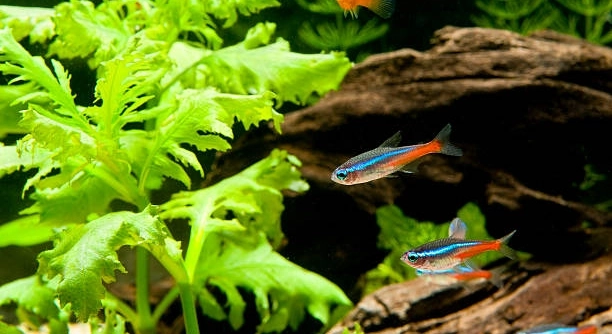
Neon Tetras are popular aquarium fish known for their bright colors and peaceful nature. Their social behavior has intrigued many fish owners, especially when it comes to understanding how these small creatures express affection.
Neon Tetras show affection through social interactions such as swimming together in tight groups and engaging in subtle body movements. They may also exhibit gentle nipping and following each other, which are signs of bonding and trust within the group.
Their behaviors reflect more than just survival instincts. By observing these actions, you can understand how these fish communicate and form relationships within their community.
How Neon Tetras Communicate With Each Other
Neon Tetras rely heavily on body language to express themselves. These fish are not as vocal as other species but use visual cues to communicate. When in a group, they often swim together, staying close and synchronized, which strengthens their bond. This behavior is essential for their survival in the wild, as it allows them to remain alert to potential threats. They may also exhibit subtle movements, such as a slight turn of their bodies or quick, darting motions, to signal their emotions. These small gestures play a key role in their social structure.
Neon Tetras are naturally peaceful and prefer to live in schools. This behavior is an instinctive way of staying protected, and their interactions within the group help establish a social hierarchy. Their calm demeanor makes them ideal for community tanks.
These fish also interact with each other by following each other around the tank, sometimes mirroring the actions of a fellow tetra. These synchronized movements can be seen when they swim in tight formations. These interactions help build trust within the group, enhancing their sense of security. It’s a natural way for them to form relationships and reinforce their bond.
Factors That Influence Neon Tetra Affection
Their environment plays a large role in how Neon Tetras show affection. Water quality, temperature, and tank conditions impact their mood and social behavior. Fish that feel safe and comfortable are more likely to exhibit affectionate behaviors towards each other.
Neon Tetras are sensitive to changes in water conditions. If the water is too warm, too cold, or polluted, their social interactions may decrease. In an environment that mimics their natural habitat, they thrive, swimming close to each other and exhibiting bonding behaviors. Stress factors, such as inadequate tank space or overly aggressive tank mates, can also limit their ability to show affection.
Proper tank maintenance is crucial. Regular water changes, proper filtration, and temperature control help keep these fish happy and more likely to engage in positive social behavior. Without these conditions, their natural tendencies to form bonds may diminish. Therefore, ensuring that Neon Tetras live in an environment that supports their needs is essential to maintaining their social dynamics. By observing them, you can create an ideal setting for these charming fish to thrive in.
Signs of Neon Tetra Bonding
Neon Tetras show bonding through synchronized swimming, where they form tight groups that move together in unison. This behavior is essential for their emotional well-being and signals a sense of safety within the school. It’s clear that these fish use their movements to strengthen their social connections.
When Neon Tetras swim together, it’s more than just a survival instinct. It’s also a form of bonding, where fish communicate with one another without vocalization. They may nudge or follow one another in fluid motions, signaling trust. These interactions are vital for their social structure, especially in a community tank where they rely on each other for companionship and protection. Keeping them in groups encourages these positive behaviors, ensuring they feel secure and cared for in their environment.
Neon Tetras can also exhibit a gentle form of play. They will chase each other in short bursts or dart quickly from one side of the tank to another. This playful behavior is often seen among younger fish or those that are particularly well bonded. It’s not aggressive but a healthy form of interaction that helps them establish their place in the school. These actions create a relaxed atmosphere that is essential for maintaining a peaceful tank environment.
Creating the Ideal Environment for Neon Tetras
A well-maintained tank is essential for Neon Tetras to thrive. The water temperature should be between 72°F and 80°F, and it should be soft and slightly acidic. Keeping these conditions stable allows the fish to feel safe, promoting their natural social behaviors.
Neon Tetras are sensitive to water quality, so proper filtration and regular water changes are crucial. They tend to thrive in tanks with plants, which provide hiding spots and mimic their natural habitat. The addition of live plants not only creates a more natural environment but also helps keep the water clean, providing essential oxygen. With these elements in place, Neon Tetras will likely display their affectionate behaviors, swimming together and interacting in a way that strengthens their bonds.
Neon Tetra Playful Interactions
Neon Tetras display playful behavior, such as darting quickly or chasing each other in short bursts. This light-hearted interaction is a sign of bonding, not aggression. It’s a common behavior that fosters trust and comfort among the fish. These playful moments are important for their social well-being.
These playful bursts are usually short-lived, often seen in a group when one fish suddenly swims off, prompting the others to follow. This behavior helps to reinforce the bonds between them. While it may appear as just a form of exercise, it also enhances their connection. Fish that engage in these playful actions are more likely to show affection to one another in other subtle ways. When in the right conditions, Neon Tetras will feel secure enough to display these positive behaviors and continue to form strong social bonds within the school.
Neon Tetra Aggression: A Sign of Stress
While generally peaceful, Neon Tetras can show signs of aggression when stressed. This aggression is typically a result of poor tank conditions, overcrowding, or incompatible tank mates. If not addressed, it can lead to further disruption in the school’s social structure.
Stressful environments can cause Neon Tetras to become more territorial and withdrawn. Aggressive behavior may include chasing or nipping at each other, which can be a sign of discomfort or a lack of space. It’s essential to monitor their surroundings and ensure the tank is appropriately sized, with enough hiding places. Additionally, maintaining a peaceful and balanced community tank will prevent this aggression. When their environment meets their needs, Neon Tetras are less likely to display these negative behaviors and will interact peacefully with others.
Maintaining Tank Stability for Healthy Social Behavior
Maintaining tank stability is essential for healthy social interactions among Neon Tetras. Regular water changes, proper filtration, and avoiding overcrowding are key factors in ensuring the fish feel secure. Stability promotes positive social behaviors and reduces stress.
A stable environment helps to create a more predictable and safe space for Neon Tetras, encouraging them to interact more comfortably. When their basic needs, like clean water and adequate space, are met, they are more likely to display bonding behaviors. This results in healthier and more peaceful interactions among the fish, allowing them to thrive in their community.
FAQ
What is the best tank size for Neon Tetras?
A 10-gallon tank is ideal for a small school of Neon Tetras. However, the size of the tank can vary depending on the number of fish. It’s important to keep them in groups of at least six, as this helps them feel secure and reduces stress. Larger tanks allow for more space, ensuring the fish can swim comfortably and interact naturally. Overcrowding can cause stress, so it’s best not to add too many fish to a small tank.
Can Neon Tetras live with other fish?
Yes, Neon Tetras are peaceful and get along well with other non-aggressive species. They thrive in community tanks, especially with other small fish like guppies, Corydoras, and tetras. However, they may not do well with larger, more aggressive fish that could intimidate or harm them. When selecting tank mates, always consider the temperament of both the Neon Tetras and the other species to ensure a peaceful environment.
How do Neon Tetras show affection?
Neon Tetras show affection by swimming close together, engaging in synchronized movements, and sometimes following each other around the tank. These interactions are signs of trust and bond-building within the group. When they feel safe, they will often swim in tight formations, signaling a sense of community and emotional connection. Occasionally, playful chasing and darting can also be seen, which are signs of bonding among the group.
Do Neon Tetras need plants in their tank?
Plants are not absolutely necessary, but they are highly beneficial for Neon Tetras. Live plants provide hiding spots, which help them feel safe and reduce stress. They also mimic the natural environment of the fish, allowing them to engage in more natural behaviors. Furthermore, plants help maintain water quality by absorbing nitrates and providing oxygen. If live plants aren’t an option, artificial plants can also provide shelter and make the tank more visually appealing.
What water conditions do Neon Tetras need?
Neon Tetras prefer slightly acidic to neutral water with a pH between 6.0 and 7.0. The water temperature should be between 72°F and 80°F, with softer water being ideal. Regular water changes are essential to maintain the correct water parameters and ensure the health of your fish. Use a reliable water testing kit to monitor the levels of ammonia, nitrites, and nitrates in the tank. Stability in these parameters is key to the well-being of your Neon Tetras.
How often should I feed my Neon Tetras?
Neon Tetras should be fed once or twice a day, offering only as much food as they can consume within a few minutes. Overfeeding can lead to water quality issues, so it’s important to feed them in moderation. A balanced diet that includes flake food, frozen foods like brine shrimp, or small pellets will keep them healthy. It’s also a good idea to occasionally provide them with live foods, which can stimulate natural hunting behaviors.
Can Neon Tetras live alone?
Neon Tetras are social fish and do not thrive when kept alone. They are happiest in schools of at least six, as this helps reduce stress and encourages natural social behavior. When kept alone, they may become shy, inactive, or even develop health issues. Keeping them in a group allows them to display their natural behaviors, such as swimming together and engaging in bonding activities. For their emotional well-being, a group setup is always best.
How do I know if my Neon Tetra is stressed?
Stress in Neon Tetras can manifest in several ways, including erratic swimming, hiding excessively, or reduced social interactions. They may also display faded colors or appear lethargic. If they are constantly hiding or swimming near the surface, it might indicate water quality issues, poor tank mates, or environmental stress. To reduce stress, ensure the tank conditions are optimal, and monitor their interactions with other fish.
What tankmates are best for Neon Tetras?
Neon Tetras do well with other peaceful, small fish species. Good tankmates include Corydoras catfish, Otocinclus, small livebearers like guppies or mollies, and other species of peaceful tetras. Avoid aggressive or large fish, such as bettas or cichlids, that might intimidate or prey on the Neon Tetras. Always research tankmates before adding them to ensure compatibility.
How do I encourage Neon Tetras to breed?
Breeding Neon Tetras in a home aquarium can be challenging. To encourage breeding, maintain pristine water conditions, with soft, slightly acidic water and a temperature around 75°F to 78°F. Provide plenty of plants or fine mesh for the fish to lay eggs. It may also help to separate the males and females for a while, then reintroduce them to encourage spawning. Neon Tetras lay eggs on plants, and once the eggs are laid, the adults should be removed, as they may eat them. A separate breeding tank may be necessary for successful hatching.
Can Neon Tetras live with shrimp?
Yes, Neon Tetras can live with shrimp, such as cherry shrimp, ghost shrimp, and Amano shrimp. These small shrimp are usually not a threat to Neon Tetras, and they can live peacefully together in the same tank. However, it’s important to ensure the shrimp have plenty of hiding places to feel secure, especially if the Tetras are very active. Shrimp will help clean up leftover food and debris, contributing to a cleaner tank environment.
Final Thoughts
Neon Tetras are peaceful and social fish that thrive in a well-maintained aquarium. Their natural behavior reflects a need for companionship and stability. A healthy group of Neon Tetras will interact positively with each other, forming bonds that help them feel secure. These fish, though small, have a significant presence when housed properly in a group. Understanding their basic needs, such as water quality, tank mates, and the proper tank size, is essential to ensuring they live a healthy, happy life.
The key to keeping Neon Tetras is providing an environment that mimics their natural habitat. This includes soft, slightly acidic water, and plenty of hiding spaces. They are sensitive to changes in their environment, so consistency in water conditions and temperature is crucial. Their peaceful nature makes them a great addition to community tanks, but it’s important to avoid aggressive species that could cause stress or harm. Choosing the right tank mates and providing enough space for swimming is critical to their well-being.
In conclusion, Neon Tetras are relatively easy to care for but do require attention to detail. Keeping them in schools, maintaining their environment, and feeding them a varied diet are all necessary steps to keeping them happy. When these needs are met, Neon Tetras will not only thrive but also display their affectionate behaviors, showing just how much they value the stability of their environment and the social bonds they form within their school. With proper care, these small fish can become a delightful and vibrant addition to your aquarium.

Hello,
If you enjoy the content that we create, please consider saying a "Thank You!" by leaving a tip.
Every little bit helps us continue crafting quality advice that supports the health, happiness, and well-being of pets around the world, for pets of all shapes, sizes, and species.
We really appreciate the kindness and support that you show us!