
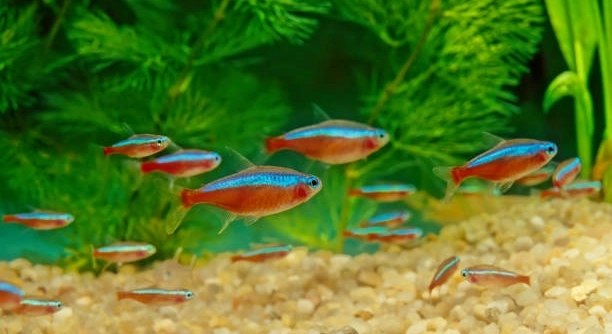
Neon tetras are popular aquarium fish known for their vibrant colors. However, if one is swimming alone while others school, it may signal underlying issues that require attention. Understanding these reasons can help resolve the situation.
The primary reason for a neon tetra being alone while others school is stress or an incompatibility issue with tank mates. Other causes include age differences, health problems, or inadequate environmental conditions such as water temperature or flow.
Several factors can affect a neon tetra’s behavior. By addressing these issues, you can ensure that your fish thrives in a well-balanced environment.
Stress from Inadequate Tank Conditions
Neon tetras are sensitive to changes in their environment. Poor water quality, improper temperature, or incorrect pH levels can cause stress, making them less likely to join the school. If the water is too warm, too cold, or has harmful chemicals, your fish may become isolated from the others. Tetras thrive in stable environments, so make sure your tank has the proper filtration system and that water parameters are regularly tested.
The ideal temperature range for neon tetras is between 70-81°F (21-27°C). Keeping the water clean and free from ammonia or nitrites is essential for their well-being. If you notice one fish separated from the school, testing the water conditions can help pinpoint the issue.
Neon tetras are small fish, and even slight changes in their environment can lead to behavioral changes. They may seek solitude when they feel threatened or uncomfortable. To keep your tetras happy, use a good filtration system, avoid overfeeding, and perform regular water changes. Ensuring the tank is well-maintained reduces the chances of stress-induced isolation.
Tank Mate Compatibility
Neon tetras prefer to swim in groups and feel secure in their natural social structure. However, some tank mates may not be a good match for them. Fish that are too large, aggressive, or territorial can make the tetras feel threatened, causing them to isolate themselves.
When choosing tank mates, consider species that are peaceful and small. Fish like guppies, Corydoras catfish, and other non-aggressive species are ideal companions. Always research the behavior of other species before adding them to your tank to ensure a harmonious environment.
Age Differences and Schooling Behavior
Older or more dominant tetras may separate from younger or less assertive ones. As neon tetras grow, their behavior changes, and they may prefer to swim alone. The older fish might establish their own territories or be less inclined to join the school.
Neon tetras are social fish, but their natural behavior changes as they age. A younger tetra may feel more comfortable within a group, while an older fish might prefer solitude. The dynamics of schooling often depend on the individual fish’s development and temperament. In such cases, the older fish may still interact with the group but spend more time in isolation.
Young neon tetras are more likely to stay with the school due to their instincts. As they mature, they might become more independent or even territorial. Monitoring their behavior and ensuring proper tank conditions can help mitigate this change, allowing older fish to feel comfortable without abandoning the group entirely.
Health Issues and Isolation
A neon tetra that is ill may isolate itself from the school. When fish are not feeling well, they often swim less actively, retreating to corners of the tank or hiding. This behavior is their way of conserving energy and avoiding potential stress.
Neon tetras are prone to several health issues, including parasitic infections, fin rot, and swim bladder problems. These conditions can make a fish feel weak or uncoordinated, which leads to isolation from the school. If one fish consistently stays apart, look for signs of illness, such as faded colors, lethargy, or abnormal swimming patterns. It’s important to address any health concerns quickly, as a sick fish may not recover if left untreated.
A thorough check of the fish’s body and behavior can provide valuable clues to its condition. If a neon tetra seems to isolate itself regularly, a quick diagnosis and proper treatment can help restore its health. Treating the problem early can also prevent the illness from spreading to other fish in the tank.
Water Temperature and Flow
Inconsistent water temperature can cause stress and isolation in neon tetras. If the tank is too warm or cold, they may seek solitude to avoid discomfort. Ensure the water temperature remains stable within the ideal range for neon tetras, 70-81°F (21-27°C).
Strong water flow can also contribute to isolation. Tetras prefer calm waters, and high currents may make them feel stressed. Adjust the filter or place decorations to reduce the water flow and give the fish areas where they can relax. Proper tank setup can encourage healthy social behavior among the tetras.
Tank Size and Space
Inadequate space can contribute to stress, leading to a lone neon tetra. If the tank is too small, the fish may feel crowded and unable to establish its territory, leading to separation from the school. Neon tetras thrive in tanks with enough room to swim freely.
A tank that is too small may prevent tetras from feeling secure. A larger tank with hiding spots and swimming areas helps tetras feel safe and allows them to interact with the school. Always ensure your tank size matches the number of fish you have. This helps avoid unnecessary stress and isolation.
Overcrowding in the Aquarium
Overcrowding can cause neon tetras to isolate themselves from the school. When too many fish share the same space, the tank can become stressful, leading to aggression and territorial behavior. This can push some tetras away from the group, as they seek a quieter spot.
Keeping the number of fish in line with your tank’s capacity is crucial. Overcrowding increases waste, lowers oxygen levels, and creates a stressful environment. If you notice one tetra isolating itself, it may be a sign that your aquarium is too crowded. Regular maintenance and proper stocking levels are essential for preventing this issue.
FAQ
Why is my neon tetra not swimming with the school?
A neon tetra might not be swimming with the school for several reasons. Stress from poor water quality, incompatible tank mates, or improper water conditions can cause a tetra to isolate itself. Additionally, older fish may prefer solitude, or a tetra could be feeling unwell. Ensuring the tank has stable conditions and compatible fish can help encourage social behavior.
Can neon tetras live alone?
Neon tetras are social fish that prefer to be in schools. While they can survive alone, they thrive best when in groups of six or more. Being in a school helps them feel secure and reduces stress. A single neon tetra can become lonely and stressed without others around it.
How do I know if my neon tetra is sick?
Signs of illness in neon tetras include faded colors, loss of appetite, lethargy, and abnormal swimming. If a tetra is hiding or swimming erratically, it might be a sign of a health issue. Check for external signs like lesions, swelling, or torn fins to further assess the fish’s condition.
What is the ideal water temperature for neon tetras?
Neon tetras thrive in water temperatures between 70-81°F (21-27°C). Keeping the temperature stable within this range is crucial for their health. Fluctuations in water temperature can lead to stress, making the tetras more likely to isolate themselves from the school.
Do neon tetras need a filter?
Yes, neon tetras need a filter to maintain clean water. Tetras are sensitive to poor water quality, and a good filtration system helps remove harmful toxins, ensuring the water stays healthy. A filter also helps regulate oxygen levels, which is important for the tetras’ overall health and social behavior.
How many neon tetras should be kept together?
It is recommended to keep at least six neon tetras together. A school of tetras will help reduce stress and promote natural behavior. With fewer tetras, the fish might feel vulnerable and isolated. Keeping them in groups allows them to thrive and interact with each other.
Can I add other species with neon tetras?
Yes, but it’s important to choose compatible species. Neon tetras are peaceful fish that do well with other small, non-aggressive species. Avoid large or aggressive fish that might intimidate or harm the tetras. Species like guppies, Corydoras catfish, and small peaceful shrimp make good tank mates.
What should I feed my neon tetras?
Neon tetras are omnivores, so they need a varied diet. High-quality fish flakes or pellets work well as a base. You can supplement their diet with live or frozen foods like brine shrimp, daphnia, or bloodworms. Offering a variety ensures they get all the nutrients they need to stay healthy.
Can neon tetras survive in cold water?
No, neon tetras are tropical fish that require warm water. Water temperatures below 70°F (21°C) can cause stress and health problems. Keeping the water within the ideal temperature range of 70-81°F (21-27°C) is necessary for their survival. Cold water can lead to reduced immune function and make them more susceptible to diseases.
How can I reduce stress for my neon tetra?
To reduce stress, ensure the tank has stable water conditions, proper temperature, and filtration. Avoid overcrowding and provide plenty of hiding spots and plants. Also, consider the behavior of tank mates. Tetras prefer a peaceful environment and can become stressed if they feel threatened by larger or aggressive fish.
What size tank is best for neon tetras?
A tank of at least 10 gallons is recommended for a small school of neon tetras. A larger tank will allow the fish to swim freely and feel more secure. A larger tank also provides better stability for water conditions, reducing the risk of stress and disease.
Can neon tetras jump out of the tank?
Neon tetras can jump, but it is not common. However, if the water surface is too close to the top of the tank or if the fish is stressed, it may attempt to escape. It’s best to keep a lid or cover on the aquarium to prevent this from happening.
How long do neon tetras live?
Neon tetras generally live for about 5 to 10 years with proper care. Their lifespan can vary depending on water quality, diet, and tank conditions. Providing a stable environment and good care can help ensure they live a long, healthy life.
Why do neon tetras lose their color?
Neon tetras may lose their color if they are stressed, sick, or in poor water conditions. Stress can be caused by overcrowding, incompatible tank mates, or inadequate water temperature. A loss of color can also be a sign of illness, such as parasites or bacterial infections.
How can I tell if my neon tetra is lonely?
A lonely neon tetra may isolate itself from the rest of the school. It may swim erratically or hide more often. If a tetra is not interacting with others, it could be a sign that it feels insecure. Keeping at least six tetras in a school helps prevent loneliness.
What do neon tetras need to thrive?
To thrive, neon tetras need a stable tank environment with clean water, the right temperature, and plenty of space. A well-maintained aquarium with hiding spots, plants, and compatible tank mates will help the tetras feel secure. Proper feeding and regular water changes are also essential for their health.
Final Thoughts
Neon tetras are peaceful, social fish that thrive in a school environment. When one becomes isolated, it often points to an underlying issue that needs addressing. The reasons for a lone neon tetra can vary from environmental factors like water quality or temperature to the presence of stress caused by tank mates or overcrowding. Understanding these factors and addressing them can help bring the tetra back into the school. A stable tank environment is essential for their overall health and well-being.
While neon tetras are hardy and adaptable, they rely on the presence of other tetras to feel secure. If a neon tetra is not schooling with others, it’s important to first evaluate the conditions of the tank. Poor water quality, temperature fluctuations, or strong water flow can create a stressful environment that drives a tetra to separate itself from the group. Ensuring the tank is appropriately sized and that the fish are not overcrowded will help encourage a more social atmosphere.
Lastly, neon tetras are best kept in groups of six or more. This provides them with the comfort and security they need to thrive in a community tank. If you notice one of your neon tetras swimming alone, it is a sign to assess the tank environment and its inhabitants. By addressing these issues, you can help your neon tetra feel more secure, ensuring it will swim happily with the rest of the school. Proper care, attention to detail, and maintaining a stable tank setup are key to their well-being.

Hello,
If you enjoy the content that we create, please consider saying a "Thank You!" by leaving a tip.
Every little bit helps us continue crafting quality advice that supports the health, happiness, and well-being of pets around the world, for pets of all shapes, sizes, and species.
We really appreciate the kindness and support that you show us!