
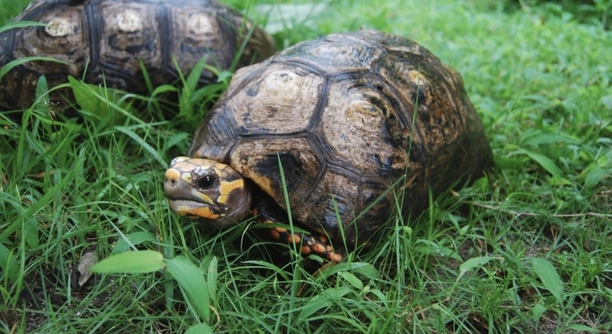
Red-footed tortoises are known for their gentle nature and unique behaviors. If you notice your tortoise bobbing its head frequently, it’s natural to wonder about the cause. Understanding this behavior can provide insights into their health and habits.
Head bobbing in red-footed tortoises is often a sign of communication, stress, or a health issue. Tortoises may bob their heads as a response to environmental factors or as part of mating rituals. It’s important to observe other behaviors to understand the cause.
This behavior could stem from various causes, including stress, mating instincts, or health concerns. Understanding these factors is key to ensuring your tortoise’s well-being and addressing any underlying issues.
Why Does My Red-Footed Tortoise Bob Its Head?
Head bobbing in red-footed tortoises can be linked to a few different factors. One of the main reasons for this behavior is their natural instinct to communicate. When a tortoise bobs its head, it could be signaling its presence to others, especially during mating season. This is commonly seen in males trying to attract a female. However, head bobbing may also indicate stress or discomfort. For example, changes in the environment, such as temperature fluctuations or a new habitat, can cause a tortoise to exhibit this behavior. It’s crucial to watch for any additional signs of distress, like loss of appetite or lethargy, which may point to other issues.
If you observe your tortoise bobbing its head frequently, assess its environment and routine. Ensure the habitat has the correct temperature, humidity, and sufficient space for movement. Any sudden changes in its surroundings or diet could contribute to this behavior. Also, ensure your tortoise is getting proper nutrition, as deficiencies could lead to health problems.
By carefully observing your red-footed tortoise’s behavior and environment, you can help reduce stressors that might be causing the head bobbing. Adjustments in its care routine, like providing a more consistent temperature or enriching its space, can help improve its overall well-being and reduce unnecessary behavior.
Mating Behavior and Head Bobbing
In many species, head bobbing is part of a mating display. Male red-footed tortoises are especially prone to this behavior when trying to attract a mate. They will bob their heads in a rhythmic motion to signal interest and dominance. This action often occurs during the breeding season.
Understanding this instinctual behavior helps in identifying whether your tortoise is simply expressing its natural mating habits or if there’s an underlying issue that needs attention. Keep in mind that some head bobbing is completely normal during these periods, but it’s important to note any accompanying signs that could indicate stress.
Stress and Environmental Factors
Stress can trigger head bobbing in red-footed tortoises. Environmental changes, like a new habitat or temperature shifts, may cause your tortoise to feel unsettled. A stressed tortoise may exhibit repetitive behaviors as a way to cope with discomfort.
Tortoises are creatures of habit, and they thrive in stable environments. A sudden move to a new space, loud noises, or changes in their care routine can be enough to create anxiety. If you notice head bobbing accompanied by other signs of stress, such as hiding or lack of appetite, it could be linked to environmental factors.
Providing a consistent and quiet environment for your tortoise is essential. Ensure its enclosure maintains the proper temperature and humidity levels, as fluctuations can cause stress. Create a calm, safe space where your tortoise feels secure to reduce the chance of anxiety-induced head bobbing. Regular routines and a familiar environment help maintain its well-being.
Health Concerns
Health issues can also lead to head bobbing in tortoises. If your red-footed tortoise is unwell, it might exhibit unusual behaviors, including head bobbing. This can sometimes be a sign of respiratory infections or other underlying health problems.
Respiratory infections are common in reptiles, and they can cause discomfort, making the tortoise exhibit erratic behavior. Infections can lead to symptoms like wheezing, discharge from the nose, or lethargy, along with head bobbing. If the bobbing persists, it’s best to consult a veterinarian to rule out any serious health concerns. Ignoring these signs may worsen the condition.
Prompt action, like adjusting the tortoise’s habitat to ensure proper ventilation and temperature, can help prevent or address infections. A visit to the vet ensures the tortoise gets the right treatment. Early detection of health problems increases the chances of a full recovery.
Mating Season
During mating season, red-footed tortoises naturally exhibit head bobbing as part of their courtship behavior. This is particularly common in males who are trying to attract females. The bobbing is a display of interest and dominance.
This behavior is temporary and generally linked to the breeding period. It’s essential to observe whether the tortoise continues this behavior outside of mating season. If the head bobbing persists year-round, it could indicate other issues, such as stress or illness. Understanding the timing of these behaviors can help distinguish between normal mating rituals and signs of distress.
Observation is Key
Monitoring your tortoise’s behavior closely will help you identify the root cause of head bobbing. Look for any changes in activity, appetite, or appearance. These signs will help indicate if the head bobbing is part of normal behavior or a sign of something more concerning.
Keeping a consistent routine and environment for your tortoise reduces the chances of stress-related behavior. If the behavior continues or worsens, it may be time to consult a veterinarian for further evaluation.
FAQ
Why does my red-footed tortoise bob its head?
Head bobbing in red-footed tortoises can be caused by various factors. It may be related to mating behavior, particularly in males trying to attract a female. This is a natural part of their courtship display. Head bobbing may also result from stress due to changes in the environment or improper habitat conditions. If your tortoise is bobbing its head frequently, it could be a sign of discomfort or illness, such as a respiratory infection. Observing your tortoise’s overall health and environment can help determine the cause.
How do I know if my tortoise is stressed?
Signs of stress in red-footed tortoises can include head bobbing, hiding, lack of appetite, and changes in activity levels. Stress can also manifest as excessive basking, lethargy, or aggression. If you notice any of these behaviors, it’s important to evaluate the environment for any potential stressors. Changes in temperature, humidity, or lighting, as well as disruptions in routine, can all contribute to stress. A calm, stable environment is key to preventing stress in your tortoise.
Can head bobbing be a sign of illness?
Yes, head bobbing can indicate illness, particularly if it persists. Respiratory infections are common in reptiles, and symptoms can include labored breathing, nasal discharge, and lethargy, alongside head bobbing. If your tortoise is exhibiting other signs of illness, such as lack of appetite, weakness, or swollen eyes, a visit to a veterinarian is necessary. Prompt treatment can prevent the condition from worsening.
Is it normal for my tortoise to bob its head during mating season?
Yes, it is completely normal for male red-footed tortoises to bob their heads during mating season. This behavior is a part of their courtship rituals to attract females. Males may perform a rhythmic head bobbing motion as a display of interest and dominance. If your tortoise is bobbing its head only during breeding season, it’s likely a natural behavior. However, if the behavior continues throughout the year, it may indicate other issues.
How can I reduce stress for my tortoise?
To reduce stress in your red-footed tortoise, it’s important to maintain a stable environment. Ensure the enclosure has the correct temperature and humidity levels. Red-footed tortoises prefer a warm, humid environment, so keeping these factors consistent can prevent stress. Additionally, provide a variety of hiding spots and visual barriers in the enclosure to make your tortoise feel secure. A regular routine and minimal handling also help reduce anxiety.
What should I do if my tortoise keeps bobbing its head?
If your tortoise continues to bob its head and other signs of distress or illness appear, it’s important to take action. Start by examining its habitat and ensuring it meets the proper temperature, humidity, and space requirements. If there are no obvious environmental causes, observe your tortoise for other signs of illness. If the behavior persists or worsens, contact a veterinarian who specializes in reptiles to rule out any health concerns.
Can head bobbing be a sign of a respiratory infection?
Yes, head bobbing is often a symptom of a respiratory infection in tortoises. If the bobbing is accompanied by other signs such as wheezing, nasal discharge, or labored breathing, it’s important to seek veterinary care immediately. Respiratory infections are common in reptiles and can become serious if left untreated. A veterinarian can diagnose the infection and prescribe the appropriate treatment.
How can I tell if my tortoise is healthy?
A healthy red-footed tortoise will have clear, bright eyes, a clean and smooth shell, and active, alert behavior. It should have a good appetite and be able to move around its enclosure without signs of pain or weakness. Regularly observe its activity levels and monitor its behavior for any signs of illness, such as lethargy or difficulty eating. If you notice anything unusual, a checkup with a vet can help ensure your tortoise is in good health.
Should I be worried if my tortoise only bobs its head occasionally?
If your tortoise only bobs its head occasionally and this behavior is not accompanied by other signs of distress, it’s likely part of normal behavior. Head bobbing can happen as part of their natural routine, particularly during mating season. However, if it becomes frequent or persistent, it’s worth assessing the environment for stressors or looking for other signs of illness. Monitoring its behavior will help you determine whether the head bobbing is concerning.
What are the common health problems in red-footed tortoises?
Red-footed tortoises can suffer from a variety of health problems, including respiratory infections, shell rot, and parasitic infections. Respiratory infections are common and often present with symptoms such as wheezing, nasal discharge, and head bobbing. Shell rot can develop due to poor environmental conditions, such as high humidity or improper diet. Regularly checking for signs of illness and providing proper care can help prevent these issues. Always consult a veterinarian if you suspect your tortoise is unwell.
Final Thoughts
Understanding why your red-footed tortoise bobs its head can help you address any concerns and ensure its well-being. This behavior is often tied to natural instincts, particularly during mating season. Male tortoises commonly bob their heads as part of courtship, which is completely normal and not a cause for concern. However, if the head bobbing persists outside of mating season, it could be a sign of stress, illness, or discomfort. In such cases, it’s important to evaluate your tortoise’s environment and overall health to identify any potential issues.
Stress is a common trigger for head bobbing in tortoises. Environmental factors such as improper temperature, humidity, or lack of hiding spots can contribute to anxiety and lead to unusual behaviors. Ensuring your tortoise’s habitat is suitable for its needs is essential for preventing stress. A proper diet, a clean living environment, and a consistent daily routine can all help keep your tortoise happy and healthy. If you notice any other signs of distress, such as lethargy, loss of appetite, or labored breathing, it’s crucial to seek advice from a veterinarian.
When it comes to your red-footed tortoise’s health, observation is key. Monitoring its behavior regularly allows you to notice any changes and address potential problems early. While head bobbing is often harmless, it can also indicate health issues like respiratory infections or other underlying concerns. Keeping an eye on its physical condition and behavior will help you spot these signs early and get your tortoise the help it needs. If in doubt, consulting a vet who specializes in reptiles is always the best course of action.

Hello,
If you enjoy the content that we create, please consider saying a "Thank You!" by leaving a tip.
Every little bit helps us continue crafting quality advice that supports the health, happiness, and well-being of pets around the world, for pets of all shapes, sizes, and species.
We really appreciate the kindness and support that you show us!