
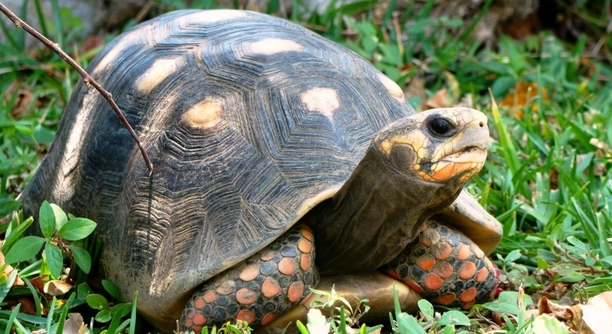
Red-footed tortoises are known for their curious behavior, which can sometimes lead to digging. If you notice your tortoise digging holes, it is important to understand the possible reasons behind this behavior.
The primary reason a red-footed tortoise digs holes is to create a comfortable environment, such as a nesting site or to regulate temperature. Digging is also a natural instinct for foraging or seeking shelter. Addressing this behavior involves creating a suitable habitat.
Understanding why your red-footed tortoise digs can help you make adjustments to its environment, ensuring its comfort and well-being.
Why Do Red-Footed Tortoises Dig?
Red-footed tortoises are often seen digging in their enclosures, and it can sometimes be surprising. However, this behavior is completely natural. Tortoises dig for various reasons, with one of the most common being the need to create a comfortable and safe space. They may dig to regulate their body temperature or establish a burrow to hide in when feeling stressed or threatened. It’s important to note that this is an instinctual behavior. In the wild, tortoises use digging to search for food, find water, or create nests. When kept in captivity, they might continue this behavior to adapt to their environment. By observing your tortoise, you can get a better sense of its needs and ensure its habitat is suited to those instincts.
If your red-footed tortoise is digging excessively, it may be a sign that its current environment needs some adjustments. This could include improving temperature regulation, providing more space, or offering enrichment.
Making these changes will not only reduce unnecessary digging but will also contribute to your tortoise’s overall health. Maintaining the right balance in its environment will help avoid stress and encourage a more relaxed tortoise.
Temperature Regulation
Red-footed tortoises dig to regulate their body temperature. In the wild, they burrow into the ground to find cooler or warmer areas depending on the weather. Without the right temperature range in their environment, tortoises may dig to create a spot that suits their needs.
To prevent excessive digging, provide areas with both shaded and sunlit spots in their enclosure. Tortoises also need access to a warm basking area. If your enclosure doesn’t allow for these temperature fluctuations, your tortoise may be digging to find a place that feels more comfortable. Use a thermometer to ensure temperatures are within the ideal range, which typically varies from 75°F to 85°F during the day.
Creating a stable environment can significantly reduce digging. If your tortoise’s space is too hot or too cold, adjusting the enclosure will make a difference. Consider adding substrate like coconut coir, which holds moisture and helps regulate temperature more naturally.
Nesting Behavior
Red-footed tortoises dig to create nests, especially if they feel the need to lay eggs. Even if your tortoise is not gravid (carrying eggs), the instinct to dig remains strong. They may dig shallow holes, attempting to find a safe space to nest.
If your tortoise is digging consistently and seems to be forming holes, check for signs of egg-laying behavior. If there are no eggs, it could still be nesting behavior influenced by seasonal instincts. You can reduce unnecessary digging by offering a suitable, moisture-rich substrate, such as a mix of soil and coconut coir.
Creating a safe, calm environment can help curb this behavior. If your tortoise is under stress or the enclosure feels unstable, it may dig as a response. Providing the right conditions with proper humidity and a safe space for them to retreat can reduce the likelihood of excessive nesting behavior.
Stress or Anxiety
A stressed tortoise might dig more than usual. This behavior often stems from factors like environmental changes, loud noises, or even the presence of other animals. When a tortoise feels threatened, it digs to hide and protect itself.
Ensure your tortoise’s enclosure is placed in a quiet area where they feel safe. Avoid sudden changes in their surroundings and limit disturbances. Regularly check for any stress triggers, including high traffic areas, loud noises, or other pets that may be intimidating the tortoise. By minimizing stress, digging may decrease significantly.
Exploration
Tortoises are naturally curious, and they dig as a way to explore their surroundings. Red-footed tortoises in the wild dig to search for food or new areas. In captivity, they may dig for similar reasons, as they instinctively explore their space.
Consider adding more enrichment to your tortoise’s enclosure to satisfy its curiosity. Hide food or treats in different areas, or provide tunnels and hiding spots. This allows your tortoise to express its natural instincts without resorting to excessive digging.
FAQ
Why is my red-footed tortoise digging so much?
Red-footed tortoises dig primarily due to natural instincts like temperature regulation, nesting, stress, or exploration. Digging can be a sign that your tortoise is trying to find a comfortable temperature or seeking a place to hide. It’s also common for them to dig if they feel anxious or if they are instinctively looking for food or shelter.
How can I stop my tortoise from digging?
To prevent excessive digging, start by ensuring your tortoise’s enclosure is well-constructed and large enough for it to feel comfortable. Provide appropriate temperature gradients with both warm and cool areas, and include areas for the tortoise to dig, so it doesn’t dig in unwanted spots. Adding more substrate for burrowing can help too. If stress is the cause, reduce disturbances around the enclosure and ensure it’s a peaceful environment.
Can my tortoise hurt itself by digging?
While digging itself isn’t harmful to a tortoise, it can become dangerous if they dig in unsuitable areas, like near sharp objects or where the walls of their enclosure are unstable. It’s important to monitor their digging habits and adjust their environment accordingly. If they’re digging excessively and causing harm, consider reinforcing the enclosure or changing the substrate to prevent accidents.
How deep should the substrate be for my tortoise to dig?
A depth of 4 to 6 inches of substrate is generally suitable for a red-footed tortoise to dig comfortably. The substrate should be moist enough to hold its shape but not too wet, as this can create an unhealthy environment. A mixture of coconut coir, soil, and sand works well. Make sure the tortoise has room to dig without encountering hard surfaces underneath.
How do I know if my tortoise is digging to lay eggs?
If your female red-footed tortoise is digging excessively and showing nesting behaviors, it could be preparing to lay eggs. Signs to look for include digging more frequently and creating deeper holes, often accompanied by searching for a secluded spot. If you suspect egg-laying behavior, check for signs of eggs in the hole, but remember that some tortoises dig even without laying eggs.
Is digging normal for red-footed tortoises?
Yes, digging is completely normal behavior for red-footed tortoises. In the wild, they dig to regulate temperature, find food, and create a safe space for rest. Even in captivity, tortoises maintain this instinct. However, excessive digging might indicate stress, environmental discomfort, or an unmet need for nesting.
Should I be worried if my tortoise is digging at night?
If your tortoise is digging at night, it may be trying to find a more suitable temperature or hiding spot, as they are nocturnal creatures. Red-footed tortoises are active during the night and can dig when they feel a change in temperature or if they’re not comfortable in their environment. Ensure your enclosure has proper night-time temperatures and a quiet space to help your tortoise feel secure.
How often do red-footed tortoises dig?
There isn’t a specific frequency, as it depends on the individual tortoise and its environment. Some may dig daily, while others might dig only occasionally. If your tortoise is digging more than usual, it could be a sign of stress, temperature imbalance, or a need to lay eggs. Monitor its behavior and adjust its habitat as needed.
What type of substrate is best for digging?
Coconut coir is a great option because it holds moisture and is soft enough for digging without being too compact. It also mimics the natural substrate that tortoises might encounter in the wild. A mix of soil, sand, and coconut coir offers the best balance, providing both moisture retention and structure for digging.
Can I use sand in my tortoise’s enclosure for digging?
Yes, sand can be used for digging, but it should be mixed with other substrates like coconut coir or soil to avoid compaction. Pure sand can become too dry, hard, or difficult for your tortoise to dig through. Always ensure the mixture is moist enough to be easy to burrow in without being soggy.
How can I create a more suitable environment for my tortoise?
Creating a suitable environment for your red-footed tortoise involves providing a spacious enclosure with proper temperature gradients, humidity, and a variety of hiding spots. Ensure there are areas to bask and cool down, and offer ample opportunities for digging. Regularly check the humidity levels and avoid sharp objects or unstable surfaces in the enclosure.
Do red-footed tortoises need a companion to stop digging?
Red-footed tortoises can live alone without needing companionship, though some may enjoy the presence of another tortoise. However, having a companion is not likely to stop excessive digging. It’s more important to ensure they have enough space, a balanced temperature, and a peaceful environment. Avoid overcrowding or introducing other animals that may stress the tortoise.
Is there a chance my tortoise is digging to escape?
Though red-footed tortoises are known to be good diggers, they typically dig to regulate temperature or for nesting. If you notice your tortoise digging in a way that seems like it’s trying to escape, ensure the walls of the enclosure are secure and deep enough to prevent tunneling. Proper enclosure design should keep your tortoise safely inside.
Final Thoughts
Red-footed tortoises are naturally inclined to dig for various reasons, from nesting behavior to environmental adjustments. While digging is part of their instinctual behavior, it can also be influenced by factors such as temperature, stress, or curiosity. Understanding why your tortoise digs is key to creating the right environment for it. By providing a comfortable space with the right substrate, temperature gradients, and hiding spots, you can help minimize unnecessary digging. Ensuring your tortoise’s enclosure is spacious and secure will reduce stress and make it feel more at ease.
If your red-footed tortoise is digging excessively, it’s important to evaluate its living conditions. Sometimes, an overly small enclosure or fluctuating temperatures can cause stress, leading to more digging. On the other hand, adding too many disturbances, like loud noises or other animals, can also cause anxiety. By providing a stable and peaceful environment, you can reduce the chances of your tortoise digging out of stress. In some cases, they may dig as a sign that something is missing from their habitat, like a place to hide or a more suitable substrate. Observation and small adjustments to their living space can help solve these issues.
Ultimately, it’s important to remember that digging is a normal, natural behavior for red-footed tortoises. While it may sometimes be frustrating, it’s often an expression of their instincts. Rather than stopping them from digging entirely, focus on creating an environment where they can express this behavior safely. Understanding their needs and responding appropriately ensures your tortoise remains healthy and happy. Regularly assess your tortoise’s living conditions and make necessary changes to keep them content. With the right setup, digging can become a natural part of their day-to-day routine without causing harm.

Hello,
If you enjoy the content that we create, please consider saying a "Thank You!" by leaving a tip.
Every little bit helps us continue crafting quality advice that supports the health, happiness, and well-being of pets around the world, for pets of all shapes, sizes, and species.
We really appreciate the kindness and support that you show us!