
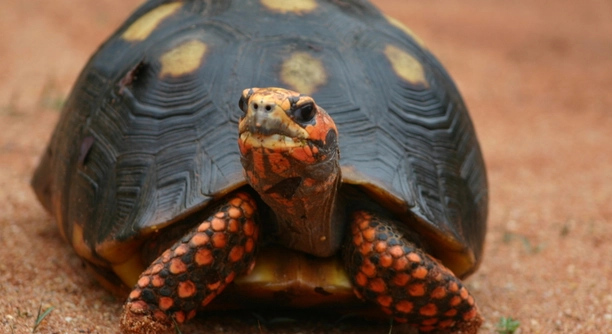
Your red-footed tortoise’s pacing behavior can seem puzzling, but it is often a natural response to various factors. Understanding these causes can help you ensure their well-being and provide solutions to ease their restlessness.
The pacing behavior of a red-footed tortoise may result from factors such as stress, boredom, or environmental changes. It is essential to assess their habitat, diet, and routine to identify any possible triggers and address them appropriately.
Addressing the root cause of this behavior will lead to a happier, calmer tortoise.
Stress and Anxiety
Red-footed tortoises can be quite sensitive to their environment, and stress is one of the main reasons for pacing. Changes in temperature, humidity, or noise can cause distress. If your tortoise is introduced to a new environment or experiences sudden changes, it may feel unsettled. Stress can also arise from inadequate space, improper tank conditions, or even the presence of other animals. A stressed tortoise may pace in an attempt to escape or find safety. It’s important to ensure their habitat mimics the conditions of their natural environment as closely as possible. This can help reduce stress and promote natural behavior.
If your tortoise is pacing, assess the overall condition of its habitat. Pay attention to environmental factors like temperature, humidity, and lighting.
Creating a calm, stable environment for your tortoise helps them feel secure. Regularly check the temperature and humidity levels to make sure they are within the recommended range for red-footed tortoises. Proper hiding spots and a spacious enclosure can also contribute to a more comfortable environment.
Boredom
Red-footed tortoises are naturally curious and active. If they don’t have enough stimulation, they may start pacing. Boredom is often a result of a lack of enrichment activities. Tortoises need mental and physical stimulation to keep them engaged. Without this, they might pace in search of something interesting to do. Offering a variety of items to explore or hiding food around their enclosure can help combat boredom. Introducing new textures, such as branches or rocks, also provides a change of scenery for your tortoise. This gives them opportunities to engage in natural behaviors like foraging and climbing.
Provide your tortoise with new items to explore in their habitat regularly.
Stimulating your tortoise’s curiosity can also involve rotating toys or plants in their habitat to create new challenges. In addition, you can offer safe foraging opportunities, like hiding leafy greens or fruits. These activities not only break up the monotony but also promote physical activity, making your tortoise feel more content and less likely to pace.
Improper Diet
A poor diet can directly affect your red-footed tortoise’s behavior. If your tortoise is not receiving the right nutrients, it may pace due to discomfort or a lack of energy. A balanced diet is key for their health and overall well-being. Ensure you’re offering a variety of leafy greens, fruits, and other plant-based foods. Avoid giving them too many high-protein foods, as this can lead to kidney problems and other health issues. Over time, an improper diet may cause digestive discomfort, leading to restlessness and pacing.
Review the food you provide and ensure a balanced diet suited to your tortoise’s age and size.
Make sure to offer a mix of dark, leafy greens like collard greens, dandelion greens, and squash. Occasionally provide fruits like strawberries and bananas, but not in excess. Also, add calcium-rich foods and a dusting of calcium supplement to their meals. Too much protein, such as meat, can lead to unhealthy growth patterns and health problems. Adjust the diet to prevent malnutrition or dietary imbalances, both of which can trigger pacing as your tortoise seeks relief.
Health Issues
Sometimes pacing can signal underlying health issues. Red-footed tortoises may pace as a sign of discomfort from pain or illness. If your tortoise is pacing more than usual, it could be a sign of parasites, respiratory infections, or shell problems. If they seem lethargic, refuse to eat, or exhibit unusual behaviors, it is important to consult a vet. These health problems often lead to stress and discomfort, causing the tortoise to pace in search of a solution to their discomfort. Regular checkups and close observation are essential to catch any health problems early.
Any sudden changes in behavior, including excessive pacing, may indicate health issues.
Visiting a reptile vet will help you identify any potential health concerns. If your tortoise has an infection or parasites, treatments like medication or changes to their environment may be necessary. Monitor for signs such as labored breathing, coughing, or swelling on the shell. These symptoms, if ignored, can worsen and affect your tortoise’s quality of life. Regular check-ups can prevent or catch issues early, allowing for effective treatment and helping to reduce unwanted behaviors like pacing.
Lack of Space
Limited space can cause stress and lead to pacing. Red-footed tortoises need room to move around and explore. A small enclosure can make them feel trapped, increasing their stress levels. If their environment feels cramped, they will often pace in search of more space.
Check that your tortoise has enough space to roam and bask comfortably.
A larger enclosure provides room for natural behaviors like exploring and climbing. This helps reduce pacing and encourages exercise. If you notice your tortoise pacing frequently, consider upgrading to a bigger space or adding vertical elements like climbing branches. A spacious environment contributes to a healthier and calmer tortoise.
Temperature Fluctuations
Temperature changes affect your red-footed tortoise’s behavior. If the enclosure is too hot or too cold, your tortoise may pace due to discomfort. Temperature fluctuations can also stress them out, making it hard for them to regulate their body. Keeping a stable temperature range is essential for their health.
Ensure the enclosure is within the recommended temperature range for red-footed tortoises.
Provide a warm basking spot with temperatures around 90°F and a cooler area around 75°F to give your tortoise a choice. Use thermometers to monitor the environment and adjust lighting accordingly. Maintaining a stable temperature will reduce stress, ensuring your tortoise feels comfortable enough to relax rather than pacing.
FAQ
Why does my red-footed tortoise pace?
Pacing is often a sign of stress, boredom, or discomfort. It could be triggered by environmental factors such as temperature fluctuations, inadequate space, or improper diet. It may also indicate health issues like pain or illness. Regularly checking their environment and health can help identify the cause.
How much space does my tortoise need?
Red-footed tortoises need a spacious enclosure to feel secure. At a minimum, they should have an enclosure of at least 4 feet by 2 feet. Larger is always better, especially for adults. Providing room for exploration and activities reduces stress and keeps them active. The more space you give, the less likely they are to pace.
Can my tortoise get too much sunlight?
Yes, overexposure to direct sunlight can lead to overheating. It is important to provide areas of shade and a cool spot where your tortoise can retreat if they feel too hot. Proper UVB lighting is essential for their health, but it should be used in a controlled manner.
What should I feed my red-footed tortoise?
A balanced diet includes leafy greens like collard greens, dandelion greens, and squash. Fruits like papaya, mango, and berries can be offered occasionally. Avoid too much protein, such as meat or high-protein pellets, as it can cause health problems. Additionally, ensure they have access to fresh water at all times.
How often should I clean my tortoise’s enclosure?
The enclosure should be cleaned regularly to maintain a healthy environment. Spot clean daily, removing waste and uneaten food. Every week, disinfect the enclosure and replace the substrate. A clean environment helps prevent bacterial growth, parasites, and mold, all of which can cause stress and illness.
What are the signs of a sick red-footed tortoise?
Signs of illness include changes in eating habits, excessive lethargy, labored breathing, nasal discharge, or swollen eyes. If you notice your tortoise pacing more than usual or showing other abnormal behaviors, it’s important to consult a vet. Early intervention can prevent serious health problems.
Can my tortoise live with other animals?
Red-footed tortoises are generally solitary creatures and can become stressed in the presence of other animals. While some may tolerate other tortoises or reptiles, it’s often best to keep them alone to avoid territorial disputes. If you want to introduce another animal, monitor their behavior closely.
What is the ideal temperature for my tortoise’s habitat?
Red-footed tortoises need a temperature range between 75°F and 90°F. Create a warm basking area of around 90°F, and provide a cooler zone of around 75°F. Proper temperature regulation is crucial for digestion, immune function, and overall well-being.
Do red-footed tortoises need a humidity-controlled environment?
Yes, red-footed tortoises thrive in a humid environment. Maintain humidity levels between 60% and 80%. This can be achieved by misting the enclosure regularly and providing a shallow water dish for soaking. Low humidity can cause dehydration, shedding problems, and respiratory issues.
How do I know if my tortoise is bored?
A bored tortoise may pace, dig excessively, or show signs of aggression. Lack of enrichment can lead to stress and health problems. Offering toys, hiding food, or rearranging the enclosure can provide mental stimulation. Red-footed tortoises also enjoy climbing, so adding branches or rocks can help.
Can I handle my tortoise frequently?
Red-footed tortoises generally don’t mind being handled occasionally, but excessive handling can stress them out. Always approach them gently and allow them to explore at their own pace. Handling should be kept to a minimum to avoid disrupting their natural behavior.
Final Thoughts
Understanding why your red-footed tortoise keeps pacing is the first step toward improving their well-being. Stress, discomfort, and boredom are common causes, and addressing these factors can help reduce pacing. By providing a larger, comfortable space and ensuring the temperature and humidity levels are right, you can create a healthier environment for your tortoise. A well-maintained enclosure with enough room to roam and explore will not only reduce stress but also promote natural behaviors that are essential for their happiness.
Diet and hydration are also key elements in ensuring your red-footed tortoise remains healthy and content. Offering a variety of leafy greens, fruits, and vegetables while keeping protein intake in check is crucial for their long-term health. Regular access to fresh water will keep them hydrated, which is especially important in maintaining proper digestion and overall well-being. Keep a consistent feeding schedule and avoid overfeeding, as this can lead to other issues like obesity or shell deformities.
Finally, while it’s important to provide a suitable habitat and diet, regular observation of your tortoise’s behavior is essential. If pacing persists or you notice other unusual signs, such as changes in appetite or energy levels, consulting a vet can help address any underlying health concerns. A balanced and attentive approach to care, along with a comfortable living environment, will ensure your red-footed tortoise remains healthy, happy, and free from the stress of constant pacing.

Hello,
If you enjoy the content that we create, please consider saying a "Thank You!" by leaving a tip.
Every little bit helps us continue crafting quality advice that supports the health, happiness, and well-being of pets around the world, for pets of all shapes, sizes, and species.
We really appreciate the kindness and support that you show us!