
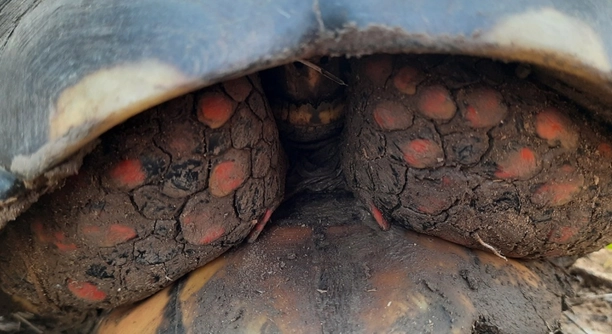
Red-footed tortoises are known for their peaceful nature, but if your tortoise is constantly scraping its shell, it could be trying to communicate something important. This behavior may indicate an underlying issue that needs attention.
Constant shell scraping in red-footed tortoises often results from stress, an irritation on their shell, or environmental factors. Ensuring proper habitat conditions, such as temperature and humidity, and regular health checks can help address these behaviors.
Understanding the root cause of this behavior will help ensure your tortoise’s well-being and prevent further discomfort.
Common Causes of Shell Scraping
Red-footed tortoises may scrape their shells for a variety of reasons. Stress, discomfort, or environmental factors like improper humidity or temperature could be behind this behavior. Tortoises are sensitive creatures, and if their living conditions are not ideal, they might show signs of stress or frustration through actions like scraping their shells.
A lack of hiding spots or space for movement can also contribute to this behavior. Tortoises need to feel safe and secure in their habitat. Without these elements, they may try to cope by scraping their shells against surfaces in an attempt to find comfort.
Providing a habitat that mimics their natural environment is essential. This includes proper substrate for burrowing, controlled temperatures, and consistent humidity levels. Creating a well-balanced environment helps reduce unnecessary stress and promotes a healthier lifestyle for your tortoise.
Assessing Their Environment
Make sure your red-footed tortoise’s habitat is free from stressors that could lead to shell scraping. Keep it spacious and safe.
Temperature and humidity are crucial for maintaining your tortoise’s well-being. If the conditions are off, their behavior could change, such as scraping. Ensure that the enclosure offers a warm basking area and a cool retreat for your tortoise. Consistent temperatures help reduce stress and encourage natural behaviors.
In addition to environmental factors, check for irritants like rough surfaces, hard edges, or objects that could be causing discomfort. If their shell is scraped from excessive rubbing, it might also indicate that the tortoise is trying to shed old scutes or remove dirt. Proper cleaning of their shell and regular maintenance of their habitat can help in this regard.
Health Issues That May Cause Scraping
Red-footed tortoises may scrape their shells if they are experiencing pain or discomfort from an underlying health issue. Conditions like shell rot, parasites, or injury can lead to this behavior. Ensuring regular vet check-ups can help detect any medical problems early.
If your tortoise is scraping its shell excessively, it could be a sign of shell rot. This occurs when bacteria or fungi attack the shell, causing it to weaken. Regular cleaning and inspecting of the shell can help catch early signs. Any swelling, softness, or discoloration should prompt a visit to the vet.
Another possibility is internal parasites that can cause discomfort, leading your tortoise to scrape its shell. These parasites can affect your tortoise’s overall health, causing pain or digestive issues. Providing a healthy diet and regularly monitoring for changes in behavior or appetite can help prevent this. A vet’s treatment may be necessary to eliminate any internal threats.
Behavioral Factors and Shell Scraping
Sometimes, tortoises scrape their shells simply because of behavioral tendencies. These actions may be due to curiosity or the need to mark territory.
Tortoises are naturally curious animals and may engage in scraping behavior as they explore their surroundings. Scraping the shell can be a part of their way of testing boundaries or investigating surfaces in their habitat. If they are in a new environment or haven’t been able to roam much, they may exhibit this behavior more often.
This behavior could also be linked to territory marking. Red-footed tortoises, like many reptiles, use their environment to establish space. Scraping their shells against surfaces may serve as a way to leave their scent behind, signaling their presence.
Inadequate Diet and Shell Scraping
A poor diet can also cause your tortoise to scrape its shell. Without proper nutrition, your tortoise may suffer from calcium deficiency, leading to weak shells and increased scraping.
Tortoises need a balanced diet full of calcium, vitamins, and minerals to keep their shells strong and healthy. If the diet lacks these essential nutrients, their shells can become soft, which may cause scraping. Offering a variety of greens, calcium supplements, and occasional fruits helps support shell health.
The Impact of Shell Growth
As your tortoise grows, its shell naturally sheds old scutes. This process can sometimes lead to scraping if the tortoise feels discomfort during this shedding.
Shell growth is a natural part of a red-footed tortoise’s development, but it can cause minor irritation when the scutes are being shed. The scraping might occur as the tortoise tries to remove these old layers, which could be causing some physical discomfort. Proper humidity and temperature control help ensure this process goes smoothly, reducing stress during shedding.
Shell Scraping from Enclosure Design
The way you design your tortoise’s enclosure can contribute to shell scraping. Tortoises may scrape their shells if there are sharp objects or rough surfaces inside their habitat.
Consider using smooth, natural materials when setting up your tortoise’s enclosure. Sharp rocks or rough-edged items can irritate their shell, leading to unwanted scraping. It’s essential to remove any potential hazards that might cause discomfort, keeping the habitat clean and safe.
FAQ
What are the signs that my red-footed tortoise is scraping its shell due to stress?
Stress in red-footed tortoises can manifest through excessive shell scraping. If your tortoise is scraping its shell and exhibiting other signs like pacing, hiding, or being less active, it could indicate stress. Tortoises may become stressed due to environmental factors such as inadequate temperature, humidity, or lack of space. They might also become stressed from loud noises or sudden changes in their habitat. If the scraping is accompanied by these behaviors, it’s essential to evaluate the conditions in the enclosure and make necessary adjustments.
How do I know if my tortoise has shell rot?
Shell rot in red-footed tortoises often appears as soft, discolored, or foul-smelling patches on the shell. If you notice these symptoms alongside scraping, it’s possible that your tortoise is dealing with shell rot. Regularly inspecting your tortoise’s shell can help you spot early signs of infection. If the shell has any holes, soft spots, or an unusual odor, it’s critical to consult with a veterinarian. Prompt treatment can prevent further damage and discomfort for your tortoise.
Can diet affect my tortoise’s shell scraping behavior?
Yes, an inadequate diet can contribute to shell scraping. A calcium deficiency is a common cause of weakened shells, leading to scraping behavior. Red-footed tortoises need a well-balanced diet rich in calcium, vitamin D, and other essential nutrients to maintain a strong shell. If your tortoise’s diet lacks these, it could cause discomfort, making them scrape their shell more often. Including dark leafy greens, calcium supplements, and a variety of other suitable foods in their diet can help improve shell health and reduce scraping behavior.
What is the best way to maintain proper humidity for my tortoise?
Maintaining the correct humidity level is essential for the overall health of your red-footed tortoise. The ideal humidity range is between 60% to 80%. To achieve this, you can use a misting system, a humidifier, or simply spray the enclosure with water regularly. Adding a shallow water dish will also help maintain moisture levels. Make sure to monitor the humidity levels with a hygrometer, especially in dry climates or during winter months when indoor heating can dry out the air. Proper humidity will help reduce stress and support natural shedding, which can decrease scraping behavior.
How often should I clean my red-footed tortoise’s enclosure?
Cleaning your tortoise’s enclosure regularly is crucial for its health. It’s recommended to spot clean daily by removing uneaten food, feces, and any debris. Deep cleaning should be done once a month to prevent the buildup of bacteria and fungi, which could cause infections like shell rot. Ensure the substrate is replaced regularly and that any areas where moisture may accumulate are dried out to avoid mold. A clean and hygienic habitat is essential for preventing health issues, including the need for excessive shell scraping.
Can shell scraping be a sign of territorial behavior?
Shell scraping may sometimes be linked to territorial behavior. Tortoises, especially when placed in a new environment or with other tortoises, may use their shell scraping to establish boundaries. Scraping the shell against surfaces can leave a scent trail that marks their territory. This behavior can also occur when a tortoise feels threatened by other animals or feels the need to stake a claim in its space. If your tortoise is exhibiting scraping behavior alongside aggressive actions or attempts to claim space, it might be trying to assert dominance.
What should I do if my tortoise’s shell looks damaged after scraping?
If your tortoise’s shell shows signs of damage after scraping, such as cracks, indentations, or bleeding, it’s essential to seek veterinary care. Shell damage can lead to infections and should not be ignored. A veterinarian can treat minor wounds and guide you on how to care for a damaged shell. In some cases, you may need to apply topical antiseptics or take special precautions to prevent further harm. In addition, assess the habitat for rough surfaces that may be contributing to the damage.
Is it normal for a red-footed tortoise to scrape its shell while shedding?
Yes, it is normal for red-footed tortoises to scrape their shells during the shedding process. As they shed their old scutes, they may feel discomfort, leading them to scrape their shells against surfaces. This behavior is more common during the shedding period and usually decreases once the shedding process is complete. To support your tortoise during this time, ensure that the humidity and temperature levels are optimal to aid the shedding process. If scraping continues beyond the shedding period, it could indicate another issue.
What kind of substrate is best for preventing shell scraping?
The right substrate plays a crucial role in preventing shell scraping. It should be soft yet supportive to allow your tortoise to move freely without causing damage. Substrates like coconut coir, organic topsoil, or a mixture of sand and soil can provide a comfortable surface for your red-footed tortoise. Avoid using rough, sharp materials like gravel or sandpaper, as they can irritate the shell and contribute to scraping behavior. Additionally, keep the substrate clean and free of contaminants to maintain a healthy environment.
How can I reduce my tortoise’s stress and prevent shell scraping?
Reducing stress is key to preventing shell scraping. To create a stress-free environment, ensure your tortoise has adequate space to move, hide, and explore. Provide hiding spots and avoid overcrowding. Keep the habitat consistent with proper temperature, humidity, and lighting. Avoid sudden changes in their surroundings, as red-footed tortoises can be sensitive to shifts in their environment. Additionally, handle your tortoise gently and infrequently to avoid causing unnecessary stress. A calm and comfortable habitat will help reduce scraping and other stress-related behaviors.
Final Thoughts
Addressing shell scraping in red-footed tortoises is essential for their overall well-being. It can be caused by various factors, such as environmental stress, diet issues, or improper enclosure conditions. By understanding the reasons behind this behavior, you can take the necessary steps to improve your tortoise’s health and comfort. Paying attention to these signs early on can prevent further complications and ensure your tortoise leads a happy and healthy life.
The most common causes of shell scraping are often related to stress or improper care. Stress can arise from a variety of factors, including poor humidity levels, inadequate space, or the presence of other animals that may cause discomfort. A balanced diet is also crucial, as deficiencies in calcium and other nutrients can lead to weakened shells, prompting your tortoise to scrape. Ensuring that your red-footed tortoise’s environment is optimal and offering proper nutrition can help reduce the likelihood of shell scraping and improve their quality of life.
Taking a proactive approach to your tortoise’s care is the best way to prevent shell scraping and other health issues. Regularly check their shell for signs of damage or infection, and provide a proper diet filled with necessary nutrients. The right enclosure setup, with smooth surfaces and adequate space, will also help avoid scraping behavior. Monitoring stress levels and making adjustments to their environment can further contribute to their well-being. By creating a comfortable and healthy space for your tortoise, you can ensure that they live a long and healthy life free from unnecessary discomfort.

Hello,
If you enjoy the content that we create, please consider saying a "Thank You!" by leaving a tip.
Every little bit helps us continue crafting quality advice that supports the health, happiness, and well-being of pets around the world, for pets of all shapes, sizes, and species.
We really appreciate the kindness and support that you show us!