
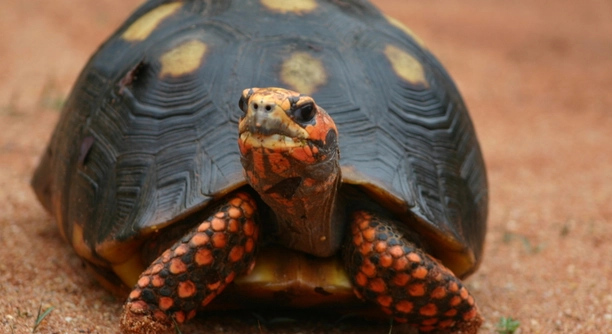
Creating a comfortable and affordable home for your red-footed tortoise doesn’t have to break the bank. With a few clever ideas, you can build a safe and cozy enclosure without spending a fortune.
Budget-friendly red-footed tortoise enclosures can be made with simple materials like repurposed containers, wood, and affordable substrates. A few thoughtful modifications and DIY projects can provide your tortoise with a secure, enriching environment.
These creative hacks will guide you through easy and inexpensive solutions to enhance your tortoise’s living space.
Repurposing Household Items for a Tortoise Enclosure
One of the easiest ways to save money on your red-footed tortoise’s enclosure is by using items you already have at home. For example, old plastic containers, storage bins, or large aquariums can serve as great enclosures. You just need to add proper ventilation and a secure lid to ensure your tortoise stays safe inside. You can also repurpose wood from old furniture or pallets to build a sturdy frame or hideout. These materials are often free or very inexpensive, making them ideal for creating a functional, budget-friendly enclosure.
Repurposing household items is a cost-effective method that provides your tortoise with a comfortable and secure environment. By using materials you already own, you can create an ideal habitat without spending much.
Repurposing doesn’t just save money; it also allows for customization. You can adjust the size, shape, and features to meet your red-footed tortoise’s needs. Adding a few layers of soil or natural substrate on the floor provides a comfortable, enriching environment. Secure corners and ventilation holes are essential, and adding a light source or heat lamps can make your homemade enclosure more suitable for your tortoise’s well-being.
Natural Habitat with Substrate and Plants
When creating an enclosure, natural substrates and plants are important for your tortoise’s health and comfort. Using materials like coconut coir, shredded bark, or organic soil creates a cozy, natural environment for your pet. These materials help maintain moisture and allow your tortoise to burrow, mimicking its natural habitat. Additionally, adding live plants like hibiscus or dandelions can provide extra hiding spots, food sources, and an aesthetically pleasing look.
Natural substrates and plants create a more enriching environment for your red-footed tortoise. The combination of soil and plants ensures a comfortable and healthy space.
A natural setup helps your tortoise feel secure and engaged. Plants like aloe or safe grasses are perfect for grazing. A balance of moisture and ventilation is key, so ensure there’s good airflow while maintaining humidity. Adding a shallow water dish encourages hydration, and providing different temperature zones ensures your tortoise can regulate its body heat. By using natural elements, you give your tortoise the opportunity to thrive in a setup that closely resembles its natural surroundings.
Creating Hiding Spots with Simple Materials
Hiding spots are essential for your red-footed tortoise to feel secure. You can easily create these using materials like cardboard boxes, plastic tubs, or even an old wooden crate. Place these hiding spots in different areas of the enclosure to give your tortoise options.
Making hiding spots doesn’t need to be complicated. A few simple adjustments, like cutting an entry hole or covering the structure with natural materials like leaves or moss, makes a great retreat for your tortoise. These hiding spots not only offer safety but also allow your tortoise to enjoy some privacy, mimicking its natural environment.
To make the space even more enjoyable, position the hiding spots near the cooler or shaded areas of the enclosure. Tortoises love to retreat to a quiet, dark place when they feel stressed or want to rest. You can also add a layer of soft substrate inside for comfort. The more varied the hiding spaces, the better your tortoise will feel. By using basic materials like cardboard or old crates, you can create multiple, low-cost hiding spots.
DIY Water Dish
A shallow, easily accessible water dish is crucial for your red-footed tortoise’s hydration. You can make one yourself using items like a shallow plastic tray, a ceramic plate, or even a cut-up plastic bottle. These are low-cost and practical alternatives to store-bought dishes.
Ensure the water dish is large enough for your tortoise to soak in if desired, but not too deep to cause accidental drowning. Shallow dishes can be easily replaced and cleaned regularly to maintain fresh water. Using non-toxic materials like ceramic or plastic ensures it’s safe for your pet.
Position the water dish in a corner of the enclosure that remains cooler and away from heating elements. Keeping the dish near the substrate helps maintain humidity levels and provides a natural drinking source. Regularly refill the dish with fresh water to encourage hydration, as tortoises will drink more when their environment feels natural and comfortable.
Proper Lighting and Heating Solutions
Lighting and heating are essential for your red-footed tortoise’s health. Using a basic heat lamp and UVB bulb can provide the necessary warmth and light your tortoise needs to thrive. These can be found at most pet stores at affordable prices.
Proper lighting not only helps regulate your tortoise’s sleep-wake cycle but also supports its digestion and overall well-being. Make sure the heat source isn’t too close, as tortoises like having a warm area but not excessive heat. A simple fixture with a timer can keep things consistent.
Affordable Substrate Options
Choosing the right substrate for your tortoise doesn’t have to be expensive. Simple materials like coconut coir, organic topsoil, or even shredded newspaper can serve as budget-friendly substrates. They help maintain humidity and make cleaning easier.
These substrates are natural, safe, and easy to maintain. Coconut coir and organic topsoil are great for burrowing and absorbing moisture. When using shredded newspaper, ensure it’s free from ink or harmful chemicals. Substrates provide your tortoise with a comfortable and functional living space, so these inexpensive materials are perfect for creating a safe environment.
Adding Climbing Structures
Climbing structures, such as rocks or logs, provide your red-footed tortoise with opportunities for exercise and enrichment. You can find low-cost or free materials in your yard or at a local park. Just be sure they’re secure and safe.
Adding a variety of climbing elements helps to mimic the natural environment of your tortoise. Tortoises enjoy exploring and climbing over objects. Stones, logs, and sturdy branches offer both physical activity and mental stimulation. Just make sure the materials are free from pesticides or chemicals.
FAQ
How do I maintain proper humidity levels for my red-footed tortoise?
To maintain proper humidity, you can mist the enclosure regularly using a spray bottle. Additionally, providing a shallow water dish and ensuring the substrate remains slightly damp can help keep humidity levels in check. Coconut coir or sphagnum moss can also be used to maintain moisture, as they hold water well. Be sure to avoid water accumulation, as too much moisture can lead to mold or bacteria growth. Monitoring humidity with a simple hygrometer ensures you can make adjustments as needed, keeping your tortoise comfortable.
What is the ideal temperature range for my tortoise’s enclosure?
Red-footed tortoises prefer a temperature range between 75°F and 85°F (24°C to 29°C) during the day. You can achieve this by using heat lamps or ceramic heat emitters, ensuring there’s a warmer basking spot with temperatures reaching up to 90°F (32°C). At night, the temperature should drop slightly, staying between 70°F and 75°F (21°C to 24°C). It’s essential to provide a gradient of temperatures, so your tortoise can move between warmer and cooler areas as needed. A thermometer placed in different parts of the enclosure will help maintain the right conditions.
What can I use as a hide for my red-footed tortoise?
You can use various materials to create a hiding spot for your tortoise, such as plastic containers, cardboard boxes, or wooden crates. Just cut a hole for entry, and fill the inside with soft bedding like coconut coir or moss. Placing the hide in a cooler, shaded area of the enclosure will make it more inviting. It’s important that your tortoise has a place to retreat to when feeling stressed, and a secure hideout provides that comfort. You can even use natural materials like rocks or logs to create a more rustic hide.
How often should I clean my tortoise’s enclosure?
You should spot-clean the enclosure every day, removing any waste, uneaten food, or soiled substrate. Full cleanings, where you replace all the substrate and disinfect the enclosure, should be done every 2 to 4 weeks, depending on the size of the space and the number of tortoises. If you use natural substrates like coconut coir or soil, these can be sifted and reused for several months before needing replacement. Always use pet-safe disinfectants and let the enclosure dry thoroughly before reintroducing your tortoise.
Can I use regular soil in my tortoise’s enclosure?
Yes, you can use regular soil, but it’s important to ensure it’s free of pesticides, chemicals, or fertilizers that could harm your tortoise. Organic topsoil or natural garden soil without added chemicals is a good option. Avoid using soil from areas that might be contaminated with pollutants. Mixing the soil with coconut coir or sphagnum moss can help with moisture retention, which is important for maintaining the right humidity levels. Ensure the substrate is deep enough for your tortoise to dig and burrow if it prefers doing so.
What kind of lighting does my red-footed tortoise need?
Your red-footed tortoise requires UVB lighting to help synthesize vitamin D3, which is crucial for calcium absorption and overall health. A UVB bulb should be placed over the basking area, and it should be replaced every 6 months, as UVB output decreases over time. Additionally, a heat lamp is needed to maintain a basking spot with temperatures around 90°F (32°C). Ensure the light is on for 10-12 hours a day to mimic natural day-night cycles. Use a timer to maintain consistency, and avoid placing the light too close to prevent overheating.
How do I make my tortoise’s enclosure escape-proof?
To make your tortoise’s enclosure escape-proof, ensure the walls are tall enough and that there are no gaps or holes. A height of at least 12-18 inches is recommended, depending on your tortoise’s size. You can also use materials like plexiglass or wooden planks to cover the sides. For the lid, if using a mesh or wire, make sure the openings are small enough to prevent escape. Secure any corners and check regularly for signs of wear or gaps. Ensuring that the tortoise has a stable and secure environment will reduce the likelihood of escape attempts.
Can I keep multiple red-footed tortoises together?
It’s generally not recommended to keep multiple red-footed tortoises together in the same enclosure unless you have a large space. Tortoises are solitary animals and can be territorial, especially if resources like food and space are limited. If kept together, ensure that there’s enough room for each tortoise to have its own basking spot and hiding place. You may need to monitor their behavior to ensure they don’t show signs of aggression. It’s always a good idea to start with a larger enclosure if you plan to keep more than one.
What should I feed my red-footed tortoise?
Red-footed tortoises are omnivores, meaning they need a mix of vegetables, fruits, and protein. Leafy greens like collard greens, dandelion leaves, and kale are great staples. Fruits such as mango, papaya, and berries can be offered in moderation. Protein sources like boiled eggs, lean meats, or commercial tortoise pellets can be included. Avoid feeding your tortoise high-oxalate foods like spinach, as it can interfere with calcium absorption. Always wash food thoroughly and remove any uneaten portions to prevent mold. Providing a variety of food helps ensure your tortoise gets the proper nutrients.
How do I provide enough enrichment for my red-footed tortoise?
Enrichment is important for your tortoise’s mental and physical well-being. You can provide enrichment by adding rocks, logs, and plants to the enclosure. These items allow your tortoise to explore, climb, and forage, mimicking its natural habitat. You can also hide food in various spots to encourage foraging behavior. Changing the layout of the enclosure from time to time keeps things interesting. Providing safe, edible plants and incorporating new textures into the environment can help stimulate your tortoise’s senses and prevent boredom. These simple additions make a big difference in your tortoise’s quality of life.
Final Thoughts
Creating a comfortable, safe, and affordable enclosure for your red-footed tortoise doesn’t require spending a lot of money. By using repurposed materials like plastic containers, old wood, and natural substrates, you can build a secure environment that keeps your tortoise happy and healthy. Simple DIY hacks can go a long way in making sure your tortoise’s space is both functional and enriching, while also staying within budget. Whether it’s adding a shallow water dish or creating hiding spots with easy-to-find materials, there are plenty of ways to customize the enclosure without breaking the bank.
Along with a good enclosure, proper lighting, heating, and humidity are essential for your tortoise’s well-being. A heat lamp and UVB bulb are easy to find and relatively inexpensive, but they play a huge role in ensuring your tortoise gets the warmth and light it needs. Keeping track of temperature and humidity will help you adjust as needed to provide the best living conditions. This doesn’t mean you have to buy expensive equipment; simple solutions, like adding a shallow water dish or using household items for hides, can make all the difference.
Ultimately, the goal is to create an environment where your red-footed tortoise can thrive. By paying attention to its basic needs—space, comfort, lighting, and enrichment—you’ll ensure a happy and healthy life for your pet. The key is to think creatively, use what you have, and make small adjustments over time to enhance the enclosure. With the right setup, your tortoise can enjoy a natural and comfortable habitat without the need for expensive materials or equipment.

Hello,
If you enjoy the content that we create, please consider saying a "Thank You!" by leaving a tip.
Every little bit helps us continue crafting quality advice that supports the health, happiness, and well-being of pets around the world, for pets of all shapes, sizes, and species.
We really appreciate the kindness and support that you show us!