
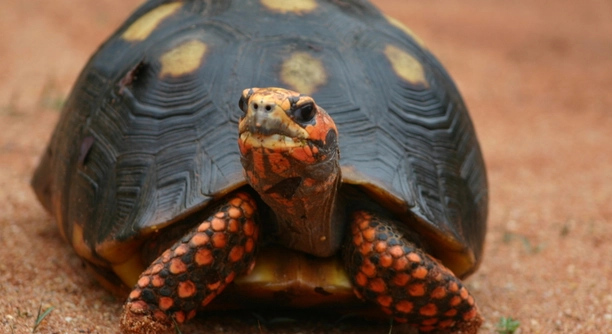
Red-footed tortoises are omnivores with a varied diet, and it’s important to understand which foods are safe for them. Nuts might be a tasty treat for humans, but they are not always suitable for these reptiles.
Red-footed tortoises can eat nuts in moderation, but some types are not safe. Nuts are high in fat, which can cause health issues like obesity and digestive problems. It is important to avoid nuts that are salty or flavored.
While some nuts may be safe, understanding which ones are harmful will ensure your tortoise stays healthy and happy in the long run.
The Risks of Feeding Nuts to Red-Footed Tortoises
Red-footed tortoises are naturally curious and will often sample anything they can get their hands on, including nuts. While nuts might seem like a good occasional treat, they pose several risks. Nuts are high in fats and can lead to obesity if consumed frequently. Their hard texture can also cause difficulties in digestion for tortoises, especially if they are not broken down properly. Over time, a diet too rich in nuts could contribute to other health problems such as heart disease or liver complications. It’s important to understand that while nuts are not toxic in small amounts, they should never be a regular part of your tortoise’s diet.
Certain nuts, such as almonds and cashews, can cause even more harm. They are often salted or flavored, which adds unnecessary sodium and artificial additives that can disrupt your tortoise’s system. Even in their raw form, these nuts should be avoided to prevent any potential issues.
Instead of nuts, focus on providing a variety of fruits, vegetables, and some plant-based protein. A balanced diet ensures that your tortoise gets all the necessary nutrients without the risks associated with high-fat, high-sodium foods.
Safe Alternatives to Nuts
There are many safe, nutrient-rich foods you can offer to your red-footed tortoise instead. Leafy greens like kale, collard greens, and dandelion greens are all excellent choices. These vegetables provide the necessary vitamins and minerals to keep your tortoise healthy. Fruit such as strawberries, melons, and papaya can be given in moderation as a sweet treat. Additionally, some high-fiber plant-based proteins like hibiscus flowers or edible cactus pads can also help diversify your tortoise’s diet.
These safe food options will ensure your tortoise maintains a healthy weight, a strong immune system, and a happy disposition. You don’t have to worry about harmful effects when you stick to foods that are natural and specifically suited to their needs. By focusing on a variety of plants, you can make sure your tortoise is getting a well-rounded, safe diet.
Why Some Nuts Are Harmful to Red-Footed Tortoises
Not all nuts are safe for tortoises, especially when consumed in large quantities. Nuts like peanuts, walnuts, and hazelnuts are high in fat, which can disrupt their digestive system. Too much fat can cause weight gain and lead to long-term health problems. The hard texture of nuts can also be difficult for tortoises to digest properly, which can result in gastrointestinal issues.
High-fat foods like nuts can have a negative impact on the overall health of your tortoise. Over time, these foods may cause obesity, which can lead to stress on their joints and organs. In extreme cases, heart problems may develop from an excessive intake of unhealthy fats. Tortoises that are fed nuts too often can also develop difficulty in processing their food, which can lead to constipation and discomfort.
A healthy diet for a red-footed tortoise is one that is low in fat and rich in plant-based foods. Offer fresh greens, fruits, and vegetables instead of nuts to keep your tortoise healthy. This will support their natural growth and energy levels without overloading their system.
How to Identify Safe Nuts
When selecting nuts for your tortoise, it’s essential to choose only those that are free of additives, salts, or sugars. Raw, unsalted nuts can be given in tiny amounts as an occasional treat. However, they should still be offered sparingly due to their high-fat content. A few nuts like raw almonds or cashews can be safely given, but only in moderation.
If you decide to feed nuts to your tortoise, always ensure that they are unsalted and free from any preservatives. Even in small amounts, salted or flavored nuts can cause dehydration and digestive distress. It’s important to observe your tortoise’s reaction to these treats. If they seem to have trouble with digestion or appear uncomfortable after eating nuts, it’s best to stop offering them altogether.
Risks of Feeding Nuts Too Frequently
Feeding nuts regularly can lead to several health problems for your tortoise. These high-fat foods are difficult to digest in large amounts, which can result in weight gain and obesity. Over time, this can cause stress on their organs and joints, leading to long-term health issues.
Nuts also contain protein and fat that aren’t necessary for a red-footed tortoise’s diet. Their digestive system isn’t designed to handle such rich foods often, which can cause discomfort or digestive issues. It’s best to limit the frequency of nuts to avoid putting unnecessary strain on their health.
Healthy Alternatives to Nuts
Instead of nuts, offer a variety of fruits and vegetables to your red-footed tortoise. Leafy greens like dandelion greens, kale, and collard greens are ideal for providing essential nutrients. Fruits such as papaya, strawberries, and melons are healthy options, but they should be offered in moderation due to their sugar content.
Rotating a range of plant-based foods ensures your tortoise gets all the necessary vitamins and minerals. When offering fruit, remember to remove seeds or pits, as they can be harmful to their health. Providing a balanced diet rich in plant material is key to your tortoise’s well-being.
The Importance of Variety in a Tortoise’s Diet
Offering a variety of foods is crucial to ensure your red-footed tortoise gets all the nutrients it needs. A diet that includes different types of leafy greens, flowers, and fruits will prevent deficiencies and keep your tortoise active and healthy. A well-balanced diet supports their immune system and promotes better digestion.
Tortoises are opportunistic feeders, meaning they thrive on a wide array of plant materials. A varied diet reduces the risk of overfeeding on one particular nutrient, which could cause imbalances. Mixing things up with new options keeps your tortoise mentally stimulated and excited about meal times.
FAQ
Can red-footed tortoises eat peanuts?
Peanuts are not ideal for red-footed tortoises. While they are not toxic, they are high in fat and salt, which can lead to health problems like obesity and kidney strain. Raw, unsalted peanuts in tiny amounts could be tolerated occasionally, but they should not become a regular part of your tortoise’s diet.
What types of nuts are safe for red-footed tortoises?
Some nuts, such as unsalted almonds, cashews, or hazelnuts, can be offered in moderation as an occasional treat. However, they should be raw and free of additives or salts. Always avoid nuts with sweet coatings or extra flavoring, as these can upset your tortoise’s digestive system.
How often can I feed nuts to my tortoise?
Nuts should only be offered very occasionally—maybe once or twice a month. Even then, they should be in small quantities. Red-footed tortoises do better with a diet rich in fruits, vegetables, and leafy greens, rather than fatty foods like nuts.
Can nuts cause any health problems for my red-footed tortoise?
Yes, frequent consumption of nuts can lead to obesity, digestive issues, and possibly liver or kidney problems due to their high-fat content. They can also cause dehydration if salted, affecting the tortoise’s overall health. It’s important to stick to a balanced diet with mostly plant-based foods.
Should I feed my tortoise nuts that have been roasted or salted?
No, you should never feed your tortoise roasted or salted nuts. Roasting alters the nutritional value of nuts and can make them harder for your tortoise to digest. Salted nuts, in particular, can cause dehydration and kidney problems. Stick to raw, unsalted varieties if you offer them at all.
Are there any nuts that are particularly dangerous for red-footed tortoises?
Some nuts, such as macadamia nuts, are particularly harmful to red-footed tortoises. These nuts are toxic to many animals, including tortoises, and should be avoided completely. Avoid all nuts that are processed, flavored, or contain preservatives, as these could also pose risks to their health.
Can red-footed tortoises eat seeds or nuts from fruits like pumpkins?
Yes, red-footed tortoises can eat seeds from certain fruits, such as pumpkins, in moderation. These seeds are a natural part of their diet in the wild. However, make sure the seeds are not from fruits that are toxic to tortoises, like apples or cherries.
What other foods should I avoid feeding my red-footed tortoise?
In addition to nuts, you should avoid feeding your tortoise foods high in oxalates (like spinach and beet greens), dairy products, and processed human foods. Citrus fruits should also be fed sparingly, as they can cause digestive issues. Stick to a varied diet of safe, fresh fruits, vegetables, and greens.
Can nuts be a good source of protein for my tortoise?
While nuts do contain protein, they are not a good protein source for tortoises. Red-footed tortoises are primarily herbivores and require plant-based proteins from leafy greens, flowers, and other vegetables. High-fat foods like nuts should not be relied upon for protein in their diet.
How do I know if my tortoise is having a bad reaction to nuts?
Signs that your tortoise may have had a bad reaction to nuts include bloating, lethargy, diarrhea, or difficulty walking. If your tortoise shows any of these symptoms after eating nuts, remove them from their diet immediately and consult a vet. Proper care is essential to prevent any long-term damage.
What other treats can I give my red-footed tortoise?
There are many healthier treats you can offer, such as flowers (hibiscus, dandelions), fruit (strawberries, papaya), and edible plants (clover, basil). These treats are safe and can provide important nutrients, unlike nuts, which offer little benefit. Just be sure to offer them in moderation.
How can I ensure my red-footed tortoise is eating a balanced diet?
To maintain a balanced diet, provide a variety of leafy greens, fruits, and vegetables. Avoid feeding them the same thing every day. Ensure they have access to fresh water and that their food is free from pesticides. Regularly check their weight and health to adjust their diet if necessary.
Can I feed my tortoise nuts from my own diet?
If you do want to give your tortoise nuts from your diet, make sure they are unsalted and unprocessed. However, it’s best to avoid this practice since human diets often include ingredients that are harmful to tortoises. Stick to food specifically suited for them.
Can feeding nuts make my tortoise overweight?
Yes, feeding nuts frequently can contribute to weight gain because of their high-fat content. Tortoises are not equipped to handle such dense, calorie-rich foods. Over time, this can lead to obesity, which can negatively affect their health, mobility, and lifespan.
Is it okay to feed red-footed tortoises the shells of nuts?
No, you should not feed the shells of nuts to your tortoise. Nut shells are too hard and could pose a choking hazard or cause damage to their digestive system. Only offer the nut inside, and ensure it is safe and appropriate for tortoises.
Final Thoughts
When feeding your red-footed tortoise, it’s important to prioritize a balanced, plant-based diet that includes a variety of fruits, vegetables, and greens. While nuts might seem like an interesting treat, they should not be a regular part of their diet. The high-fat and high-sodium content in many nuts can be harmful to their health. It’s crucial to understand that tortoises thrive on foods that offer the necessary nutrients they need for proper growth and development.
Nuts should only be given in moderation, if at all. If you choose to offer nuts, make sure they are raw, unsalted, and unseasoned. Offering them too often could lead to obesity, dehydration, and other health issues. Red-footed tortoises are herbivores and benefit from a diet rich in natural plant-based foods. Regularly monitoring their diet is key to keeping them healthy and preventing unnecessary health problems.
Ultimately, the best approach to feeding your red-footed tortoise is one that focuses on safe, species-appropriate foods. It’s essential to avoid processed foods and those high in fat, sugar, or salt. Stick to fruits, vegetables, and edible plants that provide vital vitamins and minerals. Regular veterinary check-ups can also help ensure that your tortoise remains in good health, helping you make informed decisions about their diet and care.

Hello,
If you enjoy the content that we create, please consider saying a "Thank You!" by leaving a tip.
Every little bit helps us continue crafting quality advice that supports the health, happiness, and well-being of pets around the world, for pets of all shapes, sizes, and species.
We really appreciate the kindness and support that you show us!