
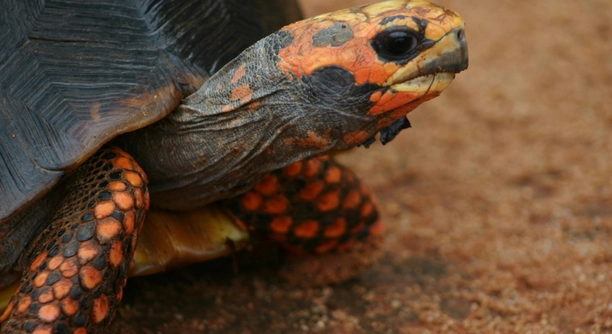
Red-footed tortoises are wonderful companions, but their tank can develop strong odors if not properly maintained. These smells can be unpleasant, but they’re not difficult to manage with a few simple steps.
To reduce odors in a red-footed tortoise tank, regular cleaning, proper ventilation, and the use of natural deodorizers are essential. Cleaning the substrate, removing waste, and ensuring the tank is dry can significantly help minimize any unwanted smells.
Implementing these strategies will help maintain a fresh environment for your tortoise.
Clean the Tank Regularly
The key to reducing odors in a red-footed tortoise tank is consistent cleaning. Regularly removing uneaten food, waste, and soiled substrate will prevent bacteria growth and keep unpleasant smells at bay. Spot-clean daily by wiping surfaces, picking up droppings, and refreshing the bedding. Ensure that all corners and hidden spots are cleaned properly to avoid odor build-up.
Keep the tank dry, as damp conditions can lead to mold and mildew, further contributing to bad odors. Using a water filter can help keep the water clean and reduce foul smells. Cleaning the water and replacing it as needed will make a noticeable difference.
When cleaning the tank, use non-toxic, pet-safe cleaners. Avoid harsh chemicals that could harm your tortoise. It’s essential to create a safe, clean environment that your red-footed tortoise can enjoy without being exposed to potentially harmful substances. A well-maintained tank will reduce odors and promote your tortoise’s health.
Ventilation Is Crucial
Adequate airflow will help prevent odors from lingering in your tortoise’s tank.
Proper ventilation is necessary for maintaining a healthy environment for your red-footed tortoise. It allows fresh air to circulate and removes the moisture that can contribute to bad smells. If the tank is in a closed area, ensure it has vents or airflow systems.
Use Natural Deodorizers
Baking soda is an effective, natural deodorizer for a red-footed tortoise tank. Sprinkle it on the substrate, let it sit for a few hours, then vacuum it up. This will absorb unwanted smells without introducing harmful chemicals to the environment.
Activated charcoal is another excellent option for absorbing odors. Place a small pouch of charcoal in the tank’s filtration system or hidden corners to neutralize any smells. It’s important to regularly replace the charcoal to maintain its effectiveness.
Avoid using air fresheners or scented candles near the tank. These can be harmful to your tortoise’s respiratory system. Stick with natural deodorizers like baking soda and charcoal to keep the tank fresh and safe.
Control Humidity Levels
Maintaining proper humidity is crucial for your red-footed tortoise’s health and odor control.
Use a hygrometer to monitor the tank’s humidity levels. Red-footed tortoises thrive in a humidity range of 50-70%. If the tank is too humid, it can create a damp environment that leads to mold growth and odors. Use a dehumidifier or ventilation system to regulate moisture levels.
Too little humidity can cause dehydration and stress, but managing the balance is key. Providing a humid hide and misting the tank occasionally can help maintain appropriate levels. This will ensure that your tortoise stays comfortable and healthy while also reducing unpleasant odors caused by poor humidity management.
Remove Uneaten Food
Uneaten food quickly starts to rot, creating strong odors in the tank. Make it a habit to remove leftover food after your tortoise has eaten.
If you leave food in the tank for too long, it can mold or decay, leading to a musty smell. Always dispose of food waste immediately to keep the tank smelling fresh.
Replace Substrate Regularly
Substrate can trap waste and moisture, which contributes to odors. Replacing it regularly ensures that the tank remains clean and fresh.
Switch out the substrate every few weeks or as needed to prevent buildup. Choose a substrate material that dries quickly and doesn’t retain moisture, helping to control odors and bacteria growth.
FAQ
How often should I clean my red-footed tortoise’s tank?
Cleaning frequency depends on the size of the tank and the number of tortoises. In general, it’s recommended to spot-clean daily by removing waste and uneaten food. Perform a full cleaning, including substrate changes and disinfecting surfaces, every two to four weeks. Regular cleaning helps maintain a fresh environment and prevents the build-up of harmful bacteria.
Can I use regular cleaning products to clean my tortoise’s tank?
Avoid using harsh chemicals like bleach, ammonia, or other strong cleaning products. These can be harmful to your tortoise’s sensitive skin and respiratory system. Instead, opt for pet-safe, non-toxic cleaners. You can also clean the tank with warm water and mild dish soap if necessary. Always ensure the tank is thoroughly rinsed before placing your tortoise back inside.
Is it okay to use scented products in my tortoise’s tank?
No, scented products like air fresheners, candles, or essential oils should be avoided. These products can irritate your tortoise’s respiratory system and introduce harmful chemicals into the environment. Stick to natural methods like baking soda or activated charcoal to control odors.
What’s the best substrate for a red-footed tortoise tank?
A mix of coconut coir and orchid bark is an excellent choice for red-footed tortoises. This combination allows for good moisture retention while ensuring the substrate doesn’t become too damp, which could lead to mold or bad odors. Avoid using sand or soil that retains too much moisture. Keep the substrate dry, and replace it regularly to maintain a fresh environment.
How do I prevent mold from growing in my tortoise’s tank?
Mold thrives in moist environments. To prevent it from forming, ensure your tank has proper ventilation and humidity control. If mold does appear, remove it immediately by cleaning the affected area with a mild, pet-safe cleaner. If the mold is in the substrate, replace it entirely. Keep humidity levels within the recommended range for red-footed tortoises to avoid excess moisture in the tank.
Can I use a dehumidifier in my tortoise’s tank?
Using a dehumidifier can be helpful in controlling excess moisture in the tank, especially if your home’s humidity is too high. However, it’s essential not to let the tank become too dry. Red-footed tortoises need humidity levels between 50-70%. Use a hygrometer to monitor the conditions and ensure they remain optimal for your tortoise’s health.
How can I reduce odors from my tortoise’s waste?
The most effective way to reduce odors from waste is to clean it promptly. Remove droppings daily to prevent bacteria and mold from forming. You can also use a shallow tray with bedding in the tank for your tortoise to use as a designated bathroom spot. This can make waste removal easier and help control odors.
Is it safe to use a filter in my tortoise’s water bowl?
Using a water filter in the tortoise’s water bowl can help keep the water clean and reduce odors. Make sure the filter is specifically designed for reptiles and regularly clean or replace it to ensure it remains effective. It’s essential to change the water frequently to prevent any build-up of waste or bacteria.
How do I know if the humidity is too high for my tortoise?
High humidity can cause discomfort and even respiratory issues for your red-footed tortoise. If you notice condensation on the tank walls or a damp, musty smell, the humidity may be too high. You can use a hygrometer to measure humidity levels. If it exceeds 70%, reduce it by increasing ventilation or using a dehumidifier.
What are some signs of respiratory problems in a red-footed tortoise?
Signs of respiratory problems include wheezing, nasal discharge, difficulty breathing, or lethargy. If you notice these symptoms, it’s essential to consult a veterinarian as soon as possible. Respiratory issues can result from improper humidity levels, poor ventilation, or exposure to harmful chemicals, so maintaining proper tank conditions is crucial for your tortoise’s health.
How can I maintain the right temperature in my tortoise’s tank?
Temperature regulation is essential for a red-footed tortoise’s health. Provide a temperature gradient in the tank, with a basking spot around 85-90°F (29-32°C) and a cooler area around 75°F (24°C). Use a reptile heat lamp for the basking area and a thermostat to monitor and adjust the temperature as needed.
Should I add live plants to my tortoise’s tank?
Adding live plants can help create a more natural environment for your red-footed tortoise. However, be cautious about the types of plants you choose. Some plants are toxic to tortoises. Non-toxic plants like hibiscus, dandelions, and grasses are good options. Live plants also help with humidity regulation and provide hiding spots, which can reduce stress for your tortoise.
How can I control odors if I have more than one tortoise?
If you have multiple tortoises, cleaning and maintaining the tank becomes even more important. Increase the frequency of spot cleaning to accommodate the extra waste. Consider setting up a larger tank with proper ventilation to ensure the space doesn’t become too crowded or too humid. More tortoises mean more waste, so managing the tank effectively will help control odors.
Final Thoughts
Maintaining a clean and odor-free environment for your red-footed tortoise is essential for both their health and your comfort. Regular cleaning of their tank, removing uneaten food, and replacing the substrate help prevent odors from developing. Keeping the tank dry, using proper ventilation, and adjusting humidity levels are also important steps to ensure a fresh habitat. Routine maintenance is key to avoiding common issues that lead to unpleasant smells, such as mold or decaying food.
In addition to cleaning, choosing the right substrate, such as coconut coir or orchid bark, can make a big difference in controlling odors. These materials allow for proper moisture control and prevent excess dampness, which could cause bacteria growth and unpleasant smells. Having the right humidity levels, between 50-70%, is also important. Too much humidity can lead to mold, while too little can cause dehydration in your tortoise. Always monitor the environment to ensure it stays balanced and healthy.
The steps you take to care for your tortoise’s tank will have a lasting effect on both the well-being of your pet and the cleanliness of your home. Consistent cleaning, proper ventilation, and making informed decisions about what goes into the tank can reduce odors significantly. Remember, your red-footed tortoise’s living space should be comfortable and safe. By following simple practices and keeping up with regular maintenance, you can ensure a pleasant environment for both you and your tortoise.

Hello,
If you enjoy the content that we create, please consider saying a "Thank You!" by leaving a tip.
Every little bit helps us continue crafting quality advice that supports the health, happiness, and well-being of pets around the world, for pets of all shapes, sizes, and species.
We really appreciate the kindness and support that you show us!