
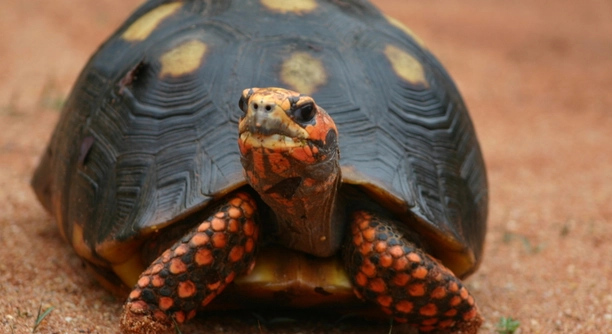
Red-footed tortoises are herbivores with a varied diet. Many wonder if cabbage can be part of their meals. Cabbage is commonly found in the diet of various reptiles. Understanding its role is important for their health.
Cabbage can be safely fed to red-footed tortoises in moderation. However, it should not be their primary food source due to its high fiber content and potential for digestive issues. A balanced diet with variety is crucial.
Understanding how cabbage affects their diet helps ensure a healthy, balanced meal plan for your tortoise.
Why Cabbage Might Not Be the Best Staple for Your Tortoise’s Diet
Cabbage contains high levels of fiber and goitrogens, which can interfere with thyroid function in red-footed tortoises if fed too frequently. While cabbage is safe in small amounts, it’s important to balance it with other vegetables that provide a broader range of nutrients. Overfeeding cabbage could lead to digestive issues, especially if it’s the only vegetable offered.
Even though cabbage is rich in vitamins, feeding it regularly can result in potential health concerns. Your tortoise’s diet should include a mix of leafy greens, such as dandelion greens and collard greens, to ensure they receive the vitamins and minerals they need.
Moderation is key when it comes to cabbage. It is best to offer it occasionally as a treat rather than making it a daily staple. Keeping variety in their diet will ensure they remain healthy and active. By including a wider range of vegetables, you are supporting their overall well-being and avoiding the risks associated with excessive cabbage intake.
Cabbage’s Nutritional Value
Cabbage provides vitamin C and antioxidants but lacks certain essential nutrients red-footed tortoises need. A more varied diet supports their long-term health.
Feeding cabbage sparingly won’t cause harm but should be complemented with other nutritious foods. Providing a diverse selection of vegetables will help maintain their health and energy levels.
What Other Vegetables Can Red-Footed Tortoises Eat?
Red-footed tortoises thrive on a varied diet of leafy greens, vegetables, and fruits. Offering them a mix of dandelion greens, collard greens, mustard greens, and even squash ensures they get a wide range of nutrients. These vegetables are rich in calcium and other essential vitamins.
Leafy greens should make up the bulk of their diet. You can also include herbs such as parsley and cilantro, which are safe and nutritious. Carrots, bell peppers, and green beans can be fed occasionally to provide variety.
Adding fruit like strawberries, melon, and mango provides additional vitamins and hydration. These should be given sparingly, as too much fruit can lead to digestive problems. A balanced diet with plenty of variety will support their overall health, making them feel more energetic and active.
Potential Health Risks of Feeding Too Much Cabbage
Feeding cabbage too frequently can cause bloating, gas, and discomfort in red-footed tortoises. Due to its high fiber content, it may also lead to diarrhea if overfed. Regularly consuming cabbage may also disrupt the balance of nutrients in their system, leaving them more susceptible to illnesses.
Excessive cabbage can affect the absorption of iodine, leading to thyroid issues. These issues can impact your tortoise’s overall growth and development, as iodine is necessary for healthy thyroid function. Over time, feeding cabbage regularly may cause long-term damage to their health, especially if it’s their primary source of greens.
To keep your tortoise healthy, ensure that cabbage is offered only in small amounts. The best approach is to provide a variety of vegetables to meet all their nutritional needs. Balancing cabbage with other greens helps maintain a healthy diet.
How Often Can You Feed Cabbage to Your Tortoise?
Cabbage should be offered to red-footed tortoises sparingly, about once or twice a week. Too much can cause digestive discomfort and disrupt their nutrient balance. Limiting cabbage intake helps prevent potential thyroid issues linked to excessive consumption.
The key is moderation. Red-footed tortoises benefit from a wide variety of greens, so rotate between different vegetables. This way, they receive all the necessary nutrients without the risk of overloading on fiber or goitrogens found in cabbage.
The Role of Calcium in Your Tortoise’s Diet
Calcium plays a critical role in the health of red-footed tortoises. It supports their shell development, bone health, and overall function. Regularly providing calcium-rich foods like dark leafy greens, kale, and calcium supplements ensures they meet their daily needs.
A proper calcium-to-phosphorus ratio is essential for strong bones. Without sufficient calcium, tortoises can develop metabolic bone disease, which leads to soft or malformed shells and bones. Be sure to include calcium-rich foods while also maintaining a balance with other vegetables.
The Benefits of a Balanced Diet
A balanced diet contributes to a red-footed tortoise’s longevity and overall well-being. Offering a variety of vegetables and fruits ensures they get the vitamins, minerals, and fiber needed for proper digestion and immune function.
Providing a wide range of nutrients helps prevent dietary deficiencies and supports healthy growth. A balanced diet makes a noticeable difference in your tortoise’s energy levels, shell condition, and activity. Keeping their meals varied and nutritionally rich will keep them in top condition for years to come.
FAQ
Can red-footed tortoises eat cabbage every day?
Cabbage should not be a daily food for red-footed tortoises. While it’s safe in small amounts, regular consumption can lead to digestive problems, including bloating and diarrhea. Additionally, cabbage contains goitrogens, which can interfere with thyroid function if fed too often. A varied diet with different greens and vegetables will better support your tortoise’s health.
Is cabbage toxic to red-footed tortoises?
Cabbage is not toxic to red-footed tortoises, but it can cause health issues if fed in excess. It contains substances like fiber and goitrogens, which can negatively impact their digestive system and thyroid function. Offering cabbage occasionally, rather than frequently, reduces the risk of these health problems.
What vegetables are best for red-footed tortoises?
Red-footed tortoises thrive on a variety of leafy greens such as dandelion greens, collard greens, and mustard greens. Other safe vegetables include squash, carrots, bell peppers, and green beans. Offering a wide range of veggies helps ensure they get the necessary vitamins and minerals, preventing nutritional imbalances.
Can red-footed tortoises eat fruits?
Fruits like strawberries, blueberries, melons, and mangoes are safe in moderation. While fruit provides valuable vitamins and hydration, it’s high in sugar, which can upset your tortoise’s digestive system if overfed. Fruits should be offered as an occasional treat, not a staple of their diet.
How often should I feed my red-footed tortoise?
Adult red-footed tortoises should be fed every other day, offering a fresh variety of vegetables. Young tortoises need daily meals to support their growth. In both cases, it’s important to provide a balanced diet with proper calcium levels. Offering different types of greens and occasional fruits helps maintain their health.
Can cabbage be harmful to my tortoise’s shell?
Feeding cabbage in moderation does not directly harm your tortoise’s shell. However, excessive cabbage can cause digestive problems, leading to nutrient deficiencies, which can indirectly affect shell health. A well-rounded diet that includes a mix of calcium-rich vegetables is essential for maintaining a healthy shell.
Should I offer cabbage cooked or raw?
Cabbage should always be offered raw to red-footed tortoises. Cooking cabbage reduces its nutritional value, and some heat-sensitive nutrients are lost in the process. Additionally, raw cabbage provides more fiber, which is beneficial for their digestion in moderation.
Can cabbage cause thyroid problems in red-footed tortoises?
Yes, cabbage contains goitrogens that can interfere with iodine absorption, leading to thyroid issues. If cabbage is fed regularly in large amounts, it can cause goiter, a condition where the thyroid gland enlarges. To avoid this, feed cabbage sparingly and ensure your tortoise’s diet includes a variety of other greens.
How can I ensure my red-footed tortoise gets enough calcium?
To ensure your red-footed tortoise gets enough calcium, provide a diet that includes calcium-rich greens like kale, dandelion greens, and collard greens. You can also supplement their diet with a calcium powder. It’s essential to maintain a proper calcium-to-phosphorus ratio to promote healthy shell and bone development.
Is it safe to feed red-footed tortoises store-bought lettuce?
While red-footed tortoises can eat lettuce, it’s not the best option. Lettuce, especially iceberg lettuce, has very low nutritional value and is high in water content. It can be fed occasionally, but it should not make up a significant portion of their diet. Stick to more nutrient-dense greens for better overall health.
Can red-footed tortoises eat flowers?
Many red-footed tortoises enjoy eating safe, pesticide-free flowers. Flowers like hibiscus, dandelions, and nasturtiums are excellent options to offer them. They provide extra nutrients and variety in their diet. Be sure to avoid any flowers that may be toxic to tortoises or have been treated with chemicals.
Should I remove cabbage if my tortoise doesn’t eat it right away?
If your red-footed tortoise does not eat cabbage after offering it, it’s best to remove it after a few hours. Leaving uneaten cabbage in their enclosure can lead to spoilage, which can cause harmful bacteria to grow. Always provide fresh food, and monitor what they are eating to avoid waste.
Is cabbage safe for baby red-footed tortoises?
Baby red-footed tortoises have more delicate digestive systems, so it’s best to avoid feeding them cabbage frequently. Their bodies are still developing, and too much cabbage can lead to digestive issues. For young tortoises, focus on providing easily digestible, calcium-rich greens to support their growth and development.
Final Thoughts
When considering whether red-footed tortoises can eat cabbage, it’s important to remember that moderation is key. While cabbage is not toxic to tortoises, its consumption should be limited due to the goitrogens it contains. These substances can affect thyroid function if fed regularly in large amounts. It’s essential to offer a variety of vegetables and greens to ensure your tortoise receives all the necessary nutrients for healthy growth and a well-functioning system. By balancing cabbage with other nutritious foods, you can avoid any potential risks and help your tortoise thrive.
A balanced diet is crucial for the overall health of red-footed tortoises. They require a diverse range of foods to meet their nutritional needs, including leafy greens, fruits, and vegetables. Calcium, in particular, is important for maintaining strong bones and a healthy shell. By providing a varied diet that includes safe vegetables like dandelion greens, kale, and collard greens, as well as occasional fruits like strawberries or mangoes, you can ensure your tortoise receives the proper vitamins and minerals. This diversity helps prevent deficiencies and supports long-term health.
Ultimately, caring for a red-footed tortoise involves more than just feeding them cabbage or other specific foods. It’s about offering a well-rounded diet and considering all aspects of their care, from habitat to nutrition. By understanding what foods are safe and beneficial, you can create a feeding routine that supports your tortoise’s health. Regularly monitoring their diet and avoiding excessive amounts of any one food ensures they stay strong and active for years to come.

Hello,
If you enjoy the content that we create, please consider saying a "Thank You!" by leaving a tip.
Every little bit helps us continue crafting quality advice that supports the health, happiness, and well-being of pets around the world, for pets of all shapes, sizes, and species.
We really appreciate the kindness and support that you show us!