
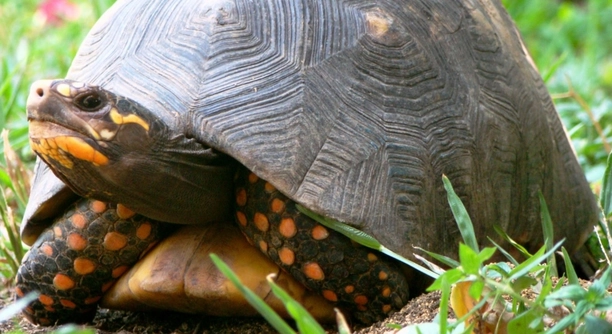
Red-footed tortoises are known for their varied diet, often including fruits, vegetables, and plants. One common question that arises is whether they can eat pomegranate. Let’s explore what you need to know about this fruit and its effects.
Red-footed tortoises can eat pomegranate in moderation. The fruit offers beneficial nutrients like fiber and antioxidants. However, too much pomegranate can cause digestive issues due to its acidity and sugar content, so it should be offered sparingly.
Knowing how much pomegranate to give your tortoise can help avoid any potential health problems. Let’s dive into the details to keep your pet healthy and happy.
Can Pomegranate Be Good for Red-Footed Tortoises?
Pomegranate is a colorful and nutritious fruit that can be appealing to red-footed tortoises. It’s packed with vitamins, minerals, and antioxidants that can support overall health. The seeds are particularly tasty, offering a sweet treat that many tortoises enjoy. However, like any fruit, it comes with both benefits and risks. The fruit’s high sugar and acidity levels can be tough on your tortoise’s digestive system if consumed too frequently.
Offering pomegranate in moderation can provide a nice variety in their diet, adding some excitement to mealtime. It’s important to ensure that they’re getting a balanced diet, with plenty of fiber and other essential nutrients. While pomegranate isn’t harmful in small amounts, it shouldn’t make up a large portion of their diet. Make sure you remove any seeds or excess pulp that could cause a choking hazard.
Incorporating pomegranate as an occasional treat can help your tortoise stay satisfied without compromising their health. Keep an eye on portion sizes to avoid upsetting their digestive system.
The Risks of Overfeeding Pomegranate
Overfeeding pomegranate can lead to digestive issues for red-footed tortoises. The high sugar content can cause gastrointestinal problems if they eat too much. This could result in diarrhea or an upset stomach, which can affect their overall health and hydration.
The acidity in the fruit can also be a concern. If consumed too often, it may irritate their stomach lining. Though pomegranate has some health benefits, it’s best to limit it to small portions every few weeks to avoid any complications. When feeding it, make sure to wash the fruit thoroughly to remove pesticides or harmful chemicals.
Pomegranate should only be given in moderation, ensuring your tortoise gets a variety of other fruits and vegetables to balance their diet.
How to Safely Feed Pomegranate to Red-Footed Tortoises
Pomegranate should be given in moderation. Start by offering small amounts and watch how your tortoise reacts. Remove the seeds before feeding, as they can be a choking hazard.
A good way to offer pomegranate is by cutting it into small, manageable pieces. You can mix it with other safe fruits or leafy greens to ensure your tortoise gets a balanced diet. Avoid giving too much at once. Start with a teaspoon-sized serving to see how they handle it. It’s essential to keep their main diet filled with fiber-rich vegetables and plants for overall health.
If you decide to feed pomegranate, always remove any excess pulp or skin. These parts of the fruit are not as nutritious and may cause digestive issues. Be mindful of the fruit’s acidity, which may affect their stomach if they consume too much at once.
Other Fruits for Red-Footed Tortoises
Red-footed tortoises can enjoy a variety of fruits, but moderation is key. Some safe fruits include apples, melons, berries, and bananas. These options are lower in acidity compared to pomegranate and offer a balance of vitamins and minerals.
These fruits can be served in small portions, offering variety to their diet. However, always avoid giving fruits high in sugar, like grapes, in excess, as they can upset their digestive system. Stick to providing these fruits every few days, rather than daily, to maintain a balanced diet. Fruits should never replace the staple of leafy greens, which are essential for your tortoise’s digestion and health. Always wash fruits thoroughly to remove any pesticides before serving them.
Signs of Overfeeding Pomegranate
If your red-footed tortoise eats too much pomegranate, you may notice some signs of digestive distress. Look for symptoms like diarrhea, bloating, or a lack of appetite. These are common indicators that they’ve had too much sugar or acidity.
Digestive upset can lead to dehydration, so monitor their water intake. If your tortoise appears lethargic or uncomfortable, it’s a sign to stop feeding them pomegranate for a while. Giving them plenty of fresh water and returning to their regular diet of leafy greens will help them recover.
How to Keep Their Diet Balanced
Maintaining a balanced diet for your tortoise involves more than just fruits. Offer a variety of dark leafy greens like collard greens, dandelion greens, and mustard greens. These are high in fiber and nutrients, providing the base of their diet.
You can also add occasional vegetables like carrots, squash, and bell peppers. These provide important vitamins and minerals. Avoid offering too much fruit or other high-sugar foods, as they can upset their digestion. Variety is key, and fresh water should always be available for your tortoise.
The Importance of Variety in Their Diet
A varied diet ensures your tortoise gets all the essential nutrients they need. This helps prevent deficiencies and keeps them healthy. By rotating different vegetables, fruits, and leafy greens, you can provide a wide range of vitamins and minerals.
FAQ
Can red-footed tortoises eat pomegranate seeds?
Red-footed tortoises can technically eat pomegranate seeds, but they can pose a choking hazard. It’s best to remove the seeds and feed only the soft, fleshy part of the fruit. The seeds are tough to digest and may cause discomfort or blockage.
How often should I feed pomegranate to my tortoise?
Pomegranate should be treated as an occasional treat. Feeding it once every couple of weeks is ideal. Overfeeding can cause digestive issues due to the high sugar content. A small, teaspoon-sized serving is enough to avoid any complications.
Are there any fruits that are better for red-footed tortoises than pomegranate?
Yes, there are other fruits that are easier on a tortoise’s digestive system. Berries like strawberries, raspberries, and blueberries, as well as melons and apples, are great alternatives. These fruits are lower in acidity and sugar, making them gentler on their stomachs.
Can I feed my tortoise pomegranate every day?
No, feeding pomegranate every day is not recommended. It’s too sugary and acidic for regular consumption, and it can cause digestive upset if fed too often. Sticking to a varied diet with more fiber-rich vegetables and occasional fruits is the best approach.
What other treats can I give my red-footed tortoise?
Red-footed tortoises enjoy a variety of treats. Safe options include dark leafy greens like collard greens and dandelion greens, as well as vegetables like squash, carrots, and bell peppers. Fruits should be given sparingly, with treats like papaya and mango also being good choices.
Should I be concerned about the sugar content in pomegranate?
Yes, the high sugar content in pomegranate is a concern when feeding it to red-footed tortoises. Excess sugar can lead to digestive problems like diarrhea, bloating, and even dehydration. It’s important to limit the amount of sugar in their diet by offering fruit in moderation.
Is it okay to feed red-footed tortoises other citrus fruits?
Citrus fruits, like oranges and lemons, are not recommended for red-footed tortoises. They are highly acidic and can cause stomach irritation or digestive upset. Stick to milder fruits with lower acidity, such as melons and berries, for occasional treats.
How do I prepare pomegranate for my tortoise?
To prepare pomegranate for your red-footed tortoise, simply cut the fruit open and remove the seeds. You can offer the fleshy part in small, bite-sized pieces. Be sure to wash the fruit well to remove any chemicals or pesticides before serving it to your tortoise.
Can pomegranate help with my tortoise’s hydration?
Pomegranate can provide some hydration due to its high water content, but it should not replace fresh water. Always ensure that your tortoise has access to clean water at all times. Fruits can contribute to hydration, but they should be part of a balanced diet, not a primary source.
What are the signs of a tortoise having too much pomegranate?
If your tortoise has eaten too much pomegranate, you might notice signs like diarrhea, bloating, or a lack of appetite. They may also seem lethargic or uncomfortable. If you observe these symptoms, stop feeding pomegranate and give your tortoise plenty of fresh water to help with digestion.
Can red-footed tortoises eat dried pomegranate?
Dried pomegranate is not recommended for red-footed tortoises. It tends to have a higher concentration of sugar and lacks the moisture found in fresh pomegranate. The lack of water could also cause dehydration, so stick with fresh pomegranate if you decide to feed it to your tortoise.
What other fruits should I avoid giving my red-footed tortoise?
In addition to citrus fruits, avoid giving your red-footed tortoise grapes, pineapple, and high-sugar fruits. These can lead to digestive problems, and the high sugar content may cause imbalance in their diet. Always choose fruits that are low in acidity and sugar, offering them sparingly.
Can pomegranate be beneficial for my tortoise’s health?
Pomegranate can provide some health benefits in moderation. It is rich in antioxidants, fiber, and vitamin C, which can support immune health. However, because it’s high in sugar, it should only be offered occasionally to avoid any negative effects on your tortoise’s digestive system.
What should I do if my tortoise eats too much pomegranate?
If your tortoise has eaten too much pomegranate, remove it from their diet immediately. Ensure they have access to plenty of fresh water and return to their regular diet of leafy greens and vegetables. If symptoms like diarrhea or discomfort persist, consult a vet.
Final Thoughts
Feeding your red-footed tortoise pomegranate can be a fun treat, but it’s important to remember that it should be given in moderation. While pomegranate offers some health benefits, such as antioxidants and vitamins, it also contains high amounts of sugar and acidity. These elements can upset your tortoise’s digestive system if consumed in large quantities. Like any treat, it’s best to offer it occasionally and in small portions.
Maintaining a balanced diet for your tortoise is key to its long-term health. A proper diet should primarily consist of leafy greens, vegetables, and a variety of safe fruits. By providing a mix of these foods, you ensure that your tortoise receives the essential nutrients it needs for optimal growth and well-being. Fruits like pomegranate can be part of that diet, but they should never replace the main components of their meals.
In the end, it’s about knowing the right balance. Offering a variety of safe, healthy foods will support your tortoise’s health and prevent any digestive issues. Keep an eye on how your tortoise reacts to different foods and adjust accordingly. With the right care and diet, your red-footed tortoise will thrive and enjoy its treats without any negative side effects.

Hello,
If you enjoy the content that we create, please consider saying a "Thank You!" by leaving a tip.
Every little bit helps us continue crafting quality advice that supports the health, happiness, and well-being of pets around the world, for pets of all shapes, sizes, and species.
We really appreciate the kindness and support that you show us!