
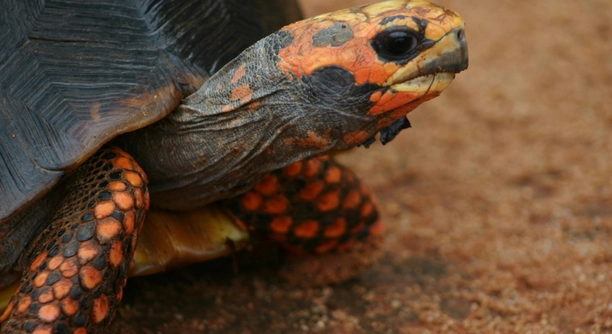
Red-footed tortoises are gentle and curious creatures, often enjoying a variety of foods in their diet. However, not all foods are safe for them to consume. Understanding which foods can be harmful is crucial for their well-being.
Certain foods can be toxic to red-footed tortoises, affecting their health in various ways. For instance, foods high in oxalates, like spinach, can cause kidney issues. Additionally, certain fruits and vegetables may disrupt their digestion or even lead to poisoning.
It is important to keep these harmful foods away from your tortoise. This article will guide you through the common foods to avoid and help ensure your tortoise stays healthy and safe.
Foods to Avoid for Red-Footed Tortoises
Red-footed tortoises are prone to health problems if they eat the wrong foods. While they may seem harmless, certain items can lead to kidney failure, digestive issues, or even death. It is important to be cautious when offering your tortoise food, ensuring it is appropriate for their specific needs. Feeding them a balanced diet can help them live a long, healthy life.
Common foods like spinach, kale, and rhubarb are often considered dangerous for tortoises due to their high levels of oxalates. These compounds can cause kidney problems when consumed in large amounts. Tortoises rely on a diet of leafy greens, fruits, and vegetables, but it’s crucial to know which ones are safe and which should be avoided.
Tortoises can also struggle with foods that are high in fats or sugars. Some fruits, such as apples and grapes, are not harmful in moderation but should be limited due to their sugar content. Overfeeding them these items can lead to obesity and other health problems.
Foods That Can Cause Digestive Issues
Certain foods can cause digestive issues in red-footed tortoises. Dairy products, for example, are not digestible for them and can lead to discomfort or more severe problems. Avoid giving them dairy under any circumstances.
High-protein foods such as meat or dog food should also be avoided, as they are too rich for a tortoise’s digestive system. The red-footed tortoise’s diet should primarily consist of plant material. Overconsumption of protein can cause kidney stress and other internal problems. Be mindful of their diet to prevent any long-term health effects. Providing a variety of leafy greens and fibrous plants will ensure they get the proper nutrients without overwhelming their system. Stick to foods that mimic their natural diet in the wild to maintain their health and energy levels.
Fruits That Can Be Harmful
Fruits like avocados and citrus should be avoided for red-footed tortoises. Avocados contain a substance called persin, which can cause heart damage in tortoises. Citrus fruits, like oranges and lemons, are too acidic for their digestive system.
Even though fruits can be a part of their diet, not all of them are safe. Avocados, in particular, can be toxic and should never be fed to tortoises. The high-fat content of this fruit can also cause internal issues. Citrus fruits can disrupt the delicate balance of their digestive system, leading to stomach upset or diarrhea.
Moderation is key when offering fruits. If you decide to include fruits in your tortoise’s diet, be sure to choose safe options such as berries or melons. However, always offer fruits in small amounts to avoid overloading their system. Keeping a balanced diet is essential for their health.
Vegetables to Avoid
Some vegetables can be harmful to red-footed tortoises. Iceberg lettuce, for example, lacks nutritional value and can cause digestive problems. Avoid feeding them large amounts of lettuce, especially types with low nutritional content.
Lettuce, especially iceberg lettuce, has a high water content but lacks vital nutrients like fiber and vitamins. Feeding tortoises too much lettuce can lead to diarrhea and dehydration. Instead, choose darker leafy greens like collard greens or dandelion leaves, which provide more nutritional value. These vegetables also support their overall digestion and health.
Avoiding vegetables high in oxalates, like beet greens, is also important. Oxalates can bind to calcium, preventing proper absorption. This can lead to shell and bone health issues in the long run. Stick to a variety of nutrient-rich greens that promote good health.
Toxic Flowers and Plants
Certain flowers and plants are toxic to red-footed tortoises. Some common garden plants, like daffodils and lilies, can cause poisoning if consumed. Always be aware of the plants around your tortoise’s habitat.
Tortoises are known to nibble on plants, so it’s important to remove any toxic flowers from their environment. Daffodils contain compounds that can cause vomiting, diarrhea, and even heart issues if ingested. Lilies can be equally harmful, leading to kidney failure. It’s best to stick to safe, tortoise-friendly plants like clover or dandelions, which are both nutritious and safe.
Processed Foods
Processed foods, such as canned vegetables or pre-packaged snacks, should never be given to red-footed tortoises. These foods often contain preservatives and artificial additives, which can harm their health.
Canned vegetables and other processed foods may seem convenient, but they are far from ideal for your tortoise. These foods often have high salt content, preservatives, and other chemicals that are toxic to tortoises. These chemicals can disrupt their digestive system and cause serious health problems, including kidney and liver damage. Stick to fresh, natural food sources for your tortoise.
High-Starch Foods
Foods high in starch, such as potatoes, are not suitable for red-footed tortoises. Starchy foods can upset their digestive system and lead to weight gain or other health complications.
Tortoises thrive on a diet high in fiber and low in starch. Starchy foods, like potatoes or corn, are difficult for them to digest and can cause bloating or discomfort. Additionally, these foods provide little nutritional value and can contribute to obesity. It’s best to avoid feeding your tortoise any high-starch items and focus on leafy greens, fruits, and vegetables instead.
FAQ
Can I feed my red-footed tortoise iceberg lettuce?
Iceberg lettuce should be avoided in your tortoise’s diet. It lacks essential nutrients and has high water content, which can lead to digestive problems like diarrhea. It doesn’t provide the vitamins and minerals that tortoises need. Instead, focus on dark, leafy greens like kale, dandelion greens, or collard greens, which are more nutritious and support their overall health.
Are there any fruits I should avoid?
Yes, there are certain fruits that should not be fed to your tortoise. Avocados contain a toxic compound called persin, which can cause heart damage in tortoises. Citrus fruits like oranges and lemons are too acidic for their digestive systems and can cause stomach upset or diarrhea. Instead, you can offer fruits like berries, melons, or papaya in moderation as they are safer options.
Is spinach safe for my red-footed tortoise?
Spinach should be given sparingly. While it isn’t toxic, spinach contains high levels of oxalates, which can interfere with calcium absorption and lead to kidney problems in tortoises if consumed frequently. It’s best to limit spinach and alternate it with other greens such as dandelion leaves, mustard greens, or turnip greens.
Can I feed my tortoise meat or animal products?
No, red-footed tortoises are herbivores and should not be fed meat, dairy, or other animal-based products. Their digestive systems are not designed to process animal proteins. Feeding them animal products can cause serious health issues such as kidney stress or digestive problems. Stick to a plant-based diet, including vegetables, fruits, and leafy greens.
Are there any vegetables I should avoid?
Yes, there are several vegetables to avoid. For example, starchy vegetables like potatoes and corn are not suitable for red-footed tortoises. These foods are difficult for them to digest and can lead to weight gain and other health issues. Additionally, certain high-oxalate vegetables, like beet greens, should be avoided as they can interfere with calcium absorption. Stick to non-starchy vegetables like squash, bell peppers, and zucchini.
Can I feed my tortoise flowers from my garden?
Some flowers in your garden can be toxic to tortoises. For example, daffodils and lilies can cause serious health problems if ingested, including vomiting, diarrhea, and kidney damage. Before offering any flowers to your tortoise, make sure they are safe. Safe options include dandelions, hibiscus, and pansies, which are non-toxic and can be a good addition to their diet.
How often should I feed my red-footed tortoise?
Red-footed tortoises should be fed daily, with a variety of fresh vegetables, fruits, and greens. However, their diet should not consist solely of fruits or high-fat foods. Offer a balanced mix of leafy greens and vegetables, and occasionally fruits, in moderation. The key is variety and moderation to ensure they receive all necessary nutrients for good health.
Can I feed my tortoise commercial food pellets?
Commercial food pellets can be used occasionally but should not be the main part of your tortoise’s diet. They often lack the nutrients found in fresh, natural foods. If you choose to offer pellets, make sure they are specifically designed for tortoises and are free of harmful additives or preservatives. Fresh, varied foods should always be the priority.
What are the signs of food poisoning in my tortoise?
Signs of food poisoning in red-footed tortoises include loss of appetite, lethargy, vomiting, diarrhea, or difficulty moving. If you notice any of these symptoms, it’s crucial to consult a veterinarian immediately. Tortoises are sensitive to certain foods, and quick action can help prevent further health complications.
How can I ensure my tortoise is getting enough calcium?
To ensure your red-footed tortoise gets enough calcium, offer a variety of calcium-rich foods like kale, collard greens, and dandelion leaves. Additionally, providing a calcium supplement, such as cuttlefish bone or calcium powder, can help meet their needs. Make sure to offer these regularly, as calcium is essential for proper shell and bone growth.
Can I give my red-footed tortoise high-protein foods?
High-protein foods, such as meat or eggs, should be avoided. Red-footed tortoises are herbivores and their digestive systems are not designed to process protein-rich foods. Feeding them too much protein can lead to kidney damage and other health issues. Focus on plant-based foods that provide fiber, vitamins, and minerals, which are more suitable for their diet.
Are there any toxic plants I should be aware of?
Yes, there are many toxic plants to avoid. Plants like daffodils, lilies, and oleander can be harmful if ingested by red-footed tortoises. Be sure to remove any toxic plants from their environment and only offer safe, non-toxic plants like clover, dandelions, and grasses. Always research a plant before offering it to your tortoise to ensure it is safe.
What are the best fruits for a red-footed tortoise?
Safe fruits for red-footed tortoises include strawberries, raspberries, blackberries, and papayas. These fruits are rich in vitamins and low in sugar, making them a good choice in moderation. It’s important to remove seeds from fruits like apples or pears to avoid potential choking hazards. Always offer fruits in small amounts to prevent excessive sugar intake.
Should I feed my tortoise any type of grain or seed?
Grains and seeds are not suitable for red-footed tortoises. They are not part of their natural diet and can cause digestive issues. Some seeds, like sunflower seeds, can be too fatty and may lead to obesity if fed too often. Stick to leafy greens, vegetables, and fruits for the healthiest diet.
Final Thoughts
Taking care of a red-footed tortoise involves more than just providing the basics of food and shelter. Their diet plays a significant role in their overall health and well-being. Understanding which foods are safe and which can be toxic is crucial to ensuring they live a long and healthy life. While it may be tempting to feed them a variety of foods, it’s important to stick to a well-balanced diet made up of fresh greens, vegetables, and fruits that meet their nutritional needs. A proper diet will not only keep them healthy but will also help prevent issues such as shell problems, digestive issues, and other health complications.
The foods that can be toxic to red-footed tortoises should always be avoided. Some fruits, vegetables, and plants can cause serious harm to their digestive system and even lead to death if consumed in large amounts. It’s important to familiarize yourself with the list of harmful foods and make sure to avoid them entirely. A diet rich in high-fiber plants, greens, and safe fruits will provide all the vitamins and minerals your tortoise needs to thrive. If in doubt, it’s always a good idea to consult a veterinarian for advice on your tortoise’s diet.
In the end, the health of your red-footed tortoise is in your hands. Providing them with the proper nutrition and environment is essential for their happiness and longevity. Regularly check their food choices, make adjustments when necessary, and stay informed about new findings regarding tortoise care. With the right care, your red-footed tortoise will remain a healthy companion for many years. The goal is to create a balanced and natural diet that mimics what they would eat in the wild, ensuring that they stay active and well.

Hello,
If you enjoy the content that we create, please consider saying a "Thank You!" by leaving a tip.
Every little bit helps us continue crafting quality advice that supports the health, happiness, and well-being of pets around the world, for pets of all shapes, sizes, and species.
We really appreciate the kindness and support that you show us!