
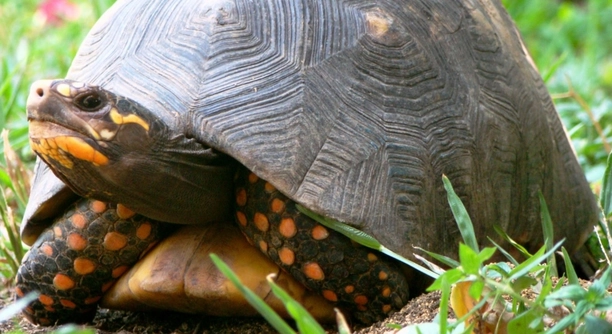
Red-footed tortoises are popular pets known for their friendly nature and unique appearance. They thrive on a balanced diet that includes various vegetables. One such vegetable is zucchini, which can be a tasty addition to their meals.
Red-footed tortoises can safely eat zucchini in moderation. Zucchini provides hydration and nutrients, but it should be served in small, bite-sized pieces to avoid choking hazards. Always remove the seeds and skin before offering it.
Incorporating zucchini into your tortoise’s diet can bring health benefits when prepared properly. We’ll explain how to safely prepare zucchini for your pet and offer tips on serving it for maximum enjoyment.
Can Red-Footed Tortoises Eat Zucchini?
Red-footed tortoises can eat zucchini as part of a balanced diet. This vegetable is low in calories and high in water content, which helps keep your tortoise hydrated. Zucchini also contains vitamins like A and C, which support your tortoise’s immune system and skin health. However, like all vegetables, zucchini should be given in moderation. Overfeeding it can lead to digestive issues, such as diarrhea. It’s also important to prepare it properly to avoid any potential risks, like choking. Offering it in bite-sized pieces without seeds or skin can make it easier for your pet to digest.
Zucchini can be a nutritious treat for your red-footed tortoise when given in small portions. It should not be the main part of their diet, but it’s a great addition to their vegetable rotation.
Before serving zucchini, it’s important to wash it thoroughly to remove any pesticides or dirt. Peel the skin to avoid any hard-to-digest parts. Cutting it into small pieces is essential to prevent choking. These small details make sure your tortoise benefits from the vegetable without any issues. Pairing zucchini with other leafy greens and vegetables will help provide variety and maintain balance in your pet’s diet. It’s also best to avoid offering zucchini every day. Instead, rotate it with other healthy options to keep meals interesting and nutrient-dense.
Preparing Zucchini for Your Red-Footed Tortoise
When preparing zucchini, wash it under running water to remove any residues. Peel the skin and cut it into small, manageable pieces for easier digestion.
Serving zucchini in small, manageable pieces is key to avoiding choking hazards. Always remove seeds and skin to ensure your tortoise enjoys it safely. Since zucchini is mostly water, it provides hydration. It’s important to serve it alongside other vegetables for a balanced diet. Offering a variety of foods will keep your pet healthy and prevent them from getting bored. By making the preparation process simple and safe, your red-footed tortoise will appreciate this refreshing treat without any worries.
Nutritional Benefits of Zucchini for Red-Footed Tortoises
Zucchini is packed with water, vitamins, and minerals that are beneficial for red-footed tortoises. It’s an excellent source of vitamin A and C, both of which help with immune function and skin health. The high water content helps keep your tortoise hydrated, which is essential for their overall well-being.
Besides hydration, zucchini offers a good amount of fiber, which aids in digestion. It also contains antioxidants that support your tortoise’s immune system. These nutrients are essential for maintaining their health, especially as they age. Adding zucchini to their diet can help them absorb other nutrients from their food more effectively.
It’s important to balance zucchini with other vegetables to ensure your tortoise gets a variety of nutrients. While zucchini offers many health benefits, it shouldn’t be the only vegetable in their diet. Mixing it up with leafy greens, bell peppers, and other safe veggies can provide more well-rounded nutrition.
How Often Can Red-Footed Tortoises Eat Zucchini?
Zucchini can be offered to your red-footed tortoise once or twice a week. It’s important not to overdo it, as too much zucchini can upset their digestive system.
Offering zucchini too frequently can cause an imbalance in their diet. A proper feeding schedule should include a range of vegetables, with zucchini being just one part. You can rotate zucchini with other veggies like leafy greens, bell peppers, and squash for better variety. This keeps their meals interesting and prevents nutritional imbalances.
To avoid overfeeding, keep the portions small. A few bite-sized pieces of zucchini are enough for one serving. When combined with other vegetables, it helps provide your tortoise with essential vitamins and fiber, promoting good digestion and overall health. Keeping their diet varied is crucial for long-term health.
Risks of Feeding Too Much Zucchini
Feeding your red-footed tortoise too much zucchini can cause digestive issues, such as diarrhea. While zucchini is beneficial, overconsumption can also lead to an imbalance in their diet, limiting the variety of nutrients they get from other vegetables.
Moderation is key. Too much zucchini can also dilute other essential nutrients that tortoises need. Excessive water content may also cause bloating, making your tortoise uncomfortable. Keep servings small to avoid any unwanted side effects and to ensure a balanced, healthy diet.
Alternative Vegetables for Red-Footed Tortoises
Red-footed tortoises enjoy a variety of vegetables, such as leafy greens, bell peppers, squash, and carrots. These alternatives can provide a better mix of nutrients, ensuring your tortoise’s diet is diverse and nutritionally complete.
Alternating between these vegetables can prevent your tortoise from getting bored and ensure they are receiving a wide range of vitamins and minerals. Each vegetable has unique benefits, so rotating them will support a well-rounded diet. Offering variety is one of the best ways to keep your tortoise healthy and happy.
Preparing Zucchini in Different Ways
Zucchini can be served raw, but it can also be lightly steamed or boiled to make it softer and easier for your tortoise to digest. Avoid adding any seasonings or oils, as they can be harmful.
Cutting the zucchini into small, manageable pieces is crucial. You can also remove the seeds before serving to make it easier on their digestive system. Each method of preparation ensures that your tortoise enjoys zucchini safely while gaining all of its nutritional benefits.
FAQ
Can zucchini be the main food for my red-footed tortoise?
No, zucchini should not be the main food for your red-footed tortoise. While zucchini offers great hydration and nutrients, a balanced diet is essential. Zucchini should be part of a varied diet that includes a mix of other vegetables like leafy greens, bell peppers, and squash. This ensures your tortoise gets all the vitamins, minerals, and fiber they need. Relying on zucchini alone could lead to nutritional deficiencies over time.
Can I feed my red-footed tortoise zucchini every day?
It’s best not to feed zucchini every day. Although it’s a healthy vegetable, zucchini contains a lot of water, and feeding it too often can dilute other essential nutrients in your tortoise’s diet. Offering zucchini once or twice a week is a good frequency. Rotate it with other vegetables to provide variety and keep your tortoise’s diet well-rounded.
Should I peel zucchini before feeding it to my tortoise?
Yes, you should peel the zucchini before feeding it to your tortoise. The skin can be tough and harder to digest, so it’s better to remove it. Once peeled, cut the zucchini into small pieces to avoid choking hazards. These small adjustments help ensure your tortoise enjoys zucchini safely.
Is zucchini safe for baby red-footed tortoises?
Yes, zucchini is safe for baby red-footed tortoises in small amounts. However, since their digestive systems are more delicate, it’s even more important to prepare it properly. Peel and cut the zucchini into very small pieces to avoid any potential choking hazards. Like with adults, it should be offered as part of a varied diet to ensure proper nutrition.
How do I know if my tortoise is eating too much zucchini?
If your tortoise has diarrhea or shows signs of bloating, it may be eating too much zucchini. These are signs of overconsumption or digestive upset. To prevent this, limit zucchini portions and serve it alongside other vegetables. You should also monitor your tortoise’s overall health, ensuring they remain active and hydrated.
Can zucchini cause any health issues for my tortoise?
While zucchini is generally safe for red-footed tortoises, feeding too much can lead to digestive problems. The high water content can cause soft stools or diarrhea if eaten in excess. Additionally, the lack of diversity in the diet could lead to nutrient imbalances. Always serve zucchini in moderation and alongside other vegetables to ensure balanced nutrition.
Can I cook zucchini before feeding it to my tortoise?
Yes, you can cook zucchini lightly by steaming or boiling it. This can make it easier for your tortoise to digest. However, avoid adding any seasonings, oils, or salt, as these can be harmful. Raw zucchini is also a safe option, and many tortoises prefer it this way. Just ensure the zucchini is cut into small pieces.
Should I feed zucchini to my tortoise every time I feed them?
No, zucchini should not be served at every meal. It should only be a part of their diet on occasion. Your tortoise’s meals should consist of a variety of vegetables and some fruits, ensuring they get a well-rounded mix of nutrients. Rotating vegetables like leafy greens, carrots, and bell peppers will provide better overall nutrition.
Can zucchini be fed to red-footed tortoises in the wild?
Yes, red-footed tortoises in the wild may eat zucchini if it is available. While they mainly feed on grasses, fruits, and various plants, they might also consume vegetables similar to zucchini. However, their diet in the wild is more varied, so domesticated tortoises should be fed a more controlled variety of vegetables to mimic a balanced natural diet.
What are some other vegetables that are good for red-footed tortoises?
Red-footed tortoises benefit from a variety of vegetables. Some good options include leafy greens like collard greens, dandelion greens, and kale. Bell peppers, squash, and carrots also provide important vitamins and minerals. Be sure to rotate these vegetables to keep meals interesting and nutrient-rich. Always avoid feeding them iceberg lettuce, as it lacks nutritional value.
Can zucchini cause kidney problems in red-footed tortoises?
Zucchini is not known to cause kidney problems in red-footed tortoises. However, like any food, if it’s fed in excessive amounts, it can lead to digestive problems. It’s crucial to feed zucchini in moderation, along with other vegetables that offer different nutrients. This approach reduces the risk of overloading your tortoise’s system with too much of one nutrient.
Final Thoughts
Feeding your red-footed tortoise zucchini can be a healthy and refreshing addition to their diet. It offers hydration, important vitamins, and minerals like vitamins A and C, which are essential for their immune system and skin health. The high water content of zucchini helps keep your tortoise hydrated, which is particularly important since they can sometimes have trouble getting enough water from their environment. However, like any food, moderation is key. Zucchini should not be the main vegetable in their diet but can be offered once or twice a week in small, manageable pieces. Rotating zucchini with other vegetables like leafy greens, bell peppers, and squash ensures that your tortoise gets a well-balanced diet.
When preparing zucchini for your tortoise, make sure to wash it thoroughly to remove any pesticides or dirt. Peeling the zucchini and cutting it into small, bite-sized pieces is important to avoid any potential choking hazards. Removing the seeds before serving is another simple step to make it easier for your tortoise to digest. These small preparations ensure that your tortoise can safely enjoy zucchini while benefiting from its nutritional content. You can also steam or lightly cook zucchini, but remember to avoid adding any oils, salts, or seasonings, as these can be harmful to your pet.
It’s important to keep in mind that while zucchini offers some health benefits, it shouldn’t make up the bulk of your tortoise’s diet. A variety of vegetables and leafy greens should be included to provide all the necessary nutrients. A diet too reliant on one food, like zucchini, can lead to imbalances that may affect your tortoise’s health in the long term. Always observe how your tortoise reacts to new foods and adjust accordingly. By offering zucchini in moderation and alongside a variety of other vegetables, you can help ensure your red-footed tortoise stays healthy and happy for years to come.

Hello,
If you enjoy the content that we create, please consider saying a "Thank You!" by leaving a tip.
Every little bit helps us continue crafting quality advice that supports the health, happiness, and well-being of pets around the world, for pets of all shapes, sizes, and species.
We really appreciate the kindness and support that you show us!