
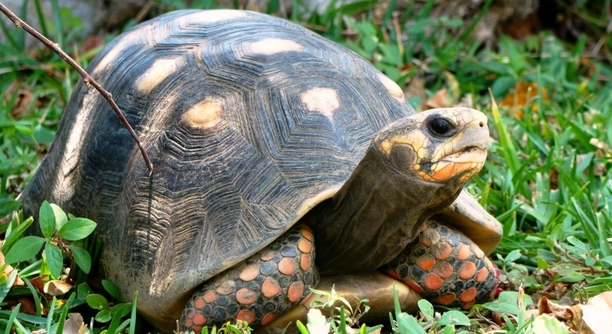
Red-footed tortoises are a popular choice for pet owners due to their gentle nature and colorful appearance. Ensuring their happiness and health is important, and there are key signs to look for that can indicate a well-cared-for tortoise.
A happy and healthy red-footed tortoise will display active behavior, a healthy appetite, bright eyes, and a shiny, clean shell. Regular basking, social interaction, and a proper diet are crucial indicators of their overall well-being.
Recognizing the signs of a thriving red-footed tortoise can help ensure they live a long, healthy life. From physical appearance to behavior, there are simple ways to spot a content tortoise.
Active and Playful Behavior
A red-footed tortoise that is happy and healthy will be active and curious. When they are feeling well, they are often seen exploring their habitat and moving around with ease. Healthy tortoises will engage with their environment, such as sniffing around and trying to find food or hiding spots. They will also show interest in social interactions, especially with their owners, without appearing too lethargic or withdrawn. It’s normal for them to rest occasionally, but if your tortoise remains inactive for extended periods, it may be a sign of a health issue. Active tortoises usually have a good sense of their surroundings and will interact with other animals if they feel comfortable.
Healthy tortoises will also be alert. If your red-footed tortoise is consistently active and responsive to stimuli in its environment, it’s a positive sign of well-being.
Make sure they have enough space to roam around. If they are confined to a small area, their behavior may become lethargic. Providing a larger enclosure with plenty of enrichment will encourage your tortoise to stay active and engaged with its surroundings.
Bright Eyes and Clear Vision
A healthy red-footed tortoise has clear, bright eyes that indicate good health. Cloudy or sunken eyes may signal illness or dehydration, which can quickly affect their well-being.
When the eyes of your tortoise are bright and open, it’s a sign that it is feeling content and well-cared for. Dehydration, for example, can lead to dull or sunken eyes, which should not be ignored.
If you notice any changes in their eyes, such as excessive discharge or swelling, it’s important to take action. It may be worth consulting a vet to address any potential issues. Red-footed tortoises can suffer from eye infections if their living conditions are not properly maintained. Keeping their habitat clean and ensuring proper hydration will support healthy eyes.
Healthy Appetite
A red-footed tortoise with a healthy appetite will actively seek food and eat with enthusiasm. If they regularly show interest in their meals, it’s a good sign that they’re in good health. A lack of appetite, on the other hand, can signal an underlying issue.
Healthy tortoises usually eat a varied diet, including fruits, vegetables, and some proteins like insects. They will nibble throughout the day, especially when food is offered in their preferred areas. If they refuse meals or take long breaks from eating, this could indicate stress, illness, or improper environmental conditions.
It’s important to monitor their eating habits and adjust their diet accordingly. Red-footed tortoises need food with the right balance of nutrients. If you notice a sudden change in their eating patterns, it’s wise to consult a veterinarian to rule out any health concerns. Keep their food fresh and provide a consistent feeding routine.
Clean, Shiny Shell
A healthy shell is one of the clearest signs of a well-kept red-footed tortoise. Their shell should be smooth, shiny, and free from any cracks or lesions.
The shell acts as a protective barrier, so its appearance reflects your tortoise’s health. A dull or damaged shell can indicate poor nutrition, dehydration, or health problems. A well-maintained shell also suggests that the tortoise is getting enough sunlight, as UVB rays are crucial for shell and bone health.
If you notice any changes, such as discoloration or soft spots, it’s important to address these issues quickly. Regularly clean the shell using a damp cloth and ensure that their environment provides the right temperature and humidity levels to support their shell health. A well-balanced diet that includes calcium and other essential nutrients will also keep their shell in top condition.
Social Interaction
Red-footed tortoises are naturally social and will engage with their owners or other animals in their environment. Healthy tortoises enjoy the occasional interaction, especially if they are used to handling.
If your tortoise seeks out attention, it means it feels safe and comfortable. A lack of interaction or withdrawal could indicate stress or discomfort in its environment.
Regular social interaction helps keep your tortoise mentally stimulated and less likely to become lethargic or depressed.
Proper Basking
Red-footed tortoises need proper basking to regulate their body temperature. They will spend time under a heat source to absorb warmth and stay active.
Make sure your tortoise has a spot with sufficient UVB light and warmth. If they are basking regularly, it shows they are comfortable and thriving in their habitat.
Healthy, Firm Stool
Firm and regular stool is a sign of a healthy digestive system. If your tortoise produces soft or irregular droppings, it could signal dietary imbalances or health issues.
Observe the consistency of their stool and make adjustments to their diet if necessary. Healthy tortoises typically have firm, dark stools.
FAQ
How can I tell if my red-footed tortoise is sick?
A sick red-footed tortoise may show signs of lethargy, loss of appetite, or changes in behavior. If your tortoise is not moving much, avoiding food, or hiding excessively, it may be unwell. Other signs include cloudy eyes, unusual breathing sounds, or discharge from the nose or mouth. If you notice any of these symptoms, it’s important to take your tortoise to a vet for a proper diagnosis and treatment.
What is the best temperature for my red-footed tortoise?
The ideal temperature for a red-footed tortoise ranges between 75°F to 85°F during the day, with a basking spot reaching around 90°F. At night, the temperature can drop to about 70°F. It’s important to provide a temperature gradient in their enclosure, allowing them to move to warmer or cooler areas as needed. Using a reliable thermometer will help ensure your tortoise stays comfortable.
How often should I feed my red-footed tortoise?
Red-footed tortoises typically eat once a day, although younger tortoises may need to be fed more frequently. Their diet should consist of a mix of fresh vegetables, fruits, and occasional proteins like insects or worms. Ensure they have a balanced diet with calcium and other nutrients. You can adjust the feeding frequency based on age, activity, and health.
Can I handle my red-footed tortoise?
Yes, red-footed tortoises can be handled, but it’s important to do so gently and not too often. Over-handling can stress them out. If your tortoise is used to being handled from a young age, it may tolerate short interactions well. Always wash your hands before and after handling to avoid transferring harmful bacteria.
What should I do if my red-footed tortoise is not eating?
If your tortoise stops eating, it could be a sign of stress, health issues, or environmental problems. Ensure that the temperature and humidity in the enclosure are appropriate. Check if the food you’re offering is fresh and varied. If the refusal to eat continues, a visit to the vet may be necessary to rule out any underlying issues.
How much space does a red-footed tortoise need?
Red-footed tortoises need a spacious enclosure to roam and explore. A minimum of 10 square feet per tortoise is recommended, with larger spaces preferred for their mental and physical health. The enclosure should provide both warm and cool areas, along with places to hide and bask.
What should I do if my red-footed tortoise’s shell is damaged?
If your tortoise’s shell is cracked or damaged, it’s important to get it checked by a veterinarian. Small cracks may heal on their own, but larger or deeper wounds can lead to infections. Keeping the tortoise’s shell clean and dry, and providing proper diet and UVB light, will help its healing process.
Is it okay for my red-footed tortoise to eat fruit every day?
Fruit should be given to your red-footed tortoise in moderation. While they enjoy fruit, it’s high in sugar, which can lead to obesity or digestive issues if consumed too often. Aim to offer fruit once or twice a week, and make sure it’s part of a balanced diet that includes leafy greens and other vegetables.
How can I keep my red-footed tortoise hydrated?
Tortoises need access to fresh water at all times. It’s important to provide a shallow dish of water large enough for your tortoise to soak in. Soaking not only helps with hydration but can also assist with shell health. Make sure the water is changed regularly to keep it clean.
Can red-footed tortoises live outside?
Yes, red-footed tortoises can live outdoors if the climate is suitable. They require warm temperatures, and if you live in a region with a mild climate, you can provide an outdoor enclosure. Make sure it has secure walls to prevent escape, and be sure to offer shelter, shade, and access to fresh food and water.
What kind of substrate should I use for my red-footed tortoise?
A good substrate for red-footed tortoises is one that retains moisture but doesn’t become soggy. Options like coconut coir, soil, or a mix of both work well. Avoid using sand or gravel, as these can cause digestive issues if ingested. The substrate should be deep enough to allow for burrowing and easy cleaning.
How can I tell if my red-footed tortoise is too cold?
If your tortoise is too cold, it will likely become inactive, retreat to dark corners, or stop eating. Tortoises rely on external heat sources to regulate their body temperature, so if your enclosure is too cold, they may become lethargic or even ill. Make sure the basking spot is warm enough, and monitor the overall temperature.
What is the lifespan of a red-footed tortoise?
Red-footed tortoises can live for 50 years or more with proper care. Their lifespan depends on the conditions in which they are kept, including diet, habitat, and overall health. Providing a stable environment, a varied diet, and regular health checkups can help ensure a long and healthy life for your tortoise.
Can I house multiple red-footed tortoises together?
While red-footed tortoises are generally social, they should be housed individually to prevent territorial behavior. Male tortoises, in particular, may become aggressive towards each other. If you do house multiple tortoises together, make sure the space is large enough to accommodate each one’s needs and that they have access to separate basking and eating areas.
How do I provide UVB light for my red-footed tortoise?
UVB lighting is essential for red-footed tortoises to help them process calcium and maintain healthy bones and shell growth. You should provide a UVB light that spans the length of their enclosure. This light should be on for 10-12 hours a day, and it needs to be replaced every 6-12 months, as UVB output decreases over time.
Final Thoughts
Taking care of a red-footed tortoise involves understanding their needs and providing the right environment for them to thrive. It’s important to ensure they have proper space, temperature, and humidity levels, as well as a varied diet. Regular interaction and attention to their physical health can help keep them happy and active. Watching for signs of stress or illness is key to making sure they stay healthy over time. A healthy tortoise will show active behavior, have a bright, shiny shell, and a good appetite.
The health of a red-footed tortoise is often reflected in its behavior and physical appearance. If you notice any changes, such as lack of activity, changes in eating habits, or shell issues, it’s crucial to act quickly. Regularly checking for these signs will help you spot problems early. They are hardy creatures, but they still need care and attention to ensure they are living their best life. Don’t ignore any red flags that might suggest health problems, and always seek veterinary advice when necessary.
By providing the proper care, you can enjoy the companionship of your red-footed tortoise for many years. These tortoises can live for several decades, and with the right environment and attention, they can be a wonderful pet. Always ensure their habitat is clean, well-lit, and well-fed. Regular observation of their behavior and health will help you spot any issues early and keep your tortoise happy and thriving.

Hello,
If you enjoy the content that we create, please consider saying a "Thank You!" by leaving a tip.
Every little bit helps us continue crafting quality advice that supports the health, happiness, and well-being of pets around the world, for pets of all shapes, sizes, and species.
We really appreciate the kindness and support that you show us!