
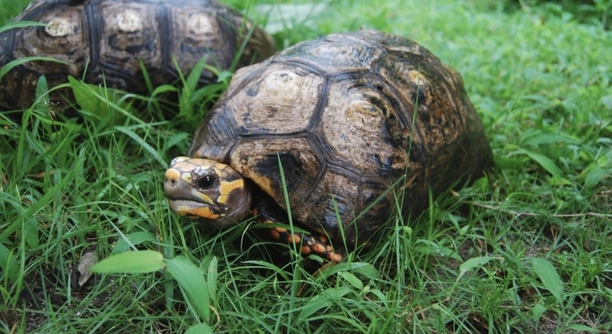
Red-footed tortoises are unique and fascinating pets, but like all reptiles, they require special care. Their shells, in particular, need attention to remain healthy and strong. Proper shell care is vital for their overall well-being.
The health of a red-footed tortoise’s shell depends on factors like diet, hydration, and environmental conditions. Regular maintenance, such as ensuring proper humidity and calcium intake, is essential for keeping the shell strong and preventing common issues like shell rot.
Maintaining your tortoise’s shell health can lead to a happier, longer life for your pet. Proper care methods can help you avoid common pitfalls and ensure they thrive in their environment.
1. Proper Diet for Shell Health
A red-footed tortoise’s shell needs a balanced diet rich in essential nutrients, particularly calcium, to remain strong. Without the right food, the shell can become weak and prone to deformities. Offer a variety of leafy greens, such as dandelion greens, collard greens, and kale. These vegetables are full of vitamins and minerals necessary for shell health. Additionally, provide fruits like papaya, strawberries, and mango in moderation, as they offer hydration and necessary nutrients. Be cautious with the amount of high-oxalate foods like spinach and beets, as they can hinder calcium absorption.
Offering a balanced diet not only promotes shell health but also supports overall well-being. Make sure to provide food in clean, fresh portions, and avoid offering too many processed or fatty treats. This balanced approach will help prevent health issues down the line.
Calcium is crucial for red-footed tortoises. Without it, they may suffer from soft shell syndrome, leading to deformities that can impact their mobility. You can supplement their diet with calcium-rich foods and dust their meals with calcium powder. It’s also essential to give them access to UVB light, as it helps them absorb calcium. Regularly provide calcium in both their diet and environment. Without this, your tortoise’s shell may become brittle, and they might develop shell rot. Proper food choices help prevent these problems.
2. Hydration and Humidity
Keeping your red-footed tortoise well-hydrated is key to maintaining shell health. Dehydration can lead to shell abnormalities or even shell rot if left unchecked.
Proper humidity levels, between 60%-80%, should be maintained in their habitat. This ensures your tortoise stays hydrated and avoids shell issues like cracking or softness. To achieve this, mist their enclosure regularly and provide a shallow water dish for drinking and soaking. A humidifier may also be beneficial if you live in a dry climate. Keeping humidity levels consistent will help prevent many shell-related problems.
Proper hydration also helps with digestion, which in turn ensures they can properly absorb nutrients from their food. Dehydration can weaken the shell, making it more susceptible to injuries. If your tortoise shows signs of dehydration, such as lethargy or a dry, cracked shell, it’s time to adjust their environment. A water dish should always be available for them to soak in. Shell health is closely tied to moisture levels, so maintaining a consistent humidity range is crucial.
3. Providing UVB Lighting
UVB lighting is crucial for red-footed tortoises to help them synthesize vitamin D3, which is needed for calcium absorption. Without proper UVB light, your tortoise may suffer from metabolic bone disease and shell deformities.
Place a UVB bulb in your tortoise’s habitat, ensuring it is within the right distance from them for effective exposure. UVB bulbs need to be replaced regularly, typically every 6-12 months, as they lose their effectiveness even if they’re still lit. UVB light is most beneficial when your tortoise has access to it for several hours each day. Ensure that the light is positioned correctly to cover their basking area, which allows them to get the most exposure.
If possible, supplement the UVB light with natural sunlight. However, avoid leaving your tortoise outside for too long, as excessive sun exposure can lead to overheating. Proper UVB lighting is essential for your tortoise’s long-term shell health, preventing soft or deformed shells. Without enough UVB, they can develop serious bone issues, making it hard for them to move properly.
4. Regular Shell Inspections
It’s important to inspect your tortoise’s shell regularly to catch early signs of damage, infection, or disease. Checking for cracks, discoloration, or unusual growths can help you address issues before they get worse.
When inspecting the shell, look for soft spots, especially around the edges, as this could indicate fungal or bacterial infections. If you find any unusual growths, it’s best to consult a vet to determine the cause. Keeping track of any changes in the shell’s appearance can provide valuable insight into your tortoise’s health. The sooner you spot problems, the sooner you can act to avoid permanent damage.
Also, ensure their shell is kept clean by gently washing it with lukewarm water to remove dirt and debris. Never use harsh chemicals, as they can damage the shell or irritate the skin. Keeping the shell clean and dry is key to preventing infections. If your tortoise’s shell appears deformed or damaged, it may indicate that they are not getting the proper care they need. Regular shell checks will ensure that problems are dealt with early.
5. Avoiding Overexposure to Water
While soaking your red-footed tortoise in shallow water can aid hydration, too much exposure can cause shell rot. Limit their soaking time to avoid softening the shell.
Never leave them in standing water for extended periods, as prolonged exposure can lead to fungal or bacterial infections. Ensure that their living space has proper drainage to keep the habitat dry. If your tortoise spends too much time in wet conditions, the shell may begin to degrade or develop soft spots.
6. Temperature Regulation
Temperature control is essential for the overall health of your red-footed tortoise. Their shell, along with the rest of their body, thrives when they are kept in a properly regulated environment.
Ensure the basking area reaches around 95°F, while the cooler end of the enclosure should be around 75°F. This range allows your tortoise to regulate its body temperature naturally. Keeping the temperature consistent helps avoid stress, which can weaken the shell and immune system over time. Monitor the temperature regularly using a reliable thermometer to ensure it stays within this range.
7. Proper Enclosure Size
A spacious and safe enclosure is vital for your tortoise’s shell health. It allows them to move around freely and engage in natural behaviors, which can prevent stress and injury.
A large, well-maintained enclosure is ideal for maintaining a healthy shell. A cramped environment can hinder mobility and lead to deformities in the shell over time. Red-footed tortoises need room to stretch, explore, and bask properly. Proper enclosure size also ensures they get enough light and heat, both of which are crucial for shell strength.
FAQ
What are the signs of a healthy red-footed tortoise shell?
A healthy red-footed tortoise shell should be hard and smooth, with no cracks, soft spots, or noticeable discoloration. The shell should have a natural, clean appearance, with no signs of peeling or excessive shedding. If you notice any changes, such as soft areas or abnormal growths, it’s important to address them quickly to avoid further health issues.
How can I prevent shell rot in my tortoise?
To prevent shell rot, maintain proper humidity levels in their enclosure, ensure they have access to fresh water for soaking, and avoid overexposing them to wet conditions. Shell rot is often caused by bacteria or fungi, which thrive in damp environments. It’s crucial to keep their living space clean and dry, regularly inspect their shell for any signs of infection, and address any issues promptly by consulting a veterinarian if needed.
How do I know if my tortoise is dehydrated?
Dehydration in a red-footed tortoise is often marked by signs like lethargy, dry skin, and a sunken appearance around their eyes. Their shell may also feel soft or rough if they are not getting enough water. Make sure they always have access to fresh water and soak them in shallow water occasionally. Dehydration can be harmful to their health, so it’s important to ensure proper hydration to keep their shell and body in good condition.
Can my tortoise’s shell heal if it gets damaged?
Minor damage to a tortoise’s shell can often heal on its own if given the right care. However, severe injuries, like deep cracks or large gouges, may need professional treatment. It’s essential to monitor the injury and provide a safe, clean environment to allow the shell to heal. If the damage seems to worsen or shows signs of infection, you should take your tortoise to a veterinarian for further evaluation.
Should I apply anything to my tortoise’s shell?
It’s generally not necessary to apply anything to your red-footed tortoise’s shell. The shell naturally produces oils to protect itself. Overapplying creams or oils can disrupt this balance and cause issues. However, cleaning the shell gently with water or a soft brush can help keep it free of dirt and debris. If your tortoise has any shell issues, consult a vet for the best treatment plan.
How can I treat shell infections in my tortoise?
If your tortoise has a shell infection, it’s important to clean the affected area gently with warm, soapy water and dry it thoroughly. After that, apply any prescribed medicated ointments as directed by your veterinarian. Keep the tortoise in a dry, warm environment and avoid soaking the affected area. In severe cases, your vet may recommend antibiotics or other treatments to fight the infection.
What should I do if my tortoise has a soft shell?
A soft shell is often a sign of calcium deficiency or improper UVB exposure. To address this, ensure your tortoise gets plenty of calcium-rich foods and that it has access to a UVB light source. You can also use a calcium supplement to dust its food. If the condition persists, it may be necessary to visit a veterinarian to rule out any other underlying health problems. Regular shell inspections will help catch any early signs of softness or weakness before it becomes more serious.
Can red-footed tortoises live outside?
Yes, red-footed tortoises can live outside in warm climates, but you must create a secure outdoor enclosure that provides shade, warmth, and a safe environment. The enclosure should be escape-proof and protected from predators. Keep in mind that they need protection from extreme temperatures and should be brought indoors during cold weather. Be sure to monitor the humidity and cleanliness of their outdoor space to prevent health issues.
Is it safe to let my tortoise roam freely?
Allowing your tortoise to roam freely can be beneficial, but it comes with risks. It’s important to ensure the area is safe and free from any hazards that could harm your tortoise. Supervise their time outside to prevent escapes or accidents. A secure, enclosed outdoor area is the best way to let your tortoise roam safely. Be mindful of temperature, humidity, and any potential dangers from predators or other pets.
How often should I clean my tortoise’s shell?
You should clean your tortoise’s shell regularly to remove dirt, algae, and other debris. This can be done once a week or as needed, using lukewarm water and a soft brush. Avoid using harsh chemicals, as they can damage the shell. Keeping the shell clean helps reduce the risk of infections and keeps your tortoise comfortable. If your tortoise has an active outdoor lifestyle, more frequent cleanings may be necessary.
Final Thoughts
Taking care of your red-footed tortoise’s shell health is essential for its overall well-being. By providing a proper diet, ensuring it gets enough calcium, and maintaining the right humidity levels, you can help keep your tortoise’s shell strong and healthy. Regular checks for any signs of damage or infection are also important. A healthy shell is not only crucial for your tortoise’s mobility but also for its long-term health. Addressing issues like soft spots or cracks early on can prevent more serious problems down the line.
Remember that a proper environment plays a big role in maintaining shell health. The right temperature, UVB lighting, and hydration are all vital to support the growth and strength of your tortoise’s shell. Without the right conditions, your tortoise may face health issues such as metabolic bone disease or shell rot. Regular soaking and access to fresh water help prevent dehydration, while providing a safe, spacious enclosure ensures your tortoise can move around freely. These factors, combined with a balanced diet, will help your tortoise thrive.
Finally, regular attention to your tortoise’s needs and environment ensures its shell remains in good condition. Whether it’s keeping the shell clean, monitoring the UVB lighting, or making sure the enclosure is secure, every small detail contributes to your tortoise’s health. By making these simple adjustments and maintaining a routine, you can keep your tortoise comfortable, healthy, and happy for years to come. A little effort goes a long way in ensuring that your red-footed tortoise has the best possible care.

Hello,
If you enjoy the content that we create, please consider saying a "Thank You!" by leaving a tip.
Every little bit helps us continue crafting quality advice that supports the health, happiness, and well-being of pets around the world, for pets of all shapes, sizes, and species.
We really appreciate the kindness and support that you show us!