
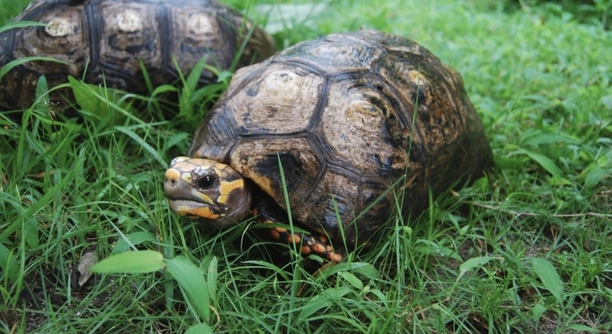
Red-footed tortoises are popular pets known for their curious nature and vibrant shells. If you’re a proud owner of one, it’s natural to wonder about their diet. Understanding what foods are safe for them is key to keeping them healthy.
Red-footed tortoises can eat lettuce in moderation. However, iceberg lettuce should be avoided as it offers little nutritional value. Opt for darker, more nutritious lettuce varieties like Romaine, which provide better vitamins and minerals.
A proper diet ensures your tortoise stays healthy and happy. Knowing the best types of lettuce and how to incorporate them into their meals is a great place to start.
Types of Lettuce Safe for Red-Footed Tortoises
When feeding your red-footed tortoise lettuce, it’s essential to choose varieties that provide nutritional value. Leafy greens are generally a better option than iceberg lettuce, which lacks essential nutrients. Darker lettuce types like Romaine, Red Leaf, and Green Leaf are rich in vitamins and fiber, making them suitable for your pet.
Lettuce such as Romaine is high in vitamins A and K, which help support your tortoise’s immune system and bone health. Additionally, the fiber in these lettuces aids digestion and keeps your tortoise’s system running smoothly. Avoid lettuce with high water content or too much phosphorus, as this can upset their balance.
Remember, variety is key. While lettuce can be part of your tortoise’s diet, it should be combined with other vegetables, fruits, and proteins for a well-rounded meal plan. Including a mix of kale, dandelion greens, and other leafy vegetables ensures your pet gets all the nutrients it needs.
How Often to Feed Lettuce to Red-Footed Tortoises
Feeding lettuce to your tortoise too often can cause digestive issues. Limit lettuce to about once or twice a week. Too much can disrupt their nutritional balance.
Offering a variety of leafy greens is crucial. You want to ensure your tortoise gets all the necessary nutrients. A well-balanced diet helps avoid potential health problems like vitamin deficiencies or digestive upset.
Nutritional Benefits of Lettuce for Red-Footed Tortoises
Lettuce provides some essential nutrients like fiber and vitamins, but it shouldn’t be the main part of your tortoise’s diet. It can be a good supplement, offering hydration and a light snack. However, variety is crucial for their health, so it shouldn’t be their primary food source.
The vitamins and minerals in lettuce, such as vitamin A and calcium, help with bone health and immune support. The fiber aids digestion and prevents constipation. However, you’ll want to focus on offering a wide range of vegetables and fruits to meet all their dietary needs. Lettuce can complement these foods, but it can’t replace them.
When including lettuce, aim for a balanced ratio of greens, vegetables, and fruits. Lettuce can be a fun addition to your tortoise’s diet, but it’s not a one-stop solution for all nutritional needs. Offering different types of food will help ensure they stay happy and healthy long term.
Risks of Feeding Lettuce to Red-Footed Tortoises
Too much lettuce, particularly iceberg, can lead to digestive issues. Lettuce lacks essential nutrients like protein and healthy fats, which are important for your tortoise’s overall health. Without a diverse diet, your tortoise could become malnourished.
Iceberg lettuce, in particular, has a very high water content and low nutritional value. If consumed in excess, it can cause diarrhea or bloating. Red-footed tortoises need a diet high in fiber, with appropriate levels of calcium and other essential nutrients. Lettuce, while offering some hydration, doesn’t provide enough for their daily requirements.
Make sure to balance their diet with other nutrient-dense vegetables and occasional fruits. It’s best to avoid over-relying on lettuce, as doing so could result in an unbalanced diet that negatively impacts your tortoise’s health. Keep your tortoise’s meals varied and packed with more substantial nutrients for optimal well-being.
How to Prepare Lettuce for Red-Footed Tortoises
Before feeding lettuce to your tortoise, wash it thoroughly to remove any pesticides or dirt. Cut the lettuce into small pieces to make it easier for your pet to eat. This will help avoid any choking hazards and ensure they can comfortably chew and digest their meal.
If you’re offering a mix of lettuce with other greens, make sure everything is cut into similar sizes. This ensures they get a variety of textures and flavors, making mealtime more interesting for your tortoise. Be mindful to always remove any wilted or yellow leaves from the mix.
Prepare the lettuce fresh, and avoid feeding any that’s been sitting in your fridge for too long. Fresh, clean lettuce is more nutritious and safer for your tortoise. It’s also important to note that lettuce should be a small part of their larger diet, not the main feature.
Can Lettuce Be Stored for Later Use?
Lettuce can be stored for short periods in the fridge, but it won’t last as long as other greens. It’s best used within a few days to maintain its crispness and nutritional value.
If you plan on storing lettuce, keep it in an airtight container or a sealed plastic bag. This will help reduce wilting and preserve freshness for a little longer.
Can Red-Footed Tortoises Eat Iceberg Lettuce?
Iceberg lettuce is not ideal for red-footed tortoises. While it is not toxic, it has little nutritional value and contains mostly water. This can cause digestive problems and doesn’t offer the necessary vitamins and minerals needed for your tortoise’s health. If you do offer iceberg lettuce, it should only be a small, occasional treat and never a staple part of their diet.
Instead, it’s better to stick to darker lettuce varieties, such as Romaine or Red Leaf, which contain more fiber and essential nutrients. These types are more beneficial and help with your tortoise’s digestion, hydration, and overall health.
Is Romaine Lettuce Good for Red-Footed Tortoises?
Romaine lettuce is a much better option than iceberg lettuce for red-footed tortoises. It provides essential nutrients like vitamins A and K, along with fiber. These vitamins are important for maintaining healthy vision, skin, and bone development in your tortoise. Romaine lettuce is also relatively high in calcium, which is important for shell health.
However, like any lettuce, Romaine should not be the only food in your tortoise’s diet. It should be part of a well-rounded selection of leafy greens, vegetables, and fruits. A variety of foods will ensure your tortoise gets the full spectrum of nutrients they need.
How Much Lettuce Should I Feed My Red-Footed Tortoise?
Lettuce should be offered in moderation. Too much lettuce, even the more nutritious varieties like Romaine, can lead to digestive problems or an imbalance in their diet. A good rule of thumb is to offer lettuce once or twice a week, alongside other vegetables and leafy greens.
Most of your tortoise’s diet should consist of high-fiber, calcium-rich foods. Lettuce can serve as a supplemental treat or hydration aid but should not make up the majority of their meals. Too much lettuce can also lead to loose stools and potential health issues.
Can Red-Footed Tortoises Eat Other Vegetables with Lettuce?
Yes, red-footed tortoises can eat a variety of vegetables alongside lettuce. It’s important to offer a wide range of vegetables to meet their nutritional needs. Vegetables like kale, collard greens, dandelion greens, and squash are all good options. These vegetables provide vital vitamins and minerals like calcium, vitamin A, and fiber.
When feeding your tortoise, aim to offer a variety of leafy greens, vegetables, and some fruits to ensure a well-rounded diet. By mixing in other veggies with lettuce, you give your tortoise more nutrients and keep their meals interesting. Be sure to avoid feeding too many high-oxalate vegetables like spinach, as they can interfere with calcium absorption.
Are There Any Lettuce Varieties That Are Bad for Red-Footed Tortoises?
While most lettuce varieties are safe for red-footed tortoises, some are better than others. Iceberg lettuce is the worst option due to its lack of nutritional value. It offers little in terms of vitamins and minerals, and its high water content can cause diarrhea or bloating.
Other lettuce types like butterhead or leaf lettuce can also be used sparingly, but they aren’t as nutrient-dense as Romaine. It’s best to prioritize darker, leafy greens that are rich in vitamins and minerals to ensure your tortoise gets a balanced diet.
Can Lettuce Be the Main Food for Red-Footed Tortoises?
No, lettuce should never be the main food for red-footed tortoises. While it can be part of their diet, it doesn’t provide the full range of nutrients they need for optimal health. Lettuce lacks protein and other essential vitamins and minerals. It should only be used as a supplement to other greens, vegetables, and fruits.
Your tortoise’s main diet should consist of fibrous, nutrient-rich vegetables and high-calcium foods. Over-relying on lettuce can lead to nutrient deficiencies and other health problems. A varied diet is crucial to keeping your tortoise in good health.
Can Red-Footed Tortoises Eat Lettuce Every Day?
Feeding lettuce to red-footed tortoises every day is not recommended. Lettuce, especially varieties like Romaine, lacks the full range of nutrients required for a balanced diet. If you feed lettuce every day, it could lead to nutritional imbalances and digestive issues in the long run.
It’s better to limit lettuce to a couple of times a week. This allows your tortoise to enjoy the occasional fresh treat without relying on it too heavily. Complement the lettuce with other greens and vegetables to ensure they’re receiving a diverse range of nutrients.
Can Red-Footed Tortoises Eat Lettuce and Fruits Together?
Yes, you can feed lettuce and fruits together, but in moderation. Fruits are often high in sugar, so they should be treated as an occasional treat rather than a daily part of their diet. You can mix small amounts of fruit like strawberries, melons, or mangoes with lettuce.
When offering lettuce with fruits, it’s important to ensure that fruits don’t make up too large a portion of the meal. Too much fruit can lead to obesity or digestive upset in your tortoise. Aim for a balance of greens and small fruit portions for variety and enjoyment.
What Other Foods Should Red-Footed Tortoises Eat?
Red-footed tortoises thrive on a varied diet that includes a combination of leafy greens, vegetables, and occasional fruits. Some good choices include dandelion greens, turnip greens, hibiscus flowers, and pumpkin. You can also provide them with occasional protein in the form of cooked eggs, snails, or insects.
A balanced diet will provide them with the nutrients they need for healthy growth, a strong immune system, and a beautiful shell. Be sure to offer calcium-rich foods and avoid feeding them high-oxalate vegetables, as these can hinder calcium absorption.
Final Thoughts
Feeding your red-footed tortoise a balanced diet is crucial to keeping them healthy and happy. While lettuce can be part of their diet, it shouldn’t be the main food. Lettuce, especially varieties like Romaine, provides some nutrients but lacks the necessary protein and healthy fats that your tortoise needs. Offering a variety of leafy greens, vegetables, and fruits will ensure they receive the full spectrum of nutrients required for their overall well-being. It’s essential to avoid overfeeding lettuce, as it can lead to digestive issues or nutritional imbalances if given too often.
Iceberg lettuce should be avoided altogether, as it has minimal nutritional value and too much water content. Red-footed tortoises thrive on foods that are rich in vitamins and minerals, like dandelion greens, kale, and collard greens. These foods offer more fiber, calcium, and other essential nutrients, which help support healthy growth and a strong immune system. Fruits can also be included but should be given sparingly, as they are high in sugar. Protein from cooked eggs, snails, and insects can also be added occasionally to help your tortoise maintain a balanced diet.
Remember, variety is key when feeding your tortoise. No single food can provide all the nutrients they need, so mixing in a wide range of vegetables, fruits, and greens is the best way to ensure your red-footed tortoise stays healthy and active. Always wash the food thoroughly, remove any wilted leaves, and offer it fresh to avoid any contamination. Keeping their diet diverse and nutrient-rich will go a long way in supporting their health and making mealtime enjoyable for your pet.

Hello,
If you enjoy the content that we create, please consider saying a "Thank You!" by leaving a tip.
Every little bit helps us continue crafting quality advice that supports the health, happiness, and well-being of pets around the world, for pets of all shapes, sizes, and species.
We really appreciate the kindness and support that you show us!