
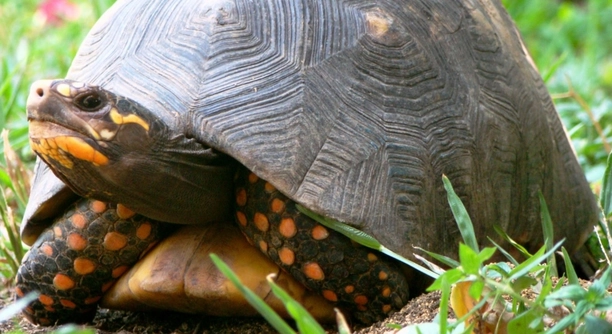
Red-footed tortoises are fascinating creatures, but like any pet, they are susceptible to various dangers. These threats can harm their health, making it important to learn what to avoid. In this article, we’ll explore common toxins.
Red-footed tortoises are vulnerable to several toxins that can cause serious harm. The most common toxins include certain plants, chemicals, metals, and foods that can poison or even be fatal to them if ingested or absorbed.
Identifying these toxins and knowing how to protect your tortoise will help keep them safe and healthy. It’s essential to be informed and take precautions.
Plants That Can Poison Red-Footed Tortoises
Many plants are harmful to red-footed tortoises and can cause a range of health issues, from stomach problems to organ damage. Some of the most common toxic plants include foxglove, oleander, and daffodils. These plants contain compounds that can be deadly if ingested. Even small amounts can cause poisoning, leading to symptoms such as lethargy, vomiting, and diarrhea. It’s essential to keep these plants away from areas where your tortoise roams.
Certain houseplants also pose a risk, especially those with shiny leaves or bright flowers. You may not notice the dangers right away, but it’s better to be safe. As a precaution, always check the plants you bring into your home to ensure they’re safe for your tortoise.
Tortoises are naturally curious creatures, and they might nibble on unfamiliar plants. Make sure their enclosure is free from any toxic greenery. If you’re ever unsure about a plant, it’s best to remove it or ask a vet about its safety.
Chemicals in Household Products
Chemicals like cleaners, pesticides, and fertilizers can be hazardous to your red-footed tortoise. These substances often contain toxins that can affect your pet’s health if ingested or absorbed through their skin. Even the fumes from household cleaning products can irritate their respiratory system, leading to respiratory distress or other issues.
Ensure your tortoise’s environment is free of chemical contaminants. When using cleaning products, make sure the area is well-ventilated, and avoid using strong chemicals near their living space. Look for non-toxic or eco-friendly cleaning options when possible. These small changes can make a big difference in the safety of your tortoise.
In addition to chemicals used around the house, some gardening products can also pose a risk. Keep any fertilizers, herbicides, or insecticides out of reach. These chemicals are often more potent than you might think, and even trace amounts can be harmful to your tortoise’s health. Always check labels and research products before introducing them into your home or garden.
Metals That Are Dangerous for Red-Footed Tortoises
Heavy metals, like lead and zinc, are another significant danger to red-footed tortoises. These metals can be found in various sources, such as old paint, coins, or even some toys. If your tortoise ingests or comes into contact with these metals, they can quickly build up in their system, leading to poisoning.
Lead poisoning is particularly dangerous and can cause neurological damage, digestive issues, and even death. Zinc poisoning can lead to similar symptoms, such as lethargy, loss of appetite, and difficulty moving. These metals are often found in outdoor environments, especially in older homes or areas where metal objects may be left behind.
If you suspect your tortoise has ingested something harmful, it’s important to seek veterinary help immediately. A vet can run tests to determine if metals are present in their system and provide treatment. Being proactive and removing potential sources of heavy metals from your tortoise’s environment is key to their health and safety.
Harmful Foods for Red-Footed Tortoises
Some foods that seem harmless can actually be quite toxic to red-footed tortoises. For example, iceberg lettuce, while often offered as a treat, provides little nutritional value and can cause digestive issues. It also contains a high amount of water, which can lead to diarrhea. Another food to avoid is spinach, which contains oxalates that can bind to calcium and cause kidney problems over time.
In addition to these, high-protein foods like dog food or meat can be harmful to tortoises. Their digestive systems are not designed to process large amounts of protein, and feeding them such items can lead to kidney damage. Instead, focus on providing a balanced diet of leafy greens, fruits, and some flowers.
Even seemingly safe foods can become dangerous if not offered in moderation. Overfeeding certain fruits, like tomatoes or strawberries, can lead to imbalanced nutrition, resulting in health issues. Always research the dietary needs of your tortoise to avoid any harmful foods and ensure a healthy, balanced meal plan.
Insects and Parasites That Can Harm Red-Footed Tortoises
Insects and parasites are common threats to red-footed tortoises, often going unnoticed until symptoms appear. Mites, ticks, and fleas can cause discomfort, while parasites like worms may lead to more severe health issues. Regular checks are crucial to keeping them healthy.
Mites and ticks tend to hide in hard-to-reach places on your tortoise’s body, such as under their legs or around their neck. These pests can cause skin irritation, shedding, or even infections if left untreated. Using a gentle reptile-safe insecticide can help manage these problems, but it’s best to consult with a vet before applying any treatment.
Parasites, such as roundworms and coccidia, can affect the digestive system, leading to weight loss, diarrhea, or lethargy. To prevent this, keep your tortoise’s living environment clean and ensure their food and water are free from contamination. Regular vet check-ups and fecal exams can help detect and treat parasitic infections early.
Poor Habitat Conditions
Red-footed tortoises rely on their environment to stay healthy, and poor habitat conditions can lead to a range of health problems. An enclosure that’s too small, overly humid, or lacks proper lighting can all contribute to stress and illness.
Temperature regulation is essential, as tortoises need a basking area to regulate their body heat. Without access to warmth or proper UVB lighting, they can develop shell deformities and weakened immune systems. A clean environment is just as important to avoid fungal infections and respiratory issues.
Make sure the tortoise’s habitat offers a mix of both warm and cool areas for them to roam. Humidity should also be monitored closely, as an overly dry or damp environment can cause skin shedding problems. Regularly clean their enclosure to prevent bacterial growth, ensuring your tortoise has a safe, healthy space to live.
Antibiotics and Medications
Certain medications, including antibiotics, can be harmful to red-footed tortoises. Some antibiotics may disrupt their natural gut bacteria, leading to digestive issues. Always consult a vet before administering any medication.
Antibiotics that are meant for other animals can affect tortoises differently. They may cause imbalances in their intestinal flora, leading to diarrhea or lack of appetite. In some cases, long-term use can even cause severe gut issues. It’s crucial to follow proper dosing instructions if a vet prescribes medication, ensuring it’s appropriate for your tortoise’s species and size.
Water Quality
Dirty water is a major health risk for red-footed tortoises. If their water becomes contaminated with bacteria, fungi, or parasites, it can cause severe infections or digestive problems. Regularly clean and replace their water.
Ensure the water is fresh and clean at all times. Tortoises drink from their water dish and soak in it, so any contamination can lead to illness. Be sure to use filtered water to avoid harmful chemicals like chlorine. Regular water changes will prevent harmful bacteria from multiplying and harming your tortoise’s health.
FAQ
What should I do if my red-footed tortoise eats something toxic?
If you suspect your red-footed tortoise has ingested something toxic, immediate action is needed. The first step is to remove any potential toxins from their environment. Then, contact a veterinarian experienced with reptiles as soon as possible. Depending on the situation, your vet may recommend treatments such as inducing vomiting, administering activated charcoal, or giving fluids to help flush out the toxin. Time is critical, so don’t wait too long before seeking professional help.
How can I tell if my tortoise has ingested a toxic plant?
Signs that your tortoise may have ingested a toxic plant include drooling, vomiting, diarrhea, or lethargy. You may also notice a loss of appetite or changes in their behavior, like retreating into their shell more frequently. If these symptoms appear after you believe they’ve eaten a toxic plant, it’s crucial to contact a vet. Even if you’re unsure, it’s better to be safe and have your tortoise checked.
Are there any common foods that are toxic to my red-footed tortoise?
Yes, several foods are toxic to red-footed tortoises. For example, iceberg lettuce is not only low in nutrition, but it can also cause digestive issues. Spinach should also be avoided due to its high oxalate content, which interferes with calcium absorption. Certain fruits, like avocado, can be deadly due to a toxin called persin. It’s important to stick to tortoise-safe vegetables, greens, and fruits in moderation.
How can I prevent my tortoise from getting parasites?
To prevent parasitic infections in your tortoise, maintain a clean living environment. Regularly clean their enclosure and provide fresh water daily. You should also monitor their food for cleanliness and avoid feeding them anything that may have been exposed to parasites. Regular vet check-ups and fecal exams will help detect parasites early. If your tortoise is diagnosed with parasites, a vet will likely prescribe deworming medication to treat the infection.
What temperature is ideal for my red-footed tortoise’s habitat?
Red-footed tortoises thrive in a warm environment with a basking area that reaches temperatures between 90-95°F (32-35°C). The cooler side of the habitat should be around 75-80°F (24-27°C). It’s essential to provide a gradient, allowing your tortoise to move between warmer and cooler areas. Ensure that the enclosure has both heat and UVB light to mimic natural conditions, promoting proper metabolism and shell health.
Can I use chemical cleaning products around my tortoise?
Chemical cleaning products should be used with extreme caution. Many household cleaners, pesticides, or insecticides contain harmful substances that can irritate or poison your tortoise. Instead, opt for natural cleaning agents, like vinegar or mild dish soap, when cleaning your tortoise’s enclosure. Always ensure the area is thoroughly rinsed and dried before letting your tortoise back inside. Avoid using harsh chemicals near their food or water to prevent accidental contamination.
How can I tell if my tortoise has a respiratory infection?
Respiratory infections in tortoises often present as nasal discharge, wheezing, or labored breathing. You may notice your tortoise is not eating as much, seems lethargic, or is constantly opening its mouth. If you observe any of these symptoms, it’s essential to contact a vet immediately. Early treatment can help prevent the infection from becoming more severe and affecting other organs.
How often should I clean my red-footed tortoise’s enclosure?
Your tortoise’s enclosure should be cleaned regularly to maintain a healthy living space. Spot clean daily by removing any waste, uneaten food, or soiled bedding. A more thorough cleaning, including washing the walls and substrate, should be done every 1-2 weeks. This helps prevent bacterial and fungal growth, which can lead to health issues. Be sure to replace bedding material and disinfect the enclosure using safe, non-toxic cleaners.
Can my tortoise live outside year-round?
Red-footed tortoises can live outdoors in certain climates, but they should never be left outside in extreme temperatures, either too hot or too cold. In warmer climates with mild winters, they may enjoy some outdoor time during the day but should be brought inside for the evening. Always provide a safe, secure enclosure that protects them from predators and ensures they have access to shade, water, and shelter. Make sure their outdoor space has proper temperature regulation and is free of harmful plants or toxins.
What should I do if my tortoise’s shell appears damaged?
If you notice any cracks, chips, or abnormal growth on your tortoise’s shell, it’s important to consult with a vet immediately. Shell damage can result from trauma or nutritional deficiencies, and it’s essential to determine the cause to provide proper treatment. In some cases, the shell can heal with appropriate care, but in severe cases, it may require surgical intervention or specialized treatment. Keep your tortoise’s habitat safe and secure to avoid injuries and promote overall shell health.
How can I ensure my tortoise’s diet is balanced?
To maintain a balanced diet, offer a variety of dark, leafy greens such as kale, dandelion greens, and collard greens. You can also include safe fruits like papaya and strawberries in moderation. Avoid high-protein or high-fat foods like meat or dairy, as these can cause health problems. Providing a mixture of greens, vegetables, and fruits ensures your tortoise gets the necessary nutrients for proper growth and shell development. A calcium supplement is also recommended to prevent shell deformities, but consult a vet before introducing supplements to ensure proper dosage.
Final Thoughts
Red-footed tortoises are unique and fascinating pets that require careful attention to their health and environment. As with any pet, understanding the potential dangers in their surroundings is key to ensuring they live a long and healthy life. From toxic plants to harmful foods, and even hidden household chemicals, there are many factors that can negatively affect your tortoise’s well-being. It’s important to be aware of these common hazards and take proactive steps to protect them.
Creating a safe habitat for your tortoise is equally as important as providing them with the right diet. Maintaining the proper temperature and humidity levels in their enclosure, along with regular cleaning, helps prevent many health issues. Additionally, offering a balanced diet and keeping an eye out for signs of parasites or illness can make a significant difference in your tortoise’s health. Regular vet visits are also essential for monitoring their well-being and catching any potential problems early. By being diligent and informed, you can ensure that your tortoise thrives in a safe and supportive environment.
Overall, taking the time to understand the needs and risks that come with owning a red-footed tortoise will benefit both you and your pet. It’s about making the right choices, from the food you provide to the space you create for them to live in. While these reptiles are resilient, they rely on you to provide the care and attention that keeps them safe from harm. By remaining vigilant, you can avoid common mistakes and help your tortoise lead a happy, healthy life.

Hello,
If you enjoy the content that we create, please consider saying a "Thank You!" by leaving a tip.
Every little bit helps us continue crafting quality advice that supports the health, happiness, and well-being of pets around the world, for pets of all shapes, sizes, and species.
We really appreciate the kindness and support that you show us!