
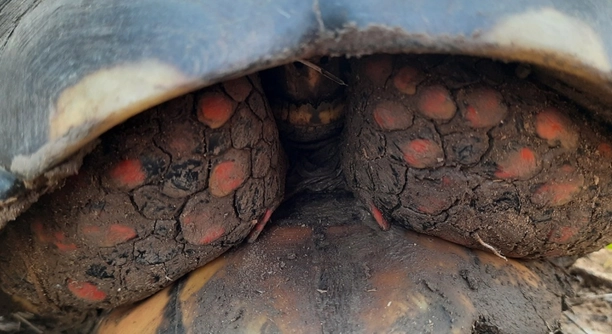
Red-footed tortoises are fascinating creatures with unique dietary needs. If you’re a tortoise owner, you may be wondering what foods are safe and healthy for your shelled companion. Let’s take a closer look at their diet.
Red-footed tortoises can eat peas in moderation. However, legumes should only make up a small part of their overall diet, as they are not a natural food source for these tortoises and can be hard to digest in large quantities.
Peas can be a fun treat for your tortoise, but knowing which legumes are best for them is important. This guide will help you make informed choices for your tortoise’s diet.
Are Peas Safe for Red-Footed Tortoises?
Peas are safe for red-footed tortoises in small amounts. They can be a fun addition to your tortoise’s diet, offering a burst of color and variety. However, peas should not be a regular part of their meals. Tortoises primarily eat plants, fruits, and vegetables, but peas are a legume and not a natural food for them. Eating too many peas can cause digestive issues, as their high fiber content can overwhelm your tortoise’s system. Additionally, peas contain a significant amount of protein, which might disrupt the balance in their diet if overfed.
Though peas are generally safe, they should only be offered as an occasional treat. Most tortoises do better with leafy greens and fruits like mango or papaya. It’s important to remember that variety and balance are key to a healthy tortoise diet.
Red-footed tortoises tend to enjoy a wide range of foods, and some legumes can be beneficial when given sparingly. But moderation is key. For the best health outcomes, mix peas with other appropriate foods. Always avoid overfeeding and focus on offering nutrient-dense choices.
Best Legumes for Red-Footed Tortoises
When it comes to legumes, there are a few that are safer and more nutritious for red-footed tortoises. Beans like green beans and peas can be given occasionally, but always in small portions.
However, not all legumes are appropriate for red-footed tortoises. Avoid legumes like kidney beans or lentils as they can be difficult for tortoises to digest. Stick to milder options, ensuring your tortoise’s diet remains balanced. The key is variety—incorporating the right foods will provide the nutrition they need. Always focus on fresh, leafy greens, and occasionally offer safe legumes in moderation.
Nutritional Benefits of Peas for Red-Footed Tortoises
Peas are a source of vitamins like vitamin C and K, which can support your tortoise’s overall health. They also provide some fiber, which helps with digestion when fed in moderation. While they shouldn’t be a main food source, they offer a nice nutritional boost as an occasional treat.
Despite being nutrient-dense, peas are not a significant source of calcium, which is crucial for tortoises. Calcium is necessary for shell and bone health. Therefore, peas should be offered alongside other foods rich in calcium, such as leafy greens, to ensure your tortoise’s diet is well-rounded and supports long-term health.
Be careful when serving peas to your tortoise, as too much protein can negatively impact their health. Offering a mix of vegetables, fruits, and calcium-rich foods will help your red-footed tortoise stay healthy and balanced. Make sure to avoid overfeeding peas, as excess protein can affect their digestive system and overall well-being.
The Right Amount of Peas for Red-Footed Tortoises
It’s essential to control the amount of peas you give to your tortoise. A small portion once or twice a week is enough for them to enjoy the benefits without overdoing it. Moderation is key.
Peas should never make up a large portion of your tortoise’s diet. When feeding peas, be mindful of the overall balance of their meals. Offering them too frequently can cause digestive upset or an imbalance in their nutrition. Instead, focus on providing a variety of vegetables, fruits, and occasional treats like peas. This approach will keep your tortoise’s diet interesting and healthy.
How to Prepare Peas for Red-Footed Tortoises
When feeding peas to your tortoise, it’s best to offer them fresh and organic peas. Avoid canned peas, as they often contain additives and preservatives. You can either serve peas whole or mash them to make it easier for your tortoise to eat.
Peas should be rinsed thoroughly to remove any dirt or pesticides. You can cut them into small pieces, making them more manageable. Avoid serving peas too often, and only offer them in moderation to ensure a balanced diet for your red-footed tortoise.
Other Vegetables to Include in Their Diet
Red-footed tortoises thrive on a variety of vegetables such as collard greens, dandelion greens, and mustard greens. These foods provide the necessary vitamins and minerals for your tortoise’s health.
Incorporating other vegetables into their diet will help ensure that they get the proper nutrients they need. Rotating between different types of greens keeps things interesting and healthy for your tortoise. Make sure you are also providing a mix of fruits to complete their meals.
What to Avoid Feeding Red-Footed Tortoises
Avoid feeding red-footed tortoises foods high in oxalates, such as spinach and beet greens, as they can bind calcium and prevent proper absorption. Also, refrain from offering them processed foods or sugary snacks. These can disrupt their digestion and overall health.
FAQ
Can red-footed tortoises eat peas every day?
Red-footed tortoises should not eat peas every day. While peas are safe in small quantities, they should only be offered as an occasional treat. Feeding peas daily can upset the balance of their diet, especially because of their high protein content. Overfeeding legumes like peas may lead to digestive issues. Aim for variety in their diet, offering mainly leafy greens, fruits, and other vegetables. It’s important to avoid giving too much of any one food, as tortoises need a balanced range of nutrients.
Are peas good for red-footed tortoises?
Peas can be a good source of vitamins like vitamin C and K, as well as some fiber. These nutrients can help support your tortoise’s overall health when offered in moderation. However, peas are not a natural food source for red-footed tortoises, and they should not make up a large part of their diet. A balanced diet that includes calcium-rich foods like leafy greens is more important for your tortoise’s long-term health. Peas are best as an occasional treat rather than a regular meal.
Can red-footed tortoises eat frozen peas?
Yes, red-footed tortoises can eat frozen peas, but it’s essential to thaw them before offering them to your tortoise. Frozen peas are safe as long as they do not contain any added salt or preservatives. Always rinse the peas after thawing to ensure they are clean. However, fresh peas are generally better, as they retain more nutrients. Just remember to feed them in moderation and avoid making peas a staple in their diet.
What vegetables should I feed my red-footed tortoise?
Red-footed tortoises enjoy a variety of vegetables, including collard greens, dandelion greens, mustard greens, and kale. These are high in vitamins and minerals and provide essential nutrients for your tortoise. You can also offer them squash, carrots, and bell peppers in small amounts. Always ensure the vegetables are fresh and free from pesticides. Rotating different types of greens and vegetables will keep your tortoise’s diet interesting and provide the nutrition they need.
Can I feed my red-footed tortoise fruits?
Yes, red-footed tortoises can eat fruits, but they should only be given in moderation. Fruits like mango, papaya, strawberries, and melons are popular choices. These fruits are high in vitamins and water content, which can be beneficial for hydration. However, fruits also contain sugar, so feeding them too often can lead to obesity or digestive issues. Offering a variety of fruits as occasional treats helps keep your tortoise healthy while providing them with essential nutrients.
Can red-footed tortoises eat beans?
Red-footed tortoises can eat certain types of beans, such as green beans, in moderation. Beans like kidney beans, soybeans, and chickpeas should be avoided, as they can cause digestive problems and may contain harmful compounds. When offering green beans, make sure they are fresh and thoroughly washed. As with peas, beans should not be a regular part of their diet, and they should always be served in small quantities to prevent health issues.
Is it okay to feed my red-footed tortoise lettuce?
Lettuce can be fed to red-footed tortoises, but it should not be a staple in their diet. Some types of lettuce, such as iceberg lettuce, offer very little nutritional value and are high in water content, which can lead to diarrhea if fed in large amounts. Romaine lettuce, however, is a better option because it contains more nutrients like fiber and vitamins. It’s best to offer lettuce in moderation and combine it with other nutrient-dense vegetables for a well-rounded diet.
How often should I feed my red-footed tortoise?
Red-footed tortoises should be fed every day, but the amount will depend on their age and size. Younger tortoises may need larger portions, while adults may require smaller meals. Generally, offering them a variety of leafy greens, vegetables, and occasional fruits every day will help maintain their health. Be sure not to overfeed, as tortoises can gain weight quickly. It’s important to keep their diet balanced, with special attention to calcium and fiber intake, and avoid overfeeding high-protein foods like peas.
Can red-footed tortoises eat flowers?
Yes, red-footed tortoises can eat some edible flowers, such as dandelion flowers, hibiscus, and nasturtiums. These flowers can provide additional nutrients and variety in your tortoise’s diet. However, be sure to avoid flowers from plants that are toxic to tortoises, such as lilies or azaleas. Always make sure the flowers are pesticide-free and freshly picked. While flowers are a great treat, they should only be offered occasionally and in moderation alongside other food sources.
Can red-footed tortoises eat mushrooms?
Red-footed tortoises should not eat mushrooms, as some types can be toxic to them. Wild mushrooms, in particular, can be dangerous because it’s difficult to differentiate between safe and poisonous varieties. Even cultivated mushrooms from the store may not be suitable. It’s best to avoid mushrooms entirely to prevent any risk of poisoning or digestive issues. Stick to safer food options like leafy greens and vegetables for your tortoise.
Final Thoughts
When it comes to feeding red-footed tortoises, it’s important to focus on a balanced diet that supports their health. While peas can be an occasional treat, they should not be a regular part of their meals. Offering them in moderation ensures that your tortoise gets the nutritional benefits without the risks of overfeeding. A healthy diet for a red-footed tortoise should primarily consist of leafy greens, vegetables, and fruits that provide the essential vitamins, minerals, and fiber they need to thrive. Peas, like other legumes, can be included from time to time but should never dominate their diet.
Always remember that variety is key. Red-footed tortoises enjoy a wide range of foods, so rotating their meals keeps them interested and ensures they get the right mix of nutrients. Aside from occasional treats like peas, focus on offering a range of nutrient-dense vegetables such as dandelion greens, collard greens, and mustard greens. Fruits like papaya and mango can also be great additions, but they should be given in moderation due to their higher sugar content. Avoid feeding your tortoise high-protein foods like beans too often, as this can lead to digestive issues.
By paying attention to what your tortoise eats and ensuring a balanced diet, you’ll help them live a long, healthy life. Make sure to adjust their diet based on age, size, and specific health needs. It’s important to provide a variety of food options while avoiding harmful foods like processed items, sugary snacks, or anything that could interfere with calcium absorption. With proper care and a well-rounded diet, your red-footed tortoise will stay healthy and happy for years to come.

Hello,
If you enjoy the content that we create, please consider saying a "Thank You!" by leaving a tip.
Every little bit helps us continue crafting quality advice that supports the health, happiness, and well-being of pets around the world, for pets of all shapes, sizes, and species.
We really appreciate the kindness and support that you show us!