
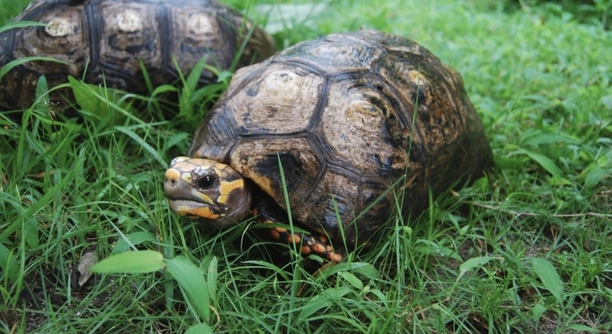
Red-footed tortoises are social and active creatures that thrive on stimulation and care. When they feel neglected or bored, their behavior may change, and this can affect their overall well-being. Recognizing the signs of boredom is important.
The key indicators of boredom in red-footed tortoises include reduced movement, lack of interest in food, and increased lethargy. Tortoises may also engage in repetitive behaviors, such as pacing or digging, which can be signs of frustration or under-stimulation.
By learning to spot these signs, you can ensure that your red-footed tortoise remains happy and healthy, avoiding long-term behavioral issues.
Lack of Physical Activity
Red-footed tortoises are naturally active animals, and when they aren’t getting enough physical activity, boredom can set in. They need a variety of spaces to roam, climb, and explore in order to stay engaged. Without enough stimulation, they may become lethargic and inactive, which is one of the first signs of boredom. If your tortoise is spending more time in one spot without moving around much, it’s time to reassess their habitat.
It’s important to offer them different textures to walk on and space to roam. This promotes natural behavior and keeps them physically and mentally active.
Providing them with a larger, enriched environment will encourage movement. You can also introduce objects like rocks, plants, and shallow pools, which can motivate your tortoise to explore and keep them entertained.
Uninterested in Food
If your red-footed tortoise suddenly loses interest in food, boredom could be a factor. When they’re mentally stimulated, they’re more likely to be excited about eating. Without it, they may lack the motivation to show interest in their meals.
Tortoises need variety in their diet to stay engaged. If they are being fed the same foods daily, they may lose interest. A sudden shift in eating habits can indicate that they’re simply not finding their environment exciting anymore.
Mixing up their meals with new, safe options like different vegetables, fruits, and occasional protein can help keep their appetite healthy and strong. When they are eating happily, it’s a good sign that they’re satisfied and engaged.
Repetitive Behavior
If your tortoise starts repeating the same behavior, such as pacing or digging in one spot, it may be a sign of boredom. These actions often indicate that they are trying to find something to do or escape their environment. Such behaviors are also a sign that their enclosure isn’t offering enough enrichment.
Pacing and digging can be frustrating for tortoises because they don’t have other forms of stimulation to engage with. Repetitive movements can be a way to cope with this lack of mental challenge. If you notice these actions, it’s essential to consider changing their habitat setup to better meet their needs.
By adding new elements to their environment, such as climbing structures or additional hiding spots, you’ll help break up these repetitive actions. It’s about creating an environment where they feel free to explore and engage with their surroundings in a natural way.
Lack of Interaction
Red-footed tortoises enjoy interaction, and if they are kept in isolation or with little engagement, they can easily get bored. Tortoises that aren’t provided with social interaction or stimulation may withdraw or become inactive. Regular engagement can help keep them healthy and mentally sharp.
Tortoises benefit from interaction in various forms, such as handling, watching their surroundings, or being offered new experiences. Taking the time to allow them to interact with different textures and objects will stimulate their curiosity.
It’s important to strike a balance between allowing your tortoise to explore independently and offering gentle interaction. Simple activities like moving them to different areas or providing new items to investigate can create variety and prevent boredom.
Unusual Sleeping Patterns
If your red-footed tortoise starts sleeping excessively or shows irregular sleeping patterns, it could be a sign of boredom. When tortoises don’t have enough to do, they may retreat into a deeper sleep or appear to be less active throughout the day.
In some cases, boredom can lead to lethargy, where the tortoise spends more time sleeping than it would in a more stimulating environment. If this happens frequently, it’s a good idea to reassess how you’re providing mental and physical engagement for your tortoise.
Consider offering new opportunities for exploration or providing toys, obstacles, or safe climbing structures. Changing up their daily environment can help keep them more alert and engaged.
Inactive Shell Position
An inactive or unusually positioned shell may indicate that your tortoise is experiencing boredom. If they stay in one spot for a long time, showing little interest in moving or exploring, it’s a sign that they’re lacking stimulation.
It’s crucial to watch for signs like their shell being tightly withdrawn or staying in one position for an extended period. Tortoises should be moving around their habitat and exhibiting natural behaviors, such as eating, walking, or investigating their surroundings. If your tortoise is spending more time still than usual, they may not have enough to do.
Disinterest in New Items
When you introduce new things into your tortoise’s environment and they show little to no interest, it can be a clear sign of boredom. A healthy tortoise should be curious and eager to explore new additions to its space.
Try adding different items such as plants, textures, or safe climbing structures. If they ignore them, it might be time to reassess their environment. They may need a more complex and enriched space to spark their curiosity.
FAQ
What are the most common signs that my red-footed tortoise is bored?
Common signs of boredom in a red-footed tortoise include excessive sleeping, lack of interest in food, repetitive behaviors like pacing or digging, and disinterest in new items or changes in their environment. If your tortoise isn’t moving around or interacting with objects in their habitat, it’s a good indication that they’re feeling bored.
How can I tell if my tortoise isn’t getting enough exercise?
If your tortoise is spending most of the time in one spot and showing little to no movement, this could be a sign that they aren’t getting enough exercise. Tortoises should be moving around, exploring, and foraging regularly. If you notice your tortoise becoming sluggish or inactive, it’s time to offer more opportunities for physical activity, such as expanding their space or adding new climbing elements.
Should I be concerned if my tortoise sleeps more than usual?
Excessive sleeping can be a sign of boredom, particularly if your tortoise isn’t showing interest in exploring or interacting with its surroundings. However, it’s also important to consider environmental factors, such as temperature or light. Tortoises tend to sleep more when they are cold, so make sure their enclosure is set to the right temperature. If sleepiness persists despite proper conditions, boredom may be the cause.
How can I create a more engaging environment for my tortoise?
To help prevent boredom, you can provide your tortoise with more environmental enrichment. Try adding plants, different textures, or climbing structures to their habitat. Rotating their toys or changing their environment frequently can also help stimulate curiosity and encourage natural behaviors. It’s important to make sure that the space allows for safe exploration and provides opportunities for movement.
What types of food can help keep my tortoise engaged?
Offering a variety of foods can help maintain your tortoise’s interest and prevent boredom at mealtime. Red-footed tortoises enjoy a mix of fruits, vegetables, and occasionally protein. You can try introducing new leafy greens, such as dandelion or collard greens, and fruits like mango or papaya. Offering different textures and tastes will help keep their meals exciting and mentally stimulating.
Can I use toys to entertain my tortoise?
Yes, toys can be a great way to provide mental stimulation for your tortoise. Safe, durable objects like wooden logs, large rocks, or cardboard boxes can encourage your tortoise to explore and investigate. Avoid small or sharp objects that could be a choking hazard or cause injury. Make sure the toys are non-toxic and safe for your tortoise to interact with.
Is it normal for my tortoise to dig or try to escape?
Digging is a natural behavior for red-footed tortoises, especially if they are feeling bored or unchallenged in their environment. They may dig in an attempt to find something to do or escape from their habitat. If this becomes excessive, it’s a sign that they may need more enrichment. Providing them with hiding spots, safe places to burrow, and more things to explore can help curb this behavior.
How do I know if my tortoise is stressed or bored?
Boredom and stress can sometimes look similar in tortoises, with signs like lethargy, lack of appetite, and unusual behavior. If your tortoise is withdrawing or showing a decrease in energy levels, it could be a sign of either stress or boredom. Stress is often linked to environmental changes, such as improper temperatures or humidity, while boredom is more about a lack of stimulation. Make sure their enclosure is comfortable, and provide them with engaging activities to rule out boredom.
How often should I interact with my tortoise?
You should aim to interact with your tortoise regularly, but not excessively. Handling them once or twice a week can be a good way to help with socialization and stimulation. Keep in mind that tortoises are independent creatures and don’t require constant attention. Instead, focus on providing them with a stimulating environment, allowing them to explore at their own pace.
What can I do if my tortoise is showing signs of boredom but doesn’t seem to enjoy new things?
If your tortoise seems uninterested in new objects or changes, it may take some time for them to adjust. Start by making small changes to their environment and monitor their reactions. Gradually introduce new food items, textures, or structures that are more in line with their natural behaviors. You can also try rotating the items in their habitat every few weeks to keep things fresh and interesting for them.
Final Thoughts
Boredom in red-footed tortoises is something that can easily go unnoticed, but it can lead to issues such as inactivity, stress, and health problems if not addressed. As natural explorers, tortoises need a stimulating environment to keep them healthy and engaged. By paying attention to their behavior and making small changes in their habitat, you can help prevent boredom from affecting your tortoise’s well-being.
Providing an enriched environment doesn’t have to be complicated. Simple adjustments like adding new plants, rearranging the habitat, or offering new food items can make a big difference. You can also introduce safe, interactive items such as logs or rocks for climbing. These additions can help keep your tortoise active and curious, preventing them from becoming lethargic or disinterested.
It’s important to remember that while red-footed tortoises may seem independent, they still require stimulation to thrive. Taking steps to provide an engaging space for them will not only improve their quality of life but also strengthen the bond between you and your pet. If you notice signs of boredom, don’t hesitate to make changes and give them the opportunity to explore and enjoy their surroundings.

Hello,
If you enjoy the content that we create, please consider saying a "Thank You!" by leaving a tip.
Every little bit helps us continue crafting quality advice that supports the health, happiness, and well-being of pets around the world, for pets of all shapes, sizes, and species.
We really appreciate the kindness and support that you show us!