
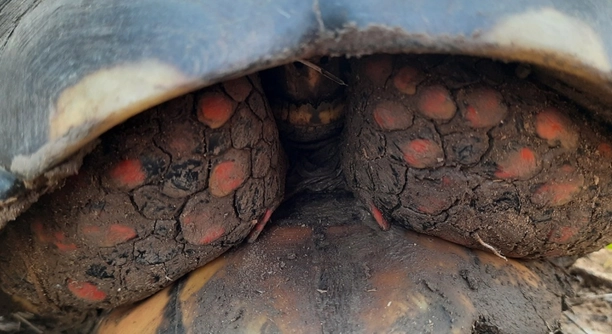
Red-footed tortoises are known for their varied diet, which typically includes fruits, vegetables, and insects. However, it’s important to understand which foods are safe for them and how certain treats might affect their health.
Cinnamon is not safe for red-footed tortoises to eat. While it is not highly toxic, cinnamon can cause digestive issues and discomfort. It’s best to avoid giving cinnamon to your tortoise to ensure its well-being and prevent any potential health risks.
Understanding which foods are safe for your tortoise can help prevent issues and promote a healthy diet. Keep reading for more details on their nutrition.
What Happens if Red-Footed Tortoises Eat Cinnamon?
If red-footed tortoises consume cinnamon, they could experience digestive problems. While cinnamon isn’t highly toxic, it contains compounds that may irritate their gastrointestinal system. This can lead to discomfort or even more serious health concerns over time.
Cinnamon can also disrupt the balance of beneficial bacteria in your tortoise’s gut. This imbalance may affect digestion and overall health. It’s best to avoid giving them cinnamon, as it can lead to long-term problems.
In addition to digestive issues, cinnamon can also irritate the tortoise’s skin and respiratory system. These animals rely on a balanced diet of fruits, vegetables, and leafy greens for nourishment. Offering foods that are safe for their digestive system will ensure they thrive and live a healthy life. Stick to appropriate food items like dandelion greens, squash, and berries. These choices support their health while minimizing potential risks.
How to Keep Your Tortoise Healthy with Proper Diet
A proper diet is key to your red-footed tortoise’s well-being. Always make sure to provide foods that are appropriate and nutritious for them. By offering a mix of fresh vegetables and fruits, you can avoid unnecessary risks.
Choosing the right foods will help your tortoise stay healthy and prevent issues related to improper diets. The right foods will keep your tortoise energetic and active.
Safe Alternatives to Cinnamon for Red-Footed Tortoises
Instead of cinnamon, there are plenty of safe foods you can offer your tortoise. Opt for fruits like papaya, berries, and melon, which are nutritious and enjoyed by most red-footed tortoises. These treats are safe and beneficial.
Offering a variety of vegetables like leafy greens, squash, and carrots is a good choice. These foods provide the essential nutrients and fiber that tortoises need for proper digestion. Always remember to wash vegetables thoroughly to remove any harmful pesticides. It’s also helpful to offer them in small, manageable portions to ensure your tortoise doesn’t overeat.
Another option is offering edible flowers like hibiscus, which can be a fun, colorful addition to their diet. These flowers are full of vitamins and will keep your tortoise entertained. A mix of fresh and safe options will keep your pet happy and healthy. Keep in mind, moderation is key when introducing new foods into their diet.
Understanding Red-Footed Tortoise Digestion
Red-footed tortoises have a delicate digestive system, and it’s important to feed them foods that align with their natural diet. High-fiber foods like leafy greens help maintain a healthy gut. Avoiding processed foods or those that are high in sugar will prevent digestive problems.
Their digestion also depends on temperature and humidity levels in their habitat. Keeping their environment at the right temperature and humidity will help them digest food properly. A healthy gut is crucial for overall well-being, so sticking to a natural diet will keep your tortoise feeling its best. It’s also helpful to provide fresh water daily for hydration.
Potential Risks of Feeding Red-Footed Tortoises Human Foods
Feeding red-footed tortoises human foods can lead to serious health risks. Many human foods contain additives, preservatives, or spices that can harm them. Even foods that seem harmless can upset their digestive system. Stick to foods specifically recommended for tortoises.
Some human foods are high in salt or sugar, which tortoises cannot process well. These ingredients can lead to dehydration or obesity over time. Additionally, foods like chocolate, onions, and garlic are toxic to tortoises. Avoid offering these entirely to ensure your tortoise stays healthy and safe.
Keeping a Balanced Diet for Your Tortoise
A balanced diet is essential for your tortoise’s health. Providing a variety of safe fruits, vegetables, and leafy greens will ensure they receive the right nutrients. You can also occasionally offer protein-rich foods like insects or eggs to keep their diet diverse.
Freshwater should always be available to keep them hydrated. In addition to proper nutrition, make sure their habitat has the correct humidity and temperature to support digestion. A good diet coupled with a healthy living environment will keep your tortoise active and thriving.
When to Seek Veterinary Advice
If you notice your tortoise acting differently, like showing signs of lethargy or digestive issues, it may be time to seek veterinary advice. Keeping track of your pet’s eating habits can help you catch any potential issues early.
FAQ
Can red-footed tortoises eat fruit?
Yes, red-footed tortoises can eat fruit. They enjoy a variety of fruits such as berries, papaya, melon, and mango. However, fruits should be given in moderation because they are high in sugar. Overfeeding fruit can lead to obesity and other health issues. It’s best to offer fruit as a treat rather than a regular part of their diet. Always wash the fruit thoroughly and remove any seeds that could be harmful.
Is it safe for red-footed tortoises to eat leafy greens?
Leafy greens are a great food option for red-footed tortoises. They enjoy greens like collard greens, dandelion greens, mustard greens, and turnip greens. These foods are packed with vitamins and minerals that help maintain a healthy tortoise. Avoid giving them iceberg lettuce, as it lacks nutrients and can cause digestive problems. It’s important to offer a variety of greens to keep their diet balanced and nutritious.
Can red-footed tortoises eat vegetables?
Yes, red-footed tortoises can eat a wide range of vegetables. Squash, carrots, bell peppers, and sweet potatoes are all good choices. These vegetables provide important nutrients and fiber. Just like with fruits, it’s important to avoid overfeeding. Stick to a variety of vegetables and avoid those that are too starchy, as they can cause digestive issues.
Are there any foods red-footed tortoises should avoid?
Red-footed tortoises should avoid foods that are toxic or harmful to them. Some of the most dangerous foods include chocolate, onions, garlic, and avocado. These foods can cause serious health issues like poisoning, digestive problems, or organ failure. Also, avoid feeding them processed foods, high-fat snacks, or foods with preservatives. Always research a food before offering it to ensure it’s safe.
Can I feed my red-footed tortoise protein?
Yes, red-footed tortoises do eat protein, but it should be offered sparingly. Protein-rich foods like insects (crickets, mealworms), eggs, and small amounts of cooked chicken can be provided occasionally. These animals are omnivores, but their protein intake should be limited to avoid health problems like kidney stress. In their natural habitat, they primarily get protein from small insects, worms, and scavenged animal matter.
What type of food is best for red-footed tortoises?
The best food for red-footed tortoises includes a variety of leafy greens, fruits, vegetables, and occasional protein. A diet that mimics their natural food sources will provide them with the nutrients they need. Offering fresh, organic produce is key to their health. It’s also important to provide them with a source of calcium to support shell growth and overall strength.
Can red-footed tortoises eat flowers?
Yes, many red-footed tortoises enjoy eating flowers. Edible flowers like hibiscus, dandelions, and pansies can be a fun and healthy addition to their diet. These flowers provide extra vitamins and minerals, and they also enjoy the variety. However, avoid giving them flowers that have been treated with pesticides or chemicals. Always make sure the flowers are safe for tortoises before offering them.
Should I feed my red-footed tortoise every day?
Yes, red-footed tortoises should be fed every day. Their diet should include a mix of vegetables, greens, fruits, and occasional protein. The amount of food varies based on their age, size, and activity level. Baby tortoises may need to eat more frequently, while adults can eat less often but still require daily meals. Make sure to offer fresh food each day and remove uneaten portions to keep their habitat clean.
What is the best way to hydrate my red-footed tortoise?
Red-footed tortoises need access to fresh, clean water every day. They often drink from a shallow dish, so ensure their water dish is large enough for them to soak in if they wish. Soaking in water helps with hydration and also aids digestion. You can also offer them water-rich foods like cucumbers and melon to help with hydration. Make sure to change their water daily to keep it fresh.
Is it okay to give my red-footed tortoise a treat?
Yes, treats are fine for red-footed tortoises in moderation. Fruits like strawberries, bananas, or grapes can be a special treat, but they should only be given occasionally due to their high sugar content. You can also offer them occasional flowers or a small amount of protein. Always be cautious and make sure treats don’t replace their regular, nutritious meals.
How often should I change my red-footed tortoise’s diet?
You don’t need to change your tortoise’s diet frequently, but it’s important to keep things varied. Offer different types of leafy greens, vegetables, and fruits regularly to keep their meals interesting. Changing the foods you offer can also help ensure they get a range of nutrients. However, always stick to foods that are safe and beneficial for your tortoise.
Final Thoughts
Feeding your red-footed tortoise requires careful attention to their specific dietary needs. While they can eat a variety of fruits, vegetables, and protein, it’s essential to provide the right balance. Avoid feeding them foods that are toxic or harmful, such as chocolate, garlic, or avocado. Instead, focus on offering leafy greens, safe vegetables, and occasional fruits. These will ensure they receive the necessary nutrients without overloading them with sugar or fat. Consistency in their diet is key to maintaining their health.
It’s also important to monitor their hydration levels. Red-footed tortoises need access to clean water every day, and soaking them can help with digestion and overall well-being. Along with water, consider offering water-rich foods like cucumbers and melons to further support their hydration. Additionally, providing protein occasionally will help meet their nutritional needs, but avoid overfeeding it, as too much protein can lead to kidney stress or other health problems.
Ultimately, the goal is to mimic their natural diet as closely as possible. By offering a variety of safe foods and ensuring they get proper hydration and protein, you can help your tortoise thrive. Regularly observing your tortoise’s health and adjusting their diet as needed will ensure they stay active and happy. A well-balanced diet, combined with a clean living environment and appropriate care, will support their long-term health and quality of life.

Hello,
If you enjoy the content that we create, please consider saying a "Thank You!" by leaving a tip.
Every little bit helps us continue crafting quality advice that supports the health, happiness, and well-being of pets around the world, for pets of all shapes, sizes, and species.
We really appreciate the kindness and support that you show us!