
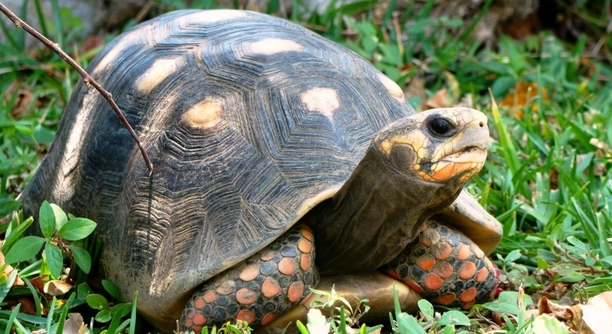
Red-footed tortoises are fascinating creatures with unique care needs. One concern that many owners have is when their tortoise begins shedding skin more frequently. This natural process can leave some wondering what might be causing it.
The shedding of skin in red-footed tortoises is a normal and healthy part of their growth. However, excessive shedding can be due to environmental factors such as humidity levels, temperature, or improper diet. In some cases, skin shedding may also indicate health issues.
Understanding these causes will help you care for your red-footed tortoise effectively. With the right adjustments, you can ensure a happy and healthy life for your tortoise.
Temperature Changes
Red-footed tortoises thrive in stable environments, and sudden temperature changes can cause them stress. When their habitat becomes too hot or too cold, their bodies may respond by shedding skin more frequently. The ideal temperature range for these tortoises is between 75°F to 85°F (24°C to 29°C). Fluctuations outside of this range can trigger excessive skin shedding as their bodies try to adjust.
A consistent temperature is crucial. If their basking spot is too hot, or the enclosure is too cold at night, it can affect their health and behavior. Inadequate temperature can also impact their ability to digest food properly, further complicating their skin issues.
To maintain the ideal temperature, invest in a reliable thermometer and heating equipment. Keep a regular schedule for adjusting the heat during the day and night. By stabilizing the temperature, you can reduce unnecessary shedding and create a more comfortable environment for your tortoise.
Humidity Levels
Proper humidity is just as important for red-footed tortoises. Too little moisture in the air can lead to dehydration, which results in excessive shedding. It’s important to maintain humidity levels around 70% to 80% in their habitat. If the humidity is too low, their skin may dry out and peel off too often, leaving them uncomfortable.
A simple solution is to mist their enclosure regularly or add a water dish large enough for them to soak in. This helps to ensure they stay hydrated, reducing the frequency of skin shedding. You can also use a humidity gauge to monitor the levels, making adjustments as needed.
Poor Diet
A poor diet can lead to poor skin health for red-footed tortoises. If they aren’t getting enough nutrients, it may result in dry, flaky skin that sheds more often. These tortoises require a balanced diet, including a mix of leafy greens, fruits, and some protein sources.
Without proper nutrition, their immune systems weaken, making them more susceptible to skin shedding issues. A calcium and vitamin D3 deficiency can especially cause shedding to become excessive. To ensure a well-rounded diet, feed them fresh, varied foods and avoid over-reliance on one type of food.
Supplying appropriate food that is rich in essential vitamins and minerals will help maintain healthy skin. Properly nourishing your tortoise can also improve overall vitality and prevent unnecessary stress. Don’t forget to also offer fresh water daily, keeping hydration at the right level.
Stress
Stress plays a significant role in skin shedding for red-footed tortoises. Changes in their routine, handling too often, or even the presence of other pets can stress them out, triggering skin problems. Excessive handling, in particular, should be avoided unless necessary, as it can leave them feeling vulnerable.
A stressed tortoise may exhibit signs like hiding, refusal to eat, or abnormal shedding. To reduce stress, create a stable and quiet environment for them. Keep their enclosure in a peaceful area away from noise and disturbances, ensuring they feel safe.
It’s also helpful to maintain a consistent feeding schedule and avoid frequent changes to their habitat. By keeping their environment calm and predictable, you’ll help your tortoise feel more secure, reducing the stress that leads to skin shedding.
Illness
Red-footed tortoises may shed skin excessively if they are unwell. Common health issues, like respiratory infections or skin infections, can lead to abnormal shedding. If the shedding is accompanied by other signs, such as loss of appetite or lethargy, it could indicate a more serious issue.
It’s important to consult a veterinarian if you notice any unusual behavior alongside shedding. Illness can impact their ability to properly shed, leading to a buildup of old skin. Immediate treatment can prevent further complications and help your tortoise recover more quickly. Keeping an eye on their overall health is essential.
Mites or Parasites
Mites or parasites are another potential cause for excessive skin shedding in red-footed tortoises. These external parasites can irritate their skin, causing it to peel or shed more than usual. If you notice small bumps or visible signs of irritation, mites may be the problem.
If you suspect mites, it’s important to address the issue promptly. A vet can help identify and treat any parasitic infestations. Regularly cleaning your tortoise’s habitat will also help prevent the buildup of parasites. Ensuring a clean environment supports your tortoise’s health and reduces the risk of shedding caused by external invaders.
FAQ
Why is my red-footed tortoise shedding so much?
Excessive shedding can be caused by several factors, including temperature fluctuations, humidity levels, diet, stress, or health issues. It’s important to evaluate each of these factors to pinpoint the cause. Ensure that their habitat maintains stable temperatures and proper humidity, and provide a balanced diet. Stress, whether from handling or environmental changes, can also trigger shedding. If these factors seem fine but the shedding persists, a vet visit is recommended to rule out illness or parasites.
How do I keep my red-footed tortoise’s skin healthy?
A healthy diet rich in calcium, vitamins, and minerals is essential for maintaining good skin health. Leafy greens, fruits, and occasional protein sources should be a staple. Proper humidity levels (70-80%) and a stable temperature range are crucial. Ensure they have access to fresh water and a clean environment. Avoid excessive handling and stress, which can negatively affect skin health.
Can stress cause my tortoise to shed skin more often?
Yes, stress can cause your red-footed tortoise to shed skin more frequently. Stressors like loud noises, excessive handling, or environmental changes can make them uncomfortable. Red-footed tortoises thrive in calm, stable environments. To reduce stress, limit handling, maintain a peaceful environment, and avoid sudden changes to their habitat.
What are the signs of a skin infection in my tortoise?
Skin infections in red-footed tortoises can show up as unusual shedding, redness, sores, or inflamed patches on their skin. If you notice these signs, it’s best to consult a veterinarian. Infections may also cause your tortoise to act lethargic, lose appetite, or display abnormal behavior. Early treatment is essential to prevent further complications.
How can I prevent parasites from affecting my tortoise’s skin?
Keeping your tortoise’s habitat clean is the first step in preventing parasites. Regularly disinfect the enclosure and replace bedding. Additionally, providing a soaking area can help maintain their hygiene. If you suspect your tortoise has parasites, such as mites, visit a vet for proper diagnosis and treatment.
Is it normal for my tortoise to shed in patches?
It is normal for red-footed tortoises to shed their skin in patches as they grow. However, if the shedding is excessive or occurs in irregular patterns, it could indicate environmental or health issues. Ensure that temperature, humidity, and diet are balanced. If the problem persists, a vet visit is recommended.
How often should I handle my red-footed tortoise?
Red-footed tortoises are generally not fond of frequent handling, and overhandling can cause them stress. It’s best to interact with them only when necessary, such as during cleaning or feeding time. Limiting handling will help prevent stress-induced skin shedding and keep your tortoise comfortable in its environment.
What are the best conditions for a red-footed tortoise’s skin?
To keep your tortoise’s skin healthy, provide consistent temperatures between 75°F to 85°F (24°C to 29°C) and humidity levels around 70-80%. Make sure they have a varied, nutritious diet that includes leafy greens, fruits, and some protein. Keeping the enclosure clean and avoiding stressors will also promote healthy skin.
Can a poor diet affect my tortoise’s shedding?
Yes, a poor diet can negatively impact your red-footed tortoise’s skin and shedding. If they are lacking essential nutrients like calcium and vitamins, their skin may become dry and shed excessively. Ensure they get a balanced diet to support their overall health, including fresh greens, fruits, and protein. A lack of hydration can also contribute to shedding issues.
How can I tell if my tortoise is dehydrated?
Signs of dehydration in a red-footed tortoise can include dry, flaky skin, sunken eyes, and lack of appetite. If your tortoise is not drinking enough water, they may also become lethargic or have difficulty shedding properly. Ensure that fresh water is always available and mist their enclosure to maintain proper humidity. Soaking your tortoise in shallow water for 10-15 minutes can also help with hydration.
Do red-footed tortoises shed more during certain seasons?
Yes, red-footed tortoises may shed more during certain seasons as they go through growth spurts. Typically, they shed more frequently in the warmer months, when their activity level increases. However, shedding should remain relatively consistent throughout the year unless other factors, such as stress, diet, or illness, come into play. If shedding seems excessive or irregular, a closer look at their environment or health may be necessary.
Final Thoughts
Taking care of a red-footed tortoise involves understanding their specific needs and creating an environment that supports their well-being. Regular shedding is normal, but excessive shedding or unusual patterns can indicate problems that need attention. Factors like humidity, temperature, diet, and stress levels all play a role in how often your tortoise sheds. Maintaining the right balance in these areas can help prevent issues and ensure your tortoise stays healthy.
If your tortoise is shedding more than usual, start by checking the basics. Are the humidity levels within the ideal range? Is the temperature stable, and is your tortoise getting a proper diet? These are the first things to assess when trying to figure out why your tortoise is shedding more frequently. Environmental stress, such as sudden changes in their habitat or too much handling, can also trigger shedding. By addressing these potential causes, you can often resolve the issue before it becomes a bigger problem.
In some cases, health issues may be at play. Illnesses like respiratory infections, skin infections, or parasites can cause abnormal shedding. If you notice symptoms like sores, lethargy, or loss of appetite along with shedding, it’s time to consult a veterinarian. Early diagnosis and treatment are key to preventing further complications. With the right care and attention to their environment, your red-footed tortoise can thrive and maintain healthy skin, ensuring a long and happy life.

Hello,
If you enjoy the content that we create, please consider saying a "Thank You!" by leaving a tip.
Every little bit helps us continue crafting quality advice that supports the health, happiness, and well-being of pets around the world, for pets of all shapes, sizes, and species.
We really appreciate the kindness and support that you show us!