
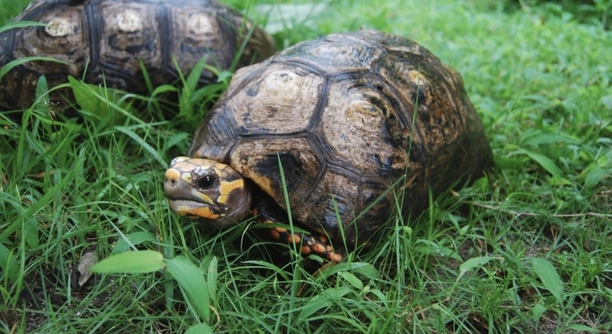
If your red-footed tortoise is refusing to eat, it can be frustrating. Whether it’s a new pet or one you’ve had for a while, understanding what could be wrong is key to getting them back on track.
The most common reasons a red-footed tortoise may refuse food are stress, improper environmental conditions, or illness. Ensuring they have a stable, warm environment with appropriate lighting and humidity can help encourage eating. Always consult a vet if the problem persists.
Understanding these factors will help ensure your tortoise’s well-being and make it easier to maintain their health in the future.
Environmental Stress
A red-footed tortoise may stop eating due to environmental stress. This can happen if the habitat isn’t set up correctly. The temperature, humidity, and lighting should be balanced to match their natural needs. Red-footed tortoises require a warm environment, around 80-85°F during the day, with a basking spot reaching up to 95°F. Night temperatures should drop to around 70°F. Humidity levels should be around 70-80%. If these conditions aren’t met, your tortoise may become stressed, leading to a lack of appetite.
Sometimes the size of their enclosure can also cause stress. If the space is too small or doesn’t offer enough enrichment, they may feel confined. Consider adjusting the setup to ensure they have room to move and explore.
To keep your tortoise healthy, maintain a consistent environment. Ensure the humidity is right, and provide a place for them to bask and hide. Addressing environmental issues can help them feel comfortable and encourage them to eat.
Improper Diet
If your tortoise isn’t eating, it’s possible they aren’t getting the right food. A proper diet is essential for their health. These tortoises need a mix of dark leafy greens, such as collard greens, dandelion greens, and hibiscus flowers. Fruits like papaya and strawberries can be given occasionally. It’s crucial to avoid feeding them too much fruit, as it can upset their digestion.
The food you offer should be fresh and free of pesticides. If your tortoise isn’t eating, it may be due to a lack of variety or unappealing food. Experiment with different types of greens or try feeding them a variety of colorful fruits and veggies to find what they prefer.
An unbalanced diet can lead to long-term health issues. Make sure they get the nutrients they need by offering a range of appropriate food options. Avoid feeding them high-protein foods as they can lead to kidney issues. Regularly rotate the food and offer fresh, clean water daily.
Health Concerns
Health problems can also be a reason for a red-footed tortoise refusing food. A common issue is respiratory infections, which can cause lethargy and a loss of appetite. Symptoms may include wheezing, nasal discharge, or open-mouth breathing. In these cases, it’s important to take your tortoise to a vet who specializes in reptiles.
Parasites are another issue that may impact your tortoise’s appetite. Internal parasites can cause weight loss, lethargy, and a lack of interest in food. If you notice signs like abnormal stool or weight loss, take your tortoise to a vet for a fecal test.
Shell problems or wounds can also lead to a loss of appetite. If your tortoise is injured, they may stop eating as a natural response to stress. Check their shell for cracks or sores and ensure they’re not suffering from any trauma. Timely veterinary care is essential in these cases.
Overfeeding or Feeding Too Frequently
Sometimes, feeding your tortoise too often can also cause them to lose their appetite. Overfeeding leads to a lack of hunger, which can result in a refusal to eat. It’s important to establish a feeding schedule and avoid offering too much food at once.
Tortoises are often slow eaters, and giving them too much food can overwhelm them. You might want to reduce the portions you offer, ensuring your tortoise has enough time to digest before being offered more food. Keeping a regular routine helps your tortoise understand when food will be available and reduces the chances of them becoming picky eaters.
A feeding schedule also helps manage their weight and ensure that they’re not overeating. Over time, your tortoise will adjust to this routine and may become more consistent in eating. If issues persist, a vet can help guide you on the right feeding approach.
Temperature Fluctuations
Temperature fluctuations can cause your red-footed tortoise to stop eating. If the temperature changes too drastically, it can stress them out, leading to reduced appetite. They thrive in stable, warm conditions, so keeping the temperature consistent is crucial for their well-being.
Ensure the basking area is warm enough, and check that the overall enclosure temperature remains steady throughout the day and night. If your tortoise is exposed to sudden cold drafts or extreme heat, they may become lethargic. It’s important to monitor the temperature regularly using a reliable thermometer and adjust if necessary.
A stable environment reduces stress and helps encourage eating. If temperature fluctuations are an issue, consider moving your tortoise to a more controlled environment or adjusting their heat sources.
Lack of Hydration
A lack of hydration can also be a reason for your tortoise not eating. Dehydration often leads to digestive issues and a loss of appetite. Make sure they have access to fresh water at all times, as this is essential for proper digestion and overall health.
You can also offer a shallow dish of water for your tortoise to soak in. This helps them hydrate through absorption, especially if they are not drinking as much. Some tortoises prefer to drink from standing water, while others may drink from running water sources. Be sure to monitor their water intake and clean the water bowl regularly.
Hydration is key to maintaining healthy digestion and appetite. If your tortoise is still not eating, providing proper hydration may encourage them to resume eating. Consider adjusting their water source or soaking them in warm water for better hydration.
Illness or Injury
Illness or injury is a major factor in why a red-footed tortoise might refuse food. If they’re not eating, it’s important to look for signs of physical problems, such as swollen limbs or labored breathing. Health issues need to be addressed promptly.
If you suspect illness, take your tortoise to a reptile vet. Some common signs of illness include lethargy, nasal discharge, or an abnormal walking pattern. Even minor injuries can cause them to stop eating, so check for any signs of trauma on their shell or limbs. Quick veterinary intervention can prevent more serious complications.
Mating Season
During mating season, red-footed tortoises may stop eating. This is a natural behavior as they focus on reproduction rather than food. You might notice that your tortoise becomes less interested in eating as they become more active or agitated.
Changes in behavior during mating season are common, especially if your tortoise is around a mate. Their appetite may decrease temporarily as they focus on mating behaviors. Although this can be worrying, it’s usually short-lived and will return to normal once the season is over.
Inconsistent Feeding Schedule
An inconsistent feeding schedule can cause a tortoise to lose interest in eating. If food is provided at varying times or in different amounts, they may not feel hungry when it’s time to eat.
Tortoises thrive on routine, so it’s best to feed them at the same time each day. Consistency helps them establish an eating pattern and prevents them from becoming finicky. Offer food during the day when they’re naturally active, and avoid overfeeding or underfeeding. Stick to a regular feeding schedule to maintain their appetite.
FAQ
Why is my red-footed tortoise not eating?
There are several reasons why a red-footed tortoise might not eat. Environmental stress, improper diet, illness, and even temperature fluctuations can all lead to a loss of appetite. Ensure that your tortoise’s habitat is set up correctly, with stable temperatures and proper humidity. Additionally, check the food you’re offering, as a lack of variety can also make them lose interest. If health problems are suspected, it’s important to consult a reptile vet.
How often should I feed my red-footed tortoise?
A red-footed tortoise typically needs to be fed every day, but it depends on age and size. Juveniles may need daily feedings, while adults may only need food every other day. Offer a balanced diet of greens, fruits, and vegetables. Be mindful not to overfeed, as this can lead to obesity or health issues. Establish a routine feeding schedule to keep your tortoise on track.
What should I feed my red-footed tortoise?
Red-footed tortoises are herbivores, so their diet should consist mainly of dark leafy greens, like collard greens and dandelion leaves, as well as some fruits and vegetables. They can also enjoy flowers such as hibiscus or dandelions. Avoid feeding them too much fruit, as it’s high in sugar, which can lead to digestive problems. Make sure the food is free from pesticides.
Can temperature affect my tortoise’s appetite?
Yes, temperature plays a significant role in a red-footed tortoise’s appetite. If the enclosure is too hot or too cold, your tortoise may stop eating. The temperature should be around 80-85°F during the day, with a basking area reaching up to 95°F. Nighttime temperatures should be around 70°F. Fluctuations in temperature can stress the tortoise and cause a loss of appetite.
How do I know if my tortoise is sick?
If your tortoise refuses to eat and shows other signs of illness, it’s important to watch for symptoms like lethargy, wheezing, nasal discharge, or open-mouth breathing. These could indicate a respiratory infection. You may also notice changes in their shell, like cracks or soft spots. If any of these symptoms are present, it’s best to take your tortoise to a reptile vet as soon as possible.
How can I get my red-footed tortoise to eat more?
If your tortoise isn’t eating, try offering different types of food. You can add variety by offering a range of greens, fruits, and flowers. Sometimes tortoises become picky if the food is the same all the time. You can also try feeding them at the same time every day to establish a routine. Make sure their environment is stress-free and at the proper temperature.
What should I do if my tortoise is not drinking water?
If your red-footed tortoise is not drinking, it might be dehydrated, which can lead to a loss of appetite. Ensure fresh water is always available. Some tortoises prefer to drink from shallow dishes, while others may like to soak in water. You can encourage hydration by soaking them in warm water for about 20-30 minutes. Be sure the water is not too hot or too cold.
How do I prevent my tortoise from becoming overweight?
To prevent your tortoise from becoming overweight, monitor their diet carefully. Offer a variety of healthy foods, but avoid giving too much fruit or high-calcium foods like spinach, which can lead to health problems. Stick to a consistent feeding schedule and provide enough space for them to move around in their enclosure. Regular exercise is also essential for maintaining a healthy weight.
Is it normal for a red-footed tortoise to stop eating during the winter?
Yes, it’s normal for some tortoises to eat less during the winter months. They may enter a form of hibernation or reduced activity during colder temperatures. However, if your tortoise completely stops eating for a long period, it’s important to check their environment to make sure the temperature and humidity levels are appropriate. If necessary, consult a vet to ensure there’s no underlying health issue.
What temperature should my tortoise’s enclosure be?
Red-footed tortoises require a temperature range of 80-85°F during the day, with a basking area that reaches 95°F. At night, temperatures should drop to around 70°F. Consistent heat helps regulate their digestion and keeps them active. Fluctuating temperatures can stress your tortoise and cause them to stop eating, so be sure to monitor the enclosure regularly.
Can my tortoise’s diet cause health problems?
Yes, an improper diet can cause long-term health issues for your red-footed tortoise. If they are fed too much fruit or a diet high in protein, they could develop kidney problems, obesity, or digestive issues. Feeding them a balanced diet of leafy greens, vegetables, and occasional fruits is essential for their health. Too much of one type of food can lead to nutrient imbalances.
Final Thoughts
Dealing with a red-footed tortoise that isn’t eating can be concerning. There are several reasons why your tortoise might refuse food, ranging from environmental factors to health issues. Ensuring that their habitat is properly set up with the right temperature, humidity, and space is a good starting point. Stress from an improper environment can be a big factor in a loss of appetite. Additionally, offering a variety of fresh food and maintaining a consistent feeding schedule can help keep your tortoise interested in eating. A lack of variety in their diet may also cause them to become picky, so be sure to introduce new foods to avoid boredom.
If you’ve ruled out environmental factors and diet, it may be time to check for signs of illness. A red-footed tortoise can sometimes stop eating due to underlying health problems such as respiratory infections or parasites. Watching for any unusual behavior, such as lethargy, wheezing, or changes in their shell, can help identify potential issues. If you suspect something is wrong, it’s always best to consult a reptile vet. Timely intervention is key to ensuring the long-term health of your tortoise. Sometimes, they may need medical treatment or special care to recover their appetite.
Finally, patience is important when dealing with feeding issues. Tortoises can go through periods of reduced eating without it being a cause for alarm. Factors such as seasonal changes, mating behavior, or even small changes in their daily routine can affect their eating habits. Keeping their environment stable, offering food at the same time daily, and maintaining a healthy, varied diet are the best ways to encourage good eating habits. Understanding the needs of your red-footed tortoise and staying observant will help you manage any feeding problems effectively.

Hello,
If you enjoy the content that we create, please consider saying a "Thank You!" by leaving a tip.
Every little bit helps us continue crafting quality advice that supports the health, happiness, and well-being of pets around the world, for pets of all shapes, sizes, and species.
We really appreciate the kindness and support that you show us!