
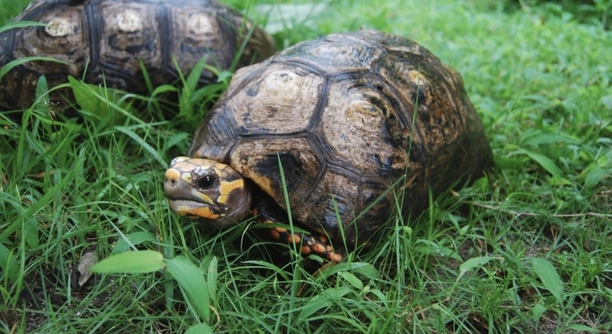
Red-footed tortoises are fascinating creatures with unique dietary needs. As a pet owner, you may wonder what foods are safe for them. While some foods are good, others, like garlic, should be avoided.
Red-footed tortoises should not eat garlic as it contains compounds that can be toxic to them. Consuming garlic can lead to digestive issues, lethargy, and potential damage to red blood cells. It’s best to keep garlic away from their diet.
Learning more about why garlic isn’t safe for your tortoise will help keep them healthy and happy for years to come.
Why Garlic Is Harmful to Red-Footed Tortoises
Garlic contains compounds called thiosulfates, which can be harmful to red-footed tortoises. These compounds are known to cause oxidative damage to their red blood cells, leading to hemolytic anemia. This condition can result in serious health problems like fatigue, weakness, and a decrease in appetite. Tortoises that consume garlic in significant amounts may experience toxic reactions. Although garlic is often considered a healthy food for humans, it’s essential to remember that not all foods are safe for pets, especially reptiles. When it comes to feeding red-footed tortoises, their digestive system is quite different from ours, and certain foods that are fine for us can cause harm to them.
Garlic also contains sulfur compounds that can irritate your tortoise’s digestive system, leading to upset stomachs and gastrointestinal issues. It’s better to avoid feeding them foods that can potentially harm their health.
For red-footed tortoises, the best diet includes leafy greens, fruits, and vegetables, with occasional high-protein foods like insects. Their digestive system thrives on these natural, easily digestible foods, supporting their health and growth. Introducing harmful substances like garlic can disrupt this balance and result in serious health consequences. Ensuring that your tortoise eats the right foods is crucial for maintaining its well-being. By providing a proper, balanced diet, you can avoid potential health risks and ensure your pet’s longevity.
Safe Foods for Red-Footed Tortoises
Safe food options for red-footed tortoises include dark leafy greens such as collard greens, kale, and dandelion greens. These vegetables offer essential nutrients like calcium and vitamins, crucial for bone health and overall growth. Red-footed tortoises also benefit from fruits like strawberries, bananas, and papaya. However, it’s important to feed these in moderation to avoid sugar-related health issues.
In addition to leafy greens and fruits, red-footed tortoises can enjoy a variety of vegetables, such as squash, carrots, and bell peppers. Providing these foods will ensure your tortoise gets the nutrients it needs without the risk of toxicity. You can also offer some flowers, like hibiscus, as a treat. Offering a varied diet will not only prevent boredom but also help support their overall health.
Feeding your red-footed tortoise safe, nutrient-rich food is essential for its long-term well-being. A balanced diet will keep them active, healthy, and thriving. By sticking to safe food choices, you can avoid the dangers that come with feeding harmful substances like garlic.
Signs of Garlic Toxicity in Red-Footed Tortoises
Garlic toxicity can affect red-footed tortoises in several ways. Symptoms may include lethargy, loss of appetite, and digestive upset. If your tortoise shows any of these signs after consuming garlic, it’s important to act quickly. These symptoms can escalate if garlic is consumed in larger amounts, leading to more serious issues like anemia.
The onset of garlic toxicity is often subtle, so it’s essential to monitor your tortoise closely after feeding. If symptoms persist, it is recommended to seek veterinary care. A veterinarian may run tests to assess the damage to red blood cells and suggest appropriate treatment. Early intervention can prevent the condition from worsening.
It’s vital to note that garlic can cause damage to a tortoise’s liver and kidneys, especially if it is ingested regularly. This is why it’s crucial to ensure that garlic is not part of their regular diet. Always double-check the ingredients of foods you offer them.
What to Do If Your Tortoise Eats Garlic
If your tortoise has accidentally consumed garlic, act fast. Remove any remaining garlic from its environment to prevent further ingestion. If your tortoise is showing signs of garlic poisoning, contact your veterinarian immediately. They may recommend inducing vomiting or administering activated charcoal to reduce the toxins.
Your veterinarian will likely perform a blood test to check for signs of anemia and assess any damage to the tortoise’s organs. Depending on the severity of the poisoning, treatment could involve hydration therapy, blood transfusions, or medication to support kidney and liver function. Early diagnosis and prompt treatment are crucial to ensure the health of your pet.
In some cases, the damage caused by garlic ingestion may be irreversible, which is why prevention is always the best course of action. It’s important to be vigilant about what your tortoise eats to avoid dangerous situations.
How to Prevent Garlic Poisoning in Tortoises
To avoid garlic poisoning, ensure that garlic is never included in your tortoise’s diet. Always check the ingredients of any prepared foods or supplements you offer. Be mindful of any foods that could potentially contain garlic, such as certain processed pet treats or homemade meals.
Educating yourself about safe foods for tortoises is key to preventing accidents. Storing garlic and other harmful foods securely out of your pet’s reach will help reduce the risk of ingestion. Taking extra precautions ensures your tortoise remains safe and healthy, avoiding any unwanted complications from harmful foods.
Alternative Healthy Foods for Red-Footed Tortoises
Red-footed tortoises enjoy a variety of vegetables and fruits. Leafy greens such as collard greens, turnip greens, and dandelion greens are great choices. You can also offer squash, bell peppers, and sweet potatoes. These foods are rich in nutrients and promote good health.
Fruits like strawberries, bananas, and papaya can also be fed in moderation. These provide natural sugars and vitamins that benefit your tortoise’s health without the dangers associated with garlic. Adding a variety of fruits and vegetables to your tortoise’s diet helps ensure they receive all the nutrients they need to thrive.
Understanding Your Tortoise’s Dietary Needs
Understanding the dietary needs of your red-footed tortoise is essential for their overall well-being. These tortoises are omnivores and thrive on a balanced diet that includes plant matter and occasional protein sources. Offering a wide variety of safe foods ensures your tortoise gets a balanced intake of vitamins and minerals.
A proper diet supports a tortoise’s immune system, shell health, and digestion. It’s important to provide foods high in calcium for healthy bone growth. Along with fruits and vegetables, you can occasionally offer insects or other protein-rich foods.
FAQ
Can red-footed tortoises eat garlic in small amounts?
No, garlic should never be fed to red-footed tortoises, even in small amounts. While some animals may tolerate small doses of garlic, tortoises are particularly sensitive to its toxic compounds. These compounds can damage red blood cells, leading to serious health issues like anemia. Even a small amount could be harmful, so it is essential to avoid garlic entirely in their diet.
What are the symptoms of garlic poisoning in tortoises?
The symptoms of garlic poisoning in red-footed tortoises include lethargy, loss of appetite, and digestive upset. In severe cases, they may show signs of anemia, such as pale skin and difficulty moving. If your tortoise starts showing these signs after consuming garlic, it’s important to seek veterinary care immediately. Prompt treatment is crucial to prevent long-term damage to their organs.
How long does it take for garlic poisoning to show symptoms?
Garlic poisoning symptoms can appear within a few hours or up to a day after ingestion. The onset may be gradual, making it difficult to notice right away. However, the more significant the amount consumed, the faster the symptoms tend to appear. Keep an eye on your tortoise for any unusual behavior or signs of distress, especially if they’ve been exposed to garlic.
Can garlic be harmful if it is cooked?
Yes, garlic can still be harmful to red-footed tortoises even if it is cooked. The compounds responsible for its toxicity, such as thiosulfates, remain present in both raw and cooked garlic. Cooking does not neutralize these harmful substances. Therefore, garlic in any form should be avoided completely.
What should I do if my tortoise eats garlic?
If your tortoise accidentally eats garlic, the first thing to do is remove any remaining garlic from its environment. Monitor your pet closely for symptoms of garlic poisoning, such as lethargy, loss of appetite, or difficulty moving. Contact a veterinarian immediately if you notice any unusual symptoms. Depending on the severity of the poisoning, the vet may recommend treatments like activated charcoal or other interventions to help your tortoise recover.
How do I know if my tortoise has eaten something harmful?
If your tortoise has consumed something harmful, such as garlic or other toxic foods, watch for behavioral changes. Signs that something is wrong include lethargy, loss of appetite, changes in movement or posture, and abnormal breathing. If you suspect your tortoise has eaten something toxic, contact your vet right away for guidance. The faster you act, the better the chances of preventing serious health problems.
What are safe foods for red-footed tortoises?
Red-footed tortoises thrive on a diet of leafy greens, such as collard greens, kale, and dandelion greens. You can also offer vegetables like squash, bell peppers, and sweet potatoes. Fruits such as strawberries, bananas, and papayas are safe in moderation. These foods provide the necessary nutrients for a healthy tortoise and support their growth and development.
Is it safe to feed red-footed tortoises meat?
While red-footed tortoises are primarily herbivores, they can occasionally eat small amounts of animal protein. This includes insects, snails, and other small creatures. However, animal protein should not make up a large portion of their diet. A balanced diet with a focus on plant matter is the best way to maintain a healthy tortoise.
How can I prevent my tortoise from eating harmful foods?
To prevent your tortoise from eating harmful foods like garlic, store all food securely and out of their reach. It’s important to be mindful of where you place your tortoise and what they have access to. Keep them in an enclosure that is free from potentially toxic plants and foods. Additionally, educate yourself on safe and unsafe foods for tortoises, so you can make informed decisions when feeding them.
Can garlic affect other types of reptiles?
Yes, garlic can be harmful to many types of reptiles, not just red-footed tortoises. The toxic compounds in garlic can have similar negative effects on other species, leading to digestive upset, anemia, and even organ failure. It’s best to avoid feeding garlic to any reptile, as their digestive systems are not built to process these substances. Always research the specific dietary needs of your reptile species to avoid harmful foods.
Final Thoughts
When caring for red-footed tortoises, it’s essential to understand what foods are safe for them to eat. Garlic, despite being a common ingredient in many households, should never be part of a tortoise’s diet. Even in small amounts, garlic can cause serious harm to your pet. Its toxic properties can lead to a variety of health problems, including anemia, digestive upset, and lethargy. By keeping garlic out of your tortoise’s reach and avoiding feeding it accidentally, you can ensure your pet’s health and well-being.
Feeding your tortoise a balanced diet is crucial for their growth and longevity. A variety of leafy greens, fruits, and vegetables should make up most of their diet. These foods provide the necessary vitamins and minerals that support their immune system and shell health. Occasional protein, such as insects or snails, can be included, but the primary focus should always be plant-based foods. Knowing which foods are safe and which are harmful can make a big difference in your tortoise’s life.
If you ever suspect that your tortoise has ingested something harmful, it’s important to act quickly. Garlic poisoning can show up with symptoms like loss of appetite, lethargy, and changes in behavior. If any of these signs appear, consult a veterinarian immediately. The quicker you respond, the better the chances of a full recovery. By staying informed and vigilant, you can provide the best care for your red-footed tortoise and ensure they lead a healthy, happy life.

Hello,
If you enjoy the content that we create, please consider saying a "Thank You!" by leaving a tip.
Every little bit helps us continue crafting quality advice that supports the health, happiness, and well-being of pets around the world, for pets of all shapes, sizes, and species.
We really appreciate the kindness and support that you show us!