
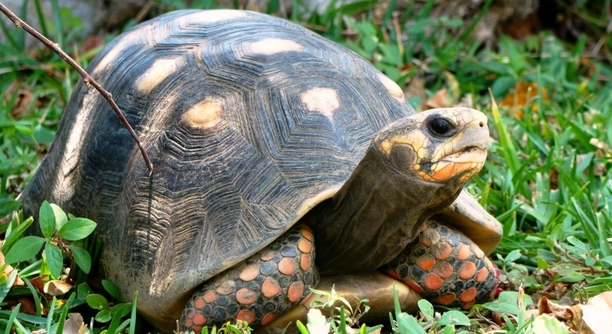
Red-footed tortoises are active and curious animals, but they are prone to various injuries due to their behavior. Knowing how to recognize and treat common injuries can help ensure they remain healthy and safe in their environment.
The most common injuries in red-footed tortoises include shell cracks, bites, abrasions, and internal injuries caused by falls or rough handling. Proper treatment involves cleaning the wound, using antibiotic ointment, and, if necessary, consulting a veterinarian for more severe cases.
Understanding these injuries and knowing how to handle them can make a big difference in your tortoise’s recovery and overall well-being.
Common Shell Cracks and How to Treat Them
Shell cracks are one of the most common injuries in red-footed tortoises. They can happen if the tortoise falls from a height or is involved in a rough interaction with another animal. The shell is essential for protection, so any damage should be addressed immediately. Small cracks might heal on their own, but larger fractures need more attention.
If the crack is small, you can clean the area with a mild antiseptic. Apply a turtle-safe antibiotic ointment to the area, and then monitor for any signs of infection. For more severe cracks, take your tortoise to a vet who can assess the damage. They may need to apply a special resin or other treatments to help the shell heal.
Always be cautious when handling your tortoise, and make sure they are in a safe environment. Avoid high places where they could fall and sustain injury. Keeping their living area well-maintained will reduce the risk of falls and help protect their shells.
Bite Marks and How to Handle Them
Bite marks from other animals or even from other tortoises can occur. These marks should be cleaned immediately to prevent infection. After cleaning, apply an antiseptic ointment.
If the bite is deep or the area becomes inflamed, it’s best to consult a vet for further care.
Abrasions from Rough Surfaces
Abrasions can happen when a red-footed tortoise drags its body across rough or sharp surfaces. These injuries often appear as raw, red spots on their skin. It’s important to clean the area with mild soap and water and apply an antiseptic ointment to promote healing.
Abrasions usually heal quickly if treated properly. After cleaning, keep the affected area dry to avoid infection. If the abrasion is large or deep, a vet may need to assess it. They might recommend using a bandage to protect the area from further harm.
Make sure your tortoise’s habitat is safe, with smooth surfaces where they can move comfortably. Avoid placing them on surfaces that could cause these injuries, such as rough stones or wood.
Internal Injuries from Falls
Falls can result in internal injuries for red-footed tortoises, which may not always be visible. These injuries can range from bruising to more serious internal trauma. If a fall occurs, it’s important to monitor the tortoise closely for signs of distress.
Signs of internal injuries include lethargy, loss of appetite, or irregular breathing. In some cases, the tortoise may have difficulty moving or appear unusually withdrawn. If any of these symptoms appear, immediate vet attention is necessary. The vet will perform a thorough examination to check for internal damage and recommend treatment accordingly.
To prevent such injuries, make sure the tortoise’s environment is free from high places or obstacles they could fall from. A secure enclosure will minimize the chances of a fall and potential internal injury.
Overheating and Heat Stress
Red-footed tortoises can suffer from overheating if exposed to excessive heat for too long. Heat stress can lead to lethargy, dehydration, and even organ failure if not addressed. Provide a shaded area in their habitat to help them cool down when necessary.
To prevent overheating, ensure that your tortoise’s enclosure has proper temperature control. Offer fresh water regularly and avoid exposing them to direct sunlight for extended periods. If you notice signs of heat stress, move them to a cooler area immediately and offer water to help rehydrate them.
Respiratory Infections and Their Treatment
Respiratory infections are a common issue for red-footed tortoises, often caused by poor living conditions or sudden temperature changes. Symptoms include wheezing, mucus discharge, and lethargy. If left untreated, the infection can worsen and lead to long-term health issues.
Treating respiratory infections typically requires a vet visit. Your vet may prescribe antibiotics or other medications to help clear the infection. Ensure that the tortoise is kept in a stable, warm environment to aid in recovery. Avoid drafts and maintain proper humidity levels to prevent further respiratory issues.
Eye Injuries and Infections
Eye injuries can occur due to rough handling, poor living conditions, or contact with sharp objects. Infections may develop if the injury is not treated promptly. Symptoms include redness, swelling, or discharge from the eye.
If your tortoise experiences an eye injury, clean the area gently with saline solution and avoid applying any harsh chemicals. Infected eyes may require antibiotic eye drops. If symptoms persist or worsen, seek veterinary care immediately to prevent lasting damage to the eye. Keep their habitat clean to minimize the risk of further eye injuries or infections.
FAQ
What should I do if my red-footed tortoise gets injured?
If your tortoise is injured, the first step is to assess the situation. For minor injuries like small abrasions or scratches, clean the wound gently with mild soap and water. Apply an antibiotic ointment if needed and keep the area clean and dry. Monitor for signs of infection, such as swelling or discharge. For more serious injuries, such as shell cracks or internal trauma, it’s best to seek veterinary care immediately to ensure proper treatment and recovery.
How can I tell if my tortoise has a respiratory infection?
A red-footed tortoise with a respiratory infection will often show signs such as wheezing, mucus around the nostrils, watery eyes, or lethargy. You may also notice that the tortoise is having trouble breathing or seems more withdrawn than usual. If you suspect a respiratory infection, consult a vet as soon as possible. They may prescribe antibiotics or other treatments to help clear the infection and prevent it from worsening.
What temperature should I keep my tortoise’s habitat?
Red-footed tortoises prefer a warm environment. The temperature should be around 75-85°F (24-29°C) during the day, with a basking spot reaching up to 95°F (35°C). At night, the temperature can drop to around 70°F (21°C). Make sure to use a reliable thermometer to monitor the temperature and adjust your heat sources accordingly. A proper heat gradient allows your tortoise to regulate its body temperature and stay healthy.
Can red-footed tortoises get shell rot?
Yes, shell rot is a condition that can occur if your tortoise’s shell becomes injured or infected. The shell can become soft, discolored, and even develop foul-smelling discharge. Shell rot can be caused by poor living conditions, such as high humidity, dirty bedding, or inadequate ventilation. If you notice any signs of shell rot, it’s important to take your tortoise to a vet for treatment. Regular cleaning of their habitat and proper care can help prevent shell rot from developing.
How do I prevent overheating in my red-footed tortoise?
To prevent overheating, make sure your tortoise has access to shaded areas where they can cool down. Avoid exposing them to direct sunlight for long periods, and provide fresh water frequently. Ensure that their habitat has a temperature gradient so they can move between warmer and cooler areas as needed. If your tortoise starts showing signs of heat stress, such as lethargy or open-mouth breathing, move them to a cooler area immediately.
What should I feed my red-footed tortoise to keep them healthy?
Red-footed tortoises are primarily herbivores. Their diet should include a variety of leafy greens, such as collard greens, dandelion greens, and romaine lettuce. You can also feed them fruits like papaya, mango, and strawberries in moderation. It’s important to avoid feeding them too many high-oxalate foods like spinach, as this can cause kidney problems. Providing a balanced diet with appropriate calcium and vitamins is key to keeping your tortoise healthy.
How can I tell if my tortoise is dehydrated?
Signs of dehydration in a red-footed tortoise include lethargy, sunken eyes, and dry, hard skin. If you notice these signs, offer your tortoise fresh water and encourage it to drink. You can also soak your tortoise in warm water for 20-30 minutes to help hydrate them. If dehydration persists, consult a vet for advice and further treatment.
Can I use a heat lamp for my tortoise’s habitat?
Yes, a heat lamp is a great way to provide the necessary warmth for your red-footed tortoise. Make sure the heat lamp is positioned to create a basking area with a temperature of around 95°F (35°C). This will allow your tortoise to regulate its body temperature effectively. Be sure to monitor the temperature regularly to avoid overheating.
What type of bedding is best for red-footed tortoises?
For red-footed tortoises, a bedding of organic materials like coconut husk, cypress mulch, or leaf litter works best. These materials help maintain humidity levels in their habitat and are soft on their feet. Avoid using sand or gravel, as they can irritate their skin or cause digestive issues if ingested.
How do I spot a sick red-footed tortoise?
A sick red-footed tortoise may exhibit changes in behavior, such as reduced activity, loss of appetite, or trouble moving. Other signs to watch for include wheezing, watery eyes, swelling, or diarrhea. If you notice any of these symptoms, it’s important to take your tortoise to a vet for a proper diagnosis and treatment.
Can I let my tortoise roam freely outside?
It’s okay to let your red-footed tortoise roam outside, but only in a safe, enclosed area. Be sure to monitor the temperature and humidity to ensure they stay comfortable. Also, make sure there are no predators around, and keep the environment free from harmful plants or debris. Always supervise your tortoise when they’re outside to prevent accidents.
How often should I bathe my tortoise?
You don’t need to bathe your red-footed tortoise every day, but occasional baths are beneficial for hydration and hygiene. Soak your tortoise in shallow, lukewarm water for 20-30 minutes. This helps keep them hydrated, especially in dry environments. Make sure they can’t escape from the bath, and never use hot water.
Final Thoughts
Caring for a red-footed tortoise involves understanding their specific needs and providing a safe, healthy environment. By paying attention to their habitat temperature, diet, and hydration, you can ensure that they thrive. Regular monitoring of their health and well-being, as well as addressing any potential injuries or illnesses quickly, will help keep your tortoise happy and comfortable. With proper care, red-footed tortoises can live long and healthy lives.
It’s important to remember that, like all pets, red-footed tortoises require consistent care and attention. Creating the right environment for them is essential, and this includes not only temperature control but also humidity and proper lighting. By choosing the right bedding materials, keeping their enclosure clean, and offering a varied diet, you will set your tortoise up for success. Ensuring they have access to fresh water and monitoring their behavior can also help you spot any health concerns early on.
In conclusion, while it can be challenging to maintain the right balance for your red-footed tortoise’s care, the rewards are worth the effort. Providing a stable and nurturing environment, treating any injuries or illnesses promptly, and staying informed about their needs will help ensure your tortoise lives a long, healthy, and fulfilling life. As long as you pay attention to their specific care needs, your red-footed tortoise will be a great companion.

Hello,
If you enjoy the content that we create, please consider saying a "Thank You!" by leaving a tip.
Every little bit helps us continue crafting quality advice that supports the health, happiness, and well-being of pets around the world, for pets of all shapes, sizes, and species.
We really appreciate the kindness and support that you show us!