
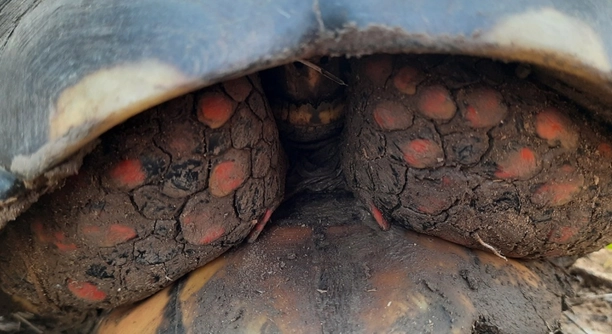
Creating an ideal habitat for your red-footed tortoise can be both fun and rewarding. With a few budget-friendly changes, you can make a big difference in their comfort and well-being. Improving their environment doesn’t need to be expensive.
To improve your tortoise’s habitat on a budget, focus on inexpensive natural elements. Adding proper substrates, hiding spots, and plants can help create a more comfortable environment. Make sure to adjust lighting and temperature to mimic their natural habitat.
These simple and affordable changes will ensure a healthy and happy environment for your red-footed tortoise. Let’s explore the best ways to make these improvements.
Substrates: The Foundation of a Comfortable Habitat
Choosing the right substrate is one of the most affordable ways to enhance your tortoise’s habitat. Red-footed tortoises thrive in environments that resemble their natural surroundings, which include tropical forests with moist, earthy floors. You can use coconut coir, cypress mulch, or even organic soil as substrates. These materials are inexpensive and provide good moisture retention, which is essential for humidity levels. Avoid using sand or gravel, as they can be uncomfortable for your tortoise and difficult to clean. If you can, add a mix of leaf litter or dried moss to make the habitat more natural and comfortable.
These natural substrates allow for burrowing and help with temperature regulation. Keep the substrate moist but not soggy to maintain humidity levels. Over time, the tortoise will enjoy digging into the substrate, simulating the conditions they would experience in the wild. A good foundation helps your red-footed tortoise feel safe and relaxed in its habitat.
A simple substrate setup can make your tortoise feel at home. With some maintenance, it remains both affordable and functional.
Hiding Spots: Adding Security and Comfort
Hiding spots are essential for your red-footed tortoise. They help your pet feel secure and reduce stress. You don’t need to spend much to add these to the habitat.
Red-footed tortoises naturally seek out places to hide for privacy and comfort. Adding inexpensive materials, such as logs, rocks, or plants, can create these safe spots. You can also repurpose old ceramic pots or wooden boxes to form shelters. By placing them in corners or behind plants, you mimic the coverage they’d seek in the wild. Make sure the hiding spots are large enough for your tortoise to move in and out comfortably. Keeping them out of direct light or open spaces also helps make them feel more secure.
These affordable additions not only improve the tortoise’s well-being but also make it feel more at ease in its environment. A hidden retreat can help your tortoise feel secure, which is essential for its health and happiness.
Lighting: Mimicking Natural Sunlight
Proper lighting is crucial for your red-footed tortoise’s health. A UVB light source is needed to help them synthesize vitamin D3 and absorb calcium. You can find affordable UVB bulbs that work well in the habitat.
Placing the UVB light over the basking area ensures your tortoise gets enough exposure. You’ll need to replace the bulb every six months for effectiveness, but the upfront cost is low. Along with a heat lamp, this setup creates a comfortable basking zone. Be mindful of the light’s distance, as too much exposure can stress your tortoise.
Natural sunlight is also beneficial, but using artificial lighting provides consistency. Placing both the UVB and heat lamps on a timer makes managing light cycles easier, ensuring your tortoise enjoys 12-14 hours of light each day. A balanced lighting setup promotes overall well-being.
Plants: Adding Greenery for a Natural Touch
Adding plants to your tortoise’s habitat is an inexpensive way to enrich its environment. Safe, non-toxic plants like hibiscus, dandelion, or spider plants provide both decoration and natural food sources.
By incorporating live plants, you mimic the tortoise’s natural habitat. Not only does it make the habitat more appealing, but plants also help maintain humidity levels. Choose plants that are hardy, as tortoises may nibble on them from time to time. They also offer shelter and hiding spots for your pet. Planting in pots makes it easy to move them around for variety.
Consider growing edible plants in the habitat, so your tortoise can forage naturally. These additions are simple yet highly effective in creating a more stimulating environment for your red-footed tortoise. You won’t need to spend much, and they provide great benefits to your pet.
Water Source: Keeping It Clean and Accessible
A shallow water dish is a must for your red-footed tortoise. It allows them to drink and soak, which is crucial for hydration. You can find inexpensive, shallow bowls that are easy to clean.
Make sure the dish is large enough for them to soak in but not too deep. Cleaning the water regularly helps prevent bacteria buildup. You can also add a small filter to keep the water clean for longer. The right water source ensures that your tortoise stays hydrated and healthy.
Temperature Control: Ensuring Proper Heat
Maintaining the right temperature is essential for your tortoise’s comfort. A basking area with a heat lamp can help regulate their body temperature. The basking spot should be around 90-95°F, while the cooler side of the habitat should remain between 75-80°F.
Using a thermometer to check the temperature ensures the habitat stays within the ideal range. Without proper temperature control, your tortoise could become stressed or sick. For an affordable setup, combine a simple heat lamp with a thermostat to maintain the right conditions.
Affordable Upgrades: Simple Tweaks for Improvement
Even small changes can make a big difference in your tortoise’s environment. Adding rocks or logs for climbing not only helps with exercise but also adds enrichment to the habitat. Keep these additions simple and cost-effective, using materials you might already have at home.
These simple upgrades provide your tortoise with more opportunities for natural behaviors. By enhancing their environment, you promote both mental and physical health. The best part is, these additions don’t have to be expensive. Just a few small tweaks can make a noticeable impact on your tortoise’s quality of life.
FAQ
What is the best substrate for a red-footed tortoise?
Coconut coir and cypress mulch are two of the best and most affordable substrates for a red-footed tortoise. Both materials hold moisture well, which helps maintain humidity levels in their habitat. You can also use organic topsoil mixed with coconut coir for a more natural feel. Avoid using sand or gravel, as they can be uncomfortable for the tortoise and difficult to clean.
How often should I clean my tortoise’s habitat?
It’s important to clean your tortoise’s habitat regularly to ensure a healthy environment. Spot clean daily by removing waste and uneaten food. Every 2-3 weeks, perform a more thorough cleaning by replacing the substrate, cleaning the water dish, and wiping down surfaces. This routine helps prevent bacteria buildup and keeps the habitat fresh.
Can I use regular soil in my tortoise’s enclosure?
Yes, you can use regular soil as long as it is pesticide-free and organic. Mixing it with coconut coir or cypress mulch can improve moisture retention and make the substrate easier to clean. Avoid using soil with chemicals or fertilizers, as they could be harmful to your tortoise.
Do red-footed tortoises need UVB light?
Yes, UVB light is essential for red-footed tortoises to synthesize vitamin D3, which helps them absorb calcium. A UVB light should be provided for about 10-12 hours a day. Be sure to replace the bulb every six months, as its effectiveness diminishes over time. Proper lighting is crucial to preventing shell deformities and promoting overall health.
How can I ensure my tortoise is getting enough heat?
Provide a basking spot with a heat lamp that keeps the temperature between 90-95°F. The cooler side of the enclosure should be around 75-80°F. Using a thermostat to control the heat can help maintain consistent temperatures. Make sure the basking area is in a safe spot where your tortoise can soak up the warmth without being disturbed.
What kind of plants are safe for my red-footed tortoise?
Some safe and non-toxic plants include hibiscus, dandelion, and spider plants. These plants not only make the enclosure more attractive but can also serve as food sources for your tortoise. Make sure to research the specific plants you add to ensure they are safe, as some plants can be harmful if ingested.
How much space does a red-footed tortoise need?
Red-footed tortoises require a spacious enclosure to move around comfortably. A minimum of 4×6 feet of space is recommended for an adult tortoise. For a hatchling, a smaller space is fine, but it’s important to provide enough room as they grow. Larger enclosures offer better opportunities for exercise and natural behaviors.
Can I use a plastic container as a habitat for my tortoise?
Plastic containers can be used for temporary setups, but they aren’t ideal for long-term housing. They are often too small and don’t provide proper ventilation. Additionally, plastic can trap heat, making it hard to regulate temperatures. It’s better to use a wooden or glass enclosure that allows for proper airflow and space.
How often should I feed my red-footed tortoise?
Adult red-footed tortoises should be fed every 2-3 days, while younger tortoises may need daily feedings. Offer a variety of leafy greens, fruits, and some vegetables. Avoid feeding them too much fruit as it can lead to an imbalance in their diet. Always remove uneaten food to prevent mold or bacteria growth in the enclosure.
Is it okay for my tortoise to eat flowers?
Yes, many flowers are safe for red-footed tortoises, such as hibiscus, dandelion, and pansies. They enjoy eating flowers as a part of their natural diet. However, be sure the flowers haven’t been treated with pesticides or chemicals before feeding them to your tortoise. Always research the specific flower to ensure it is safe.
How do I maintain humidity in my tortoise’s habitat?
To maintain humidity, you can mist the enclosure with water daily, especially if you live in a dry climate. Providing a humid hide, such as a small area with damp sphagnum moss, also helps. Ensure the substrate is moist but not soggy, and monitor humidity levels regularly to keep them between 60-80%.
Can I house multiple red-footed tortoises together?
It’s possible to house multiple red-footed tortoises together, but it requires careful monitoring. Make sure the enclosure is large enough to give each tortoise their own space. Some tortoises may become territorial, leading to aggression or stress. Always observe their behavior and separate them if there are signs of conflict.
What is the best way to provide water for my tortoise?
A shallow water dish is essential for your tortoise. It should be large enough for them to drink and soak in, but not deep enough to cause drowning. Change the water regularly and clean the dish thoroughly. You can also add a small filter to keep the water clean for longer periods.
Should I worry about my tortoise’s shell?
Red-footed tortoises have strong shells that help protect them. However, you should still keep an eye on their shell for any signs of injury or illness, such as cracks, soft spots, or unusual growths. Providing a proper diet, UVB lighting, and adequate temperatures will help maintain a healthy shell.
How long can a red-footed tortoise live?
Red-footed tortoises can live up to 50 years or longer in captivity with proper care. To ensure a long and healthy life, maintain their environment with proper lighting, temperature, humidity, and diet. Regular health checkups and monitoring their behavior also help keep them in good condition.
Final Thoughts
Maintaining a healthy and comfortable habitat for your red-footed tortoise is essential for its well-being. With some thoughtful planning, you can create a space that encourages natural behaviors and supports its health over time. A combination of the right substrate, lighting, heating, and humidity will ensure your tortoise thrives. Even on a budget, there are many ways to enhance their environment without overspending. Simple adjustments, like adding plants or a proper basking spot, can make a big difference.
Don’t forget the importance of daily maintenance and consistent care. Regular cleaning, proper feeding, and ensuring that your tortoise has enough space to move freely are all necessary for a happy, healthy tortoise. It’s also important to monitor their behavior and make sure they are not stressed or uncomfortable in their enclosure. Over time, you’ll become more familiar with your tortoise’s needs, and adjusting their habitat will become second nature. Taking small steps to improve their habitat will have long-lasting benefits for both of you.
Ultimately, providing the right environment doesn’t need to be complicated or expensive. Whether you’re making small upgrades or just ensuring the basics are covered, your red-footed tortoise will appreciate the effort. By paying attention to their natural needs and maintaining a consistent routine, you can build a habitat that’s both comfortable and enriching for your tortoise. With time, you’ll find that these simple steps go a long way in helping your tortoise live a long, healthy, and happy life.

Hello,
If you enjoy the content that we create, please consider saying a "Thank You!" by leaving a tip.
Every little bit helps us continue crafting quality advice that supports the health, happiness, and well-being of pets around the world, for pets of all shapes, sizes, and species.
We really appreciate the kindness and support that you show us!